
Nov . 21, 2025 15:30
Back to list
Buckwheat Noodle Healthy: A Nutritious & Sustainable Choice for Global Diets
Why Buckwheat Noodles Are More Than Just a Trend: The Healthy Choice Globally
When you hear “buckwheat noodle healthy,” what comes to mind? Is it just a gluten-free alternative or something richer—maybe a nod to ancient grains making a comeback in our modern diets? Globally, there’s rising interest in buckwheat noodles not only because they taste good—earthy and slightly nutty—but because their health benefits are catching nutritionists, chefs, and food manufacturers’ attention alike. The significance goes beyond personal wellness; it's about food security, sustainable agriculture, and addressing diet-related health issues worldwide. To put it bluntly, the world is hungry for nutritious, affordable food options that honor traditions yet innovate for health. Buckwheat noodles fit right into that narrative. According to the FAO, buckwheat cultivation helps diversify crops and improve soil health, making them a sustainable ingredient with economic and ecological perks. Plus, studies show diets rich in buckwheat products can reduce risks of heart disease, obesity, and diabetes. So yeah, it matters—a lot.
Mini takeaway: Buckwheat noodles are more than trendy; they’re a global solution blending nutrition, sustainability, and culinary heritage.
The Growing Global Appetite for Healthier Noodle Options
Globally, noodle consumption is growing steadily. The World Instant Noodles Association reports billions of servings annually, but concerns over nutritional quality remain. That’s where buckwheat noodle healthy options step into the limelight. Especially in places like East Asia, Eastern Europe, and increasing markets in North America and Europe, consumers want noodles that offer more than carbs—they want fiber, antioxidants, and gluten-free comfort. But the problem is, many conventional noodles are high in refined flour and low in nutrients, contributing to chronic health issues everywhere. UN health agencies emphasize the need for food that supports non-communicable disease prevention. Buckwheat noodles provide a clear answer, being nutrient-dense and less processed. So, while demand grows, the challenge is scaling production without sacrificing quality—an issue some manufacturers are tackling with innovative milling techniques and organic farming partnerships.What Does "Buckwheat Noodle Healthy" Really Mean?
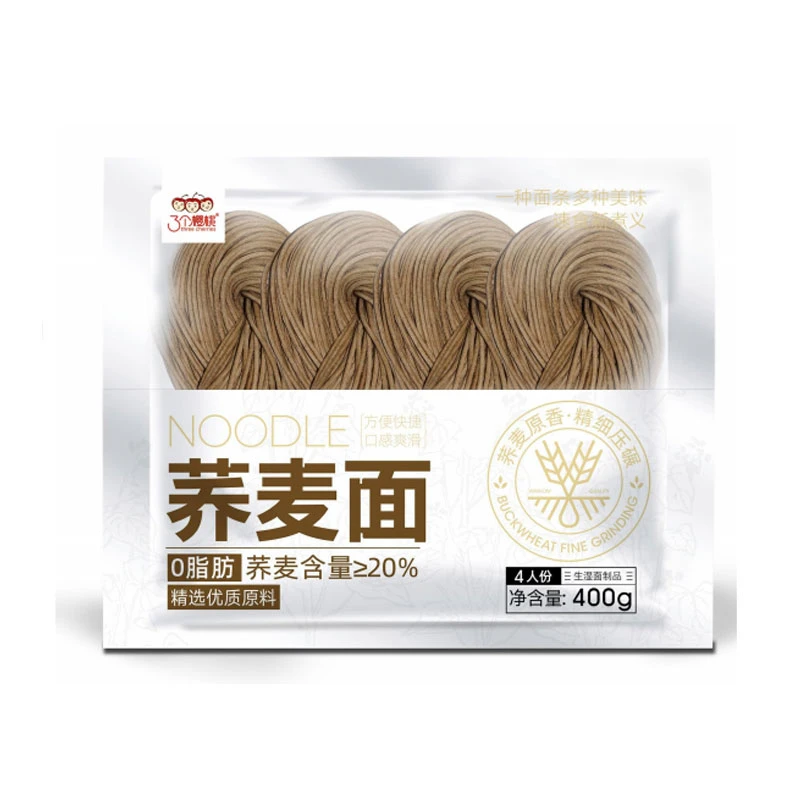
Put simply, “buckwheat noodle healthy” means noodles made primarily—or exclusively—from buckwheat flour, known for its healthful profile. Buckwheat isn't a true cereal grain but a pseudocereal, naturally gluten-free, rich in rutin, a potent antioxidant, and high in balanced proteins. In the food industry, this translates to products catering to gluten-sensitive consumers, diabetics (due to a lower glycemic index), and anyone aiming for better gut health. Plus, buckwheat noodles often use less artificial additives or preservatives—something many industrial food products neglect. Oddly enough, despite buckwheat’s ancient roots in Asia and Europe, its renaissance ties into modern goals: sustainable farming, nutrient-rich diets, and better global food systems—as advocated by organizations like ISO for food safety and nutritional standards.Key Aspects of Healthy Buckwheat Noodles
1. Nutritional Content
Buckwheat noodles are high in essential amino acids like lysine, fiber, and important minerals such as magnesium and manganese. These nutrients aid in cardiovascular health and digestion.2. Gluten-Free Advantage
For a growing percentage of people worldwide, allergic or sensitive to gluten, buckwheat noodles provide a safe, tasty alternative. This opens accessibility to healthier diets.3. Production Sustainability
Buckwheat grows well in poor soils without heavy pesticides, which reduces environmental impact compared to wheat cultivation.4. Flavor and Culinary Versatility
With a slightly nutty, earthy taste, buckwheat noodles enrich dishes from traditional Japanese soba to modern fusion recipes.5. Shelf Life and Processing
Innovations in drying and packaging techniques extend shelf life while preserving nutrients, which makes these noodles commercially viable.
Mini takeaway: Buckwheat noodles combine nutrition, allergy-friendly ingredients, ecological farming, and good taste to serve multiple modern demands.
Product Specifications: Buckwheat Noodle Healthy Example
| Specification | Details |
|---|---|
| Main Ingredient | 100% Buckwheat Flour |
| Gluten Content | Gluten-Free (tested & certified) |
| Protein | ~13g per 100g |
| Dietary Fiber | ~10g per 100g |
| Preparation Time | 3-5 minutes (boiled) |
| Shelf Life | 12 months (dry, sealed) |
Comparing Top Buckwheat Noodle Vendors: Who Stands Out?
| Vendor | Pricing | Organic Certification | Gluten-Free Certification | Sourcing Region |
|---|---|---|---|---|
| Buckwheat Delights Co. | $$$ | Yes | Yes | Japan |
| Soba World Traders | $$ | No | Yes | China |
| Green Grain Organics | $$$$ | Yes | Yes | Russia |
Global Applications & Use Cases for Buckwheat Noodles
Across continents, buckwheat noodles are gaining traction. In East Asia, they’re traditional yet trendy, found in everything from cold summertime bowls in Japan to nourishing meals across Korea and China. In Europe, countries like Russia weave buckwheat into their food culture, and now even North American restaurants showcase these noodles in health-forward recipes. Interestingly, NGOs involved in humanitarian food aid are investigating buckwheat products as good options for emergency food kits because of their nutritional density and long shelf life. Imagine post-disaster relief operations where quick-to-prepare, energy-rich meals are needed. Buckwheat noodles shine there. Then there’s the booming gluten-free market that fuels innovation in packaged foods — the health-conscious, the intolerant, the curious — all exploring alternatives that satisfy both palette and body.What Makes Buckwheat Noodle Healthy a Long-Term Win?
The benefits stack up. - Cost-effective nutrition: It offers wholesome ingredients at reasonable prices, especially when local buckwheat sourcing is feasible. - Sustainability: Its cultivation reduces environmental impact, important in the era of climate-conscious eating. - Social Impact: Supports traditional farmers and small-scale producers, preserving cultural foodways. - Reliability: Long shelf life and ease of preparation make it a trusted staple for families and institutions. On the emotional side, choosing buckwheat noodles feels like investing in your wellbeing. It’s about dignity — eating real, whole foods — and trust in your ingredients. Not to mention sometimes, just that unique, robust flavor that almost transports you to a rustic kitchen in Hokkaido or Siberia.Future Trends in Buckwheat Noodle Healthy Products
Looking ahead, innovations are sprouting fast. Hybrid flours blending buckwheat with pulses or ancient grains to boost protein profiles are becoming common. Green energy-powered production lines and precision agriculture help to minimize carbon footprints. Digital tech integration now allows consumers to trace the entire buckwheat journey from farm to fork via QR codes — those little things giving freshness, origin, and certification details. There's also a surge in automation for making artisan noodles at scale without losing that handcrafted quality. Sustainability certifications and food safety are being tightened globally. It feels like buckwheat noodles will remain not just a niche but a growing piece of the healthy food market puzzle.Challenges & How The Industry is Overcoming Them
Of course, it’s not all smooth sailing. Buckwheat flour can be tricky to work with due to lack of gluten, sometimes making noodles brittle or less elastic. This limits texture options compared to wheat-based noodles. Processing to preserve nutrients while extending shelf life also requires balancing techniques — too much heat, and you lose antioxidants; too little, and mold can grow. Manufacturers and researchers are experimenting with: - Adding natural binders like tapioca or konjac powder. - Using cold drying methods. - Partnering with farmers for higher-quality buckwheat harvests. Most agree the key is continuous innovation paired with respect for tradition. The market’s demanding but ready for quality.FAQ: Everything You Wanted to Know About Buckwheat Noodle Healthy
Q: Are buckwheat noodles really gluten-free?Yes, pure buckwheat noodles contain no gluten, making them safe for celiac and gluten-sensitive consumers. However, always check packaging for cross-contamination info. Q: How do buckwheat noodles compare nutritionally to wheat noodles?
They generally have more protein, fiber, and antioxidants like rutin, plus a lower glycemic index, which is better for blood sugar control. Q: Can buckwheat noodles be used in traditional pasta dishes?
Absolutely! They suit stir-fries, soups, cold dishes, and even pasta with sauce, though their texture differs from wheat pasta. Q: What is the typical shelf life of buckwheat noodles?
If properly dried and sealed, they usually last around 12 months. Check the storage label to be sure. Q: Is buckwheat cultivation environmentally friendly?
Yes, buckwheat requires fewer chemicals and adapts to poor soils, making it a sustainable crop option in many regions.
In Closing: Why You Should Consider Buckwheat Noodles Today
In real terms, buckwheat noodle healthy products offer a meaningful way to eat better, support sustainable agriculture, and enjoy diverse flavors. It’s a small change with potentially large effects — for your health, local farmers, and the environment. Curious? Dive deeper and explore high-quality buckwheat noodles at buckwheat noodle healthy. Your taste buds — and your body — just might thank you. — ### References: 1. Food and Agriculture Organization of the United Nations (FAO) – Buckwheat and sustainability 2. World Instant Noodles Association – Global noodle consumption data 3. Wikipedia – Buckwheat nutritional profile (https://en.wikipedia.org/wiki/Buckwheat)Share
Latest news
-
Discover the Authentic Taste of Korean Buckwheat NoodlesNewsApr.16,2026
-
Discover the Refreshing Taste of Authentic Korean Cold SobaNewsApr.09,2026
-
Discover the Refreshing Taste of Korean Cold Buckwheat Noodles NaengmyeonNewsApr.07,2026
-
Discover the Cool and Refreshing World of Korean Buckwheat Noodles ColdNewsApr.04,2026
-
Discover the Refreshing Taste of Japanese Cold Buckwheat Noodles and Zaru SobaNewsMar.31,2026
-
Exploring the Delicious World of Chinese Style Cold NoodlesNewsMar.28,2026
-
Discover the Cool and Refreshing World of Korean Cold Soba NoodlesNewsMar.26,2026
Browse qua the following product new the we