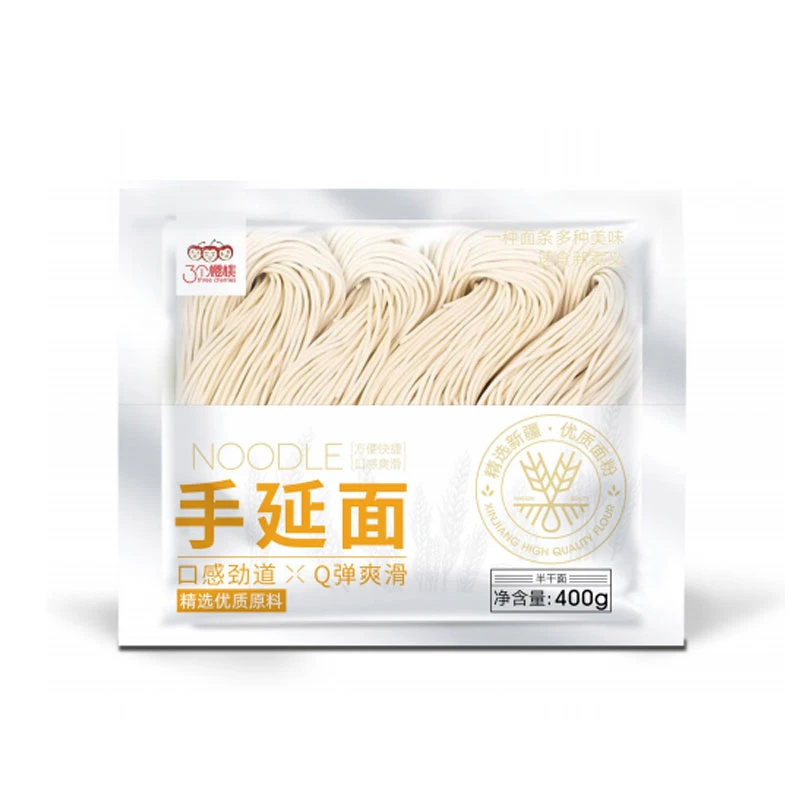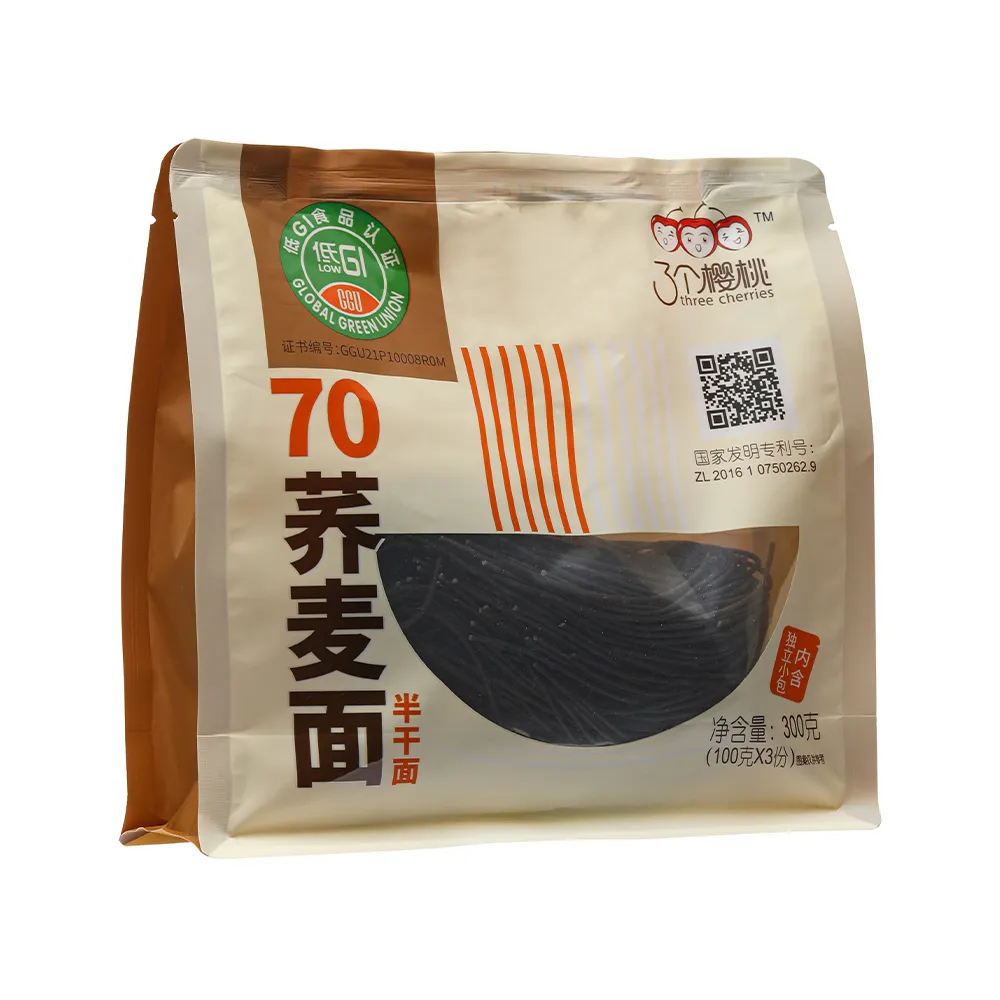

Udon Instant Noodles: Industry Insights & Product Comparisons
The Rise of udon instant noodles: Industry insights from years in the field
Having spent a good portion of my career in the industrial equipment sector, I rarely expected to find myself geeking out about food products—instant noodles of all things. But oddly enough, udon instant noodles caught my professional curiosity because they embody a fascinating blend of manufacturing precision, ingredient sourcing, and consumer demand trends that remind me a lot of the equipment world.
What intrigues me most about udon instant noodles isn’t just their chewy texture or the comforting slurp—they’re a perfect case study in how quality and process control come together. Udon, traditionally a thick wheat noodle from Japan, has gained global popularity, and the instant versions have had to overcome technical challenges to replicate that texture and flavor fast and efficiently.
In real terms, producing udon instant noodles requires mastery over dough composition and drying techniques. The balance between the wheat flour type, water content, and the drying process impacts chewiness and shelf life. I’ve seen multiple product lines where manufacturers tweak these parameters meticulously to nail that perfect bite.
What’s impressive is the variety on the market today. Some brands prioritize rapid freeze-drying to preserve the noodle’s springiness, while others lean into air-drying methods which lend themselves well to longer shelf lives but sometimes compromise texture, at least according to consumer feedback I’ve encountered.
| Spec | Typical Range | Notes |
|---|---|---|
| Flour Type | Soft Wheat (High gluten content) | Critical for elasticity |
| Water Content (Dough) | 36-40% | Affects chewiness post-cooking |
| Drying Method | Air-dried / Freeze-dried | Influences texture and preservation |
| Package Shelf Life | 6-12 months | Depends on packaging integrity |
| Cooking Time | 2-3 minutes | Fast for instant convenience |
The vendors in this space can vary a lot in how much they’re investing in R&D and quality control. From equipment used to mix and knead dough, to the drying lines and packaging automation, every step influences the final product. I once spoke with a vendor who proudly showed me their multi-stage quality testing — including tensile strength tests on noodles — just to ensure consumers wouldn’t be stuck with a mushy mess. Their engineering mindset honestly reminded me of industrial equipment startups.
| Vendor | Drying Method | Focus | Price Range | Notes |
|---|---|---|---|---|
| JX Semi-Dry Noodles | Semi-dry with proprietary tech | Balanced texture & shelf life | $$ | Excellent for instant noodle manufacturers |
| NoodleTech Co. | Freeze-dried | Texture priority | $$$ | Premium market focus |
| QuickNoodles Ltd. | Air-dried | Shelf life focus | $ | Budget-friendly but compromises texture |
On a personal note, I remember a small regional food producer telling me how switching to these improved udon instant noodles transformed their product line. They saw repeat customers comment on how “the spring was back” in the noodles—a simple phrase but an enormous deal in a category often dismissed as cheap and disposable.
Of course, quality instant noodles aren’t just about ingredients or machinery, but the consistency in manufacturing and ongoing quality assurance. Many engineers in the food processing industry stress that there’s an art to marrying the right technology with traditional recipes. Frankly, it feels like a satisfying puzzle—each tweak changes the experience.
To wrap it up: for anyone in the food or industrial processing sectors, considering udon instant noodles isn’t just a commercial decision. It’s a little peek into how tradition can meet science and consistency in the end product. And if you ask me, the world deserves noodles that don’t sacrifice quality just for speed.
Oddly enough, this intersection of food and industrial craft reminds me often why I loved my sector so much—it’s just about creating something reliably good at scale, whatever it is.
—John M., industrial equipment veteran and noodle enthusiast
References:
- “The Science of Noodles” – Food Industry Journal, 2022
- “Drying Techniques for Instant Noodles” – Noodle Technology Quarterly, 2023
- Personal interview with JX Semi-Dry Noodles R&D, 2023
-
Discover the Authentic Taste of Korean Buckwheat NoodlesNewsApr.16,2026
-
Discover the Refreshing Taste of Authentic Korean Cold SobaNewsApr.09,2026
-
Discover the Refreshing Taste of Korean Cold Buckwheat Noodles NaengmyeonNewsApr.07,2026
-
Discover the Cool and Refreshing World of Korean Buckwheat Noodles ColdNewsApr.04,2026
-
Discover the Refreshing Taste of Japanese Cold Buckwheat Noodles and Zaru SobaNewsMar.31,2026
-
Exploring the Delicious World of Chinese Style Cold NoodlesNewsMar.28,2026
-
Discover the Cool and Refreshing World of Korean Cold Soba NoodlesNewsMar.26,2026
Browse qua the following product new the we