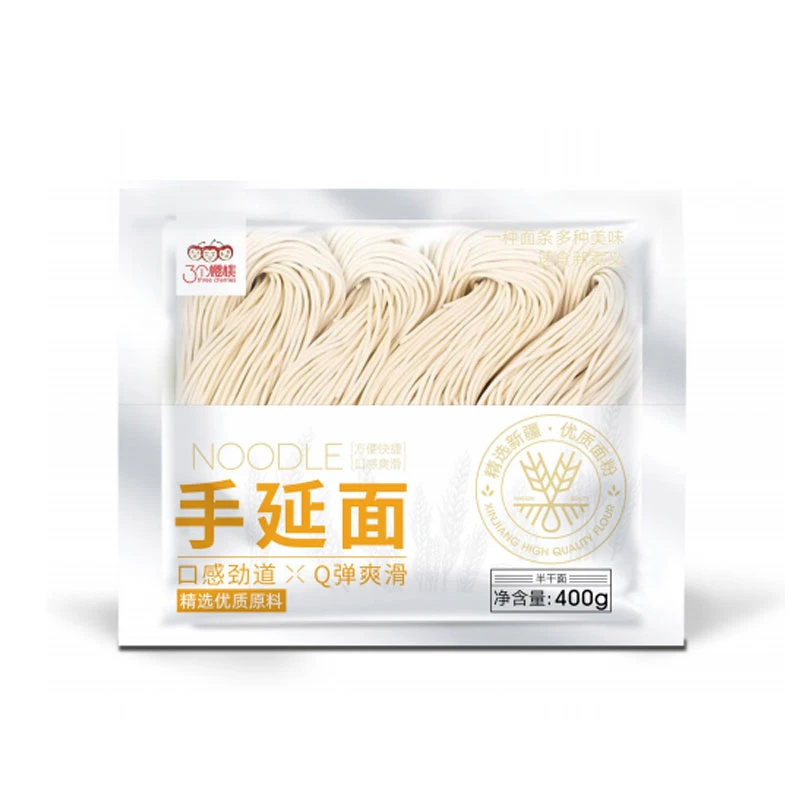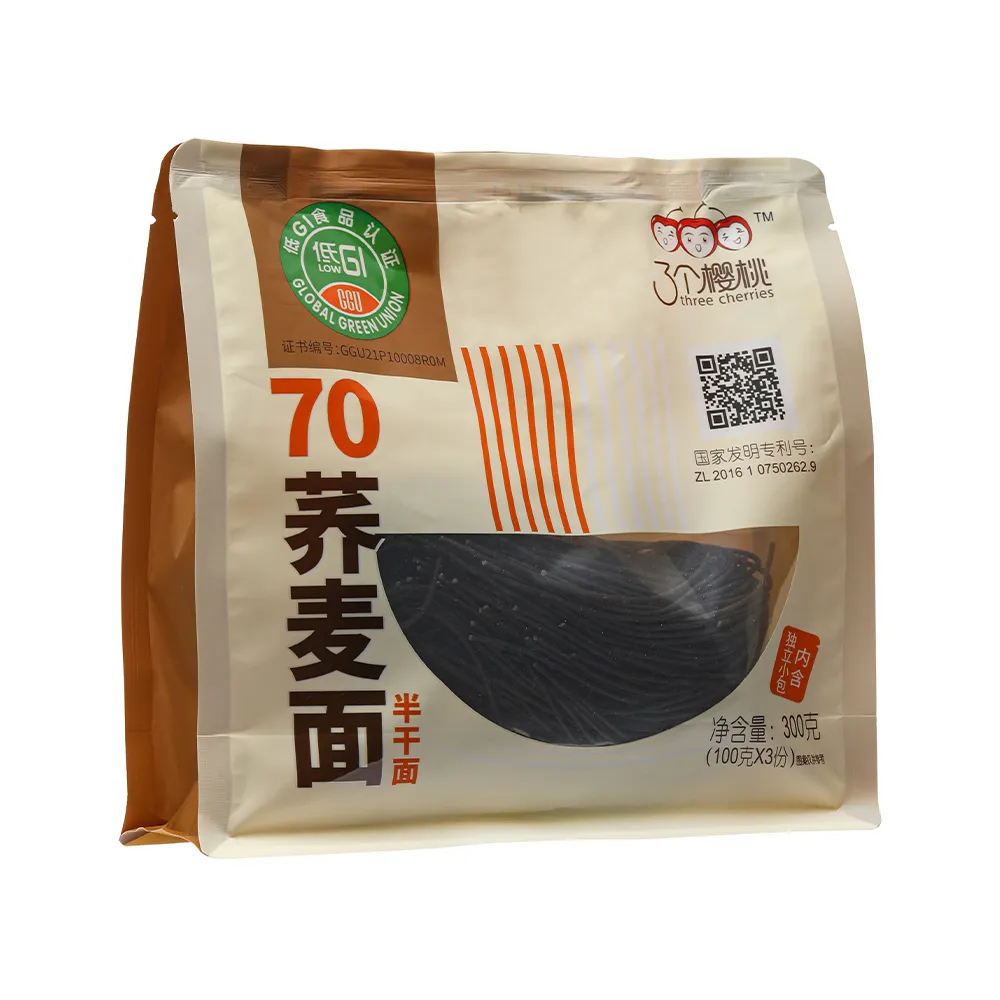

Knife Shaved Noodles Equipment – Industrial Noodle Cutting Machines
Knife Shaved Noodles: A Cut Above the Rest in Industrial Food Equipment
Having spent quite a few years around industrial food processing – and yes, noodles too – I’ve grown a real appreciation for the unique craftsmanship behind knife shaved noodles. I suppose it’s not a widely discussed topic outside the food industry circles, but these noodles carry a character and manufacturing challenge all their own.
Oddly enough, the core appeal of knife shaved noodles lies in their simplicity and tradition meeting precision engineering. These noodles aren’t just cut by machines; they’re literally “shaved” from dough blocks using a sharp knife blade. The process needs to be controlled tightly because the dough has to be just right – firm yet pliable. Now, in the industrial context, replicating this hand-crafted feel on a mass scale isn’t trivial.
From what I’ve observed, the industrial equipment designed for knife shaved noodles cleverly balances speed and delicacy. You want consistency in thickness and width, but you also need to avoid damaging the dough’s texture. Many engineers I've worked with say the key lies in adjustable blade angles and variable dough feed speeds. This allows customization for different noodle types, which is critical if you’re targeting regional tastes or experimenting with flours.
As for materials, stainless steel always tops the list for its durability and hygienic properties. The blades typically require high-grade, food-safe steel that holds sharpness without corroding. I remember once overseeing a machine trial where a supplier underestimated corrosion resistance, and the blades dulled far too quickly – a costly hiccup that slowed production.
Key Product Specifications
| Specification | Typical Value | Notes |
|---|---|---|
| Blade Material | Food-grade Stainless Steel | High durability & corrosion resistance |
| Blade Thickness | 0.3 – 0.5 mm | Adjustable based on noodle style |
| Dough Feed System | Variable Speed Roller | Enables consistent dough thickness |
| Noodle Width Range | 1.5 – 3.5 mm | Adjustable via blade angle & feed speed |
| Production Capacity | Up to 100 kg/hour | Depends on machine size |
Talking about suppliers, I’ve seen a growing trend toward vendors offering modular designs with customizable components. This comes from real customer feedback. You know, many factories aren’t one-size-fits-all, and neither should the equipment.
Vendor Comparison: Popular Knife Shaved Noodle Machine Manufacturers
| Vendor | Product Range | Customization | Price Range | After-sales Service |
|---|---|---|---|---|
| JX Semi-Dry Noodles | Knife shaved & semi-dry noodles | Highly customizable modular units | Mid to high | Excellent, with global support |
| Fujian Machinery Co. | Broad range of noodle cutters | Standard models, limited options | Low to mid | Moderate, regional coverage |
| Shandong Food Equip | Knife shaving and automated lines | Custom engineering on demand | High | Premium service, localized teams |
On a customer note: a mid-sized noodle producer I know switched from a conventional cutter to a knife shaved machine. They told me the textural difference is noticeable and consumer feedback was very positive — especially among traditionalist customers who swore it tasted more authentic, more “handmade.” That’s a win in my book.
It’s clear the knife shaved noodle sector is evolving. Automation and precision control technologies keep pushing the boundaries without losing that distinct noodle charm. The knife shaved noodles truly represent this intersection of tradition and modern industrial efficiency.
Frankly, if you’re exploring noodle production or just fascinated by food tech, these machines are worth a deeper look. The mixture of mechanical skill and food science never fails to impress me.
In real terms, choosing the right equipment means considering your production scale, product variety, and flexibility needs – plus, don’t underestimate after-sales support. It’s the sort of thing that can literally keep your line running smoothly for years.
Takeaway: Knife shaved noodles combine craftsmanship and clever engineering, making them a standout option in industrial noodle processing.
References
- Industry insights from 10+ years in food equipment manufacturing and plant trials
- Customer feedback from noodle producers in East Asian markets
- Material and design standards from recent industrial food processing tech papers
-
Discover the Authentic Taste of Korean Buckwheat NoodlesNewsApr.16,2026
-
Discover the Refreshing Taste of Authentic Korean Cold SobaNewsApr.09,2026
-
Discover the Refreshing Taste of Korean Cold Buckwheat Noodles NaengmyeonNewsApr.07,2026
-
Discover the Cool and Refreshing World of Korean Buckwheat Noodles ColdNewsApr.04,2026
-
Discover the Refreshing Taste of Japanese Cold Buckwheat Noodles and Zaru SobaNewsMar.31,2026
-
Exploring the Delicious World of Chinese Style Cold NoodlesNewsMar.28,2026
-
Discover the Cool and Refreshing World of Korean Cold Soba NoodlesNewsMar.26,2026
Browse qua the following product new the we