
Buckwheat Flour Noodles: Nutrition, Trends & Global Applications
Understanding Buckwheat Flour Noodles: A Global Taste and Nutrition Insight
At first glance, buckwheat flour noodles might come across as just another Asian culinary staple, but try to peel back the layers and you’ll find they are far more fascinating — both as a food product and in a broader global context. Why? Because their utility crosses cultural boundaries, nutritional needs, and even economic considerations in ways few ingredients can. Buckwheat flour noodles offer a unique blend of gluten-free nutrition, utility in food security, and appeal to health-conscious consumers worldwide.
Why does this matter globally? Well, as global food systems struggle with sustainability, nutrition deficiencies, and supply chain disruptions, alternative grains like buckwheat gain attention. Buckwheat flour noodles provide a great example of how traditional foods adapt and help meet some of these modern challenges — from feeding growing populations to supporting localized economies.
Mini takeaway: Buckwheat flour noodles are not just delicious — they represent a bridge between tradition, health, and global food sustainability.
The Global Lens: Why Buckwheat Flour Noodles are Gaining Ground
Let’s zoom out and look at the bigger picture. According to the FAO, buckwheat is cultivated mainly in Russia, China, and Eastern Europe, with an increasing footprint in North America and Japan. These noodles, typically made from buckwheat flour often blended with wheat, tap into a growing demand for gluten-free or lower-gluten alternatives. Global pasta and noodle markets are expected to grow at a CAGR of around 4% by 2026 (source: Markets and Markets), driven partly by health awareness and ethnic food trends.
But there’s a catch. Despite their popularity, large-scale production can be tricky due to buckwheat's unique properties — it’s not glutenous like wheat, so noodle elasticity and durability require attention. This aligns with challenges in delivering consistent quality to consumers globally, especially through varied supply chains.
Mini takeaway: Buckwheat flour noodles shine where health meets culinary tradition, but manufacturers face technical hurdles in scaling production while preserving texture and taste.
What Exactly Are Buckwheat Flour Noodles?
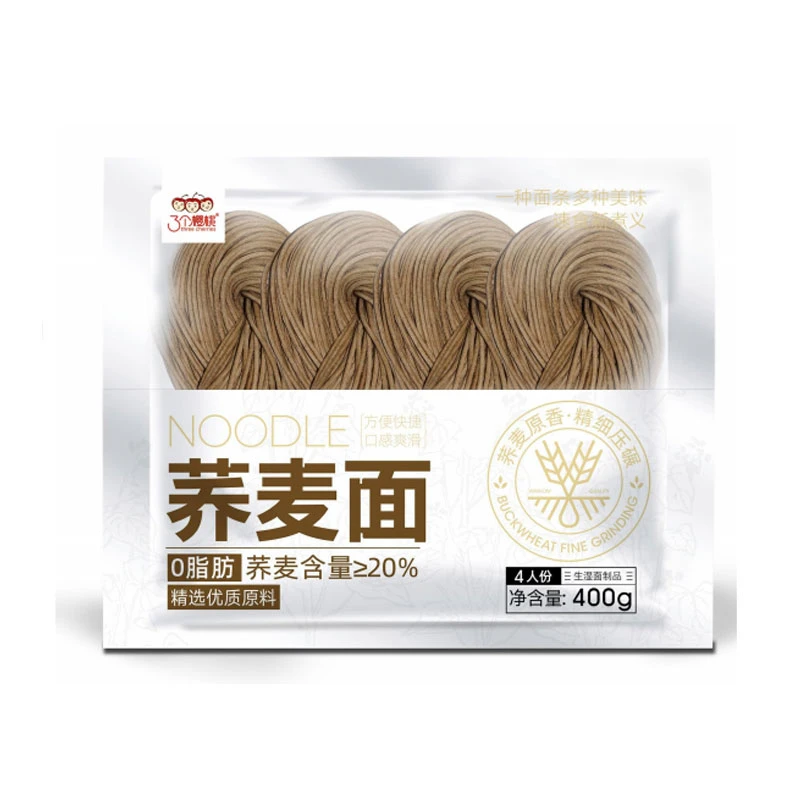
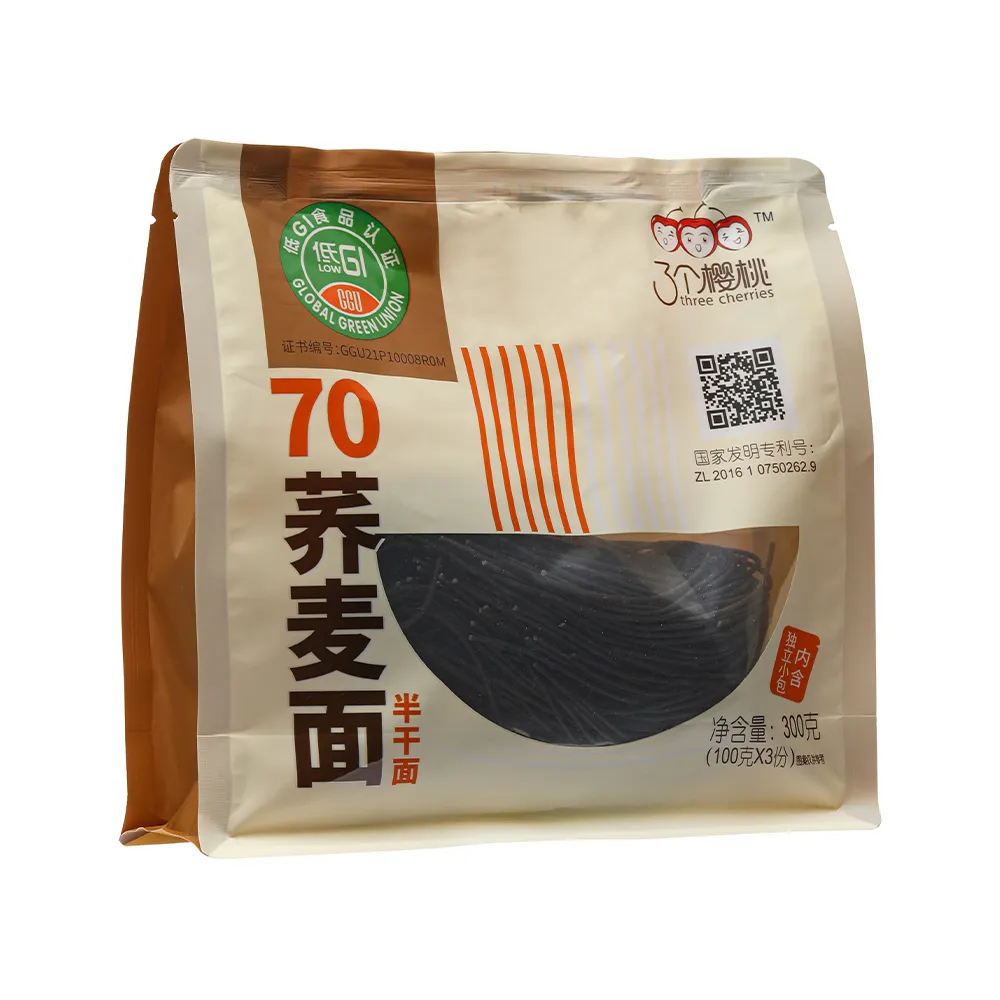
Simply put, buckwheat flour noodles are thin pasta-like strands primarily made from buckwheat — a pseudo-cereal that’s unrelated to wheat but has a nutty flavor and remarkable nutritional profile. Commonly known as soba in Japan, these noodles blend buckwheat flour with wheat flour or sometimes tapioca starch to improve texture and handling during production.
On a technical note, buckwheat offers a gluten-free alternative favored by those with celiac disease or gluten sensitivity. They’re also rich in essential amino acids, fiber, and minerals like manganese and magnesium. But beyond nutrition, these noodles meet the modern demand for diverse ethnic cuisines and fit well into humanitarian food relief programs given their shelf stability and ease of cooking.
Mini takeaway: Buckwheat flour noodles combine nutrition, flavor, and cultural significance with practical advantages for diverse consumption.
Core Components and Key Factors for Buckwheat Flour Noodles
1. Flour Composition and Quality
Since buckwheat lacks gluten, the ratio of buckwheat to wheat flour is critical. A higher buckwheat ratio means stronger flavor and better nutritional value but can compromise noodle firmness and elasticity. Many manufacturers find a balance — typically 30–50% buckwheat — that carries that signature taste but still holds shape.
2. Texture and Durability
The chewy yet tender bite has to be just right. Too brittle, and the noodles break in packaging or cooking; too tough, and the experience is off-putting. Innovators often use hydrocolloids or starch additives to enhance texture without compromising the natural buckwheat flavor.
3. Production Scalability
Unlike traditional wheat pasta, buckwheat noodles require specialized mixers and extruders. Automation helps in large-scale manufacture, but the lack of gluten complicates dough handling, often requiring smaller batch runs to maintain consistent quality.
4. Packaging and Shelf Life
Often sold dried, buckwheat flour noodles enjoy a decent shelf life — typically 12 to 18 months in good packaging. Vacuum-sealed or nitrogen-flushed wrappings extend freshness by preventing oxidation and moisture ingress.
5. Health and Nutritional Benefits
The portfolio of antioxidants and balanced nutrient profile means these noodles are often marketed as ‘functional foods’ — helping meet health trends focused on heart health, diabetes management, and digestive wellness.
Mini takeaway: Mastering buckwheat noodles means juggling gluten-free science, flavor, and shelf life — all critical for a quality product experience.
Product Specification Table: Popular Buckwheat Flour Noodles
| Specification | Typical Value | Notes |
|---|---|---|
| Buckwheat Flour Content | 40-60% | Influences taste and texture |
| Gluten Content | Low (in blended noodles) | Suitable for most gluten-sensitive consumers |
| Cooking Time | 3-5 minutes (dry) | Quick cooking time |
| Shelf Life | 12-18 months (dry) | Dependent on packaging quality |
| Protein Content | ~12% | Higher than regular wheat pasta |
Where Buckwheat Flour Noodles Make a Difference Globally
You’ll find these noodles embraced strongly in Japan, Korea, Russia, and parts of Eastern Europe as staple or celebratory foods. But oddly enough, their value goes beyond restaurants and kitchens. Humanitarian agencies in Southeast Asia and Central Asia use dried buckwheat flour noodles in emergency food packs because they’re nutritious, easy to cook, and culturally acceptable in many regions.
Industrially, small-scale farmers benefit by cultivating buckwheat, which requires less fertilizer and water compared to wheat, making it a sustainable crop choice in marginal lands. This boosts rural economies and supports biodiversity. In North America, health food companies package premium buckwheat noodles for gluten-free markets, tapping into rising consumer demand.
Mini takeaway: Buckwheat flour noodles weave together tradition, sustainability, and global nutrition in unique ways no ordinary pasta does.
Advantages: Why Choose Buckwheat Flour Noodles?
- Nutrition-packed: High in fiber, antioxidant rutin, and essential minerals, great for heart and digestive health.
- Gluten sensitivity friendly: Naturally low-gluten or gluten-free when pure buckwheat is used.
- Eco-friendly crop: Buckwheat grows faster and needs fewer inputs than wheat or rice.
- Culinary versatility: From cold salads to hot broths, the flavor melds well, boosting meal diversity.
- Food security booster: Shelf-stable and easy to cook, ideal for remote or disaster-stricken areas.
Mini takeaway: The combined emotional appeal and logical benefits make buckwheat flour noodles a compelling choice for consumers and producers alike.
Future Trends and Innovations in Buckwheat Flour Noodles
Looking forward, I see exciting advances. Some companies are experimenting with 100% buckwheat noodles using enzyme technology to improve dough elasticity. Others integrate ancient fermentation methods to enhance flavor and digestibility. There’s also a push to certify organic and non-GMO buckwheat noodles, appealing to conscious consumers.
On the tech side, automation improvements in extrusion and drying bring more consistent premium-quality products. Sustainability remains front and center, with farmers adopting regenerative practices to grow buckwheat more responsibly. As global interest in plant-based and gluten-free diets rises, these noodles stand to gain even more market relevance.
Mini takeaway: Innovation in both agriculture and food processing is set to elevate buckwheat flour noodles from niche to mainstream global plates.
Common Challenges and How Industry Is Addressing Them
Honestly, the biggest headache remains achieving the right dough consistency and noodle firmness without adding too many artificial binders. Many artisanal producers avoid additives, but scaling this is tough. Thankfully, advances in food science and machinery are helping — specifically, cold extrusion and vacuum drying techniques optimize texture.
Another hurdle is consumer awareness outside Asia and Europe. While health blogs and niche markets boost demand, widespread familiarity remains low in some regions. Educational marketing and new recipe development are slowly bridging this gap.
Finally, ensuring consistent buckwheat crop quality amid climate change is an emerging concern. Seed breeding and sustainable farming support long-term resilience.
Vendor Comparison: Top Producers of Buckwheat Flour Noodles
| Vendor | Production Capacity | Product Range | Special Features | Region Served |
|---|---|---|---|---|
| JX Semidry Noodles Ltd. | 500 tons/month | Dried & Fresh Buckwheat Noodles | Cold-extrusion, Organic options | Global (Asia, Europe, Americas) |
| Kappa Foods | 200 tons/month | Gluten-free Buckwheat-only Noodles | Non-GMO certified, Vegan | North America, Europe |
| Slavic Grain Exporters | 350 tons/month | Buckwheat Blend Noodles & Mixes | Bulk options for food aid programs | Eastern Europe, Asia |
Frequently Asked Questions About Buckwheat Flour Noodles
Q1: Are buckwheat flour noodles truly gluten-free?
Not always. Pure buckwheat flour is gluten-free, but many noodles blend buckwheat with wheat flour to improve texture, which contains gluten. For strict gluten-free needs, look for products labeled 100% buckwheat or certified gluten-free.
Q2: How long do dried buckwheat flour noodles last?
Typically, dried buckwheat noodles can last 12 to 18 months if stored in cool, dry conditions and unopened packaging. Vacuum packaging helps extend shelf life by reducing moisture and air exposure.
Q3: What makes buckwheat flour noodles nutritionally superior to regular pasta?
Buckwheat noodles offer higher protein, fiber, and antioxidants like rutin compared to traditional wheat pasta. This leads to benefits in blood sugar regulation and cardiovascular health.
Q4: Can buckwheat flour noodles be used in disaster relief meals?
Absolutely. Their long shelf life, quick cooking time, and nutritional profile make them ideal in emergency food kits distributed by aid organizations.
Q5: Where can I buy high-quality buckwheat flour noodles in bulk?
You might want to check vendors like buckwheat flour noodles suppliers that specialize in semi-dry options and offer global shipping. Look for certifications and custom packaging to suit your business needs.
Wrapping It All Up
In the grand scheme, buckwheat flour noodles reflect more than just food — they symbolize how age-old ingredients can meet modern demands for nutrition, sustainability, and taste. Whether enjoyed as soba in a cozy Tokyo restaurant or shipped in aid parcels to remote communities, their value transcends borders.
If you’re curious to explore these noodles for your culinary line or business, I recommend visiting our website for product options and insights.
Until next time, keep an eye on those noodles — they might just be the future on your plate.
References
-
Discover the Authentic Taste of Korean Buckwheat NoodlesNewsApr.16,2026
-
Discover the Refreshing Taste of Authentic Korean Cold SobaNewsApr.09,2026
-
Discover the Refreshing Taste of Korean Cold Buckwheat Noodles NaengmyeonNewsApr.07,2026
-
Discover the Cool and Refreshing World of Korean Buckwheat Noodles ColdNewsApr.04,2026
-
Discover the Refreshing Taste of Japanese Cold Buckwheat Noodles and Zaru SobaNewsMar.31,2026
-
Exploring the Delicious World of Chinese Style Cold NoodlesNewsMar.28,2026
-
Discover the Cool and Refreshing World of Korean Cold Soba NoodlesNewsMar.26,2026
Browse qua the following product new the we