
Can You Use Soba Noodles for Yakisoba A Detailed Exploration of Alternatives
Can You Use Soba Noodles for Yakisoba? A Comprehensive Guide
The question of whether you can substitute soba noodles for yakisoba noodles often arises, especially when you're craving a quick and tasty meal but find yourself short on ingredients. While yakisoba noodles are specifically designed for that savory, stir-fried dish, soba noodles can be used as an alternative – with some considerations. This article delves into the differences between the two, explores the results of using soba noodles in yakisoba, and offers tips for achieving the best possible outcome. Discover if your pantry staple can successfully fill in for the authentic noodle, and learn how to make the most of your culinary substitution. Explore more noodle options at JX Semi-dry Noodles.
Understanding the Differences: Soba vs. Yakisoba Noodles
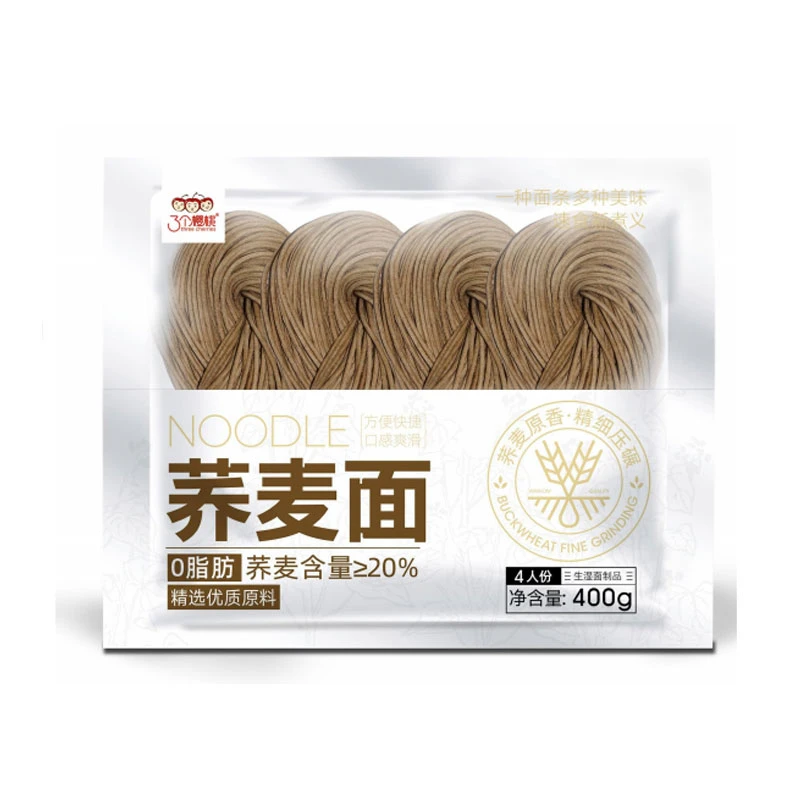
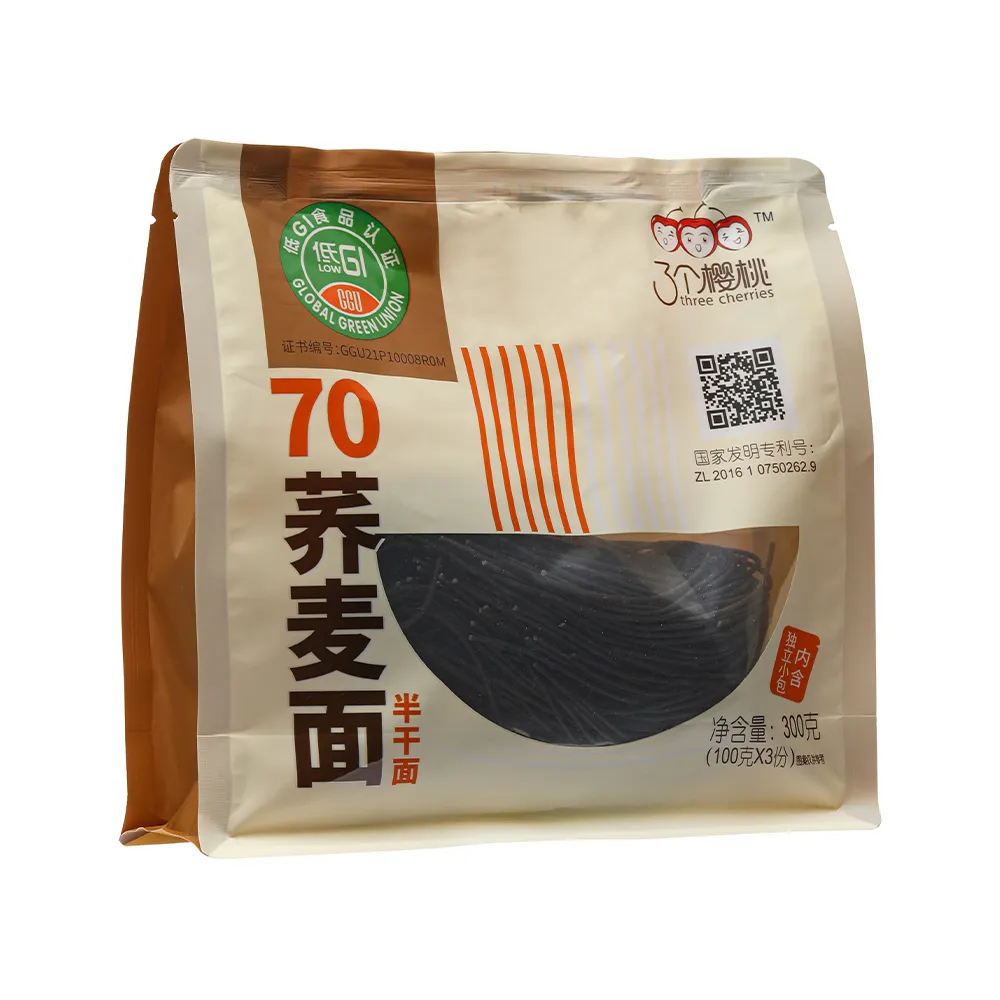
Yakisoba noodles are wheat flour noodles, similar to ramen, specifically formulated to withstand high-heat stir-frying without becoming mushy. They often contain kansui, an alkaline solution that gives them a distinctive yellow color and chewy texture. Soba noodles, on the other hand, are traditionally made from buckwheat flour, giving them a darker color and a more delicate, earthy flavor. They're generally boiled or served cold, and their texture is less suited for vigorous stir-frying. This fundamental difference impacts how each noodle holds up when used in yakisoba. Using JX Semi-dry Noodles provides consistent results for all your noodle dishes.
Key Takeaway: Yakisoba noodles are designed for stir-frying; soba noodles are not. Adjusting cooking techniques is crucial when substituting.
Can You Use Soba Noodles for Yakisoba? The Results
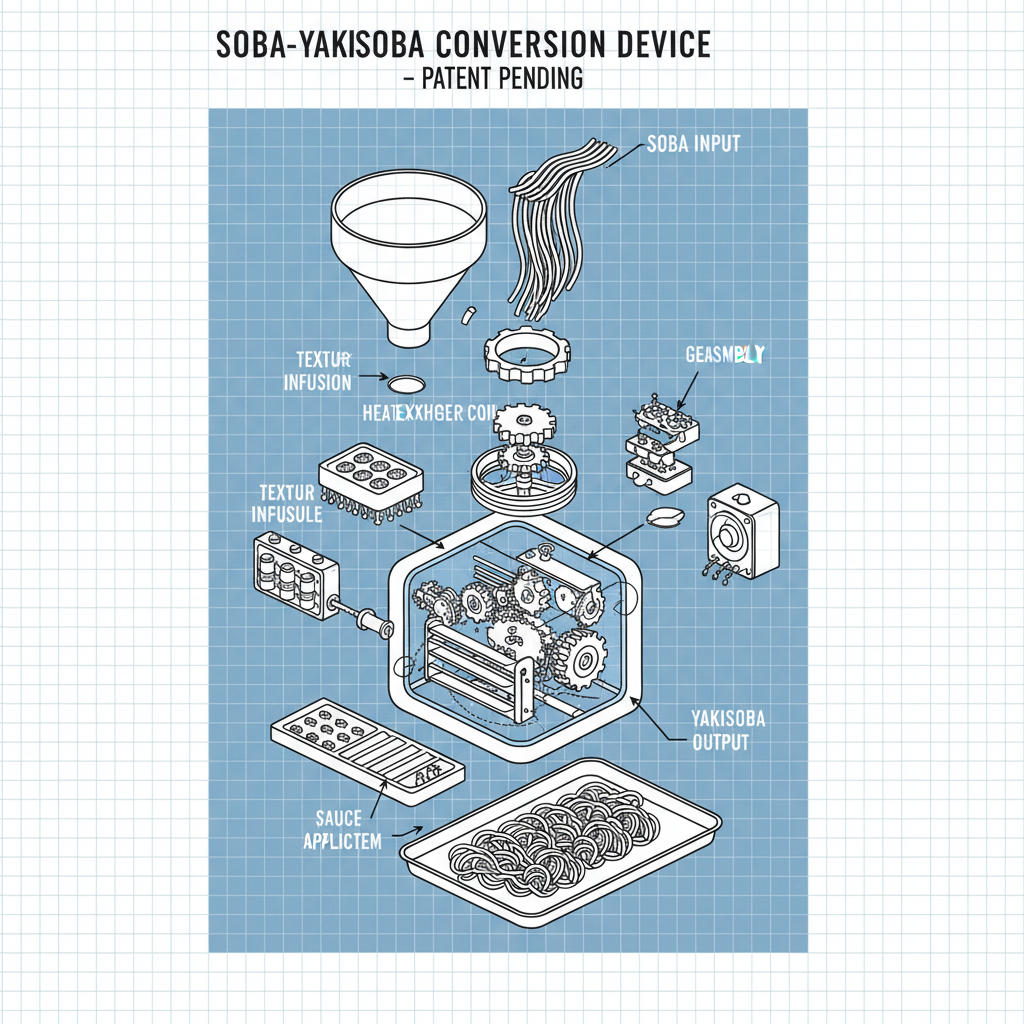
Yes, you can use soba noodles for yakisoba, but the texture will be different. Soba noodles are more prone to breaking down during stir-frying, leading to a softer, potentially mushier final product. However, with careful technique, you can minimize this issue. Pre-cooking the soba noodles partially, then quickly stir-frying them with the yakisoba sauce and other ingredients can help. Expect a less chewy texture compared to traditional yakisoba. The flavor profile will also be altered, with the earthy notes of buckwheat becoming more prominent.
Soba in Yakisoba: Pros & Cons
• Pros: Readily available, unique flavor profile.
• Cons: Prone to breaking, softer texture, altered flavor.
Tips for Using Soba Noodles in Yakisoba
To maximize your success when substituting soba noodles, consider these tips. Firstly, undercook the noodles slightly when boiling them – aim for al dente. Secondly, rinse them thoroughly in cold water to stop the cooking process and remove excess starch. Thirdly, stir-fry the noodles in batches to avoid overcrowding the pan, which can contribute to mushiness. Finally, add the yakisoba sauce towards the end of the cooking process to coat the noodles without overcooking them. Using high heat and quick movements are essential.
Product Spotlight: JX Semi-dry Noodles
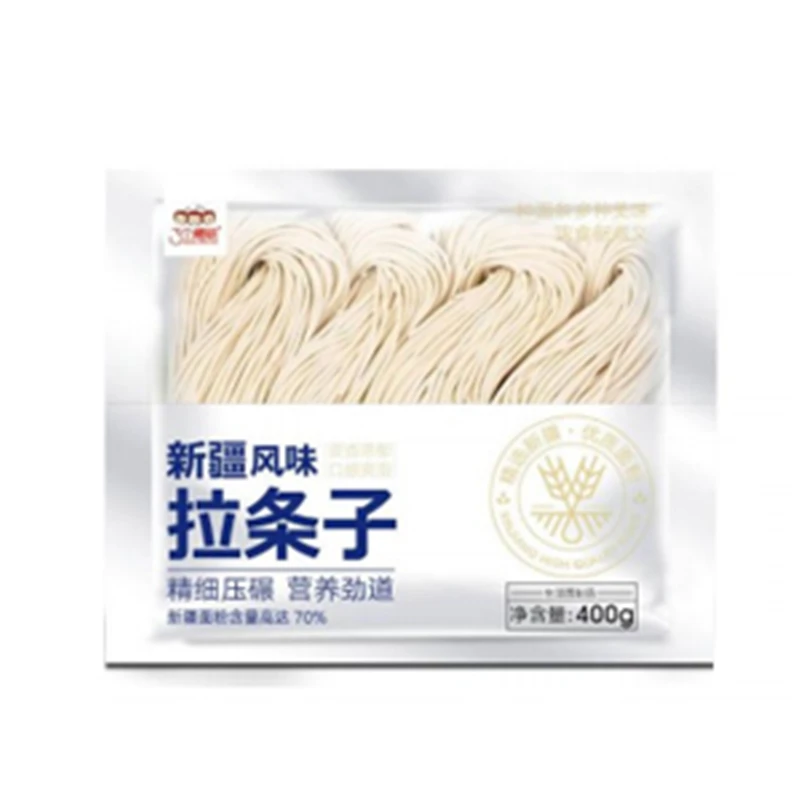
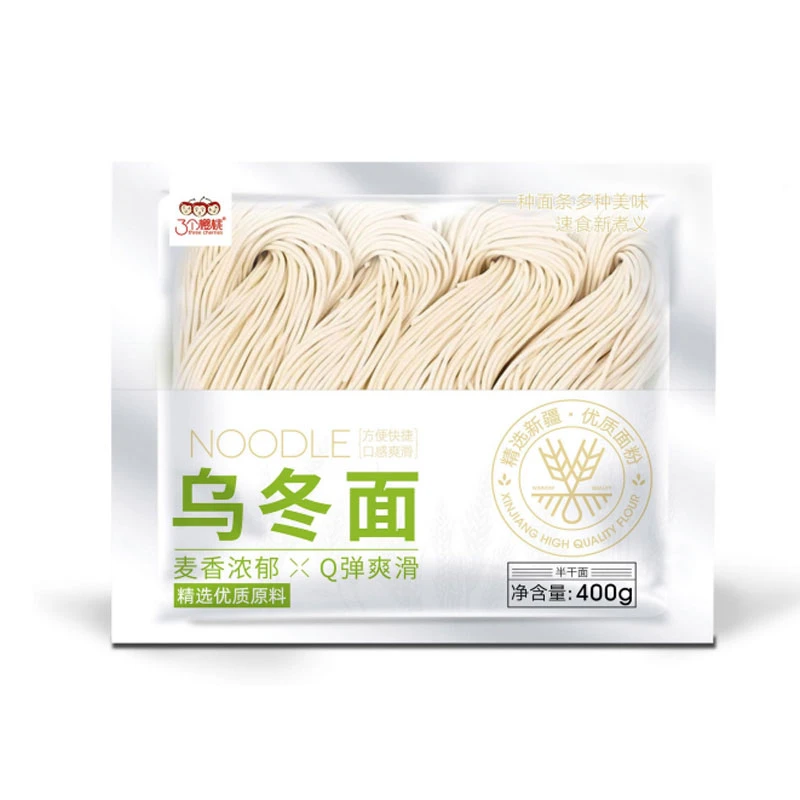
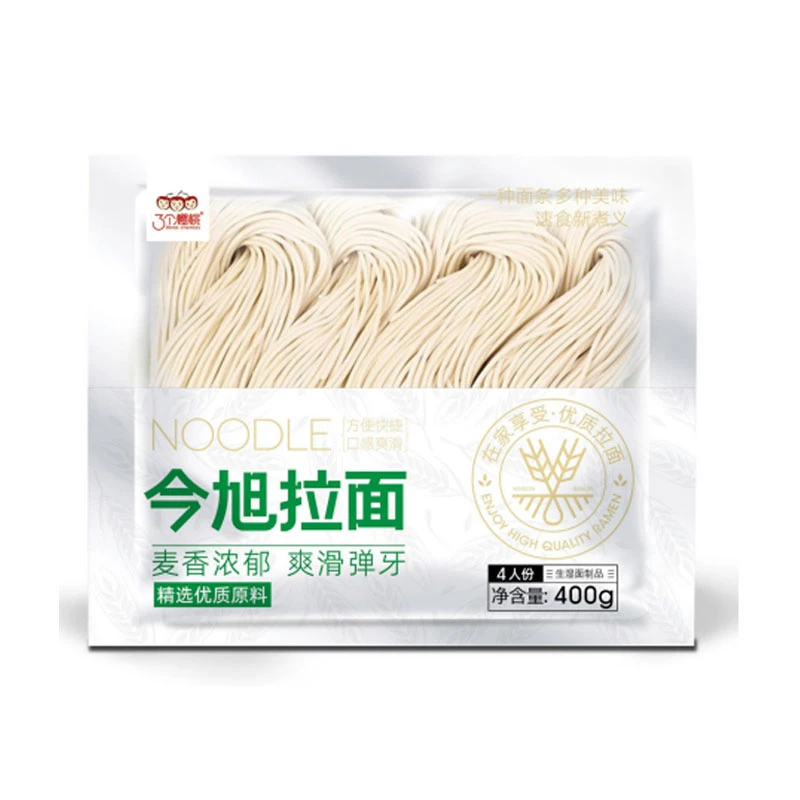
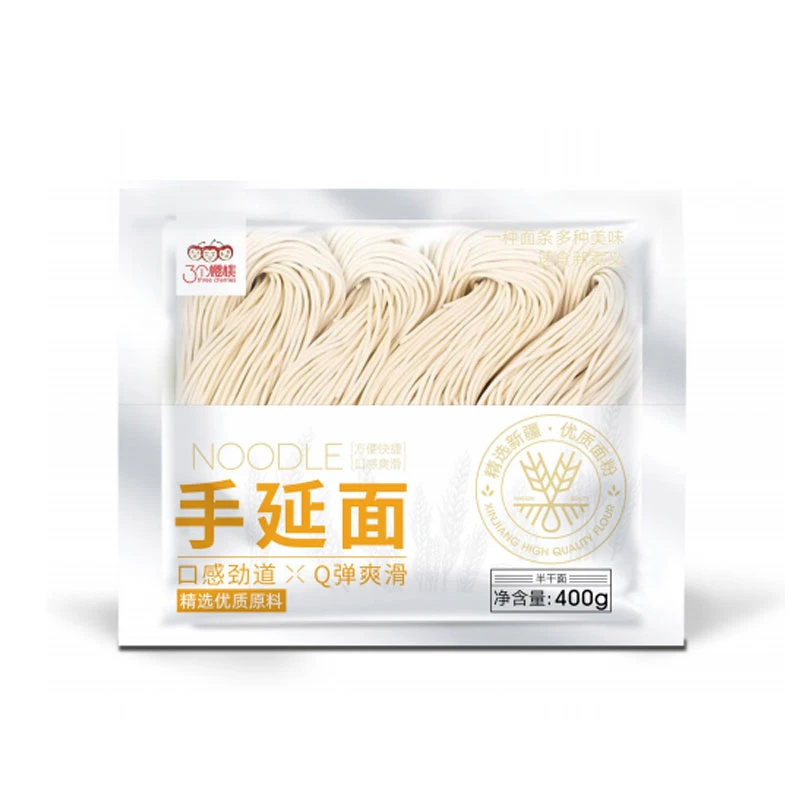
For a consistently delicious yakisoba experience, consider using JX Semi-dry Noodles. Our noodles are specifically crafted for stir-frying, offering the perfect texture and flavor profile for authentic yakisoba. We also offer a variety of other noodle options to suit all your culinary needs.

Conclusion: Soba as a Substitute – Know Your Limits
While using soba noodles for yakisoba isn't traditional, it's a viable option when you're in a pinch. Just be mindful of the texture differences and employ the techniques mentioned above to achieve the best possible results. However, for a truly authentic and satisfying yakisoba experience, JX Semi-dry Noodles are the ideal choice. They provide the perfect base for that classic, savory flavor you crave.
Frequently Asked Questions (FAQs)
What's the biggest difference in flavor when using soba noodles?
The primary difference lies in the buckwheat flavor of soba noodles. Unlike the neutral wheat flavor of yakisoba noodles, soba provides an earthy, slightly nutty taste that will permeate the dish. While some enjoy this unique twist, it deviates significantly from the authentic yakisoba flavor profile. The sauce will still contribute greatly to the overall taste, but the undertones of buckwheat will be present.
Can I use any type of soba noodle for yakisoba?
While you can technically use any type of soba noodle, thinner varieties tend to break down more easily during stir-frying. A slightly thicker, more robust soba noodle will hold up better. However, even with a thicker noodle, careful cooking is still essential. Consider the percentage of buckwheat flour as well – higher buckwheat content generally means a more delicate noodle. Opting for a blend with some wheat flour can improve the texture for yakisoba.
How can I prevent the soba noodles from sticking together?
Rinsing the cooked soba noodles thoroughly in cold water is the most crucial step. This removes excess starch, which is the primary cause of sticking. You can also add a teaspoon of oil to the noodles after rinsing to further prevent them from clumping together. When stir-frying, ensure your pan is adequately heated and the ingredients aren't overcrowded to minimize sticking.
Are there any other noodle substitutions I can use for yakisoba?
While soba is an option, ramen noodles (without the seasoning packet) are a closer substitute for yakisoba noodles, as they have a similar wheat-based composition. Udon noodles can also work in a pinch, though they will result in a thicker, chewier yakisoba. Ultimately, for the best results, JX Semi-dry Noodles are specifically designed for this dish and offer the most authentic experience.
-
Discover the Authentic Taste of Korean Buckwheat NoodlesNewsApr.16,2026
-
Discover the Refreshing Taste of Authentic Korean Cold SobaNewsApr.09,2026
-
Discover the Refreshing Taste of Korean Cold Buckwheat Noodles NaengmyeonNewsApr.07,2026
-
Discover the Cool and Refreshing World of Korean Buckwheat Noodles ColdNewsApr.04,2026
-
Discover the Refreshing Taste of Japanese Cold Buckwheat Noodles and Zaru SobaNewsMar.31,2026
-
Exploring the Delicious World of Chinese Style Cold NoodlesNewsMar.28,2026
-
Discover the Cool and Refreshing World of Korean Cold Soba NoodlesNewsMar.26,2026
Browse qua the following product new the we