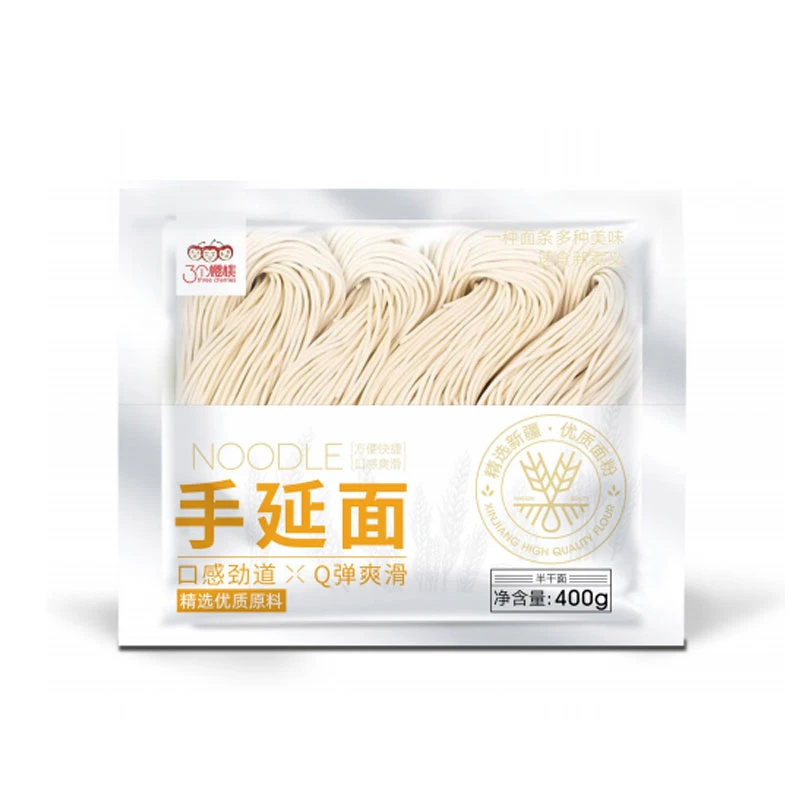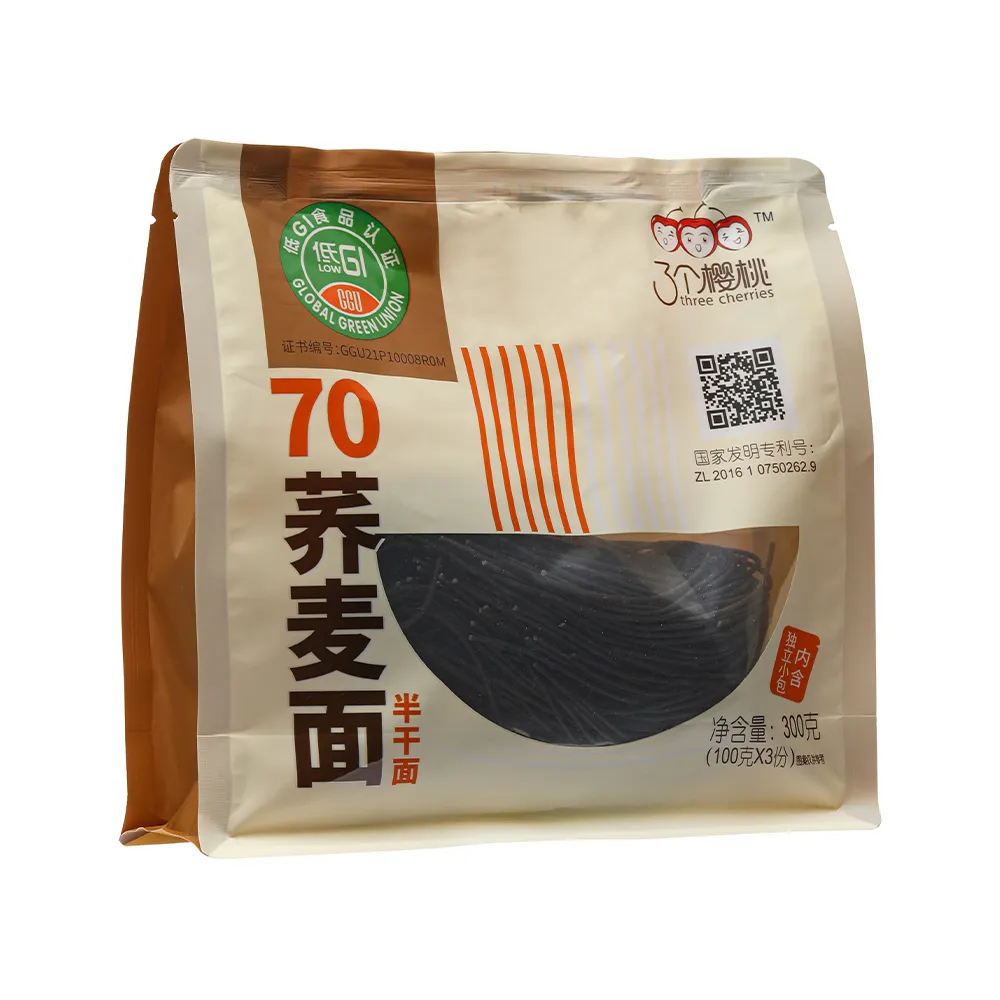

Whole Wheat Pasta Noodles: Nutrition, Sustainability & Global Impact
Whole Wheat Pasta Noodles: A Nutritious Staple with Global Appeal
Whole wheat pasta noodles have quietly become a global staple that combines simplicity, nutrition, and sustainability. But why does this humble food item matter beyond your dinner plate? Fact is, as the world’s population grows and health-conscious diets become mainstream, whole wheat pasta noodles stand out for their nutritional benefits, versatility, and potential role in food security. Understanding their place in today’s food industry and global markets reveals much about the intersection of health trends, agricultural practices, and even cultural shifts.
Introduction: The Global Context Around Whole Wheat Pasta Noodles
Whole wheat pasta noodles are not just an Italian tradition but part of a worldwide movement toward whole grain consumption. According to the World Health Organization, diet-related non-communicable diseases account for over 70% of deaths globally. Amid this, foods rich in dietary fiber and nutrients, like whole wheat pasta noodles, have gained recognition as healthier carbohydrate sources.
Yet, despite clear dietary guidelines promoting whole grains (ISO standards for food quality and safety increasingly emphasize this), challenges remain. For example, sourcing quality whole wheat flour and producing consistent noodles that satisfy texture and taste criteria can be tricky, especially in lower-income regions. Oddly enough, these operational hurdles sometimes limit their reach exactly where they might help the most.
What Are Whole Wheat Pasta Noodles?
Put simply, whole wheat pasta noodles are made from whole durum wheat flour, meaning the entire grain kernel—bran, germ, and endosperm—is milled and used, preserving more nutrients than refined pasta. This results in a product richer in fiber, vitamins, and minerals, offering a heartier flavor and slightly different texture compared to traditional pasta.
In modern food industries, their relevance has grown due to increasing demand for health-conscious products. They connect with humanitarian efforts too—nutritious, shelf-stable, and versatile foods which support food security goals globally.
Key Components of Whole Wheat Pasta Noodles
1. Nutritional Content
High fiber, B vitamins, and minerals like iron and magnesium, make whole wheat pasta noodles an attractive option for balanced diets. This is crucial in combating malnutrition and preventing chronic diseases.
2. Production Quality & Texture
The milling process and flour quality directly affect the final noodle's texture — a challenge in making whole wheat pasta comparable to traditional refined versions. Quality control ensures consistency and customer satisfaction.
3. Shelf Life & Storage
Whole wheat pasta has a slightly shorter shelf life due to oils in the bran, so packaging and storage innovations matter for longevity, especially in global supply chains.
4. Environmental Impact
Using whole grains increases crop value and reduces waste in milling, corresponding with sustainability goals in agriculture and food systems.
| Specification | Detail |
|---|---|
| Flour Type | Whole Durum Wheat Flour |
| Protein Content | 12-14% |
| Fiber Content | 6-8g per 100g |
| Moisture | 12-14% max |
| Shelf Life | 12-18 months in sealed packaging |
Global Applications & Use Cases
Whole wheat pasta noodles find usage far beyond home kitchens. For instance:
- Developed countries: Emphasized in health food markets and restaurants catering to dietary needs.
- Humanitarian aid: Organizations like the UN World Food Programme incorporate whole grain noodles in relief packages to provide nutrient-dense, easy-to-prepare calories during emergencies.
- Education campaigns: Many countries promote whole wheat pasta in school lunch programs to improve children’s nutrition.
Interestingly, manufacturers in regions like Italy, the US, and increasingly China are innovating to expand production, while niche producers throughout Africa are exploring local whole wheat varieties.
Advantages & Long-Term Value
The benefits of whole wheat pasta noodles are both tangible and emotional. Nutritionally, they support digestive health and blood sugar regulation. Environmentally, whole grain usage supports sustainable farming. Socially, offering nutritionally enhanced pasta respects consumers’ desire for wholesome, minimally processed food—building trust and brand loyalty.
Frankly, it feels like consumers today want their food to do a bit more beyond just filling their plates. Whole wheat pasta noodles fulfill that craving by merging tradition with modern health science.
Future Trends & Innovations
Looking ahead, innovations include:
- Improved milling technology: To reduce bran particle size, improving texture while preserving nutrients.
- Sustainable agriculture: Incorporating organic, drought-resistant wheat varieties.
- Digital supply chains: For better traceability and quality assurance.
- Product diversification: Incorporating ancient grains or gluten-free blends alongside whole wheat.
Challenges & Solutions
Not everything is perfect. Whole wheat pasta noodles face hurdles like shorter shelf life, perceived taste differences, and varying consumer acceptance. Small manufacturers sometimes struggle with production costs and uniformity in quality.
Experts suggest solutions such as fortifying with other grains, using enzyme treatments to improve dough stability, or consumer education campaigns to shift taste expectations.
| Vendor | Origin | Production Capacity (tons/year) | Certifications | Price Range (per ton) |
|---|---|---|---|---|
| GreenGrain Pasta Co. | Italy | 5,000 | ISO 22000, Organic | $1,500 - $1,800 |
| NutriWheat Foods | USA | 3,200 | Non-GMO, Kosher | $1,400 - $1,700 |
| SunHarvest Grains | China | 7,000 | ISO 9001 | $1,200 - $1,600 |
FAQ: Your Questions about Whole Wheat Pasta Noodles
1. Are whole wheat pasta noodles better for blood sugar control than regular pasta?
Yes, because whole wheat pasta retains bran and fiber which slows carbohydrate digestion, leading to a steadier blood sugar response. It’s especially beneficial for people managing diabetes or insulin resistance.
2. Can whole wheat pasta be used in all recipes that call for regular pasta?
Generally, yes. However, its nuttier flavor and firmer texture might slightly change your dish’s profile. Some recipes like delicate sauces pair better with traditional pasta, but most dishes adapt well.
3. How long can you store whole wheat pasta noodles?
Sealed and stored in a cool, dry place, whole wheat pasta can keep fresh for 12-18 months, less than refined pasta due to natural oil content. Vacuum packaging extends shelf life further.
4. Is whole wheat pasta environmentally sustainable?
Using whole grains reduces milling waste and encourages the cultivation of nutritious wheat strains. When combined with sustainable farming methods, whole wheat pasta production supports environmental goals.
5. Where can I buy high-quality whole wheat pasta noodles in bulk?
Reliable suppliers include GreenGrain Pasta Co. from Italy, NutriWheat Foods in the USA, and SunHarvest Grains in China. Make sure to check certifications like ISO and organic status for quality assurance.
Conclusion
Whole wheat pasta noodles are much more than a nutritional upgrade—they represent a shift towards mindful eating, sustainable production, and global food security. Whether you’re a health-minded consumer, a food industry professional, or a humanitarian planner, they offer practical, long-term value. Curious to explore a variety of quality whole wheat products? Visit our website: whole wheat pasta noodles for trusted options crafted with care.
It’s always fascinating how a simple food item can touch so many sectors, isn’t it?
References:
-
Discover the Authentic Taste of Korean Buckwheat NoodlesNewsApr.16,2026
-
Discover the Refreshing Taste of Authentic Korean Cold SobaNewsApr.09,2026
-
Discover the Refreshing Taste of Korean Cold Buckwheat Noodles NaengmyeonNewsApr.07,2026
-
Discover the Cool and Refreshing World of Korean Buckwheat Noodles ColdNewsApr.04,2026
-
Discover the Refreshing Taste of Japanese Cold Buckwheat Noodles and Zaru SobaNewsMar.31,2026
-
Exploring the Delicious World of Chinese Style Cold NoodlesNewsMar.28,2026
-
Discover the Cool and Refreshing World of Korean Cold Soba NoodlesNewsMar.26,2026
Browse qua the following product new the we