
Soba for Diabetics: Nutritional Benefits and Global Applications
Why Soba for Diabetics Matters Globally
Soba for diabetics isn’t just a trendy label you'd see on a health-conscious menu; it’s a crucial dietary option that resonates worldwide. With the global diabetic population edging toward 600 million by 2045 (International Diabetes Federation), the quest for foods that deliver taste without provoking blood sugar spikes is more urgent than ever. Understanding soba noodles made from buckwheat, which have a lower glycemic index compared to traditional wheat pasta, opens new avenues for healthier meal planning. This isn't simply about managing numbers on a glucose meter — it's about long-term health, quality of life, and appetite satisfaction without sacrifice.
To put it mildly, soba for diabetics represents a small but meaningful shift in how we approach one of the world’s biggest chronic diseases through diet.
Global Context: The Rising Need for Diabetic-Friendly Foods
Diabetes is no longer a condition isolated to a few countries; it’s a worldwide concern. According to the World Health Organization, over 422 million adults were living with diabetes in 2014, and that number is expanding dramatically in low- and middle-income nations. Urbanization, lifestyle changes, and dietary habits all factor in — and alarmingly, many diets tend to be heavy on high-GI carbs. This is where soba for diabetics steps in, gently addressing the issue.
However, the challenge persists: conventional noodles and pasta offer comfort and ubiquity but often come with a glycemic load that’s unkind to diabetic metabolism. Soba noodles, typically made from buckwheat flour or mixed with wheat, provide a practical alternative that combines palatability with improved blood sugar control. This relevance spans continents, climates, and cuisines — an emerging global staple for diabetic-friendly diets.
What Exactly Is Soba for Diabetics?
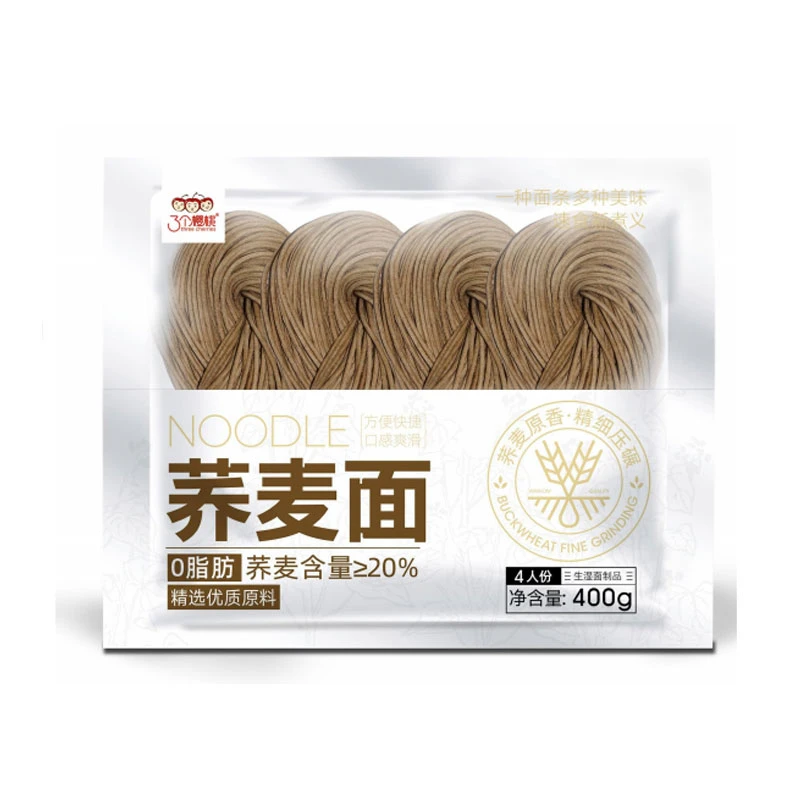
Soba for diabetics simply means soba noodles tailored or recommended for people managing diabetes. Traditional soba is made primarily from buckwheat — a pseudo-cereal with unique nutritional properties — or a blend with wheat flour. Buckwheat is naturally gluten-free (though many commercial soba are blended), rich in fiber, and known for its low glycemic index, meaning it won’t spike blood sugar rapidly.
From an industry standpoint, this translates into special production lines or ingredient sourcing focused on diabetic safety and nutrition. There’s an increasing move toward functional soba noodles for diabetics that optimize fiber content and exclude additives that might disturb glycemic balance.
Key Aspects That Make Soba Suitable for Diabetics
1. Glycemic Index and Nutritional Content
Glycemic index is a score that tells how fast carbs convert to glucose in your bloodstream. Buckwheat soba clocks significantly lower than standard wheat noodles — typically between 40-50, compared to 70+ for refined wheat pastas. The noodles also pack protein, essential minerals like magnesium, and antioxidants that support metabolic health.
2. Ingredient Purity & Processing
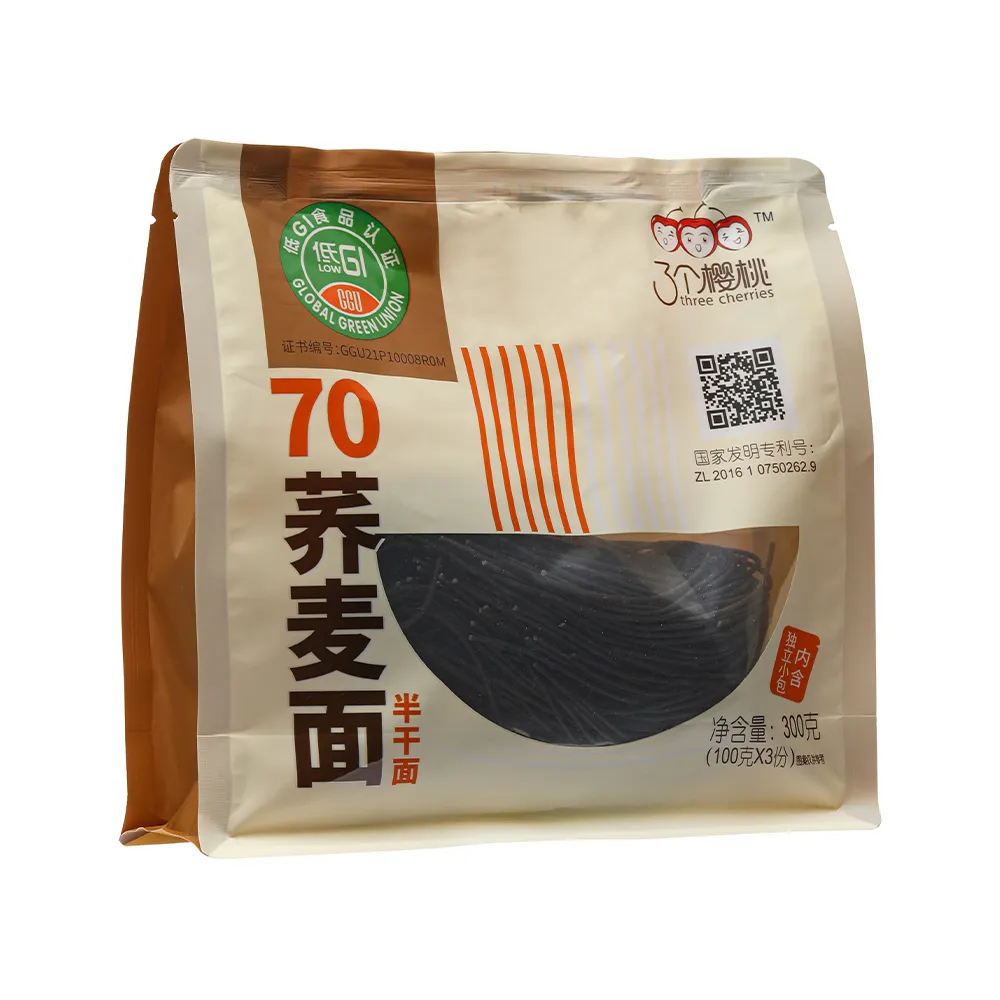
Processing matters. Some soba noodles blend buckwheat with high-GI wheat or additives, which can dilute the benefits. Diabetic-safe soba prioritizes higher buckwheat content (70% or more) and minimal processing to preserve fibers.
3. Portion Control & Cook Time
Interestingly, cooking time influences the glycemic response. Al dente soba noodles cause a slower blood sugar rise compared to overcooked ones, which swell and release starches faster. Hence, advice often includes moderate portions and careful cooking.
4. Gluten-Free Options
Many diabetics also explore gluten sensitivities. Pure buckwheat soba can cater to this need, though cross-contamination is a risk unless certified gluten-free.
5. Versatility in Diets
Soba for diabetics fits well in low-carb, Mediterranean, and plant-based diets, showcasing an adaptability that makes it a go-to staple rather than niche fancy food.
Mini Takeaway:
Soba for diabetics packs a punch in nutrition and digestibility. Its key is in buckwheat’s unique starch profile plus thoughtful production and preparation.
Real-World Applications: Where and Who Benefits from Soba for Diabetics?
Soba noodles for diabetics find homes in multiple contexts, from home kitchens to institutional food suppliers in healthcare.
- Asia-Pacific: Japan and South Korea lead many innovations with soba, building diabetic-friendly variations that mesoscale producers export.
- Healthcare Facilities: Hospitals and diabetic care centers increasingly incorporate soba into meal plans to offer tasty but safe starchy options.
- Disaster Relief & Food Security: In regions coping with food insecurity, nutritionally balanced and shelf-stable soba noodles are practical. The sustained energy release suits vulnerable diabetics.
- Urban Diet Programs: As urban populations grow, dietitians recommend soba to reduce the burden of fast-acting carbs from white rice and bread alternatives.
For instance, in post-disaster relief operations across Southeast Asia, soba's balance between shelf life, nutrition, and ease of preparation means it improves dietary diversity and glycemic control even during crisis.
Product Specifications of Typical Diabetic-Friendly Soba Noodles
| Specification | Typical Values | Notes |
|---|---|---|
| Buckwheat Content | 70-100% | Higher content preferred for glycemic control |
| Glycemic Index | 40-50 | Lower than wheat noodles |
| Gluten | Varies (gluten-free to mixed) | Certified gluten-free preferred by some |
| Cooking Time | 4–6 minutes | Al dente preferred for slower glucose absorption |
| Shelf Life (packaged) | 6–12 months | Depends on packaging & preservatives |
Vendor Comparison: Popular Soba for Diabetics Brands
| Brand | Buckwheat % | Gluten-Free? | Price (per 500g) | Distribution |
|---|---|---|---|---|
| Soba Pure | 100% | Yes (certified) | $6.50 | North America, Europe |
| Buckwheat Delight | 80% | No | $4.20 | Asia-Pacific |
| Healthy Soba Co. | 70% | No | $5.00 | Global online |
Advantages and Long-Term Value
Why bother with soba for diabetics? Well, the benefits go deeper than blood sugar numbers:
- Cost Efficiency: Buckwheat soba tends to be affordable, especially when purchased in bulk or from niche producers.
- Sustainability: Buckwheat cultivation is less resource-intensive than conventional wheat farming, supporting more sustainable food systems.
- Health & Social Impact: By incorporating soba noodles, diabetics can enjoy a diverse diet, reducing monotony associated with strict restrictions. This fosters dignity and confidence in food choices.
- Reliability: Shelf-stable soba packs well for emergency food supplies and travel, supporting consistent nutrition management.
On a personal note, many diabetic individuals I’ve spoken to say feeling “normal” at mealtime is priceless. Food is often comfort, ritual, and joy. Soba lets them have it without guilt or fear.
Emerging Trends and Innovations
The future of soba for diabetics is bright and evolving:
- Green & Organic Buckwheat Farming: Advances in sustainable agriculture promise cleaner sourcing with lower pesticides and higher nutrition.
- Digital Nutrition Labels: Some brands now integrate QR codes that provide instant glycemic index values and serving suggestions — a boon for diabetic consumers.
- Product Innovation: Enriched soba with added fibers, resistant starches, or probiotics are appearing, blending food science with functional nutrition.
- Automation & Traceability: From farm to table, blockchain technologies ensure ingredient authenticity and safety, critical for diabetic-sensitive products.
Challenges and Solutions
Despite the promise, soba for diabetics isn’t without hurdles:
- Gluten Contamination: Unless properly certified, many soba products can’t claim gluten-free — limiting options for some diabetic subsets.
- Consumer Awareness: Not everyone knows the benefits or differences soba offers. Educational programs are needed.
- Price & Supply: High-buckwheat content soba costs more to produce and is less widespread, impacting accessibility.
Innovative solutions include fortified soba blends, multilingual labeling, and partnerships between growers and healthcare providers to boost supply and demand.
FAQ: Frequently Asked Questions About Soba for Diabetics
Q1: Is soba noodle suitable for all diabetic diets?
A1: While soba noodles made primarily from buckwheat offer a lower glycemic index, individual responses can vary. It’s important to monitor blood sugar after consumption and consult with a healthcare provider before making dietary changes.
Q2: Can I eat soba noodles daily if I have diabetes?
A2: Moderation is key. Incorporating soba noodles a few times a week can support balanced carbohydrate intake when paired with vegetables and protein, but daily consumption should consider total carb targets.
Q3: How can I ensure the soba noodles I buy are diabetic-friendly?
A3: Look for soba products with higher buckwheat content (70%+), certified gluten-free if needed, and minimal additives. Checking nutrition labels and choosing trusted brands is crucial.
Q4: Do soba noodles help with weight management in diabetes?
A4: Due to their higher fiber and slower digestion, soba noodles can aid satiety and blood sugar control, potentially supporting weight management, but they should be part of a balanced overall diet.
Q5: Are there any preparation tips to maximize benefits?
A5: Cooking soba al dente and avoiding overcooking helps keep the glycemic index low. Pairing soba with fiber-rich vegetables and protein also modulates glucose spikes.
Conclusion: Embracing Soba for Diabetics
All in all, soba for diabetics is more than a noodle alternative — it’s a small but meaningful dietary innovation responding to a global health need. It offers balanced nutrition, taste, and cultural adaptability. Whether you’re managing diabetes yourself or crafting menus in healthcare or relief settings, soba noodles hold promise for better glycemic control and food enjoyment.
Are you ready to explore diabetic-friendly soba yourself? Visit our curated range at https://www.jxsemidrynoodles.com and experience the blend of tradition and health innovation.
Final Thought:
Sometimes, the simplest ingredient like buckwheat can quietly change the game in managing chronic conditions. Food isn’t just sustenance — it’s power, comfort, and innovation all twirled into one bowl of soba.
References
-
Discover the Authentic Taste of Korean Buckwheat NoodlesNewsApr.16,2026
-
Discover the Refreshing Taste of Authentic Korean Cold SobaNewsApr.09,2026
-
Discover the Refreshing Taste of Korean Cold Buckwheat Noodles NaengmyeonNewsApr.07,2026
-
Discover the Cool and Refreshing World of Korean Buckwheat Noodles ColdNewsApr.04,2026
-
Discover the Refreshing Taste of Japanese Cold Buckwheat Noodles and Zaru SobaNewsMar.31,2026
-
Exploring the Delicious World of Chinese Style Cold NoodlesNewsMar.28,2026
-
Discover the Cool and Refreshing World of Korean Cold Soba NoodlesNewsMar.26,2026
Browse qua the following product new the we