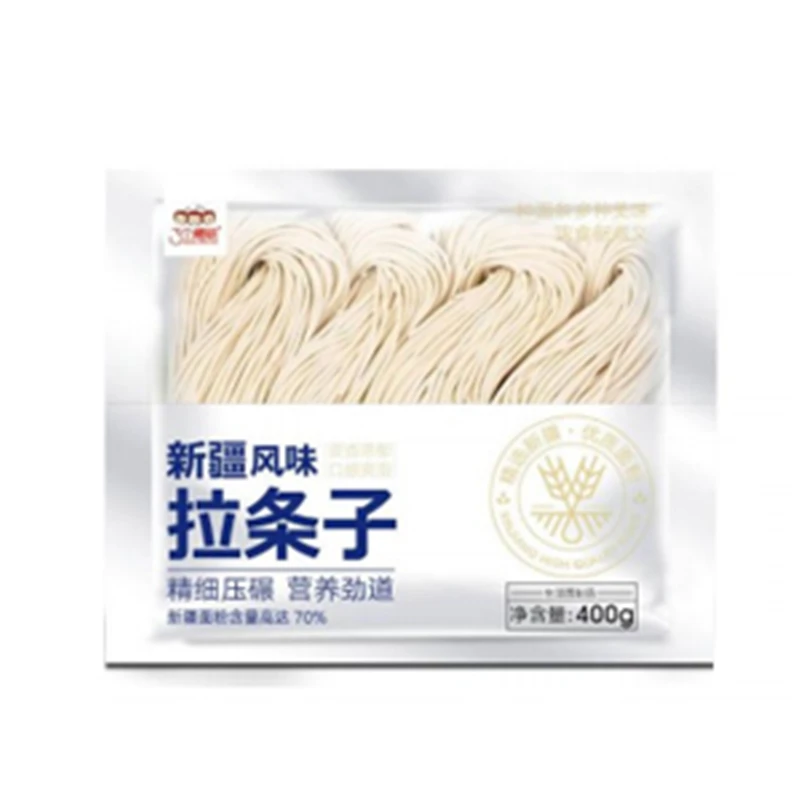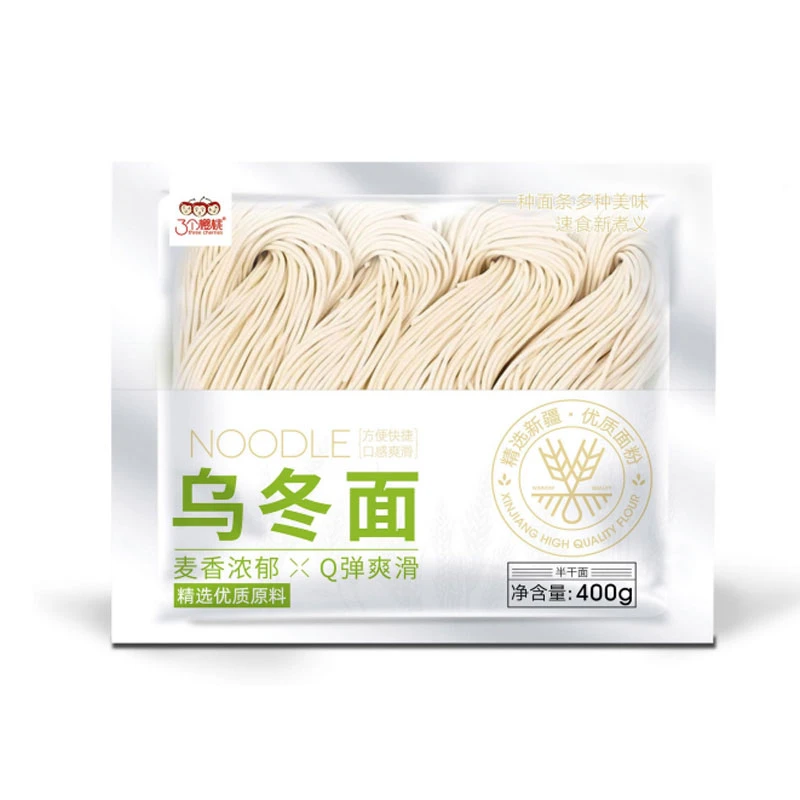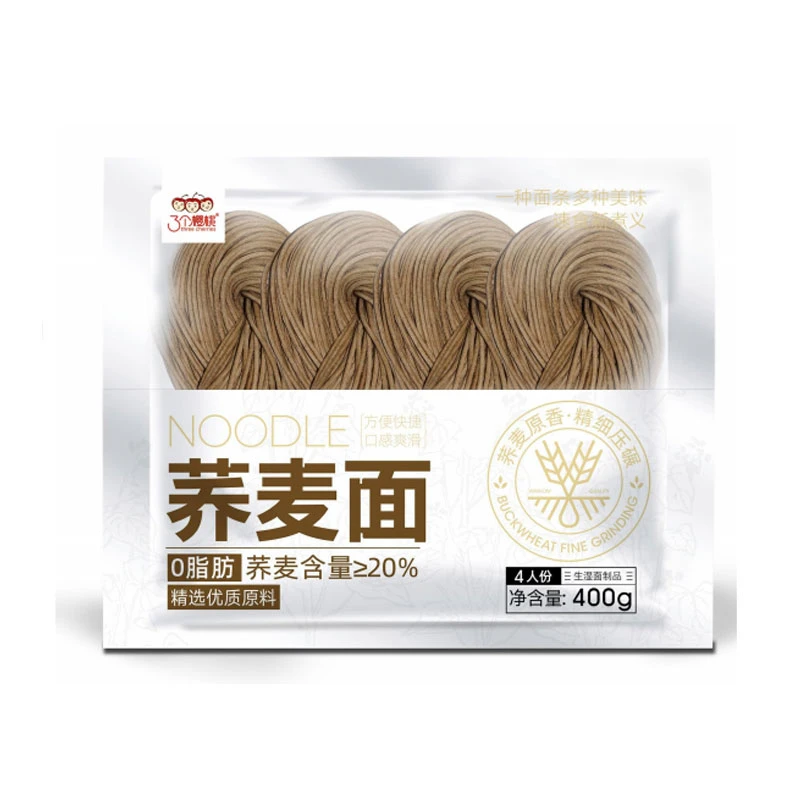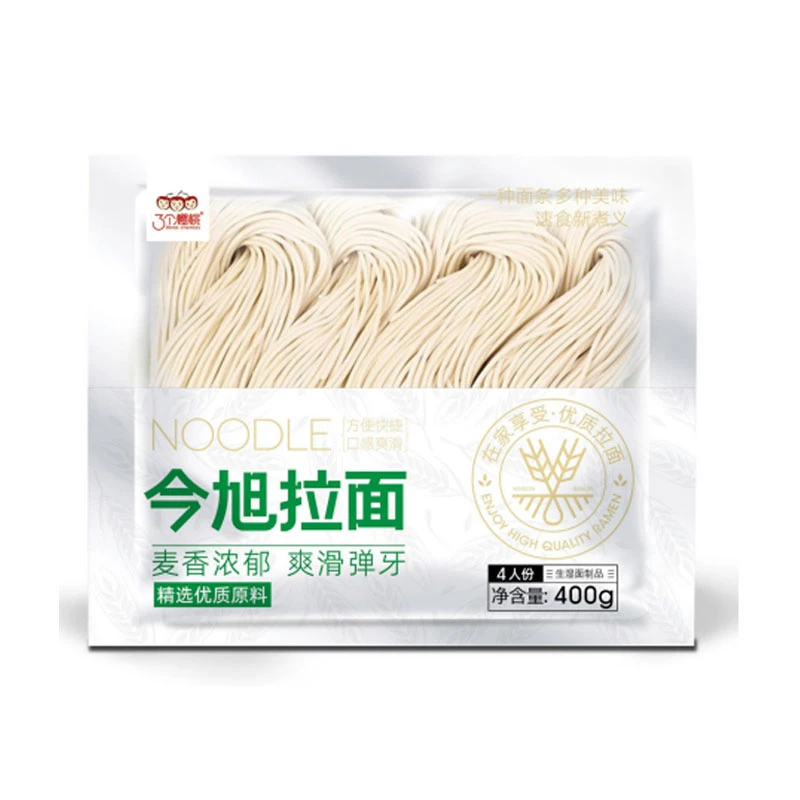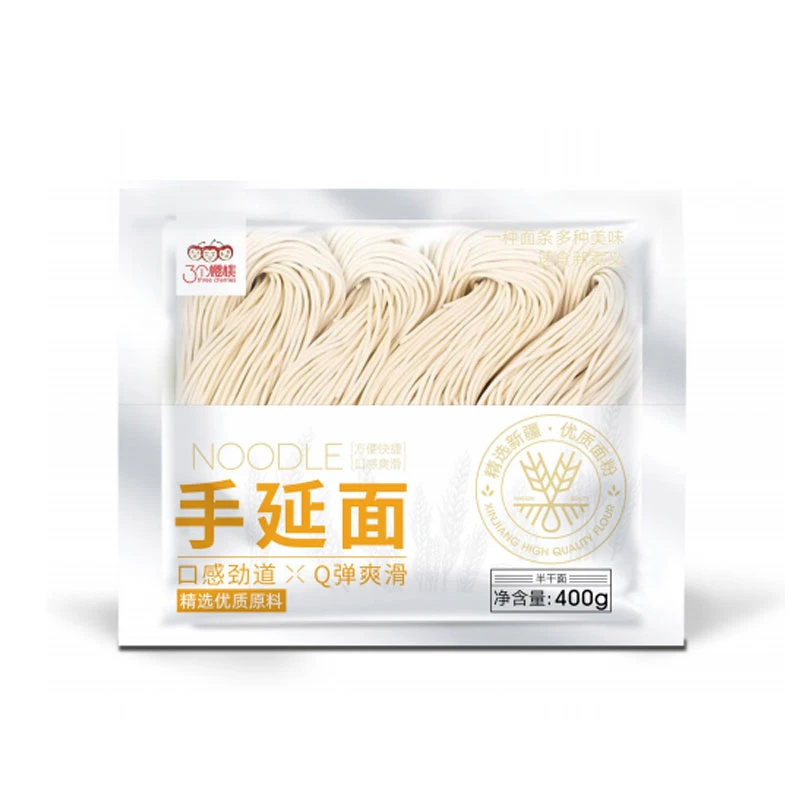

Reliable Udon Wholesale: Insights from Industrial Food Supply Experts
Exploring udon wholesale: A Veteran’s Take on Quality and Trends
Having spent a good chunk of my career working with industrial food supply chains, I’ve come to appreciate how seemingly simple products – like udon noodles – actually involve quite a bit of nuance. When you’re sourcing udon wholesale, the fundamentals go beyond just bulk pricing. You’re dealing with product design, material quality, supplier reliability, and stuff that only experience reveals. Oddly enough, it's not just about flour and water; the production process and vendor consistency heavily influence the end product’s texture and durability.
In real terms, wholesale udon is increasingly popular not just in Asian markets, but globally, as chefs and restaurants seek authentic, yet reliable sources. The basics remain – wheat flour, salt, water – but many suppliers these days fine-tune their recipes to optimize chewiness or cooking time, catering to varied culinary styles.
Frankly, one thing I noticed early on is that not all udon noodles are created equal when it comes to moisture content and thickness. A lot of manufacturers test their noodles rigorously for uniformity—after all, industrial kitchens demand consistency. Many engineers and quality managers will tell you that a noodle breaking mid-boil can be more than a minor annoyance; it can disrupt service flow.
Udon Wholesale Product Specifications
| Specification | Typical Value | Notes |
|---|---|---|
| Noodle Length | About 30 – 50 cm | Varies by supplier |
| Thickness | 2.0 – 3.5 mm | Affects chewiness |
| Moisture Content | 30% – 40% | Higher moisture aids soft texture |
| Shelf Life | Typically 6 months refrigerated | Depends on packaging |
| Primary Ingredients | Wheat flour, water, salt | Pure ingredients yield better noodles |
In my experience, a vendor that can provide transparent, consistent specs often means a smoother operation in the kitchen. One little anecdote: I worked with a caterer who switched to a wholesale supplier that guaranteed moisture content between 35-37%. The difference was palpable – less clumping, beautifully chewy noodles, and less waste. It felt like a small change with a surprisingly big impact on customer satisfaction.
Vendor Comparison: Key Aspects When Choosing Udon Wholesale Suppliers
| Feature | Supplier A | Supplier B | Supplier C |
|---|---|---|---|
| Consistent Thickness | Yes | Occasional Variance | Yes |
| Shelf Life | 6 months refrigerated | 4 months refrigerated | 5 months refrigerated |
| Packaging Options | Bulk & Retail | Retail Only | Bulk Only |
| Customization Ability | Yes (size, salt content) | No | Limited |
| Pricing Competitiveness | Mid-range | Low | High |
If you ask me, the thing that often seals the deal with a udon wholesale supplier is their willingness to listen. A supplier who understands your kitchen’s demands and can tweak production or packaging is worth a bit more cost—it’s the kind of relationship you build over years. I suppose for many businesses, it feels like swapping suppliers is risky, but odd as it sounds, a thoughtful shift can elevate quality without breaking the budget.
So, whether you’re updating your restaurant’s pantry or managing a frozen-food operation that demands stable and consistent noodles, supplier choice really matters. I recommend tapping into trusted sources and not being shy about asking detail questions—the finer points often make all the difference.
In summary, wholesale udon isn’t just about quantity—it’s an intersection of quality, consistency, and partnership. And if you’re hunting for a dependable supplier, I know a great place to start: udon wholesale vendors who truly get it.
References:
1. Industry quality standards for wheat noodles (FoodTech Journal, 2022)
2. Supplier case studies in Asian wholesale foods (Global Supply Review, 2023)
3. Texture and moisture control in noodles (Food Science Today, 2021)
-
Discover the Authentic Taste of Korean Buckwheat NoodlesNewsApr.16,2026
-
Discover the Refreshing Taste of Authentic Korean Cold SobaNewsApr.09,2026
-
Discover the Refreshing Taste of Korean Cold Buckwheat Noodles NaengmyeonNewsApr.07,2026
-
Discover the Cool and Refreshing World of Korean Buckwheat Noodles ColdNewsApr.04,2026
-
Discover the Refreshing Taste of Japanese Cold Buckwheat Noodles and Zaru SobaNewsMar.31,2026
-
Exploring the Delicious World of Chinese Style Cold NoodlesNewsMar.28,2026
-
Discover the Cool and Refreshing World of Korean Cold Soba NoodlesNewsMar.26,2026
Browse qua the following product new the we