
Buckwheat Noodle Gluten Free | Healthy, Sustainable, Globally Sourced Noodles
Why Buckwheat Noodle Gluten Free Matters More Than You Think
At first glance, buckwheat noodles might sound like just another trendy health food. But dig a little deeper, and the story broadens — it’s about global nutrition, sustainable agriculture, and accessible diets worldwide. The buckwheat noodle gluten free offering isn't just for celiacs or health nuts; it’s part of a bigger picture involving food security, cultural cuisine preservation, and economic growth in rural regions.
Understanding this niche product helps industries, consumers, and humanitarian groups make better decisions, from sourcing ingredients responsibly to addressing wheat allergies on a massive scale. Plus, it points toward what the future of food might taste like (spoiler: gluten-free doesn't have to mean flavor-free).
Setting the Scene: Buckwheat Noodle Gluten Free in the Global Food Landscape
Globally, wheat allergies and gluten intolerances affect millions (around 1% of the population with celiac disease, many more with sensitivity). Meanwhile, regions spanning Eastern Europe, Asia, and parts of the Americas have millennia-old traditions of buckwheat cultivation and consumption. The United Nations Food and Agriculture Organization (FAO) estimates buckwheat production at several million metric tons annually, highlighting its importance in diversified cropping systems.
But there’s a challenge: Many gluten-free alternatives fall short nutritionally or culinarily. Wheat’s unique properties allow noodles to be stretchy and chewy—qualities hard to replicate with gluten-free flours. Developing quality buckwheat noodle gluten free products bridges this gap, offering both nutrition and appealing textures to an underserved market — which, oddly enough, keeps growing rapidly.
So, What Exactly Are Buckwheat Noodle Gluten Free?
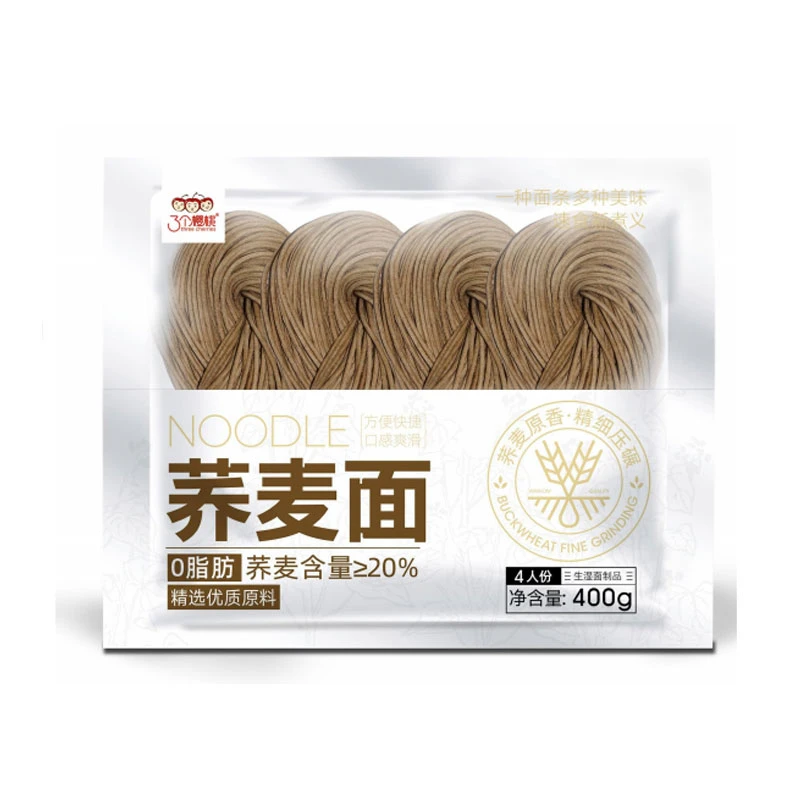
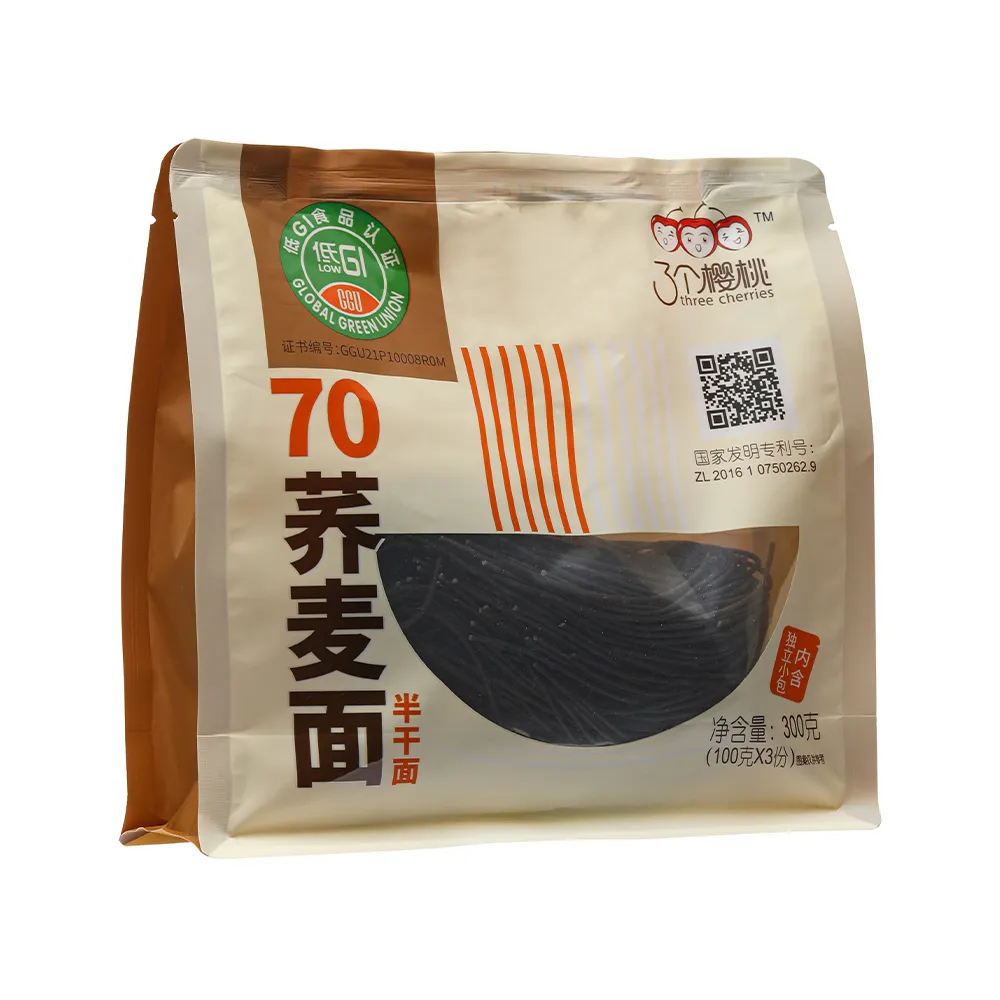
Simply put, buckwheat noodle gluten free are noodles made mostly or entirely from buckwheat flour, which contains no gluten protein—making it safe for people with wheat allergies or celiac disease. Unlike wheat noodles, these have a unique, nutty flavor and a firmer texture.
They are essential in industries producing gluten-free foods but also in humanitarian sectors aiming to improve food access where traditional wheat products aren’t feasible. Buckwheat grows well in poor soils and cooler climates, making it a sustainable crop choice in diverse geographies.
Beyond the kitchen, these noodles reflect broader themes of food innovation meeting real-world needs—from allergy-friendly dining in urban markets to emergency food supplies in remote areas.
Key Aspects of Quality Buckwheat Noodle Gluten Free
1. Ingredient Purity and Sourcing
It might sound obvious, but ensuring the buckwheat is uncontaminated by gluten-containing grains is a huge issue. Cross-contamination during farming, milling, or packaging can defeat the gluten-free claim. Vendors who maintain strict isolation practices win trust from consumers and certifiers alike.
2. Texture and Cooking Performance
Buckwheat noodles tend to crumble or become mushy if poorly made. Many producers blend buckwheat with tapioca or potato starch to enhance elasticity without adding gluten. Achieving that satisfying “al dente” bite is tricky but a game-changer for customer acceptance.
3. Nutritional Benefits
Buckwheat is high in fiber, manganese, and essential amino acids like lysine that cereals lack. Unlike some gluten-free options heavy on starch, buckwheat noodles are more balanced nutritionally—good news for health-conscious consumers and athletes alike.
4. Packaging and Shelf Life
Because buckwheat contains oils, freshness and packaging technology matter. Vacuum-sealed or nitrogen-flushed packaging helps preserve taste and prevent rancidity — critical if you’re shipping noodles internationally.
5. Compliance and Certification
ISO certification and gluten-free testing ensure product reliability, especially when selling in regulated markets like Europe or North America.
| Specification | Typical Value | Notes |
|---|---|---|
| Gluten Content | Meets most international gluten-free standards | |
| Protein | 12-15% | Higher than rice-based noodles |
| Shelf Life | 12-18 months | Vacuum packaging preferred |
| Cook Time | 3-4 minutes | Depends on noodle thickness |
How Buckwheat Noodle Gluten Free Finds Its Way Around the World
In Asia, buckwheat noodles are a traditional staple especially in Japan (soba), Korea, and parts of China — and have become increasingly popular in Western health food markets. Interestingly, Eastern European countries cultivate buckwheat for various uses including noodles.
On the humanitarian front, organizations like the World Food Programme have explored buckwheat as an emergency crop and nutrition-rich food source in mountainous or low-wheat regions, such as Nepal or parts of Central Asia.
Industrial food companies are now ramping up gluten-free buckwheat noodle production, responding to rising demand from consumers seeking allergy-safe or lower-carb options. Meanwhile, local farmers benefit from buckwheat's adaptability to less fertile soils, creating jobs and supporting rural economies.
Vendor Comparison: Who Leads in Buckwheat Noodle Gluten Free Production?
| Vendor | Gluten-Free Certification | Product Range | Export Regions | Sustainability Practices |
|---|---|---|---|---|
| JX Semi-Dry Noodles | Yes, ISO and GFCO | Various buckwheat blends & pure buckwheat | Asia, Europe, North America | Integrated crop traceability & eco-packaging |
| Kataoka Foods | Yes, GMP approved | Traditional soba and gluten-free lines | Japan, export to Europe | Organic farming partners |
| Green Buckwheat Co. | Pending | Pure buckwheat noodles only | Local only (Russia / CIS) | Small-scale farms, minimal processing |
Why Choose Buckwheat Noodles? The Advantages That Count
- Health-conscious choices: Naturally gluten-free plus rich in antioxidants and fiber.
- Sustainable farming: Thrives without heavy fertilizer or pesticides, good for soil health.
- Cultural authenticity: Maintains culinary heritage, especially in soba and other traditional dishes.
- Long-term value: Offers a stable crop and product diversity for farmers and manufacturers.
- Consumer trust: With correct certification and clear labeling, customers know what they’re eating.
On an emotional level, consumers appreciate these noodles for safety — particularly those with gluten intolerance who often feel excluded from normal dining or transactional food experiences. Trust builds when you have products that genuinely meet these needs.
Looking Ahead: Trends and Innovations in Buckwheat Noodle Gluten Free
The future? Expect more processing innovations to enhance texture and cooking speed. Automation is gaining ground in noodle extrusion tech, allowing greater consistency especially in gluten-free blends that can be tricky to manufacture.
On the ingredient front, biofortification and hybrid buckwheat strains promise higher yields and nutrient boosts, appealing to regions battling malnutrition issues. There’s also growing interest in pairing buckwheat noodles with plant-based protein sources for complete meals — convenient, nutritious, and sustainable.
Finally, packaging is evolving: More biodegradable films and minimal plastic designs are reducing waste, complementing buckwheat’s environmental benefits.
Challenges & Smart Solutions
One persistent problem is achieving uniform quality—buckwheat flour varies a lot between harvests, affecting noodle firmness and appearance. That’s why meticulous quality control and supplier audits are vital.
Another challenge: consumer perception. Some think buckwheat noodles taste “too earthy” or worry about price premiums. Creative marketing and recipe sharing (many brands do well with quick, tasty meals) help demystify the product.
Finally, the cost of gluten-free certification can be a barrier for smaller producers. Solutions include cooperative certifications or leveraging government support focused on agriculture innovation.
FAQ: Common Questions About Buckwheat Noodle Gluten Free
- Q: Are all buckwheat noodles automatically gluten free?
- A: Not necessarily. While buckwheat itself is gluten-free, some noodles mix in wheat flour for texture or cost reasons. Always check labels or certifications when buying.
- Q: How should buckwheat noodles be cooked to avoid mushiness?
- Cook in plenty of boiling water for 3-4 minutes, then rinse under cold water immediately to stop cooking. Avoid overcooking, which breaks down starches causing mushiness.
- Q: Can buckwheat noodles be stored long-term?
- Yes, if packaged properly. Vacuum or nitrogen flushing extends shelf life to about 12-18 months. Store in a cool, dry place away from direct sunlight.
- Q: Are buckwheat noodles nutritionally better than rice noodles?
- Generally yes! Buckwheat offers more protein, fiber, and minerals like manganese, providing a more balanced diet especially for gluten-free consumers.
- Q: How can businesses source reliable buckwheat noodle gluten free products internationally?
- Look for vendors with ISO and gluten-free certifications, clear supply chain traceability, and good export experience — like buckwheat noodle gluten free specialists who understand diverse markets.
Wrapping Up: Why Buckwheat Noodle Gluten Free Is Here To Stay
In a world chasing health trends and sustainable choices, the humble buckwheat noodle gluten free quietly ties tradition to innovation. It addresses dietary needs thoughtfully, supports rural economies, and carries a sustainability promise we just can’t ignore. For manufacturers, chefs, and consumers alike, it’s not just a pandemic fad but a lasting choice.
If you want to explore authentic, certified, and quality-controlled buckwheat noodle gluten free products, I suggest checking out our website for the freshest options.
Food for thought — literally. Sometimes the best answers come from the most unexpected foods.
References:
-
Discover the Authentic Taste of Korean Buckwheat NoodlesNewsApr.16,2026
-
Discover the Refreshing Taste of Authentic Korean Cold SobaNewsApr.09,2026
-
Discover the Refreshing Taste of Korean Cold Buckwheat Noodles NaengmyeonNewsApr.07,2026
-
Discover the Cool and Refreshing World of Korean Buckwheat Noodles ColdNewsApr.04,2026
-
Discover the Refreshing Taste of Japanese Cold Buckwheat Noodles and Zaru SobaNewsMar.31,2026
-
Exploring the Delicious World of Chinese Style Cold NoodlesNewsMar.28,2026
-
Discover the Cool and Refreshing World of Korean Cold Soba NoodlesNewsMar.26,2026
Browse qua the following product new the we