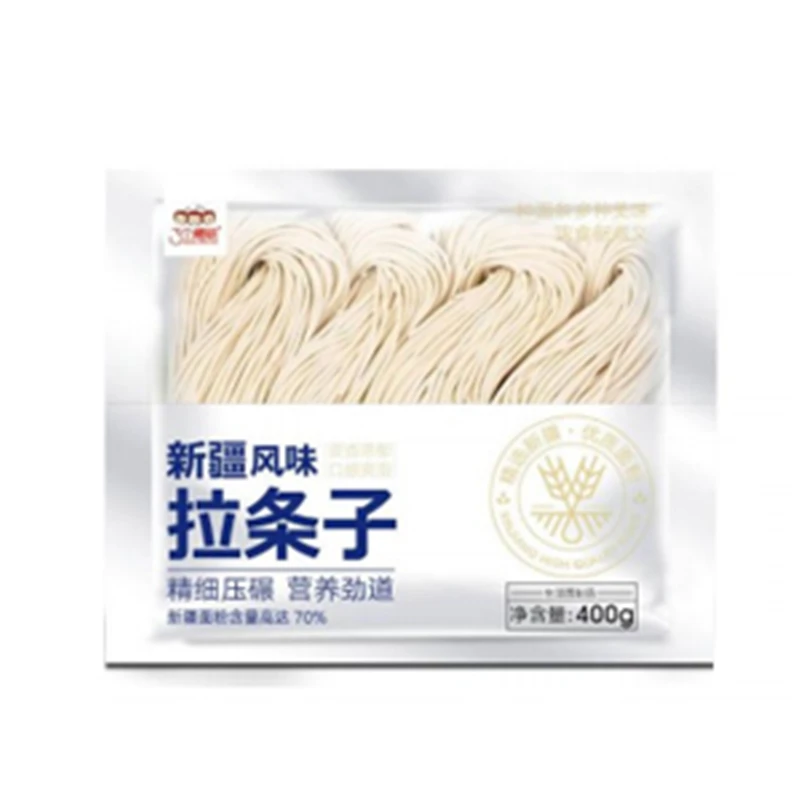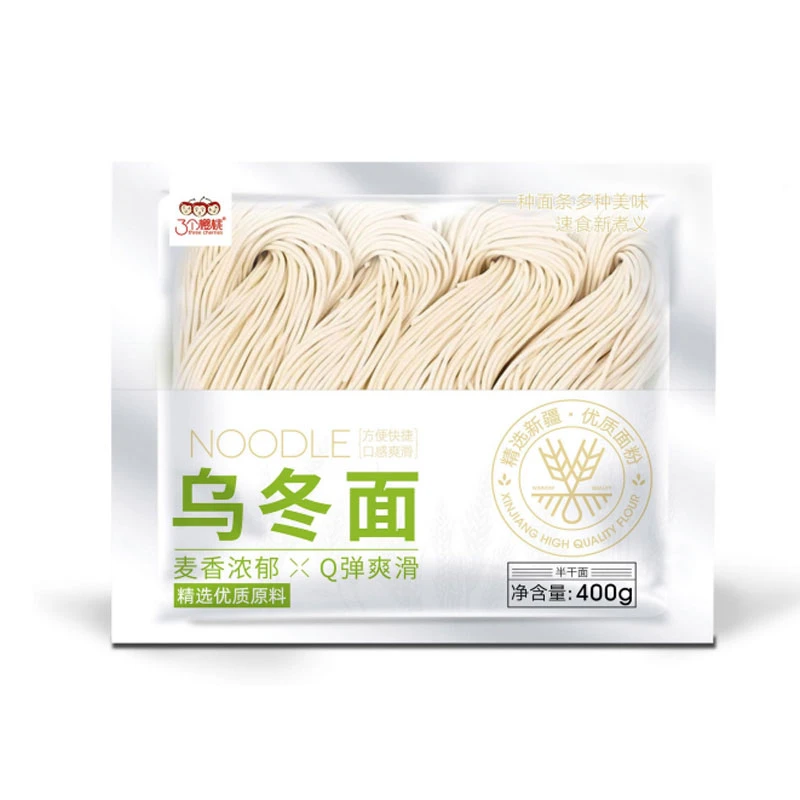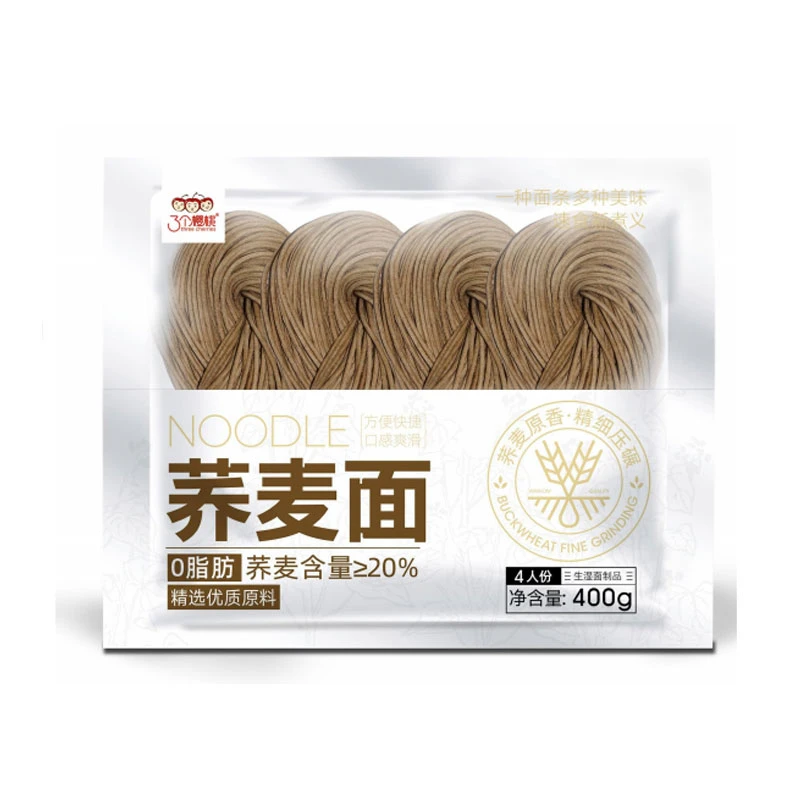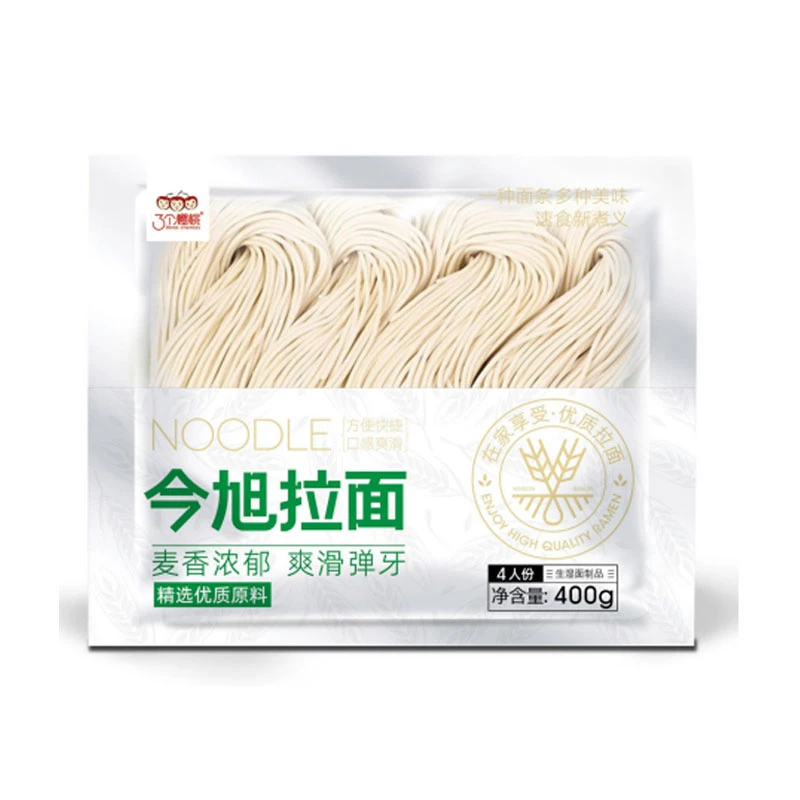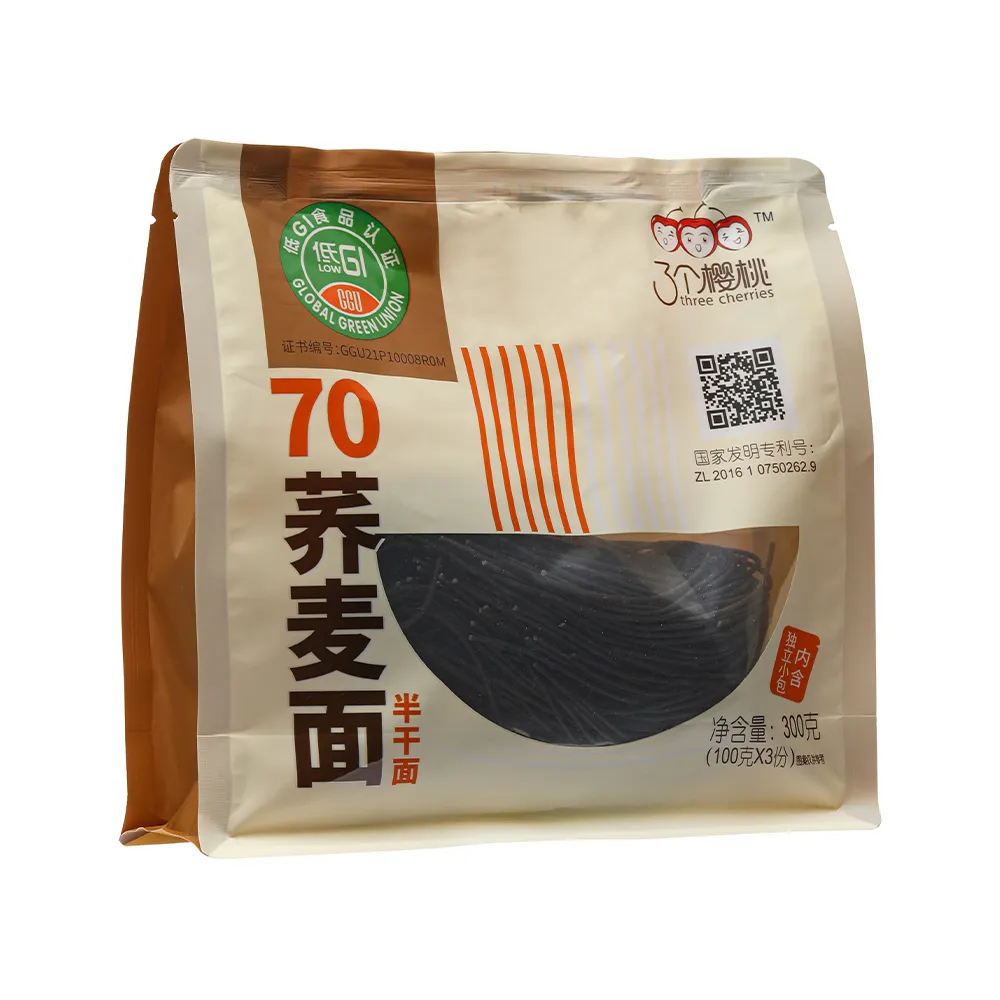

Low GI70 Soba – Slow-Release Energy, High-Fiber Noodles
Practical Guide to Low GI70 soba: specs, sourcing, and real-world use
I’ve toured more noodle plants than I care to admit, and this one from Oriental Food City, Longyao County, Xingtai, Hebei, stuck with me. Partly the aroma of toasted buckwheat; partly the data. The name raises eyebrows—GI≈70 isn’t “low” by strict clinical cutoffs—but the product team is going after a steadier blood sugar curve than conventional wheat noodles. In day-to-day dining, many customers say it simply “feels lighter.” To be honest, that user feedback matters on the plate.
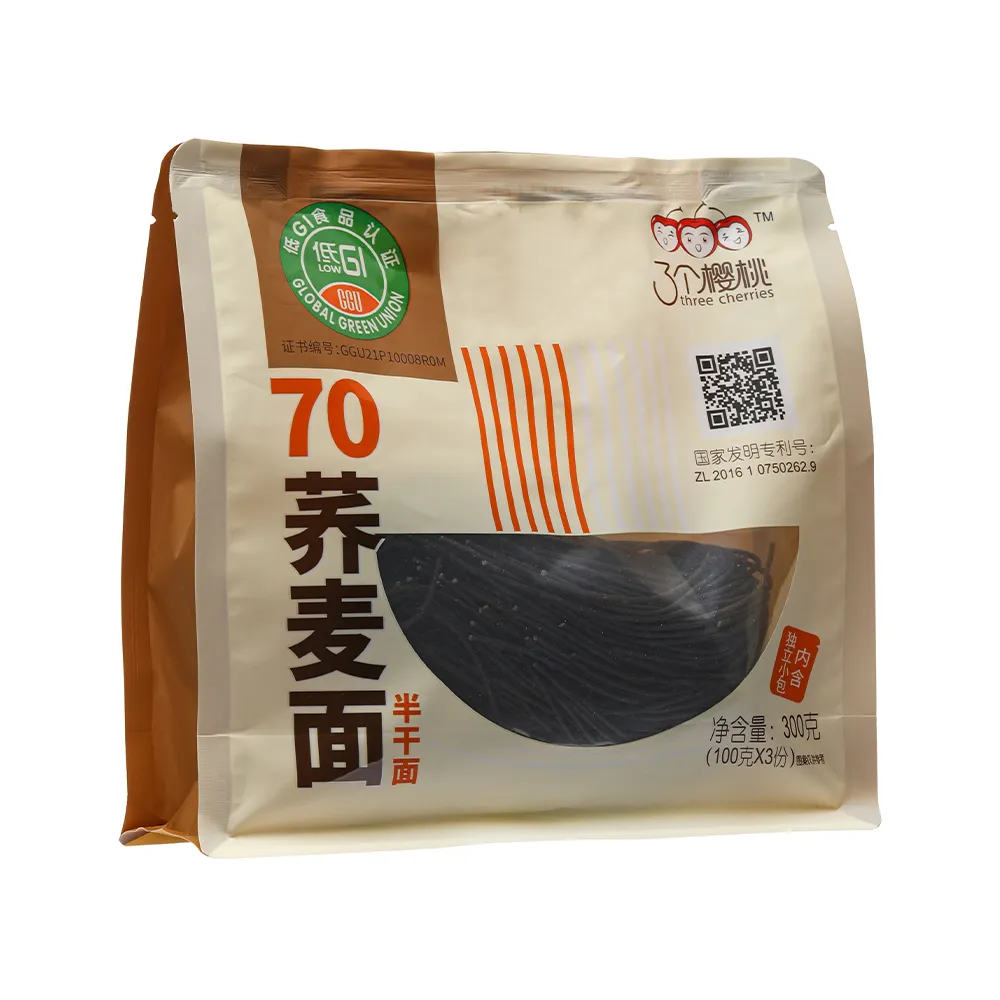
Product snapshot
| Item | Details (≈ real‑world values) |
|---|---|
| Name | Low GI70 soba |
| Net weight | 300 g per retail pack |
| Shelf life | ≈4 months at room temp; ≈8 months refrigerated (0–10°C) |
| Storage | Cool, dry place or 0–10°C |
| Origin | Oriental Food City, Longyao County, Xingtai City, Hebei Province |
| Cook time | 4–6 min to al dente (altitude, pot size may vary) |
| Indicative GI | ≈70 (ISO 26642 method; result ±5 depending on panel) |
| Quality metrics | Moisture ≤12%, cooking loss ≤7%, breakage ≤3% (typical lab lots) |
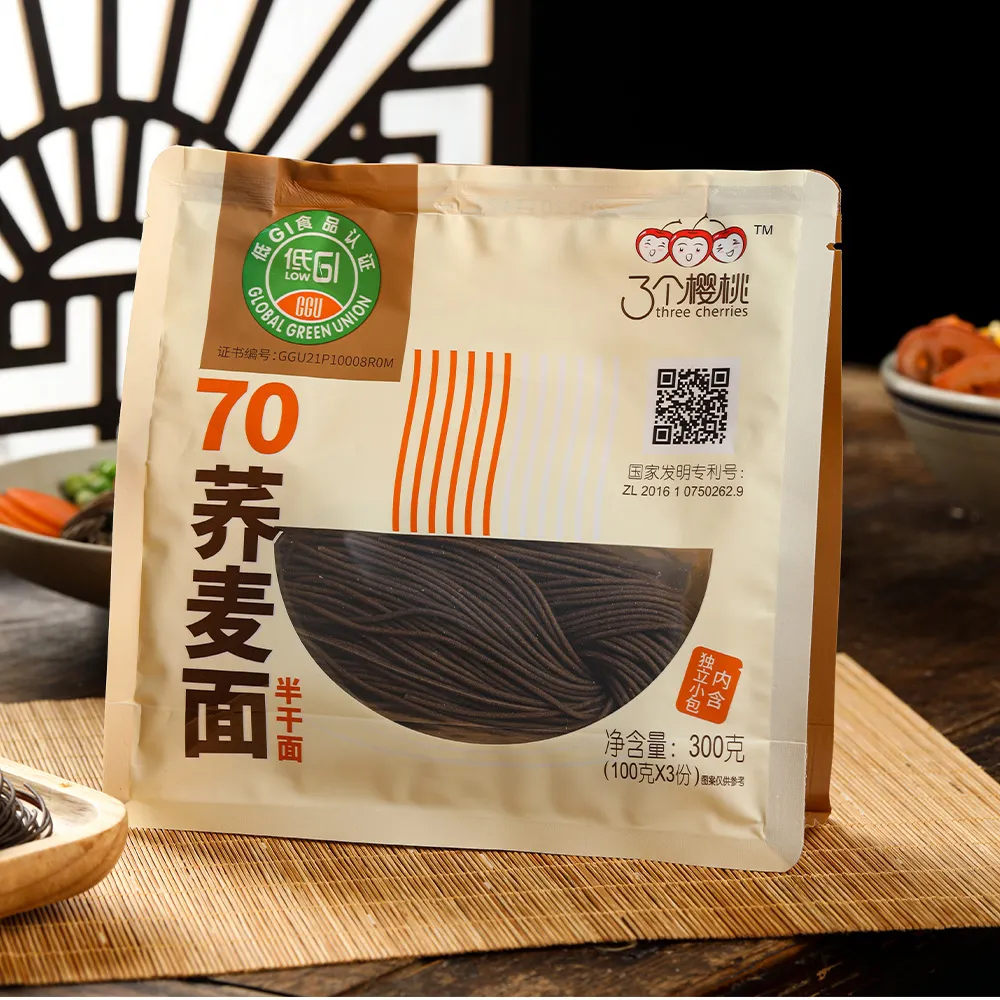
How it’s made (quick process flow)
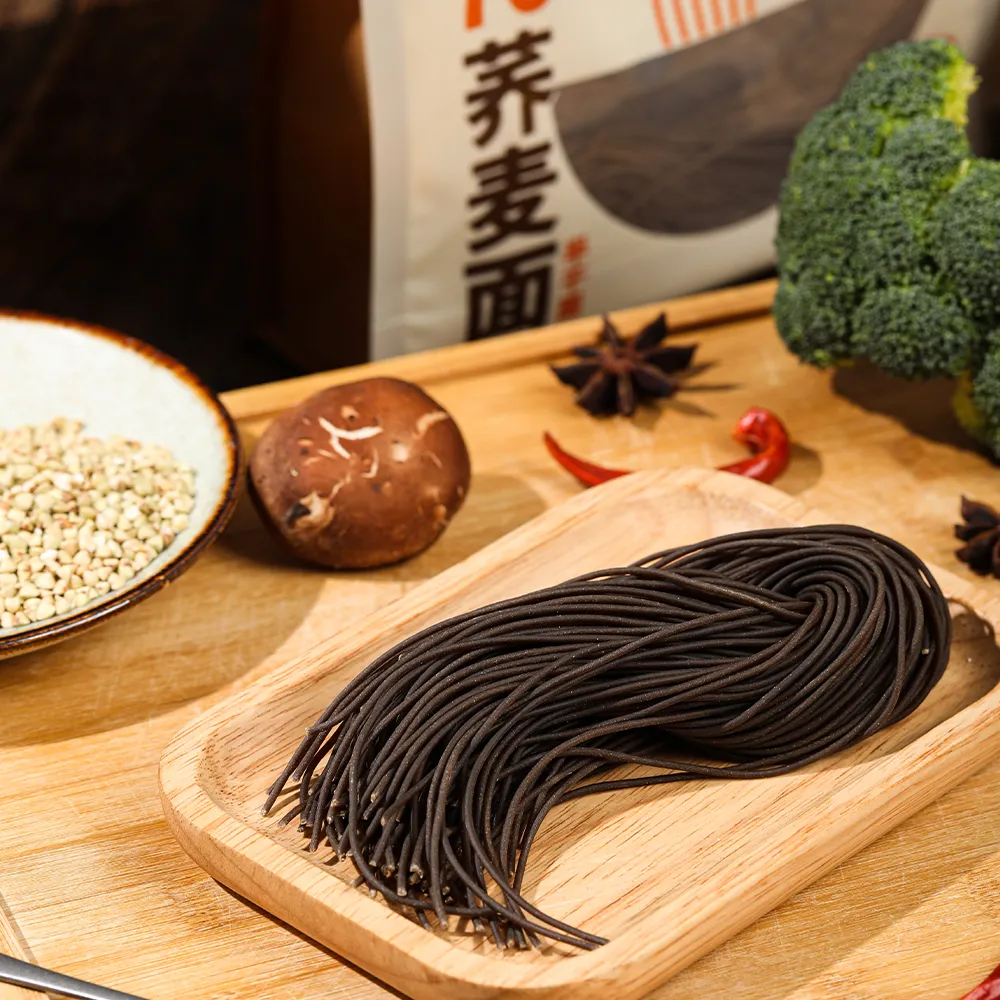
Materials: buckwheat flour blended with high‑protein wheat flour, potable water, a pinch of salt. No flashy additives—just controlled hydration.
Methods: semi‑dry mixing → low‑shear extrusion → strand forming → slow air‑drying at ≈28–35°C to target moisture → cutting and nesting → metal detection and pack-off.
Testing standards: GI measured per ISO 26642; food safety under HACCP and ISO 22000; aerobic plate count by ISO 4833‑1; label conformance per local GB/market rules. Cooking loss and texture via common noodle QA protocols (lab notes available on request).
Service life: stated 4 months ambient; 8 months with cold-chain. In real kitchens, chefs rotate stock every 8–10 weeks—safer for texture.
Where it shines
- Better-for-you lunch bowls and bento programs
- Meal‑prep kits seeking steadier carb release (as claimed by users)
- Workplace cafeterias and hospital menus—where consistency matters
- Retail private label lines wanting a “GI‑aware” option
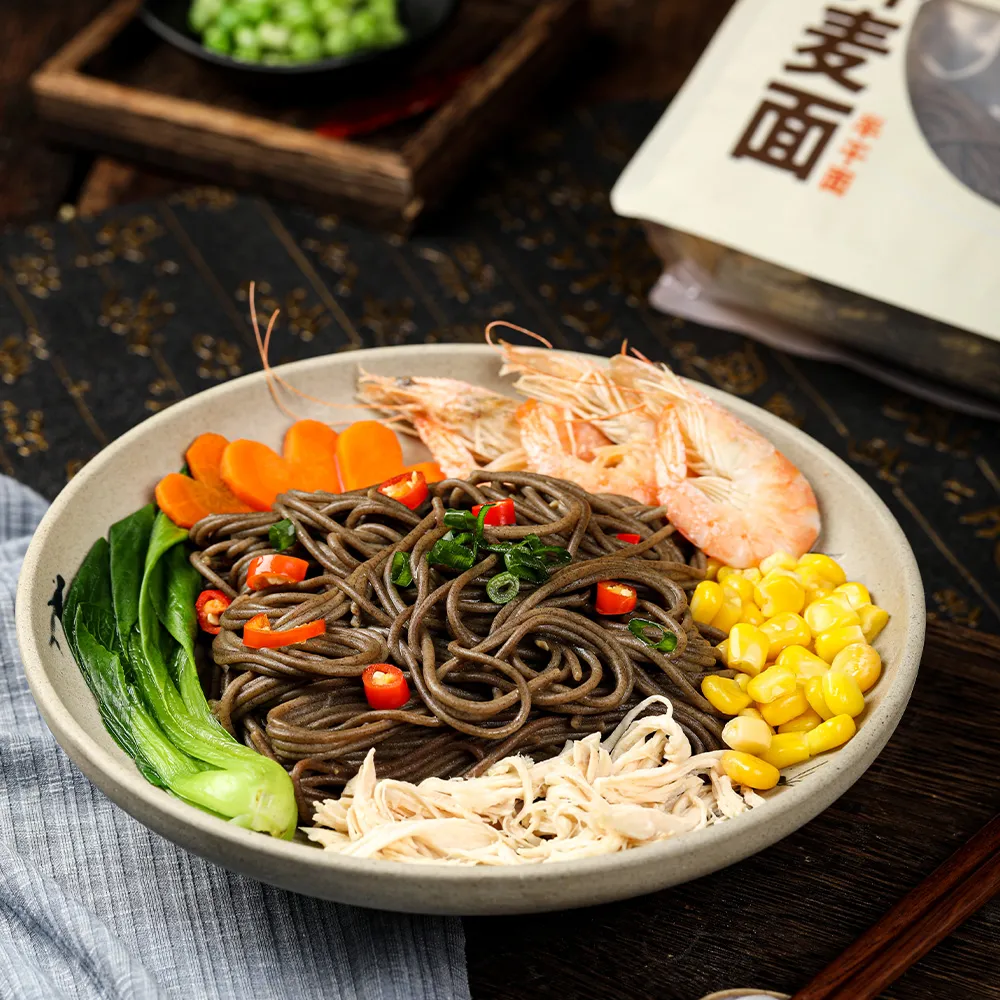
Advantages? Texture holds under light sauce, minimal mush after 20–30 minutes on pass, and—surprisingly—nice toastiness when chilled and dressed. Chefs told me they get fewer “post‑pasta slump” comments. That’s anecdotal, sure, but it tracks.
Vendor landscape (quick compare)
| Vendor | Certs | Lead time | MOQ | Notes |
|---|---|---|---|---|
| Factory brand (Low GI70 soba) | ISO 22000, HACCP (docs on file) | ≈15–25 days | ≈1,200 packs | GI lab report available; flavor tweaks possible |
| Generic importer | Varies | Stock-dependent | Low | May lack GI documentation |
| Local artisanal | Small-batch | Short | Very low | Great flavor; limited volume |
Customization and compliance
Options include buckwheat ratio bands (e.g., 50–80%), noodle thickness profiles, and private‑label packaging. For exporters, the plant can align labels to EU/US formats and attach ISO 26642 GI test summaries.
Field notes: two quick case studies
- East China café group swapped into Low GI70 soba for cold bowls; reported 12% drop in plate returns and steadier texture during lunch rush (≈6 weeks tracked).
- EU sports‑nutrition distributor launched a co‑branded line; first reorder came at week 9, sell‑through aided by GI documentation. Real‑world GI perception varies, of course.
Final thoughts
If you want a buckwheat-forward noodle with documented process control, Low GI70 soba is a pragmatic pick. It won’t replace medical advice (obviously), but the balance of texture, sourcing transparency, and testable claims is solid.
Authoritative references
- ISO 26642:2010—Food products—Determination of the glycaemic index and recommendation for food classification.
- Codex Alimentarius, CAC/RCP 1-1969 (Rev. 2020)—General Principles of Food Hygiene, HACCP Annex.
- ISO 22000:2018—Food safety management systems—Requirements for any organization in the food chain.
- ISO 4833‑1:2013—Microbiology of the food chain—Aerobic colony count at 30°C—Part 1: Colony count technique.
-
Discover the Authentic Taste of Korean Buckwheat NoodlesNewsApr.16,2026
-
Discover the Refreshing Taste of Authentic Korean Cold SobaNewsApr.09,2026
-
Discover the Refreshing Taste of Korean Cold Buckwheat Noodles NaengmyeonNewsApr.07,2026
-
Discover the Cool and Refreshing World of Korean Buckwheat Noodles ColdNewsApr.04,2026
-
Discover the Refreshing Taste of Japanese Cold Buckwheat Noodles and Zaru SobaNewsMar.31,2026
-
Exploring the Delicious World of Chinese Style Cold NoodlesNewsMar.28,2026
-
Discover the Cool and Refreshing World of Korean Cold Soba NoodlesNewsMar.26,2026
Browse qua the following product new the we