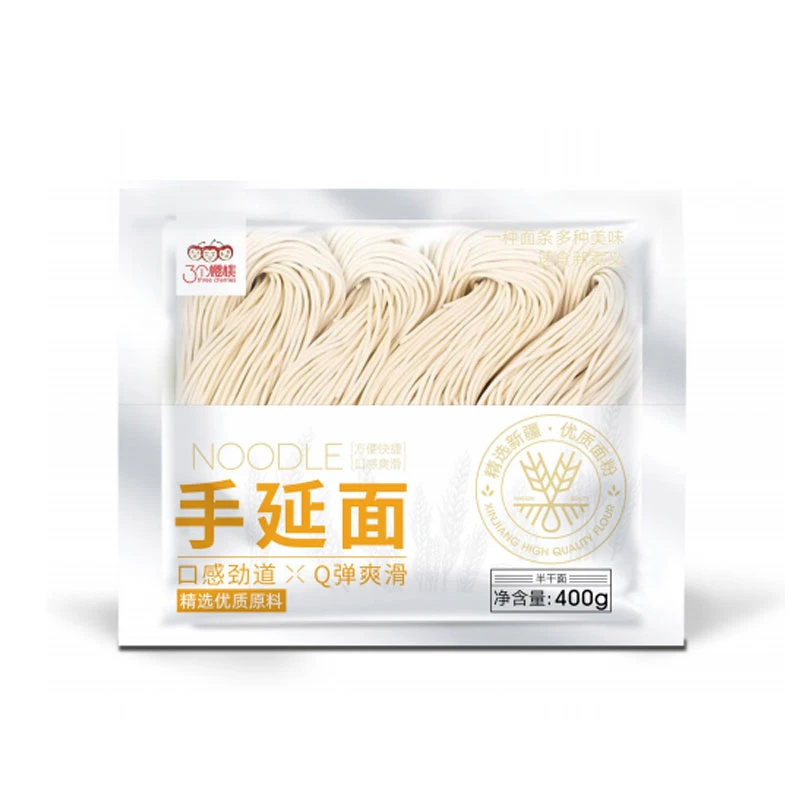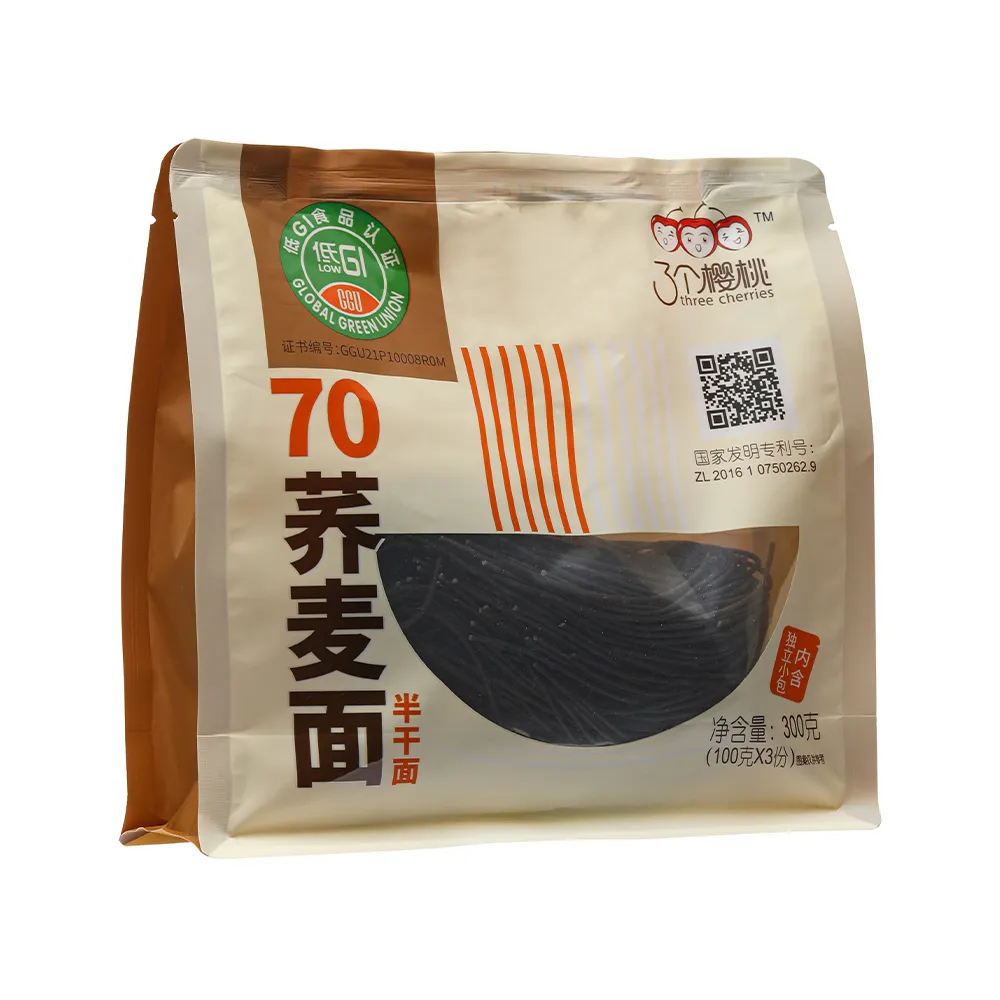

Instant Noodles for Diabetes – Healthy, Convenient Meal Solutions Worldwide
Understanding Instant Noodles for Diabetes: Why It Matters Globally
Instant noodles have long been a staple for quick, convenient meals worldwide. But when we talk about instant noodles for diabetes, we're diving into a niche yet growing segment designed to address a critical health challenge affecting hundreds of millions. Diabetes, a chronic condition characterized by impaired blood sugar regulation, demands diet-conscious options that don’t sacrifice flavor or convenience. Globally, people are seeking instant noodles formulated to fit diabetic nutritional needs—lower glycemic impact, balanced macros, and thoughtfully sourced ingredients.
Why does this matter? Around the world, especially in fast-paced, urban settings, adults increasingly rely on quick meals yet struggle to maintain healthy blood sugar control. Instant noodles tailored to this demographic offer a practical solution bridging ease and health. Understanding this product niche better opens doors to improved global health outcomes and empowers manufacturers to innovate responsibly.
Global Context: The Growing Gap Instant Noodles for Diabetes Aim to Fill
The diabetes epidemic is staggering. According to the International Diabetes Federation, nearly 537 million adults worldwide were living with diabetes in 2021, a number expected to rise sharply by 2030 (1). Meanwhile, the instant noodle market — valued at over $40 billion globally — continues to expand, particularly in Asia, Africa, and Latin America, where rapid urbanization collides with evolving dietary patterns (2).
Here’s the snag: standard instant noodles often come loaded with simple carbs, high sodium, and minimal fiber, which exacerbate glycemic spikes. This creates a pressing demand for instant noodles for diabetes that carefully balance nutrition without compromising convenience or cultural preferences. It's a challenge that intersects food technology, public health, and consumer trends.
Despite advances, a gap persists between available products and what diabetic consumers genuinely need. Bridging this gap globally not only supports personal health but also relieves public health systems burdened by diabetes complications.
What Exactly Are Instant Noodles for Diabetes?
Simply put, these are instant noodle products formulated specifically to be suitable for people with diabetes. Unlike typical instant noodles, they boast a nutritional profile aimed at stabilizing blood sugar levels after consumption. This usually means lower glycemic index (GI) ingredients, higher fiber, controlled fat content, and reduced sodium.
Instant noodles for diabetes often contain whole grains, legume flours, or specialty fibers. Manufacturers might also enrich them with vitamins, minerals, or natural blood glucose modulators. The goal? To create a product that fits seamlessly into diabetic meal plans while offering the ease and taste people expect. They’re not just a functional food; they're a subtle nod to inclusivity in the fast-food market.
Core Aspects of Instant Noodles for Diabetes
1. Glycemic Index & Nutritional Balance
The key difference lies in ingredients that lower the glycemic index and improve blood sugar response. Think more fiber, protein, and complex carbs and less simple starches. This shift helps prevent the rapid blood sugar spikes common with regular noodles.
2. Ingredient Quality and Source
Many brands opt for non-refined flours like brown rice, millet, or chickpea flour. These naturally offer better micronutrients, fiber, and a slower digestion rate. Clean labels—without artificial additives or excess preservatives—also appeal to health-conscious consumers.
3. Taste & Texture Innovations
One challenge has been creating instant noodles that don't feel "diet" or artificially modified. Advances in extrusion technology and natural flavor enhancers are crucial to delivering textures and mouthfeel familiar and satisfying to traditional instant noodle lovers.
4. Portion Control & Packaging
Smart packaging comes into play to help consumers manage portion sizes, which also impacts glycemic management. Smaller portions often mean better blood sugar control and reduce calorie overshoot, important for those balancing diabetes and weight.
5. Cost Efficiency & Accessibility
Diabetes is prevalent worldwide, including low- and middle-income countries. For instant noodles to provide real benefit, they must be affordable and accessible across regions with varying purchasing power, without compromising quality.
6. Shelf Life & Storage
Like all instant noodles, a long shelf life is vital for distribution and consumer convenience. Using natural preservatives and clever packaging helps ensure product safety, especially in tropical climates or regions with inconsistent refrigeration.
Instant Noodles for Diabetes: Real-World Applications
The practical footprint of diabetic-friendly instant noodles is widening fast, not just in urban supermarkets but also in humanitarian aid, workplace wellness, and school nutrition programs.
- Post-disaster relief efforts: Providing nutritionally balanced, easy-to-prepare options supports vulnerable diabetic populations amid chaos.
- Remote industrial zones: Workers depend on fast meals. Diabetic-friendly noodles reduce health risks while maintaining productivity.
- Emerging urban markets: Fast-paced lifestyles meet chronic disease care — diabetic instant noodles fit perfectly.
- Corporate and government wellness initiatives: Companies supplying diabetes-conscious options benefit employee health and reduce healthcare costs.
Oddly enough, this product niche straddles food science, public health policy, and market economics more than many expect.
A Quick Look at Product Specs
| Specification | Typical Value | Benefit to Diabetics |
|---|---|---|
| Glycemic Index (GI) | 40–50 (Low) | Slower glucose absorption, stable blood sugar |
| Dietary Fiber | 5–8 g / serving | Improves digestion, glycemic control |
| Sodium Content | Supports cardiovascular health | |
| Protein | 7–10 g / serving | Satiety, balanced nutrient intake |
| Shelf Life | 6–12 months | Convenient long-term storage |
Vendor Comparison: Finding Your Best Instant Noodles for Diabetes Supplier
| Supplier | Ingredient Quality | Innovation Level | Price Range | Distribution Reach |
|---|---|---|---|---|
| Healthy Noodles Inc. | Organic, wholegrain bases | High (fiber tech) | $$$ | Global (Asia, EU, NA) |
| DiaNoodles Ltd. | Fortified with inulin & protein | Medium (flavor blends) | $$ | Emerging markets |
| GlucoseSafe Foods | Legume base noodles | High (custom GI formula) | $$$ | Specialty & online only |
Why Choose Instant Noodles for Diabetes? Advantages & Lasting Impact
Choosing instant noodles tailored for diabetics goes beyond just a meal choice. It’s about safety, dignity, and enabling normalcy in lives touched by chronic illness. The benefits aren’t just theoretical:
- Cost-effectiveness: Compared to fresh diabetic meals, instant noodles are budget-friendly—essential for low-income groups.
- Sustainability: Longer shelf life means reduced food waste, and many brands now emphasize eco-friendly packaging.
- Trust & reliability: Standardized nutrition helps consumers take the guesswork out of meal prepping.
- Social impact: Fostering inclusivity by providing convenient, tasty options combats stigma around dietary restrictions.
Frankly, it feels like a small food revolution happening. Who would've thought noodles could carry such weight.
Looking Ahead: Future Trends in Instant Noodles for Diabetes
The future is pretty exciting here. We’re talking about:
- Personalized nutrition: Imagine using apps and AI to recommend noodle variations based on real-time glucose monitoring.
- Green energy in production: Sustainable factories reducing carbon footprints.
- Novel ingredients: Seaweed fibers, resistant starches, and plant proteins emerging.
- Automation: Cutting-edge extrusion and drying techniques enhancing texture without additives.
These innovations point to a future where diabetic-friendly instant noodles are as diverse and dynamic as the communities they serve.
Challenges & How the Industry is Tackling Them
It's not all smooth sailing. Challenges include:
- Balancing taste and nutrition: Too often health-oriented products sacrifice flavor—and nobody wants that.
- Affordability without quality loss: Making sure the product stays accessible globally.
- Education & awareness: Diabetic consumers need guidance to choose these products confidently.
Solutions? Companies are working with dietitians, investing in R&D for natural flavor boosters, and launching educational campaigns. Partnerships with healthcare providers also build trust and expand reach, which is crucial.
FAQ: Instant Noodles for Diabetes
- Q: Are instant noodles for diabetes actually healthier than regular noodles?
- A: Yes, typically they have a lower glycemic index, more fiber, and controlled sodium, all designed to support blood sugar stability. But it’s still important to check ingredient lists and serving sizes.
- Q: Can I eat instant noodles for diabetes daily?
- A: Moderation is key. While these noodles are better tailored for diabetes, they should be part of a balanced diet including plenty of fresh vegetables and proteins.
- Q: Where can I buy these noodles?
- A: Many specialty health stores, online retailers, and some supermarkets now stock diabetic-friendly instant noodles. You might also find options on instant noodles for diabetes portals.
- Q: Are these noodles suitable for all types of diabetes?
- A: Generally yes, but individual carbohydrate tolerance varies. It’s best to consult a healthcare professional for personalized advice.
- Q: How do manufacturers keep the noodles shelf-stable without harmful preservatives?
- A: Many use airtight packaging, natural antioxidants, or vacuum drying methods that maintain freshness safely.
Wrapping Up: Why The Future of Instant Noodles for Diabetes Looks Bright
In real terms, instant noodles for diabetes represent a meaningful evolution in how we approach convenience food for chronic illness management. They blend innovation, accessibility, and care—offering millions a chance at easier, tastier, and safer meal options. If you're curious to explore these products, or consider supplying them in your market, now's a great time. Visit instant noodles for diabetes to learn more and take part in this quietly revolutionary food trend.
Mini Takeaway
Instant noodles, a product once dismissed as empty calories, are being reshaped into genuine allies for those managing diabetes — bridging taste, convenience, and health on a global scale.
References
- International Diabetes Federation. IDF Diabetes Atlas, 10th Edition. 2021.
- World Instant Noodles Association, Global Instant Noodle Market Report, 2023.
- Glycemic Index Foundation (Australia), GI Concept Overview.
-
Discover the Authentic Taste of Korean Buckwheat NoodlesNewsApr.16,2026
-
Discover the Refreshing Taste of Authentic Korean Cold SobaNewsApr.09,2026
-
Discover the Refreshing Taste of Korean Cold Buckwheat Noodles NaengmyeonNewsApr.07,2026
-
Discover the Cool and Refreshing World of Korean Buckwheat Noodles ColdNewsApr.04,2026
-
Discover the Refreshing Taste of Japanese Cold Buckwheat Noodles and Zaru SobaNewsMar.31,2026
-
Exploring the Delicious World of Chinese Style Cold NoodlesNewsMar.28,2026
-
Discover the Cool and Refreshing World of Korean Cold Soba NoodlesNewsMar.26,2026
Browse qua the following product new the we