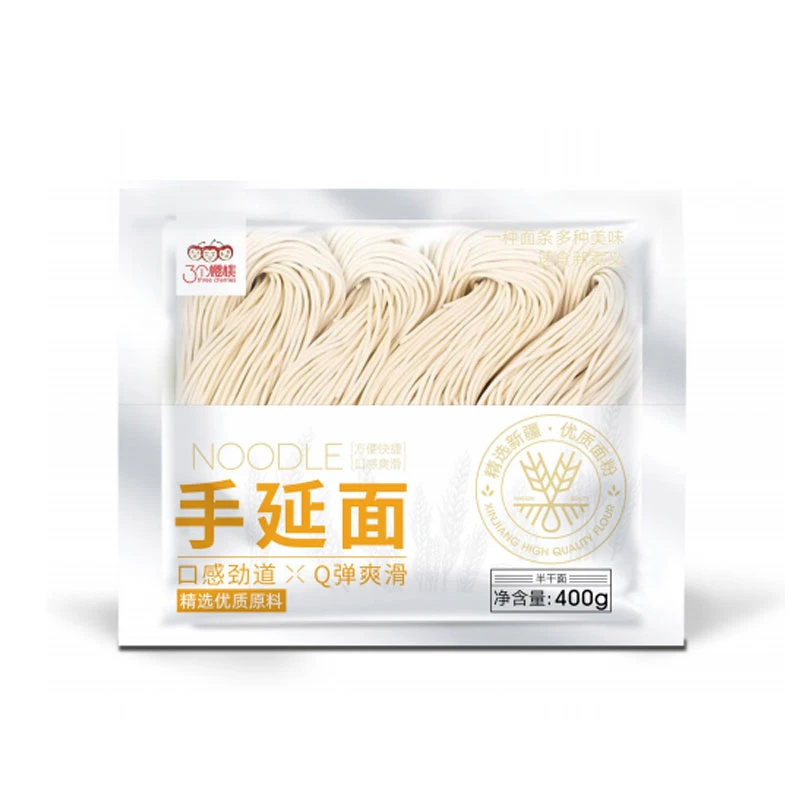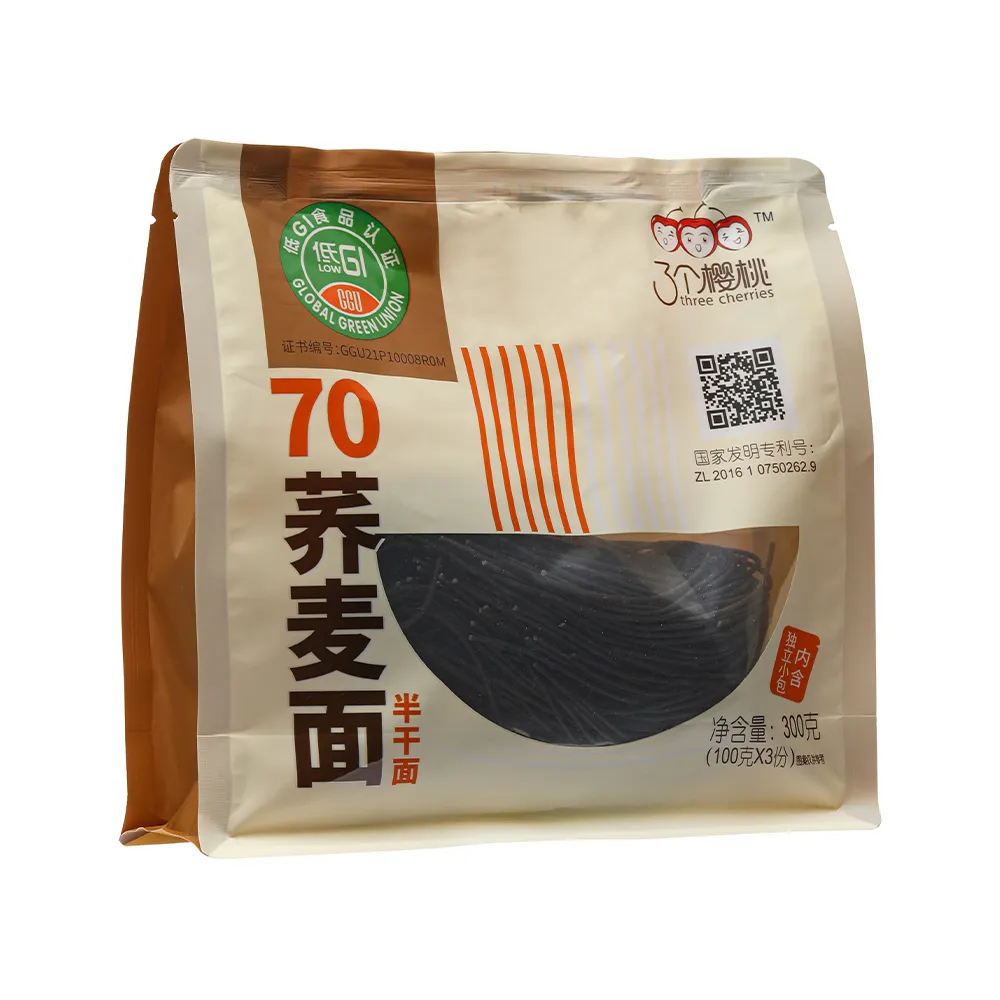

Premium Konjac Instant Noodles – Healthy, Low-Calorie, and Sustainable
Understanding Konjac Instant Noodles: A Global Trend in Healthy Convenience
Konjac instant noodles have gradually carved a unique spot on the global food map—not just because they cater to a niche health-conscious demographic, but also because they resonate with broader sustainability and nutrition goals worldwide. These noodles, made from the konjac plant—a tuber native to Asia—offer a fascinating alternative to traditional instant noodles. Their appeal runs deeper than just taste or convenience; they symbolize a shift towards functional foods that support well-being while addressing global dietary and environmental challenges.
Why does this matter globally? With the World Health Organization citing increasing rates of obesity and diabetes, especially linked to high-carb processed foods, healthier alternatives are crucial. Plus, the demand for sustainable, low-calorie, plant-based options has surged in recent years. In that light, konjac instant noodles represent more than just a quick meal—they signify progress in food tech and health trends combined.
The Worldwide Rise of Konjac Instant Noodles
The konjac plant has been consumed for centuries, particularly in East Asian countries like Japan, Korea, and China. But its transformation into instant noodles is a much newer phenomenon that responds to modern lifestyles—busy, health-aware, and eco-conscious.
According to a report by the Food and Agriculture Organization (FAO), global plant-based food markets have grown by over 12% annually in the past five years. Konjac-based products ride this wave, offering zero or ultra-low calorie noodles rich in glucomannan fiber—a dietary fiber proven to aid digestion and regulate blood sugar. Beyond health, these noodles also reduce agricultural strain compared to wheat or rice-based noodle production, making them a modest win for sustainability.
Yet, one challenge stands out: convincing consumers to swap their familiar carb-heavy ramen or pasta for something so different. That's exactly where konjac instant noodles add value, offering a familiar convenience with transformative health benefits.
What Exactly Are Konjac Instant Noodles?
Simply put, konjac instant noodles are pre-packaged noodles made primarily from konjac flour—a powder derived from the konjac tuber's starch. When combined with water and sometimes other ingredients like seaweed or seasonings, the mix forms noodles that mimic traditional pasta but with nearly zero calories and a high fiber content.
This unique profile means konjac instant noodles fit well into mainstream and niche markets—from athletes seeking low-carb options to individuals managing chronic conditions like diabetes or obesity.
Interestingly, the production process reflects a crossover of traditional food knowledge with industrial convenience. It serves humanitarian aims as well, by providing shelf-stable, nutritious options that can be shipped and stored easily for disaster relief or remote locations.
Key Features and Components of Konjac Instant Noodles
1. High Dietary Fiber Content
The glucomannan fiber in konjac is renowned for its water-absorbing properties, expanding inside the stomach to promote satiety and support digestive health.
2. Low-Calorie & Carbohydrate Profile
Unlike wheat noodles, konjac noodles contain almost no digestible carbohydrates or fats, making them popular among keto, low-carb, and calorie-counting consumers.
3. Gluten-Free & Allergen Friendly
This makes konjac instant noodles suitable for people with celiac disease or gluten sensitivities.
4. Long Shelf Life & Portability
Thanks to careful dehydration and packaging technologies, these noodles often last several months unopened—ideal for emergency kits and single-serve convenience.
5. Eco-friendly Cultivation
Konjac plants typically require less water and pesticides than wheat or rice, reducing environmental impact during farming.
Mini Summary
Konjac instant noodles bring an impressive mix of health benefits, environmental advantages, and modern convenience wrapped in a single product. That alone is enough to spark interest but wait until you see where they’re used worldwide.
Global Applications & Use Cases for Konjac Instant Noodles
You might figure these noodles live mostly in health food stores or specialty aisles. While true to an extent, their usage spreads to diverse real-world scenarios:
- Post-disaster relief and humanitarian aid: Lightweight, nutrient-dense, and easy to store, konjac instant noodles serve as emergency nutrition in earthquake or flood zones. Organizations like the Red Cross have experimented with incorporating them in aid packages.
- Remote industrial work camps: In far-off mining or oil exploitation zones, refrigeration is limited. Konjac noodles supply a convenient hot meal without spoilage.
- Weight management programs: Clinics in North America and Europe often recommend konjac noodles as part of low-calorie diet plans.
- Sports nutrition: Athletes and trainers appreciate their low glycemic index and bulky fiber, aiding in energy management.
Countries like Japan, South Korea, and parts of Southeast Asia dominate production and consumption, but interest is growing in Western markets and developing nations alike, thanks to global supply chains and expanding e-commerce platforms.
Advantages and Long-Term Value of Choosing Konjac Instant Noodles
There’s a tangible, even emotional appeal involved here. Let's dig into that juicy mix of logic and feeling:
- Sustainability: Lower environmental footprint compared to traditional wheat or rice noodles.
- Health impact: Supports digestion, weight control, and blood sugar regulation.
- Reliability: Product shelf stability means fewer worries about spoilage.
- Accessibility: Non-perishable nature makes it easily transportable worldwide.
- Dignity and trust: Provides a wholesome, satisfying meal rather than just "survival" food.
When you think about food beyond just calories—considering environmental and personal health impact—konjac instant noodles tick many vital boxes.
Product Specifications at a Glance
| Specification | Detail |
|---|---|
| Main Ingredient | Konjac Flour (80-95%) |
| Calories per 100g (dry) | 10–20 kcal |
| Shelf Life | 12-18 months |
| Gluten Content | Gluten-Free |
| Preparation Time | 3-5 minutes |
Vendor Comparison: Choosing the Right Konjac Instant Noodle Supplier
| Vendor | Price per Kg | Organic Certification | Minimum Order Qty. | Shipping Region |
|---|---|---|---|---|
| JX SemiDry Noodles Co. | $4.80 | Yes | 500 kg | Global |
| NatureKonjac Ltd. | $5.20 | No | 300 kg | Asia Only |
| GreenFiber Foods | $5.50 | Yes | 1000 kg | Europe, North America |
Future Trends & Innovations in Konjac Instant Noodles
Looking ahead, konjac instant noodles are not static—not by a long shot. Innovations around this space include:
- Flavor enhancement tech: Using natural extracts and fermentation processes to improve taste and mouthfeel.
- Packaging improvements: Introducing biodegradable wraps and AI-optimized packaging to extend shelf life further while reducing plastics.
- Integration with smart kitchens: Instant noodles with QR codes linking to nutrition trackers and recipes.
- Experimental blends: Combining konjac flour with other plant proteins to enrich nutritional profiles.
It’s a hotbed of innovation, fueled partly by environmental awareness and partly by the fresh consumer demand for healthier, personalized food options.
Challenges and Smart Solutions in Konjac Instant Noodle Production
Despite obvious perks, konjac instant noodles face hurdles. Chief among them is the texture and flavor, which can be off-putting to those used to regular pasta. They can be perceived as oddly chewy or bland.
Manufacturers counter these issues by fine-tuning the hydrocolloid balance and incorporating natural flavorings like seaweed and mushroom extracts. Also, consumer education and recipe integration help people acclimate to new textures.
On supply chain fronts, scaling sustainable konjac cultivation remains a challenge due to regional farming limitations. However, investments in vertical farming and organic practices are promising solutions.
FAQs About Konjac Instant Noodles
Q1: Are konjac instant noodles safe for people with diabetes?
A1: Absolutely. Because they feature glucomannan fiber which slows sugar absorption, konjac noodles have a low glycemic index, making them a good option for blood sugar management.
Q2: How do konjac noodles compare to traditional noodles in taste and texture?
A2: They have a different texture—more gelatinous and chewy. Flavor-wise, they are neutral or slightly earthy, so seasoning and broth play crucial roles in making them delicious.
Q3: Can konjac instant noodles be part of a weight loss diet?
A3: Yes, their low calorie and high fiber content help create fullness with minimal calories, making them a popular choice in weight management.
Q4: Are these noodles environmentally friendly?
A4: Compared to wheat or rice noodles, konjac noodles have a smaller water footprint and require fewer pesticides, contributing to a greener food system.
Q5: How should I store konjac instant noodles?
A5: Keep them in a cool, dry place away from direct sunlight. Most sealed packages keep well for over a year.
Conclusion: Why Konjac Instant Noodles Deserve a Spot in Your Pantry
In real terms, konjac instant noodles offer a curious blend of tradition and innovation. They manage to tackle pressing global issues—like health crises, food sustainability, and convenience—in a single product. Whether you’re tuning your diet, outfitting a relief kit, or seeking eco-friendly staples, they’re worth a try.
Curious to explore or source premium konjac instant noodles? Visit our website: https://www.jxsemidrynoodles.com for detailed product info and bulk purchase options.
Final Mini Takeaway
Konjac instant noodles: a simple, ancient root stepping boldly into the modern culinary spotlight.
References:
-
Discover the Authentic Taste of Korean Buckwheat NoodlesNewsApr.16,2026
-
Discover the Refreshing Taste of Authentic Korean Cold SobaNewsApr.09,2026
-
Discover the Refreshing Taste of Korean Cold Buckwheat Noodles NaengmyeonNewsApr.07,2026
-
Discover the Cool and Refreshing World of Korean Buckwheat Noodles ColdNewsApr.04,2026
-
Discover the Refreshing Taste of Japanese Cold Buckwheat Noodles and Zaru SobaNewsMar.31,2026
-
Exploring the Delicious World of Chinese Style Cold NoodlesNewsMar.28,2026
-
Discover the Cool and Refreshing World of Korean Cold Soba NoodlesNewsMar.26,2026
Browse qua the following product new the we