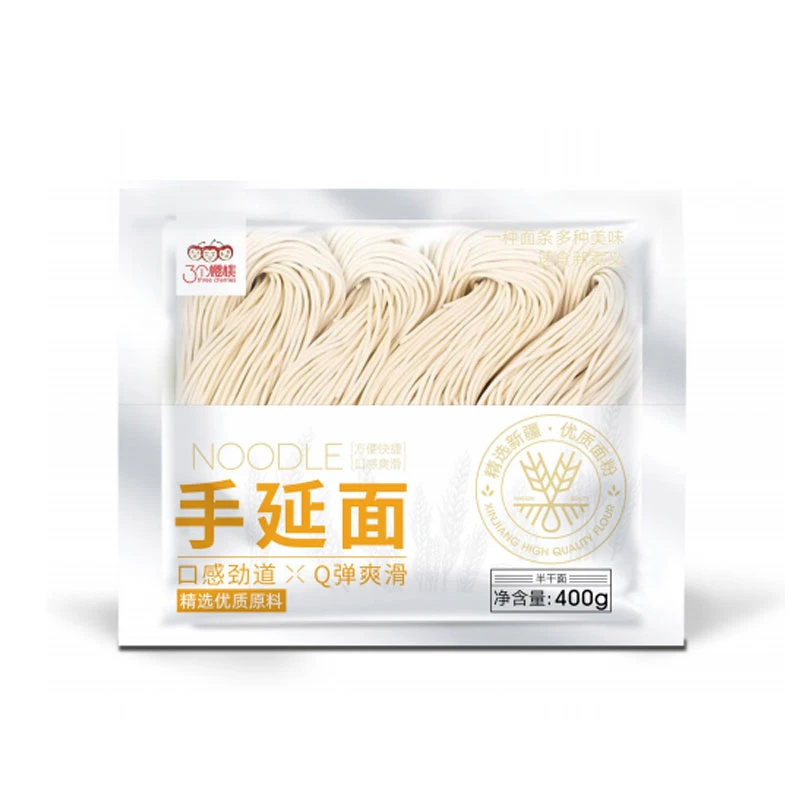

Chinese Hand Pulled Noodle Machines: Traditional Craft Meets Industrial Tech
Exploring the Craft of Chinese hand pulled noodle in Industrial Production
Having spent more than a decade in the industrial equipment sector, I’ve come across many fascinating products, but somehow the Chinese hand pulled noodle stands out—oddly enough, not just as food, but as a marvel of traditional craftsmanship meshed with industrial precision.
At first glance, it might seem a world away from heavy machinery or manufacturing lines. But when you look at the equipment used in producing these noodles, especially in commercial environments, there’s a clear synergy between artisanal technique and automated engineering. You know, replicating the elegant pull-and-stretch movements by hand requires machines with surprisingly precise calibration and flexibility.
What caught my attention recently was the way manufacturers integrate semi-automatic machines that retain the “hand-pulled” feel but scale up production without losing texture or authenticity. The materials used for these machines—mainly stainless steel for hygiene and durability—are thoughtfully selected, reflecting the industry’s best practices. There’s also a lot of subtle mechanical testing involved to make sure the dough stretches just right, not too tight, not too slack.
One of the things I appreciate is how customization is built into these models. For example, adjusting the speed and tension allows for different noodle thicknesses and textures according to regional recipes—pretty clever in real terms.
Here’s a quick snapshot of a typical product spec for a hand pulled noodle machine that I’ve seen increasingly popular:
| Specification | Details |
|---|---|
| Machine Type | Semi-Automatic Hand Pulled Noodle Maker |
| Material | Food-grade Stainless Steel |
| Capacity | 30-40 kg/hour dough processing |
| Adjustable Thickness | 1-5 mm |
| Power Supply | 220V / 50Hz |
| Dimension | 1200mm x 800mm x 1500mm |
I remember a small noodle factory in Jiangxi province where the owner told me how switching to such semi-automatic equipment preserved their traditional qualities yet boosted output significantly. Frankly, it felt like a perfect marriage of old and new.
To give a broader view, here’s a quick comparison of some vendors producing these hand pulled noodle machines. The differences, while appearing subtle, make a big impact on usability and cost-effectiveness:
| Vendor | Price Range (USD) | Customization Options | Lead Time |
|---|---|---|---|
| JX SemiDry Noodle Co. | $4,500 - $6,000 | Thickness, speed, dough type | |
| Tianjin Noodle Tech | $3,800 - $5,200 | Limited (speed only) | |
| Hangzhou Machinery | $5,000 - $6,500 | Full range (all parameters adjustable) |
It’s fascinating how some manufacturers focus heavily on modular parts, making repairs and upgrades straightforward, while others prioritize cost-efficiency. From my conversations, many operators lean towards vendors like JX SemiDry Noodle Co. because of their balanced offering—good value, plus options to fine-tune per batch without much fuss.
In the end, the craft of creating those beautiful, chewy strands with machines that echo the genius of centuries-old techniques is something I find really rewarding to watch and understand. It reminds me a bit of the industrial sector struggle to keep human touch despite growing automation—there’s always room for both if done right.
So if you’re in the market for Chinese hand pulled noodle production equipment, I’d definitely suggest balancing your choice between authenticity, reliability, and flexibility. It feels like the right approach to the future of this humble but beloved staple.
— End of my noodle tale for now. Until next time, keep exploring the links between tradition and tech!
References:
1. Insights from Jiangxi noodle factory visit, 2023
2. Industrial machinery specs from recent trade shows
3. Vendor catalogs and customer feedback archives
-
Discover the Authentic Taste of Korean Buckwheat NoodlesNewsApr.16,2026
-
Discover the Refreshing Taste of Authentic Korean Cold SobaNewsApr.09,2026
-
Discover the Refreshing Taste of Korean Cold Buckwheat Noodles NaengmyeonNewsApr.07,2026
-
Discover the Cool and Refreshing World of Korean Buckwheat Noodles ColdNewsApr.04,2026
-
Discover the Refreshing Taste of Japanese Cold Buckwheat Noodles and Zaru SobaNewsMar.31,2026
-
Exploring the Delicious World of Chinese Style Cold NoodlesNewsMar.28,2026
-
Discover the Cool and Refreshing World of Korean Cold Soba NoodlesNewsMar.26,2026
Browse qua the following product new the we