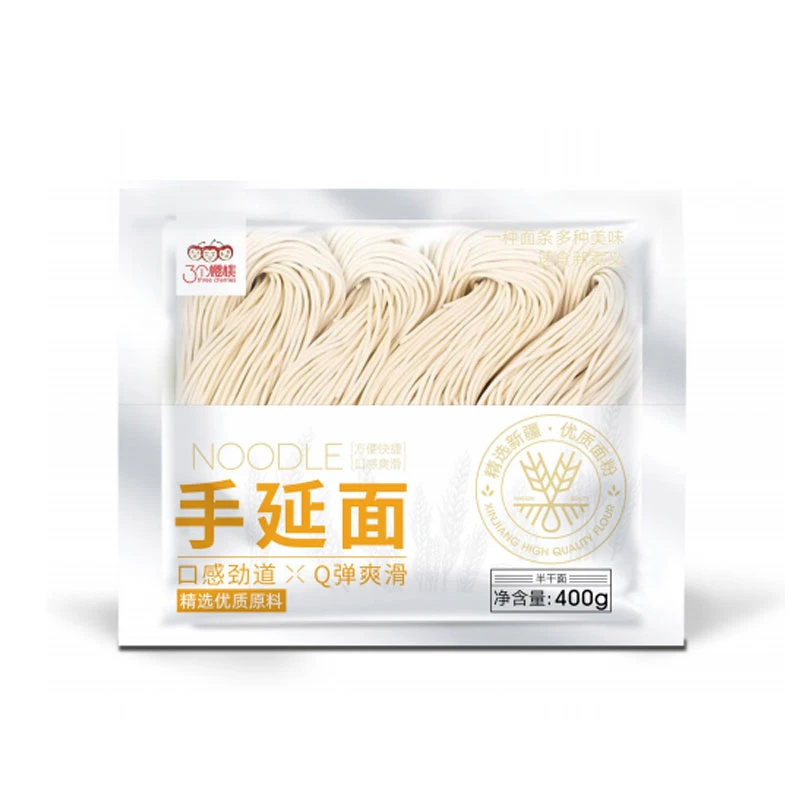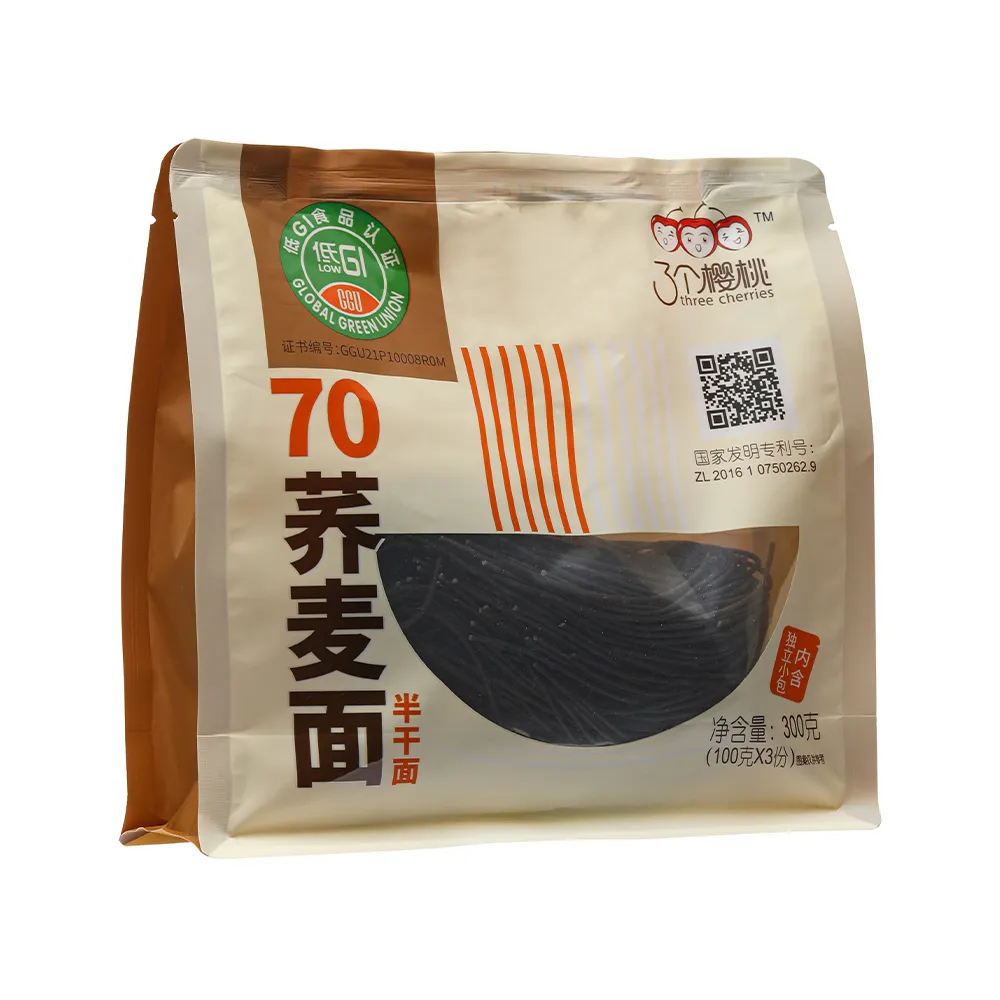

Comprehensive Guide to Spaghetti Wheat Pasta: Global Insights & Benefits
Understanding Spaghetti Wheat Pasta: A Global Staple With Surprising Depth
Spaghetti wheat pasta might seem like just another food product on supermarket shelves, but it’s actually a fascinating ingredient with worldwide significance. As a dietary staple spanning continents, its production and consumption reflect agriculture, trade, nutrition, and culture intertwined. Knowing what defines spaghetti wheat pasta and how it fits into global food security is vital—for governments, manufacturers, and even home cooks who care about what lands on their plates.
To be frank, while it’s easy to overlook pasta as just carbs, it plays a crucial role in feeding millions. Understanding its supply chain, qualities, and evolving usage can reveal insights into sustainability and innovation in food industries worldwide.
Global Context: Why Spaghetti Wheat Pasta Matters Today
Globally, wheat remains one of the top grains produced, with the Food and Agriculture Organization reporting around 780 million tonnes annually. A significant chunk converts into various pasta products, including spaghetti made from durum wheat—the harder variety prized for its high protein and gluten content.
Interestingly, the global pasta market was valued at over $18 billion in 2023 and is projected to grow steadily. This growth isn’t just about Italy’s culinary exports; developing economies consume increasing amounts as wheat farming expands. Yet challenges persist in ensuring quality, affordability, and nutritional value amidst changing climates and geopolitical shifts.
One ongoing challenge is balancing mass production with traceability and consumer demand for healthier options, or gluten-free alternatives. Industrial and humanitarian supply chains benefit hugely from standardized, durable spaghetti wheat pasta products, especially where refrigeration and storage infrastructure is limited.
What Is Spaghetti Wheat Pasta—Simply Put?
At its core, spaghetti wheat pasta is an extruded pasta shape made primarily from semolina flour, ground from durum wheat. Unlike softer wheat types, durum wheat lends a firm texture, distinct golden hue, and a slight bite that holds up well to cooking.
This connection between crop science and food technology means spaghetti wheat pasta is a neat example of tradition meeting innovation. It’s also instrumental in humanitarian needs—think ready-to-eat meal kits distributed in disaster zones. Its shelf stability and nutrient density make it an efficient carbohydrate source.
Key Factors in Quality and Practical Use
- Durability: Durum wheat’s gluten structure helps spaghetti maintain its shape after boiling, ideal for both home cooking and processed meals.
- Nutrition: Higher protein content than common wheat means it sustains energy longer, relevant for both casual consumers and high-energy needs like athletes or aid workers.
- Cost Efficiency: Bulk production from standardized milling helps keep prices reasonable in major markets.
- Scalability: Spaghetti wheat pasta production easily adapts—from artisan Italian brands to large-scale food relief distributors.
- Sustainability: Advances in durum wheat breeding seek drought resistance and reduced inputs, responding to climate change issues.
Mini takeaway: It’s this mix of texture, nutrition, cost, and adaptability that ensures spaghetti wheat pasta remains both a kitchen favorite and a global commodity.
Global Applications and Use Cases
Spaghetti wheat pasta isn’t relegated only to Italian trattorias but figures prominently in major global food programs. For instance:
- Emergency food aid: Organizations package spaghetti as a durable meal base fitting limited-storage contexts.
- School feeding programs: In parts of Africa and Asia, pasta serves as an easy-to-prepare nutrient source supporting child development.
- Commercial food manufacturing: Ready meals or frozen entrees often rely on spaghetti for consistency.
- Retail markets worldwide: From Europe to Latin America and North America, it’s a pantry staple.
Even in niche gastronomy spheres, artisanal producers experiment with whole grain and ancient durum wheat varieties, marrying tradition with modern health trends.
Advantages and Long-Term Value
It’s not just about being delicious: spaghetti wheat pasta’s long shelf life, low water footprint compared to some other staples, and wide acceptance help address food security and resource scarcity.
Socially, pasta enables comfort and culture preservation — it feels familiar and nourishing, making distribution programs more effective because recipients appreciate the food.
In innovation terms, spaghetti wheat pasta has helped push packaging improvements, from biodegradable wraps to portion control sachets, showing how staple foods can align with sustainability goals.
Technical Specs of Typical Spaghetti Wheat Pasta
| Spec | Details |
|---|---|
| Primary Ingredient | Durum Wheat Semolina |
| Protein Content | 12–14% |
| Moisture Content | ~12% |
| Cooking Time | 8–12 minutes (al dente) |
| Shelf Life | 12–24 months in cool, dry storage |
Vendor Comparison: Leading Spaghetti Wheat Pasta Producers
| Vendor | Origin | Durum Wheat Source | Sustainability Initiatives | Price Range (per kg) |
|---|---|---|---|---|
| Pasta Natura | Italy | Local durum farms | Organic certified, reduced water use | $3.50 – $4.20 |
| Global Pasta Co. | USA | Imported from North Africa | Carbon-neutral shipping, recyclable packaging | $2.80 – $3.40 |
| Mediterranean Roots | Turkey | Regional durum wheat cooperatives | Fair trade, water-saving farming methods | $3.00 – $3.80 |
Future Trends & Innovations around Spaghetti Wheat Pasta
What’s next in the spaghetti wheat pasta world? I suppose you could say the future is multispectral: researchers are breeding durum wheat varieties geared toward better drought and heat resistance, which will be critical as climate unpredictability grows.
Likewise, plant-based protein fortification and fiber inclusion are trending, driven by health-conscious consumers. Automated, digital farming techniques aim to optimize yields while minimizing environmental footprints. Oddly enough, 3D printing pasta shapes tailored to nutrition or cultural preferences also appears on the horizon.
On packaging, biodegradable materials are becoming standard, cutting plastic waste related to dry pasta distribution worldwide.
Challenges and Expert Insights
Even with spaghetti wheat pasta’s popularity, challenges remain. Durum wheat is sensitive to climate fluctuations, and poor harvests can impact supply chain stability and prices.
Moreover, regional disparities in cultivation technology sometimes mean inconsistent product quality. Experts suggest integrating precision agriculture and investing in grain storage infrastructure to counter volatility.
There’s also the hurdle of gluten intolerance rising globally—which shapes alternative pasta markets but doesn’t yet fully displace durum wheat demand.
FAQ: Common Questions About Spaghetti Wheat Pasta
- Q: What makes spaghetti wheat pasta better than other wheat pastas?
A: Its use of durum wheat semolina results in a firmer texture and more resilient cooking properties compared to softer wheat pastas. This makes it ideal for dishes where the noodles need to hold shape and bite.
- Q: How long does spaghetti wheat pasta typically last?
A: When stored in a cool, dry place in sealed packaging, it generally lasts 12 to 24 months, making it convenient for long-term storage.
- Q: Is spaghetti wheat pasta suitable for food aid programs?
A: Yes, its shelf stability and nutrient density make it a practical carbohydrate source in humanitarian contexts where refrigeration isn’t available.
- Q: Can gluten-free options replace spaghetti wheat pasta?
A: While alternatives exist, they typically have different textures and cooking behavior. Durum wheat pasta still reigns for traditional recipes and many consumers prefer its taste and form.
- Q: How can businesses ensure sustainable sourcing of spaghetti wheat pasta?
A: Partnering with vendors who practice fair trade, use organic methods, or adopt reduced water-use farming can help improve the sustainability of their pasta supply.
Conclusion: A Staple Worth Knowing
Spaghetti wheat pasta is far more than just a simple meal component—it embodies an intersection of agriculture, nutrition, culture, and innovation. Its long shelf life, cost effectiveness, and versatility make it a global asset, whether in home kitchens or emergency food packs.
If you want to explore quality spaghetti wheat pasta options or delve deeper into its production and benefits, check out spaghetti wheat pasta. Frankly, it’s worth both your palate and curiosity.
Food, after all, connects us—and understanding staples like this helps us appreciate the chains of care and craft behind what seems so ordinary.
Quick takeaway: Spaghetti wheat pasta isn’t just food; it’s a cornerstone of global nutrition, culture, and sustainability efforts.
References:
-
Discover the Authentic Taste of Korean Buckwheat NoodlesNewsApr.16,2026
-
Discover the Refreshing Taste of Authentic Korean Cold SobaNewsApr.09,2026
-
Discover the Refreshing Taste of Korean Cold Buckwheat Noodles NaengmyeonNewsApr.07,2026
-
Discover the Cool and Refreshing World of Korean Buckwheat Noodles ColdNewsApr.04,2026
-
Discover the Refreshing Taste of Japanese Cold Buckwheat Noodles and Zaru SobaNewsMar.31,2026
-
Exploring the Delicious World of Chinese Style Cold NoodlesNewsMar.28,2026
-
Discover the Cool and Refreshing World of Korean Cold Soba NoodlesNewsMar.26,2026
Browse qua the following product new the we