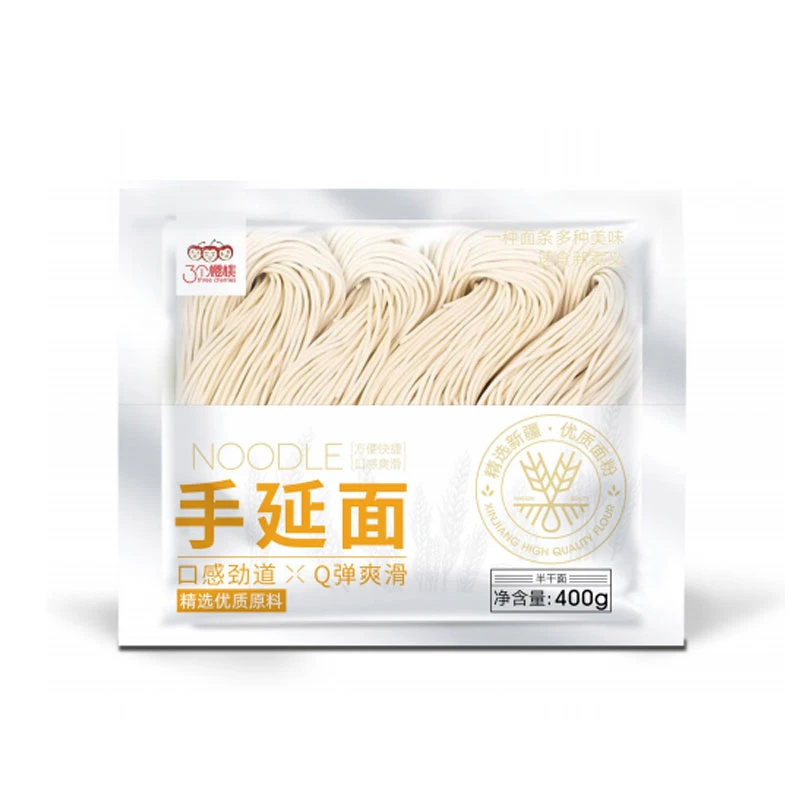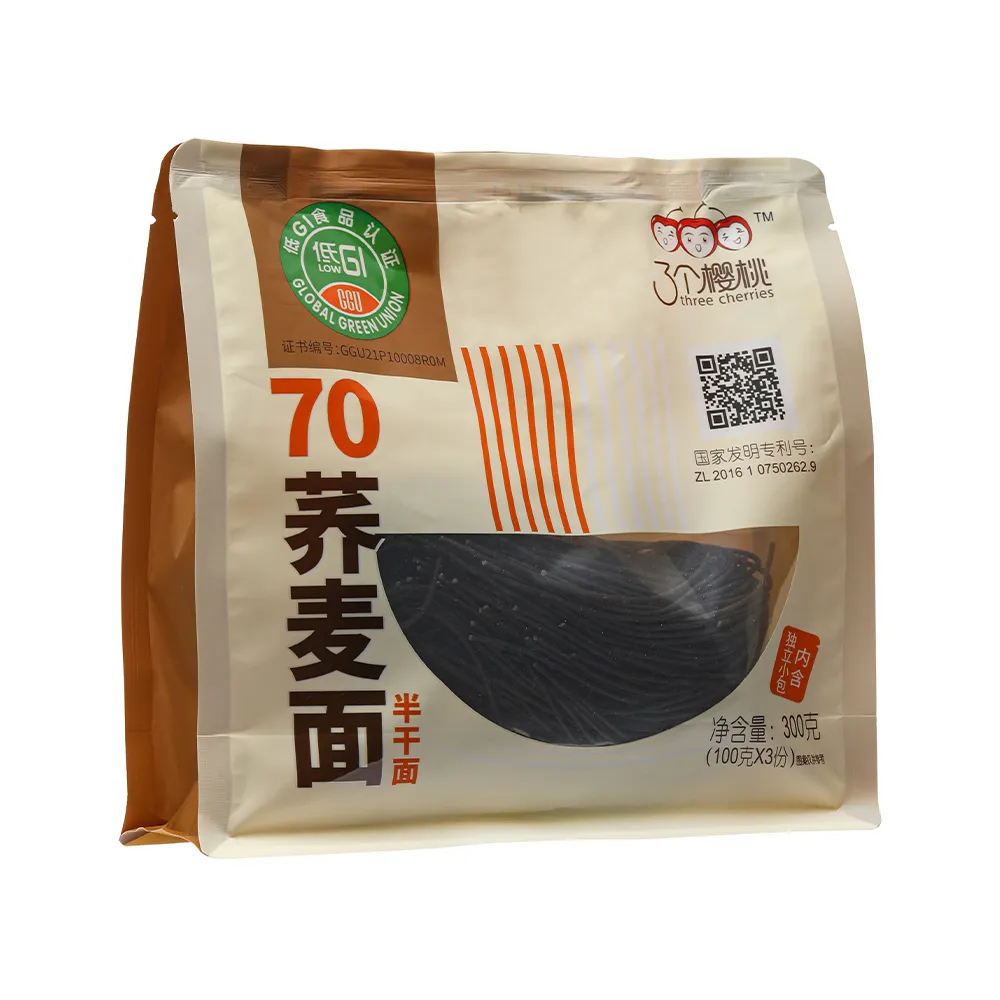

Oatmeal Noodles - High-Fiber, Quick-Cook, Whole-Grain Taste
Oatmeal Noodles: a whole-grain workhorse that’s finally getting its due
I’ve spent the last decade in and out of noodle plants, tasting lines from dusty craft workshops and slick, fully automated factories. When I first tried oatmeal noodles, I’ll be honest, I expected a worthy-but-dull health play. Actually, the texture surprised me—springy, slightly nutty, and forgiving in a fast kitchen. Origin-wise, they come from Oriental Food City, Longyao County, Xingtai City, Hebei Province, which long-time buyers know as a pragmatic hub: less fuss, more throughput.
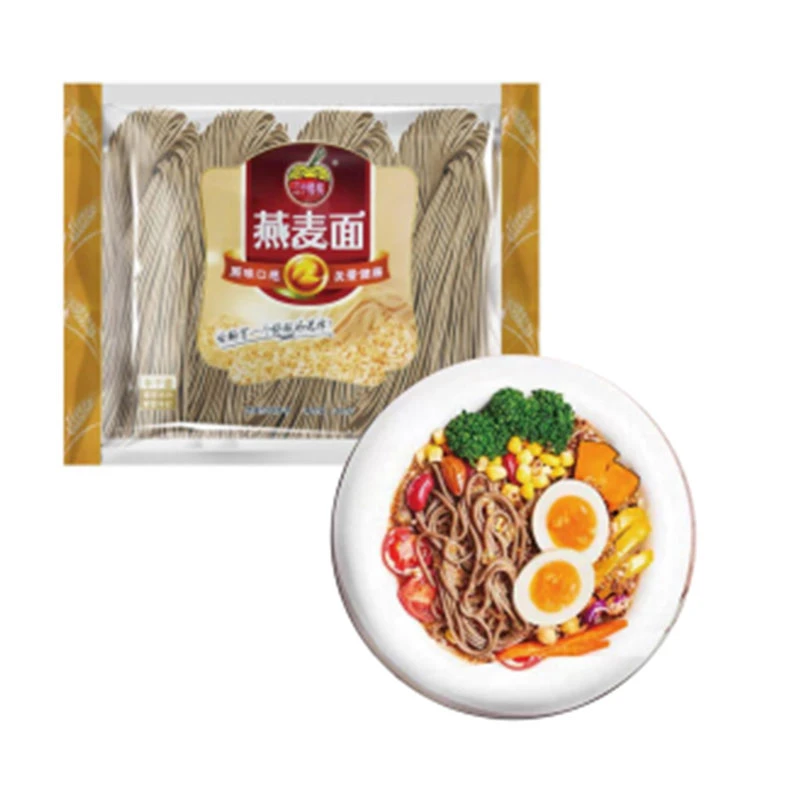
Why oatmeal noodles are trending now
Three things: whole-grain credibility (fiber, beta-glucans), clean-label preference (short ingredient decks), and “healthy-ish convenience.” Foodservice operators tell me they hold up in soups and wok applications better than expected, and retail shoppers like the brown-gold color that telegraphs nutrition without a lecture.
Product snapshot
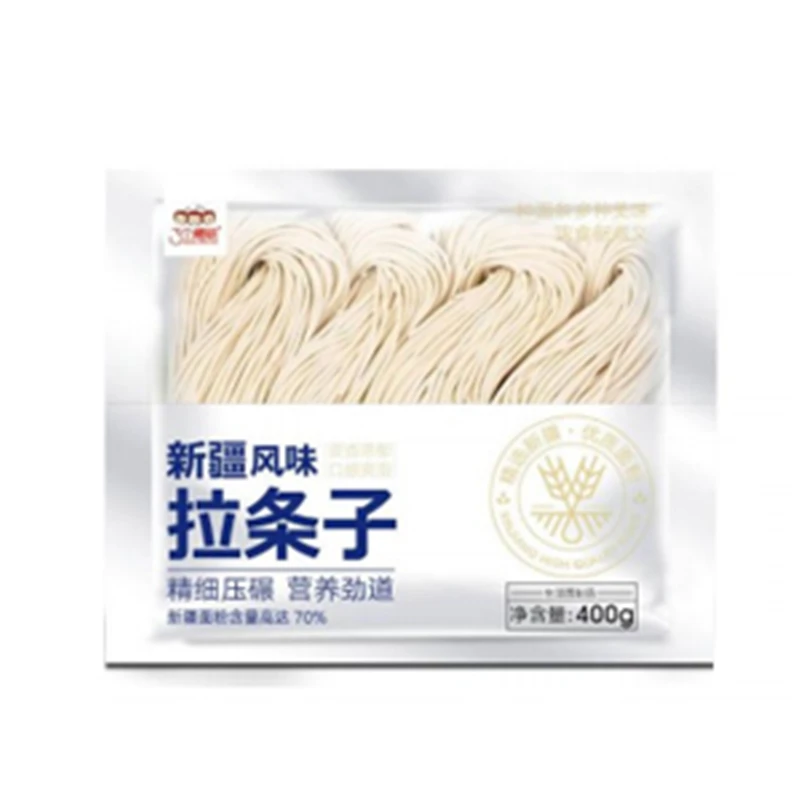
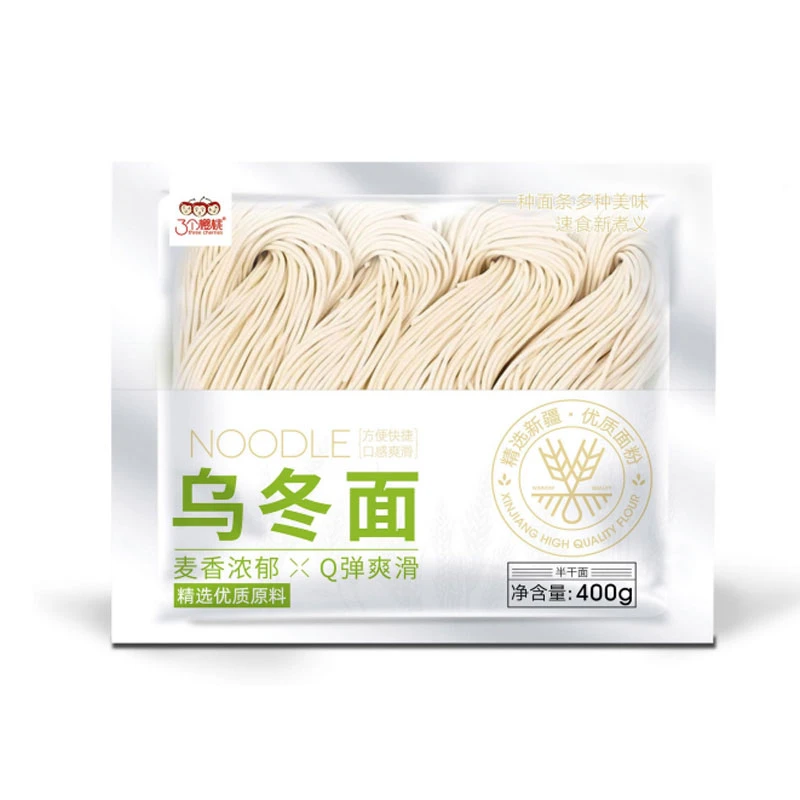
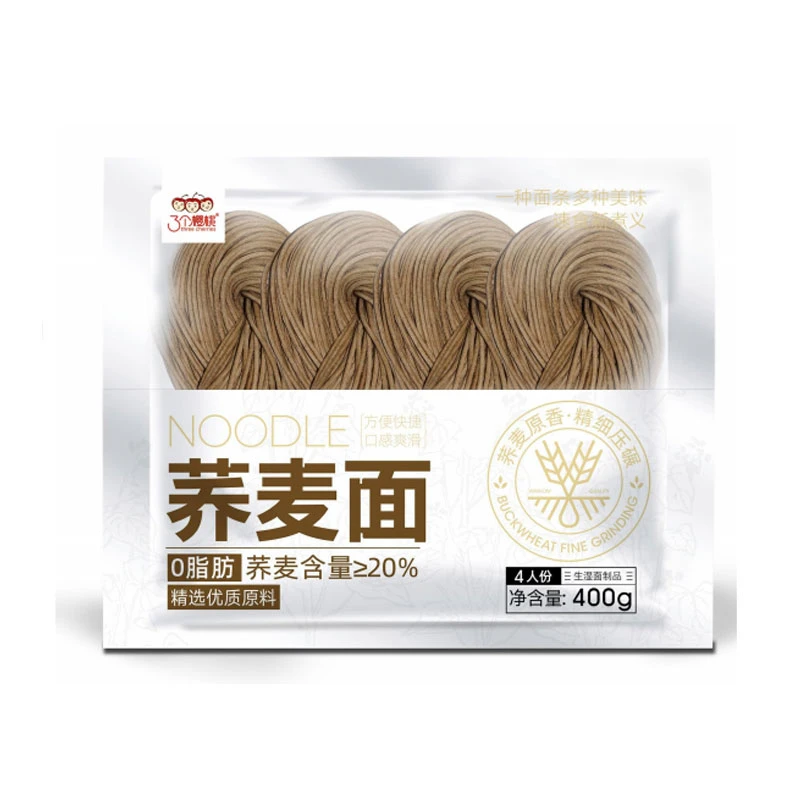
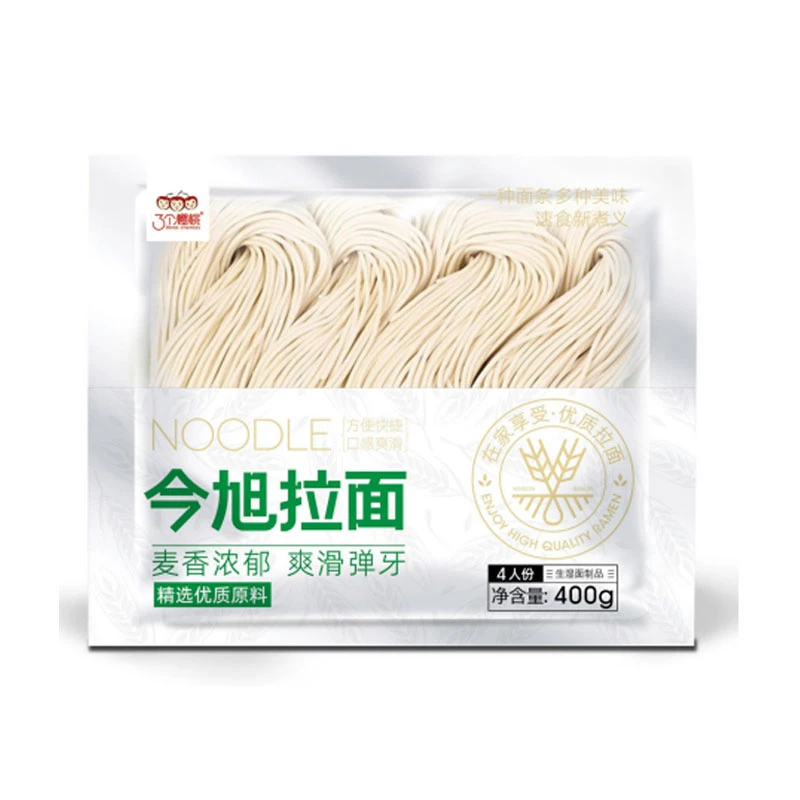
| Product Name | Oatmeal & Whole Wheat Noodles |
| Pack Gauge | ≈ 400 g per pack |
| Ingredients | Whole grain oats, whole wheat flour, water; salt optional |
| Shelf/Warranty | 4 months room temp; up to 8 months at 0–10℃ (real-world may vary) |
| Storage | Cool, dry place; or 0–10℃ refrigeration |
| Cooking Time | ≈ 5–7 minutes (al dente to soft) |
| Typical Nutrition (per 100 g dry) | Protein ≈ 11–13 g; Fiber ≈ 6–8 g; Sodium low |
Process flow (semi-dry, foodservice-friendly)
Materials: whole grain oat flour, whole wheat flour, potable water, trace salt (optional). Methods: graded milling → precision blending → vacuum mixing and sheeting → controlled extrusion/cutting → low-temp semi-drying (to target moisture ≈ 12–13.5%) → resting/conditioning → metal detection → pack & code. Testing standards: moisture (oven-dry), TPC/micro (plate count), heavy metals ICP-MS screening, water activity, and random cook tests for tensile strength and breakage.
Service life is tied to moisture and water activity. In practice, these oatmeal noodles stay stable for the stated warranty if kept within spec and away from condensation. Operators say the texture holds after a quick par-cook and chill—handy for banquets.
Application scenarios
- Stir-fries with lean proteins and greens (the oat note plays nicely with sesame and ginger).
- Brothy bowls—miso, chicken stock, or veggie broths; oatmeal noodles resist mush.
- Meal kits and ready-to-heat bowls where reheat tolerance matters.
- Corporate canteens aiming for whole-grain targets without scaring the crowd.
Advantages (what buyers actually notice)
- Whole-grain positioning with good bite; less breakage during transport.
- Clean label; aligns with HACCP/ISO 22000 programs.
- Predictable cooking curve; forgiving in high-volume lines.
Quality and test data (typical batch)
Moisture 12.6%; Water activity 0.58; TPC < 1.0×10⁴ CFU/g; Coliforms < 10 CFU/g; Salmonella not detected/25 g; Heavy metals below internationally recognized limits. Certifications commonly requested: ISO 22000 and HACCP; label compliance as per destination market. To be honest, real-world logistics can nudge numbers—so verify COAs per lot.
Vendor comparison (field notes, ≈ values)
| Aspect | This Product | Vendor A (mass) | Vendor B (artisan) |
|---|---|---|---|
| Grain sourcing | Oats + whole wheat, audited | Mixed lots, broader spec | Small-batch, limited volume |
| Additives | Clean-label focus | May use texturizers | Clean, but variable texture |
| Certifications | ISO 22000/HACCP available | GMP; HACCP optional | Artisan; limited audits |
| Lead time | ≈ 15–25 days | ≈ 7–12 days | ≈ 30–45 days |
Customization
Common tweaks: noodle width/thickness, sodium target, protein/fiber spec, private label artwork, carton count, and cook-time tuning. For multi-site chains, a dual-lot validation (summer/winter) of oatmeal noodles is smart—temperature swings can shift drying behavior.
Case study (quick)
A Northern meal-kit brand swapped in oatmeal noodles for a weeknight stir-fry kit. Complaints dropped (soggy noodles) by 41% over eight weeks; NPS nudged up 5 points. Their ops lead told me, “We finally stopped chasing overcooks,” which, honestly, is half the battle.
Note: Always verify local labeling and import requirements before rollout. Storage matters more than most people admit.
References
-
Discover the Authentic Taste of Korean Buckwheat NoodlesNewsApr.16,2026
-
Discover the Refreshing Taste of Authentic Korean Cold SobaNewsApr.09,2026
-
Discover the Refreshing Taste of Korean Cold Buckwheat Noodles NaengmyeonNewsApr.07,2026
-
Discover the Cool and Refreshing World of Korean Buckwheat Noodles ColdNewsApr.04,2026
-
Discover the Refreshing Taste of Japanese Cold Buckwheat Noodles and Zaru SobaNewsMar.31,2026
-
Exploring the Delicious World of Chinese Style Cold NoodlesNewsMar.28,2026
-
Discover the Cool and Refreshing World of Korean Cold Soba NoodlesNewsMar.26,2026
Browse qua the following product new the we