
Are Buckwheat Noodles Good for Diabetics? A Comprehensive Guide
Are Buckwheat Noodles Good for Diabetics? Unpacking the Facts
If you’ve ever wondered about are buckwheat noodles good for diabetics, you’re not alone. Globally, diabetes affects over 537 million adults, according to the International Diabetes Federation (IDF), making blood sugar management a critical daily challenge for millions. Diet plays a huge role in managing diabetes, and the search for noodles or pasta alternatives that don’t cause blood sugar spikes has many curious about buckwheat noodles. These hearty, nutty noodles offer more than just taste — they hold promise for better glycemic control, nutritional advantages, and even cultural heritage. Understanding their benefits and limitations matters not only for health-conscious consumers but also for the food industry and nutritionists worldwide.
Global Context: Why Buckwheat Noodles Matter for Diabetics
The COVID-19 pandemic put diet and immunity front and center, but diabetes remains a leading global health issue, contributing to over 6.7 million deaths annually (WHO). The UN Sustainable Development Goals emphasize good health and well-being, which involves improving diets worldwide. Traditional wheat-based noodles tend to have a high glycemic index (GI), which can cause rapid blood sugar spikes — a big no-no for diabetics.
That's where buckwheat noodles come in. Buckwheat, despite its name, isn’t a true grain but a seed related to rhubarb and sorrel. It’s gaining traction as a low-GI, nutrient-packed alternative for those managing type 2 diabetes. Understanding if are buckwheat noodles good for diabetics helps shape dietary recommendations, food innovation, and even agricultural choices globally.
What Exactly Are Buckwheat Noodles and Why Are They Relevant?
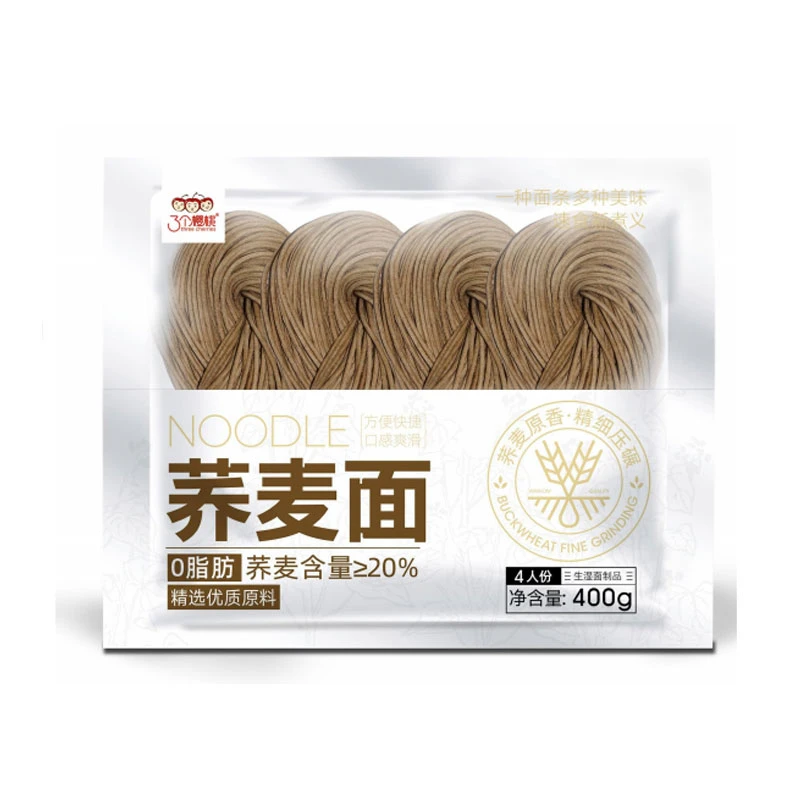
Simply put, buckwheat noodles — often known as “soba” in Japan — are noodles made primarily from buckwheat flour, sometimes mixed with wheat or other grains. Their dark, slightly earthy flavour distinguishes them from typical pasta.
For diabetics, the key is buckwheat's low glycemic load and rich nutritional profile: high in fiber, plant protein, and antioxidants like rutin. These components contribute to slower digestion and steadier blood sugar levels. Additionally, buckwheat contains essential minerals like magnesium, which plays a role in insulin sensitivity.
Key Factors Explaining Why Buckwheat Noodles Are a Smart Choice
1. Glycemic Index and Blood Sugar Regulation
Buckwheat has a GI of approximately 54, which is considered low to medium, much better than typical white pasta (GI 45-65 depending on type) or wheat noodles. Low GI foods digest slowly, providing more stable glucose release. For diabetics, this means less dramatic blood sugar swings, easing management.
2. Fiber Content and Digestive Health
The fiber in buckwheat slows carbohydrate absorption and supports gut health. This combination may help reduce insulin resistance and improve long-term glucose control, essential for people living with diabetes.
3. Protein and Mineral Wealth
Buckwheat is a good source of high-quality plant protein and contains magnesium, zinc, and manganese — all important for metabolic health. Magnesium, in particular, is linked to improved insulin function.
4. Gluten-Free Appeal
Though some buckwheat noodles blur lines by including wheat, pure buckwheat noodles are gluten-free, suitable for those with coexisting gluten sensitivities or celiac disease.
5. Taste and Culinary Versatility
On a lighter note, the nutty flavor and firm texture make buckwheat noodles popular in many cuisines — from Japanese soba to Korean naengmyeon, and even fusion dishes. This acceptance is critical for long-term diet adherence.
Mini Takeaway:
In essence, the slow-digesting carbohydrates, fiber-rich profile, and micronutrients in buckwheat noodles contribute to steadier blood sugar control, making them a great option for diabetics seeking tasty staples that don’t compromise health.
Product Specifications: A Typical Buckwheat Noodle Profile
| Specification | Typical Value |
|---|---|
| Glycemic Index (GI) | ~54 |
| Protein Content | 12-15% |
| Dietary Fiber | 4-5 g per 100g |
| Gluten | Gluten-free (if 100% buckwheat) |
| Micronutrients | Magnesium, manganese, zinc |
A Quick Vendor Comparison for Buckwheat Noodles
| Brand | % Buckwheat Flour | Price per 500g | Gluten-Free? | Organic Certification |
|---|---|---|---|---|
| Soba Pure | 100% | $6.50 | Yes | Yes |
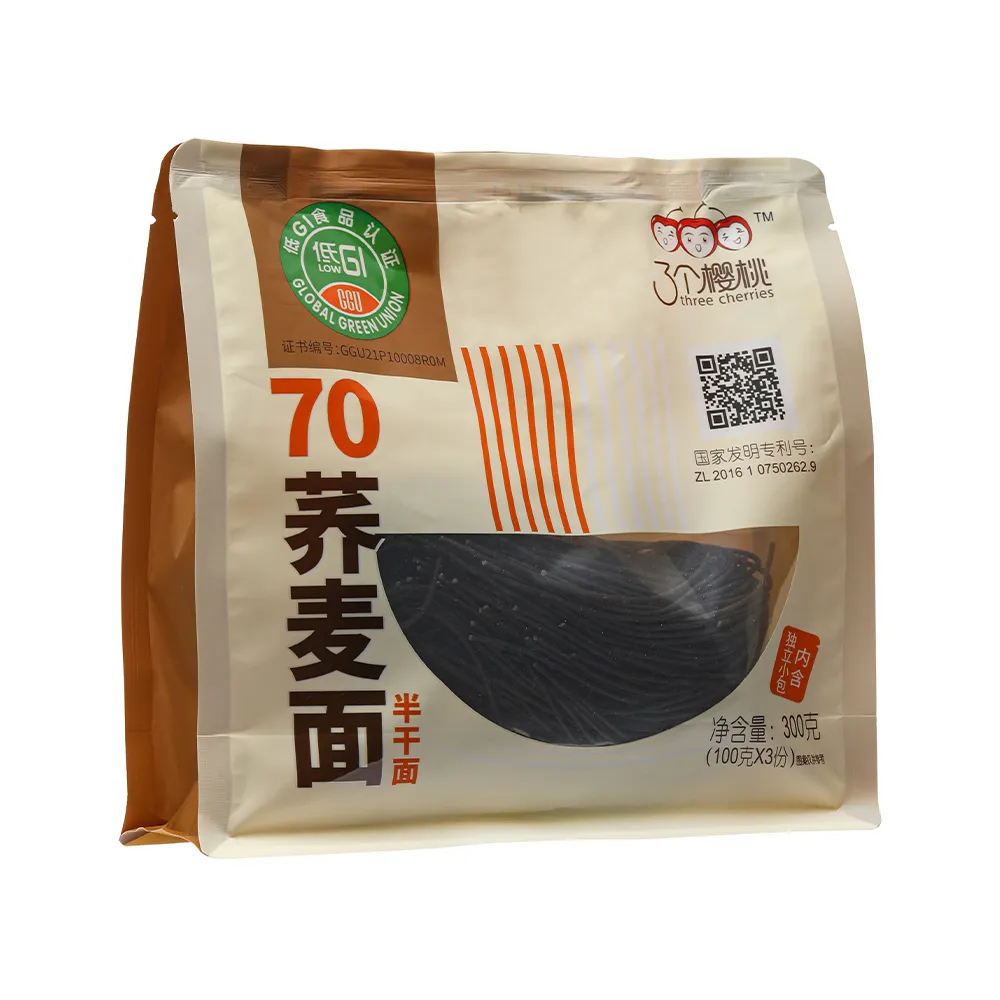
| Asia Gourmet | 70% | $4.20 | No | No |
| Natural Fields | 90% | $5.80 | Mostly yes | Yes |
May contain trace wheat — check packaging for gluten-free certification
Real World Applications & Use Cases
Worldwide, buckwheat noodles have a foothold from East Asia to Europe to North America, both in traditional cuisine and in diabetic-friendly market niches.
- Asia: Japan’s soba culture is iconic. Many diabetics in Japan choose soba smoothies or cold soba salads for steadier glucose. Korea’s buckwheat cold noodles also enjoy seasonal popularity.
- Europe: Countries like Russia and Ukraine incorporate buckwheat noodles in hearty meals. Diabetic nutrition programs in these regions often suggest buckwheat for blood sugar regulation.
- North America: With rising diabetes rates, natural food brands market 100% buckwheat soba as an alternative carb. Clinics recommend buckwheat noodles as part of diabetic meal plans.
In short, buckwheat noodles increasingly feature in nutritional counseling, food tech innovation, and consumer habits alike.
Advantages & Long-Term Value for Diabetics
Why might someone choose buckwheat noodles over traditional pasta or rice? The answer blends nutrition, sustainability, and personal wellbeing.
- Health Impact: Lower glycemic response means fewer sugar spikes, less insulin stress, and better long-term management — a crucial part of diabetic care.
- Dignity & Enjoyment: Let’s face it, it’s harder to stick to boring meals. Buckwheat noodles offer taste and texture variety, supporting sustained healthy eating.
- Environmental Sustainability: Buckwheat grows well in poor soils with minimal pesticides, making it more eco-friendly than many staple grains.
- Cost & Access: While pricier than wheat noodles, bulk production and growing interest in gluten-free diets may lower costs soon.
Looking Ahead: Trends and Innovations
Curiously, food technologists are experimenting with hybrid buckwheat blends that balance texture, shelf-life, and nutrition. Some aim to use smart packaging to monitor noodle freshness and nutrient retention. There's also increasing interest in organic, localized buckwheat farming to reduce carbon footprints. Digital health apps now often include buckwheat noodles in diabetic meal planning options, tracking glycemic responses in real time.
Challenges and How They’re Being Addressed
Despite all benefits, buckwheat noodles aren’t perfect. Some issues include taste acceptance, cooking consistency, and cross-contamination with gluten-containing flours. Manufacturers innovate by refining milling processes and labeling transparency to help diabetics confidently choose the right products.
Moreover, education campaigns emphasize how to prepare and pair buckwheat noodles to maximize benefits — like adding fiber-rich veggies or healthy fats for slower digestion.
FAQ: Common Questions About Buckwheat Noodles for Diabetics
Q1: Do buckwheat noodles cause blood sugar spikes in diabetics?
A1: Buckwheat noodles have a lower glycemic index than typical wheat noodles, resulting in slower glucose absorption and less blood sugar spike. However, portion size and preparation also matter. Pairing them with fiber and protein further stabilizes blood sugar levels.
Q2: Are all buckwheat noodles gluten-free and safe for celiac patients?
A2: Pure 100% buckwheat noodles are gluten-free. However, many commercially available buckwheat noodles blend buckwheat with wheat flour to improve texture. Always check labels, especially for gluten-free certification if you have celiac disease.
Q3: How should diabetics prepare buckwheat noodles for the best health benefits?
A3: Cook them al dente to slow digestion and pair with vegetables, lean proteins, and healthy fats. Avoid heavy sauces high in sugar or fats that may offset benefits.
Q4: Are buckwheat noodles suitable for type 1 and type 2 diabetics alike?
A4: Yes, both types of diabetics may benefit from buckwheat noodles due to their low GI and fiber content, but individual blood sugar responses can vary. Monitoring is key.
Conclusion: Why Buckwheat Noodles Are a Wise Addition to Diabetic Diets
So: Are buckwheat noodles good for diabetics? The answer is a resounding yes — when chosen and prepared thoughtfully, they offer a tasty, nutritious, and diabetic-friendly alternative to regular noodles. They support better glycemic control, boast valuable nutrients, and come with growing global popularity and sustainable production practices.
If you’re considering buckwheat noodles, visit our detailed product guide on https://www.jxsemidrynoodles.com. Eating well with diabetes doesn’t have to be dull — and maybe your next favorite bowl awaits.
References
-
Discover the Authentic Taste of Korean Buckwheat NoodlesNewsApr.16,2026
-
Discover the Refreshing Taste of Authentic Korean Cold SobaNewsApr.09,2026
-
Discover the Refreshing Taste of Korean Cold Buckwheat Noodles NaengmyeonNewsApr.07,2026
-
Discover the Cool and Refreshing World of Korean Buckwheat Noodles ColdNewsApr.04,2026
-
Discover the Refreshing Taste of Japanese Cold Buckwheat Noodles and Zaru SobaNewsMar.31,2026
-
Exploring the Delicious World of Chinese Style Cold NoodlesNewsMar.28,2026
-
Discover the Cool and Refreshing World of Korean Cold Soba NoodlesNewsMar.26,2026
Browse qua the following product new the we