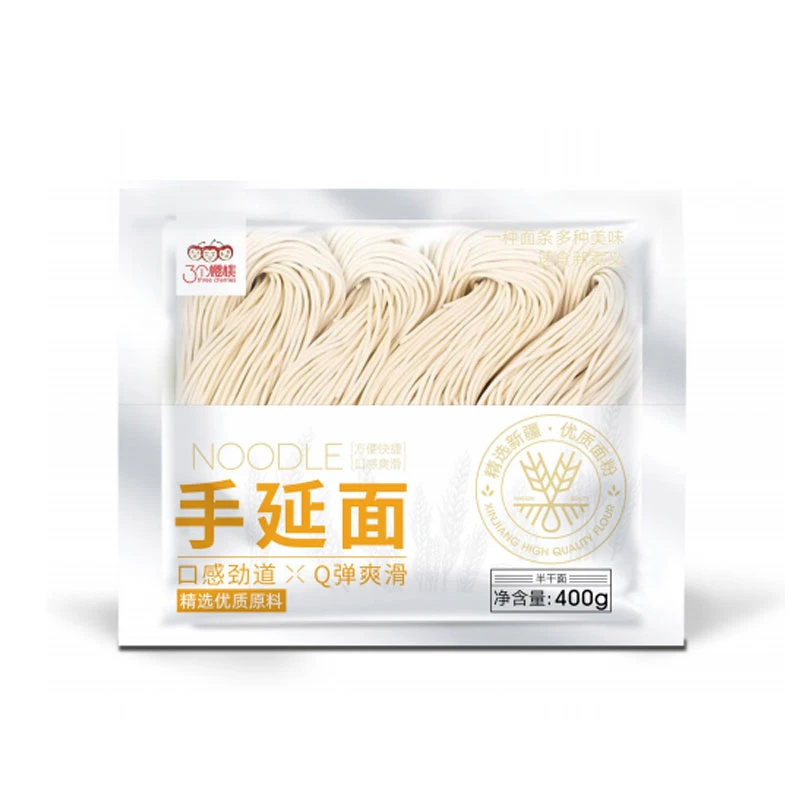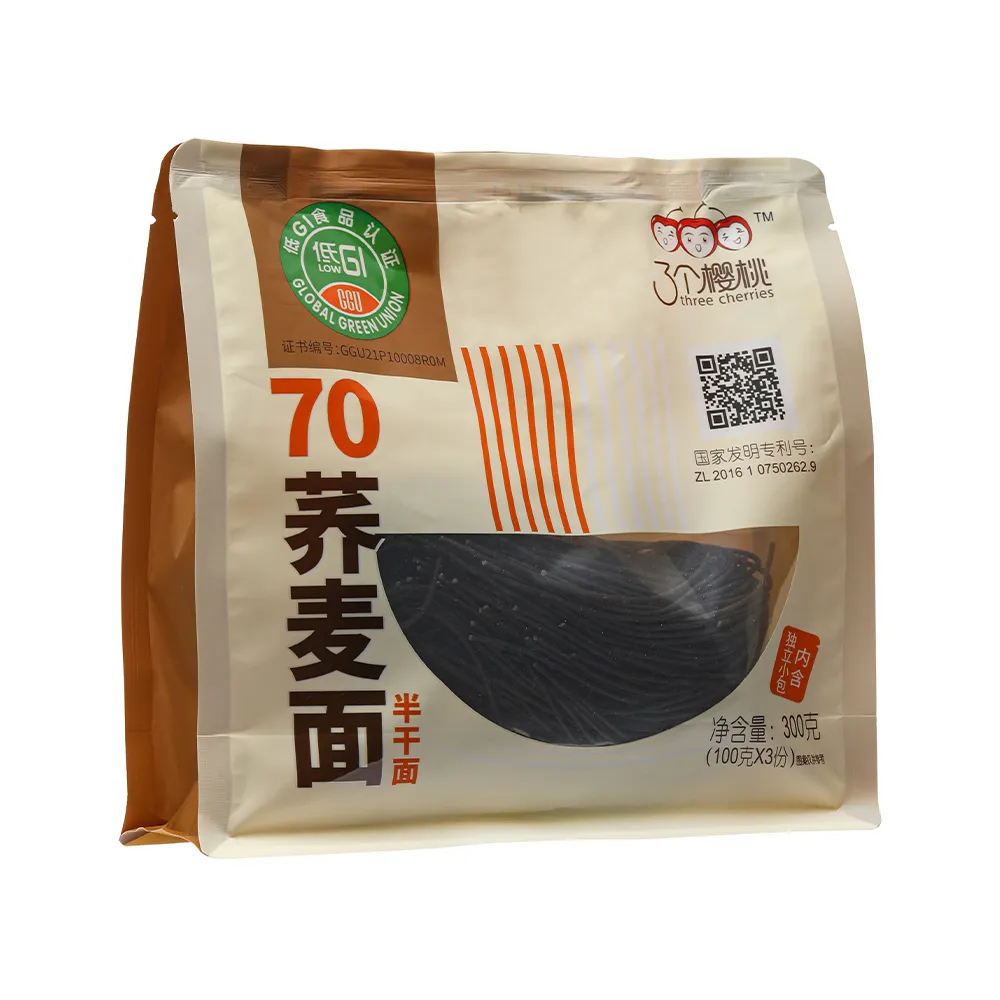

Cart Noodles – Fresh, Fast, Customizable Hong Kong Flavor
A Real-World Look at Cart Noodles: Trends, Specs, and How They Perform
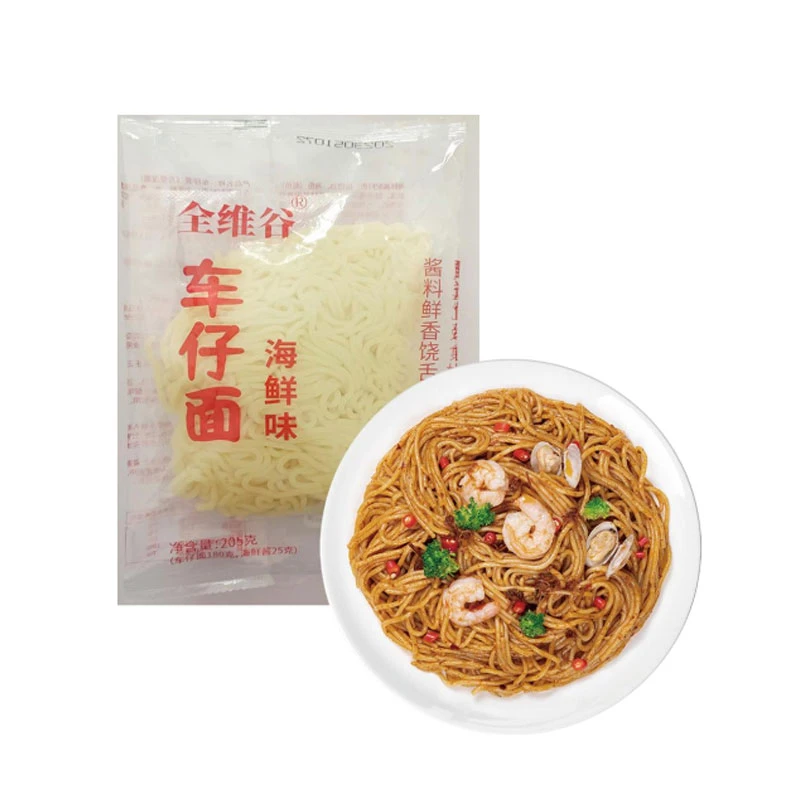
I’ve been tasting and tracking Asian convenience foods for over a decade, and—honestly—few categories have evolved as quickly as semi-dry noodle kits. From dorms to designer pantries, demand for fast-but-legit slurpability is up. From Hebei’s Oriental Food City in Longyao County, Xingtai, a quietly ambitious brand has been making waves: Cart Noodles with green onion oil, spicy, and seafood flavor variants. Three minutes, one bowl, and go—it sounds simple, yet the tech and QA behind it are anything but.
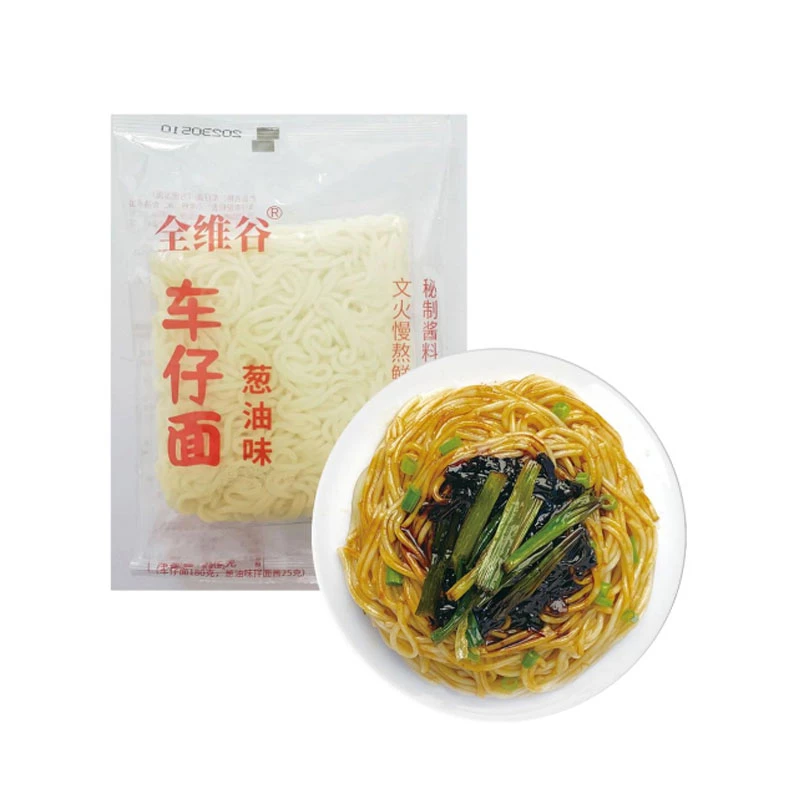
What’s inside and why it matters
Each pack clocks in at 205 g (green onion oil), 210 g (spicy), or 205 g (seafood). Storage is straightforward: room temperature or 0–10℃, cool, dry, away from light; shelf life ≈ 9 months. Many customers say the green onion oil tastes “clean” and surprisingly aromatic, while the spicy flavor leans bold without numbing. The seafood, I guess, is the sleeper hit—savory depth, not fishy.
Product specifications (engineer’s cut)
| Parameter | Spec / Data | Notes |
|---|---|---|
| Net weight | 205 g (Green Onion Oil), 210 g (Spicy), 205 g (Seafood) | Single-serve meal kit |
| Noodle type | Semi-dry wheat noodles | Low-temp air-dried, not fried |
| Moisture (target) | ≈ 12–14% | Real-world use may vary |
| Water activity (aw) | ≤ 0.75 | Shelf stability driver |
| Micro (TPC) | Typical lot: | Per GB 4789 series testing |
| Certs & Standards | ISO 22000, HACCP; GB 7718, GB 2760 | Labeling & additives compliance |
How it’s made (quick process flow)
Cart Noodles start with selected wheat flour (protein consistency matters), filtered water, and curated sauces: scallion oil, chili oil, seafood essences, dehydrated aromatics. The method: semi-dough mixing → extrusion/sheeter → low-temp air-drying (≈12–16 hours) → moisture/aw checks → metal detection → nitrogen-flushed packaging. Testing follows ISO 22000/HACCP programs, AOAC moisture methods, and GB 4789 micro series. Service life is validated via accelerated shelf-life tests and sensory panels, then verified under ambient storage.
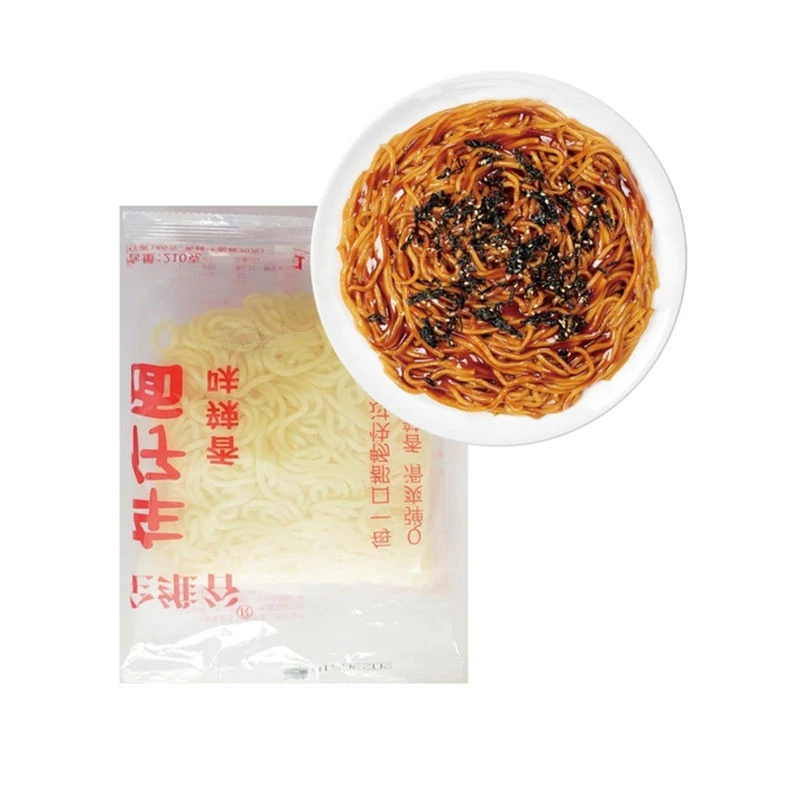
Where they fit: application scenarios
- Retail and e-commerce bundles (mixed flavors do well).
- Corporate pantry and late-shift meal programs—actually a morale booster.
- Travel kits and dorm rooms; minimal cookware needed.
- Foodservice back-of-house as a speedy base for toppings (add greens, egg, prawns).
Advantages we observed
Clean bite (semi-dry texture), consistent cook in 3–5 minutes, and flavors that don’t taste “powdery.” Packaging is sturdy; I’ve seen fewer breakages in cross-border shipping than typical cup noodles, which, to be honest, surprised me.
Vendor comparison (indicative)
| Vendor/Type | Drying Method | Cook Time | Texture Outcome | Sodium (per serve) |
|---|---|---|---|---|
| Cart Noodles (semi-dry) | Low-temp air-dried | ≈ 3–5 min | Springy, sauce-forward | around mid-range (flavor-dependent) |
| Generic instant cup | Flash-fried | ≈ 3 min | Softer, oil-carrying | often higher |
| Chilled fresh noodles | None (fresh) | ≈ 2–3 min | Excellent but perishable | varies |
Data are indicative; real-world use may vary by batch, market labeling, and preparation.
Customization and compliance
Private-label friendly. Options include sodium tuning, vegetarian-only packs, spice-level tiers, bilingual labeling (GB 7718 compliant), and carton configurations for retail or foodservice. Facilities operate under ISO 22000 with HACCP, and additives conform to GB 2760. For certain markets, Halal/Kosher can be scoped on request.
Case studies and feedback
- Convenience chain pilot (South China): substitution of two cup SKUs with Cart Noodles lifted basket value by ≈7% over eight weeks; fewer complaints about “greasy aftertaste.”
- London specialty grocer: seafood flavor became a top-5 weekday lunch item; staff demo days helped.
- Factory night shift pantry: reported faster queue times and higher satisfaction versus microwavable meals.
As one buyer put it, “Texture sells it. It tastes cooked, not processed.” That’s a fair summary.
Bottom line
Cart Noodles land in the sweet spot: shelf-stable, quick, and—importantly—credible on mouthfeel and aroma. For retailers and foodservice planners looking to modernize their noodle lineup without adding operational complexity, they’re a practical, trend-aligned pick from Hebei’s established production hub.
Authoritative citations
- ISO 22000:2018 Food safety management systems. International Organization for Standardization.
- Codex Alimentarius: General Principles of Food Hygiene (CXC 1-1969) & HACCP Annex. FAO/WHO.
- GB 7718-2011 General rules for the labeling of prepackaged foods. NHC of China.
- GB 2760-2014 Standards for use of food additives. NHC of China.
- GB 4789 Series: National food safety standards for microbiological examination. NHC of China.
- AOAC Official Methods for Moisture in Foods (e.g., 925.10). AOAC International.
-
Discover the Authentic Taste of Korean Buckwheat NoodlesNewsApr.16,2026
-
Discover the Refreshing Taste of Authentic Korean Cold SobaNewsApr.09,2026
-
Discover the Refreshing Taste of Korean Cold Buckwheat Noodles NaengmyeonNewsApr.07,2026
-
Discover the Cool and Refreshing World of Korean Buckwheat Noodles ColdNewsApr.04,2026
-
Discover the Refreshing Taste of Japanese Cold Buckwheat Noodles and Zaru SobaNewsMar.31,2026
-
Exploring the Delicious World of Chinese Style Cold NoodlesNewsMar.28,2026
-
Discover the Cool and Refreshing World of Korean Cold Soba NoodlesNewsMar.26,2026
Browse qua the following product new the we