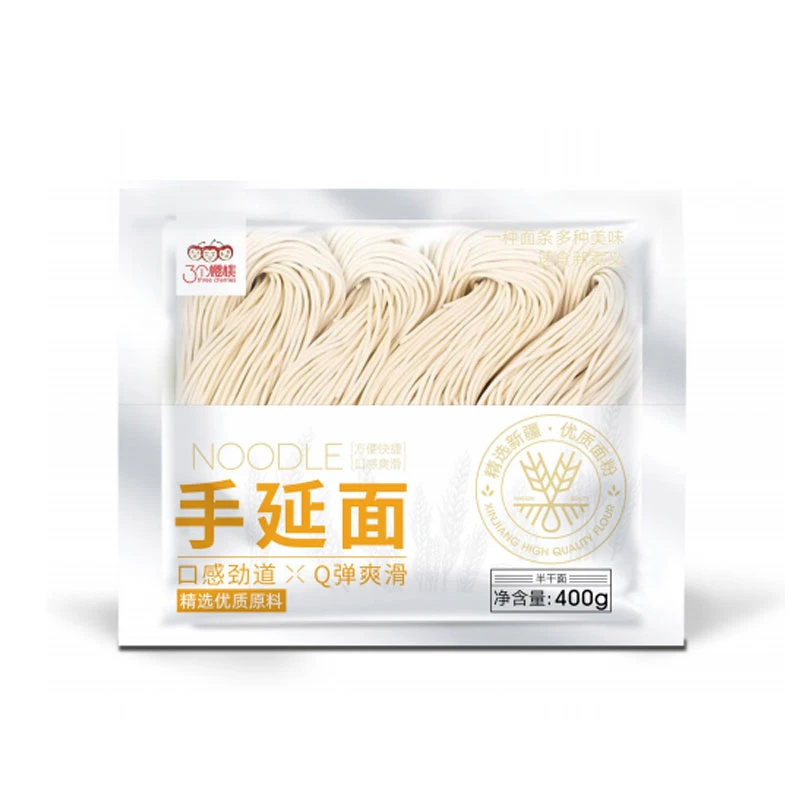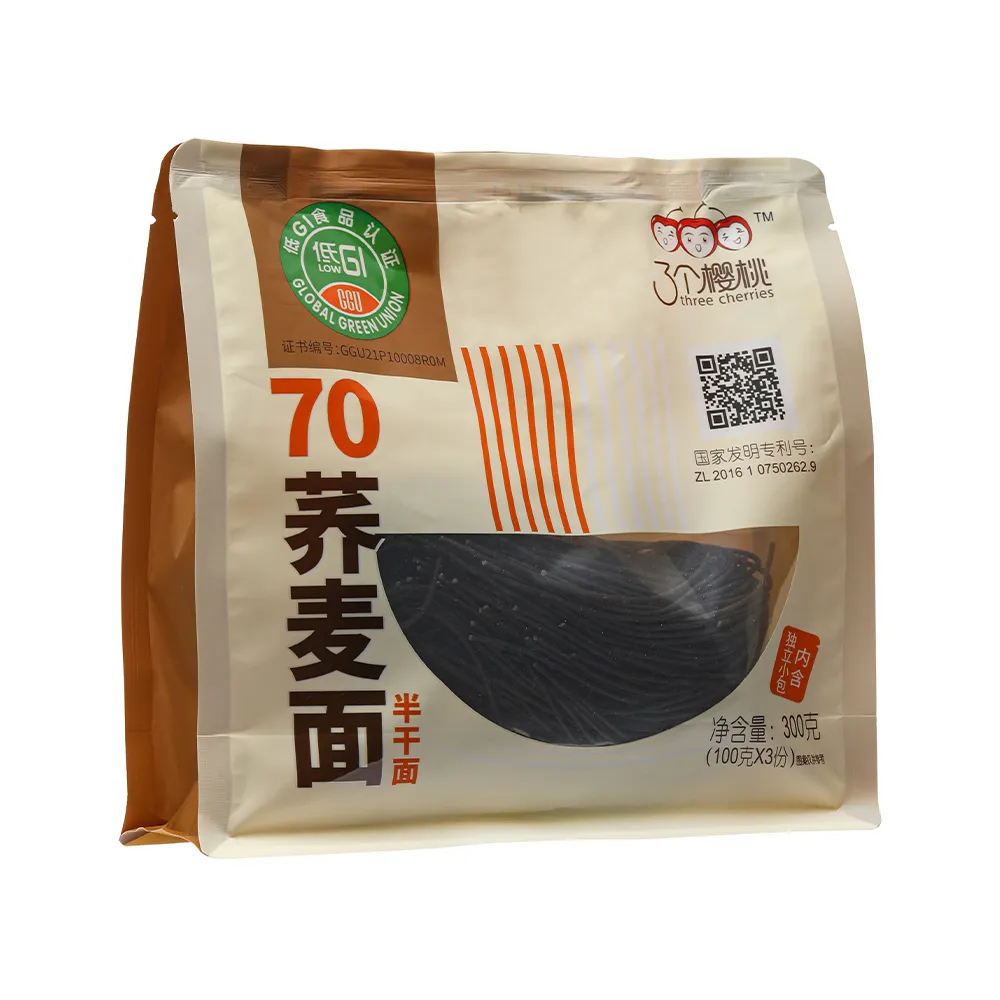

Full Wheat Pasta: Nutrition, Sustainability, and Global Impact Explained
Understanding Full Wheat Pasta: A Nutritional Staple for a Healthier Future
Full wheat pasta might seem like just a humble pantry staple, but it actually plays a surprisingly important role in global nutrition, sustainable agriculture, and food industry innovation. How so? Well, as more consumers demand healthier, more wholesome foods, and as food security remains a pressing challenge worldwide, understanding full wheat pasta—what it is and why it matters—gives us insight into better dietary choices and supporting sustainable farming practices.
Let’s dig in, shall we?
Introduction: Why Does Full Wheat Pasta Matter Globally?
Globally, wheat is one of the top staple crops feeding billions. According to the Food and Agriculture Organization (FAO) of the United Nations, wheat accounts for about 20% of the calories humans consume globally (1). But there’s a twist—the typical refined wheat pasta strips away the bran and germ, removing fiber, vitamins, and minerals. Full wheat pasta, however, retains these parts and provides more nutrition and fiber, which is linked to reduced risks of heart disease, diabetes, and digestive issues.
Plus, talk about sustainability — whole grain wheat farming, if done well, tends to promote soil health better than some monoculture crops, contributing indirectly to food system resilience (2). So, it’s not just about personal health; it intersects with broader food security and environmental concerns.
Yet, there’s a challenge: taste and texture perceptions keep some consumers from switching to whole wheat alternatives. Overcoming this hesitation is key to improving diets globally.
What Is Full Wheat Pasta?
Simply put, full wheat pasta is pasta made entirely from whole wheat flour, including the bran, germ, and endosperm—the parts that provide fiber, antioxidants, vitamins, and minerals. It differs from regular pasta, which typically uses refined wheat flour lacking many of those nutrients.
In technical terms, full wheat flour is milled from the complete wheat kernel, maintaining its natural components. This gives full wheat pasta a nuttier flavor and denser texture, and often a darker color. It’s embraced by health-conscious consumers, but also fits within modern food manufacturing trends aiming at nutrient-dense, minimally processed foods.
Core Components of Full Wheat Pasta
- Nutritional Integrity: Rich in dietary fiber, B vitamins, iron, magnesium, and antioxidants thanks to the intact bran and germ.
- Durability and Cooking Properties: Requires slightly longer cooking times and careful preparation to avoid mushiness—something food scientists optimize.
- Cost Efficiency: Milling whole grains can sometimes be more cost-effective due to less processing, though supply chain factors vary regionally.
- Sustainability: Supports better agricultural biodiversity and soil health compared to heavily refined grain production.
- Flavor Profile: Offers a richer, nuttier taste that sets it apart from conventional white pasta.
In real terms, those aspects mean manufacturers and consumers have to balance nutrition, taste, and preparation to make full wheat pasta appealing and practical.
Product Specifications of Popular Full Wheat Pasta (Example)
| Parameter | Typical Value | Unit |
|---|---|---|
| Fiber Content | 5.8 | g/100g |
| Protein | 12.5 | g/100g |
| Iron | 3.6 | mg/100g |
| Cooking Time | 9–11 | minutes |
| Color | Brownish | N/A |
Global Use Cases & Applications
Full wheat pasta finds its place not just in health-conscious homes, but in global food aid programs looking to improve nutrition without complex logistics. For instance, organizations providing emergency food relief often incorporate whole grain products to maintain fiber intake and micronutrients important for vulnerable populations (3).
In Europe, whole wheat varieties dominate certain regional diets and are seeing increased market share as consumers seek sustainable food options. Meanwhile, in the US and Australia, innovation in taste and texture has pushed full wheat pasta into mainstream cuisine, complemented by campaigns promoting whole grain consumption.
If you want to explore products related to grain-based pasta alternatives, check out full wheat pasta options.
Vendor Comparison: Leading Full Wheat Pasta Manufacturers
| Vendor | Fiber Content (g/100g) | Price (per kg) | Organic Certification | Global Shipping |
|---|---|---|---|---|
| GrainFresh Ltd. | 6.0 | $4.50 | Yes | Yes |
| Pasta Natura | 5.5 | $3.80 | No | Yes |
| Whole Grain Co. | 6.2 | $5.10 | Yes | Limited |
Advantages & Long-Term Value of Full Wheat Pasta
Honestly, full wheat pasta provides a neat combination of sustainability and nutrition. From a health angle, the higher fiber content keeps you fuller longer, stabilizes blood sugar, and supports gut health. That’s quite an emotional plus—knowing your meal helps more than just taste buds.
Environmentally, whole wheat products often entail less processing, meaning less energy use and fewer resources, fitting well with global sustainability goals (4). For families, it offers a more affordable way to incorporate fiber-rich diets without resorting to pricey supplements. Worth noting too: it’s stabile on shelves, making it reliable for both homes and humanitarian settings.
Emerging Trends & Innovations
The industry is noticing demand for softer texture whole wheat pasta, with innovations like proprietary milling techniques and dough conditioners that retain nutrition but improve mouthfeel. Oddly enough, this blend of tradition and science is becoming a hallmark.
Meanwhile, digital agriculture methods are enabling farmers to optimize wheat quality focusing on whole grain potential, leveraging sensors and AI analytics. Green energy is also filtering into mills, shrinking carbon footprints. All these create a future where full wheat pasta can be tastier, cheaper, and greener.
Challenges and Expert Solutions
Of course, it’s not all smooth sailing. The dense texture of whole wheat pasta sometimes puts off consumers used to silky refined pasta. Also, milling whole wheat can be trickier due to bran’s interference with gluten development, complicating manufacturing.
Yet, ingredient blending (mixing whole wheat with other flours), improved milling equipment, and modern pasta extrusion technologies are smoothing these wrinkles. Marketing strategies focusing on culinary education and recipes also help shift perceptions.
Frequently Asked Questions About Full Wheat Pasta
- Q: Does full wheat pasta take longer to cook than regular pasta?
A: Yes, usually it takes a couple of extra minutes because of higher fiber content, which affects water absorption. Typically, 9–11 minutes is standard. - Q: Is full wheat pasta more expensive than traditional pasta?
A: Sometimes marginally, due to different milling processes and certification costs, but prices vary widely by vendor and region. - Q: Can people with gluten sensitivities eat full wheat pasta?
A: No, full wheat pasta contains gluten like all wheat-based products, so it’s unsuitable for celiac disease or gluten sensitivity sufferers. - Q: How do I store full wheat pasta to maximize shelf life?
A: Store in a cool, dry place, ideally in airtight containers to avoid moisture and pests, similar to regular pasta. - Q: Are there organic full wheat pasta options?
A: Yes, many producers offer certified organic full wheat pasta, ensuring no synthetic pesticides or fertilizers are used.
Conclusion & Call to Action
When you consider full wheat pasta, it’s more than just a healthier alternative—it’s a bridge toward sustainable food futures, nutritional security, and improved well-being globally. Frankly, making the switch benefits your body, supports mindful agriculture, and encourages food systems to be more resilient. Curious to explore these options yourself? Visit https://www.jxsemidrynoodles.com for a wide selection of quality full wheat pasta products.
Oddly enough, appreciating such a simple food staple can open doors to wider understanding of nutrition, industry, and environment. Here’s to making informed, tasty choices!
Mini takeaway: Full wheat pasta blends nutrition, sustainability, and taste, making it a key player in future diets worldwide.
References:
1. FAO Wheat Production & Consumption Stats, 2023
2. ISO 22000 Food Safety Standards
3. UN Food Aid Programs Overview
4. Environmental Impact Reports on Agriculture (FAO)
-
Discover the Authentic Taste of Korean Buckwheat NoodlesNewsApr.16,2026
-
Discover the Refreshing Taste of Authentic Korean Cold SobaNewsApr.09,2026
-
Discover the Refreshing Taste of Korean Cold Buckwheat Noodles NaengmyeonNewsApr.07,2026
-
Discover the Cool and Refreshing World of Korean Buckwheat Noodles ColdNewsApr.04,2026
-
Discover the Refreshing Taste of Japanese Cold Buckwheat Noodles and Zaru SobaNewsMar.31,2026
-
Exploring the Delicious World of Chinese Style Cold NoodlesNewsMar.28,2026
-
Discover the Cool and Refreshing World of Korean Cold Soba NoodlesNewsMar.26,2026
Browse qua the following product new the we