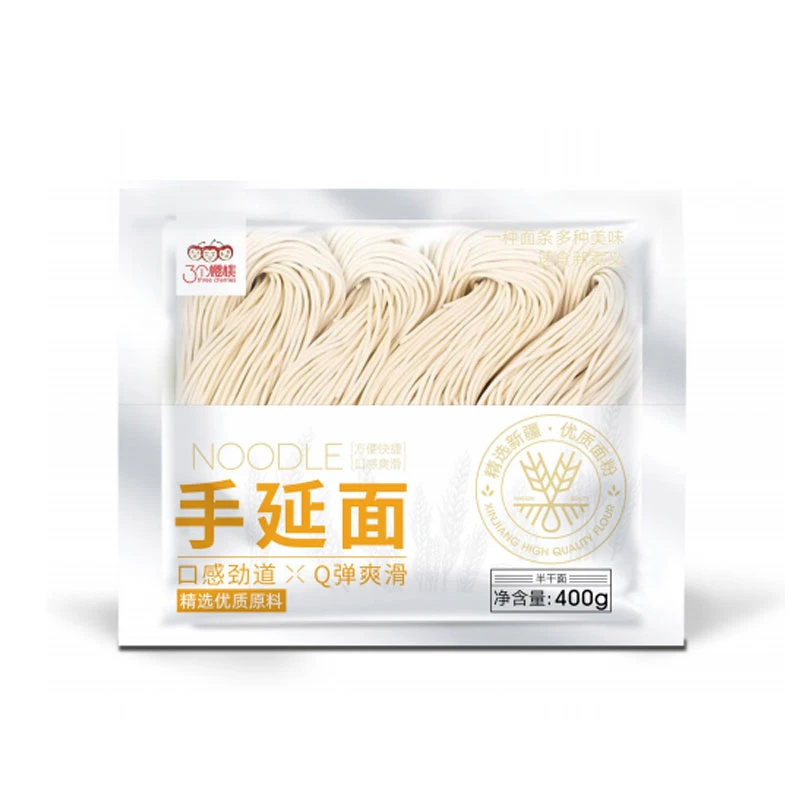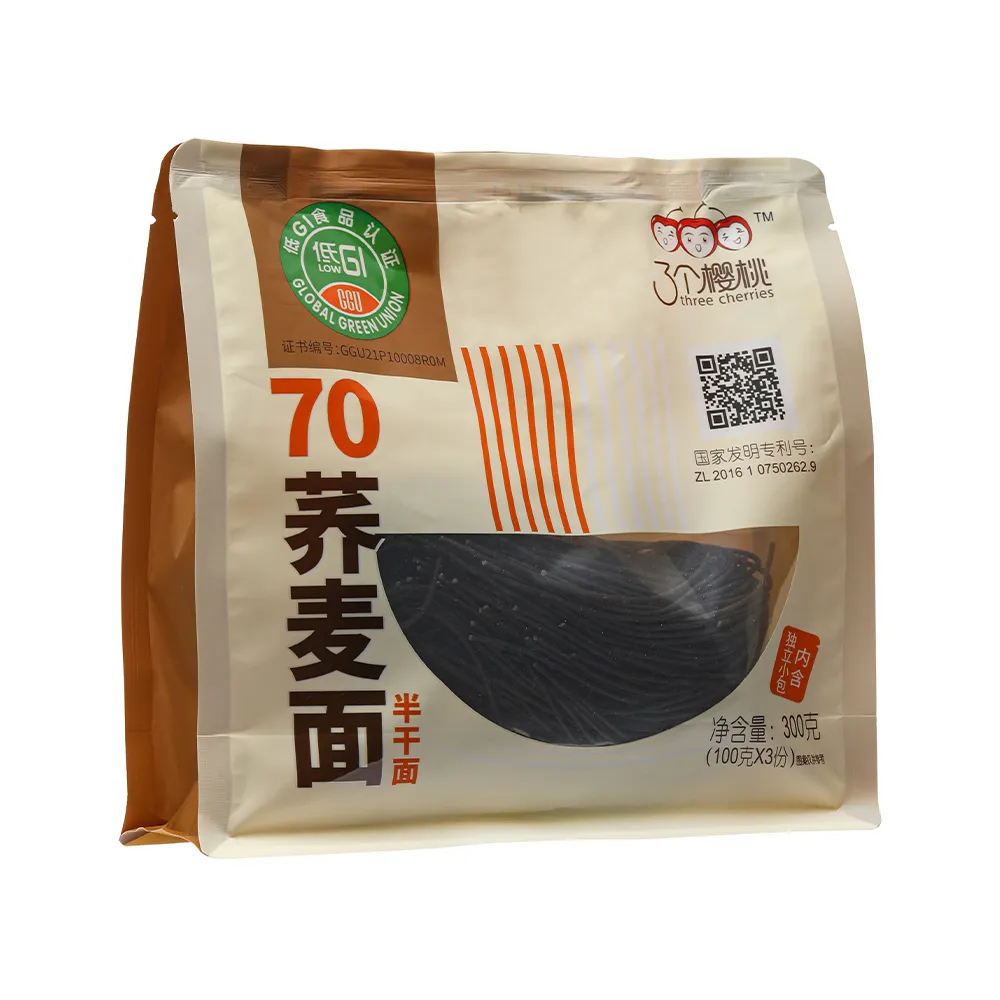

Good Noodles for Diabetics – Healthy, Low GI & Tasty Options for Diabetic Diets
What Are Good Noodles for Diabetics and Why Do They Matter?
When we talk about good noodles for diabetics, we really mean noodle products specially formulated to fit into diabetic diets without causing spikes in blood sugar. Globally, diabetes affects over 537 million adults — a figure climbing steadily every year, according to the International Diabetes Federation (IDF). That’s why finding staple foods like noodles that are both appealing and safe for diabetics is vital. Eating well can significantly reduce complications, provide energy, and improve quality of life.
It’s more than just a culinary detail. Good noodles for diabetics carry global importance because noodles are a fast, economical, and popular carbohydrate source worldwide — from Asia to Europe to the Americas. Creating noodles that balance taste, texture, and low glycemic impact is a technical and nutritional challenge worth exploring.
Setting the Stage: The Global Demand for Diabetic-Friendly Noodles
The rise in diabetes cases is often dubbed a modern epidemic, especially with urbanization, sedentary lifestyles, and aging populations. UNESCO reports that diet-related chronic diseases, including diabetes, impact economies tremendously with healthcare costs soaring. Yet, food innovation is one of the key strategies to curb these trends.
Popular noodle dishes are culturally significant worldwide. However, traditional noodles are usually made from refined wheat or rice flour, which tend to have high glycemic indexes (GI), causing rapid blood sugar spikes. This creates a problem for diabetic individuals trying to enjoy noodles without risking their health.
Enter the niche for good noodles for diabetics crafted with ingredients and methods that moderate their glycemic impact. These innovations strive to combine health benefits with familiar comfort foods, offering relief and practicality for millions globally.
Understanding What ‘Good Noodles for Diabetics’ Really Means
In simple terms, “good noodles for diabetics” are noodles designed with a lower glycemic index and optimized nutritional profile specifically to fit into diabetic meal plans. This often entails:
- Using whole grains, legume flours, or fiber-enriched ingredients
- Reducing refined starches and unnecessary sugars
- Balancing macronutrients like protein and fiber to slow carbohydrate absorption
From a humanitarian angle, such noodles support sustainable food access and nutrition for vulnerable communities affected by diabetes or limited access to specialized diets. Industries involved include food tech, healthcare meal planning, and nutritional policymaking.
Key Components of Good Noodles for Diabetics
1. Low Glycemic Index (GI)
The defining feature is a low GI, meaning the noodles release glucose slowly into the bloodstream. This helps avoid dangerous blood sugar spikes — a central goal for diabetic-friendly foods.
2. High Dietary Fiber Content
Fiber slows digestion and absorption and improves satiety. Many good diabetic noodles contain added soluble fiber, such as psyllium husk or oat bran, contributing to better blood sugar control.
3. Protein Fortification
Added protein — from soy, chickpeas, or quinoa — not only enhances nutrition but helps stabilize blood sugar levels and provides longer-lasting energy.
4. Minimal Additives and Preservatives
Clean label products reduce potential allergens and chemicals that might interfere with digestion or metabolism, which is especially important for health-conscious consumers.
5. Acceptable Texture and Taste
Let’s be honest, without good taste and texture, no one will eat these noodles no matter how healthy they are. Manufacturers balance traditional noodle chewiness with fiber-enrichment using smart food technology.
Mini takeaway: In real terms, these components intersect to create a noodle that feels familiar but actively supports diabetic diets. It's a clever blend of nutrition science and food engineering.
Global Trends & Applications in Diabetic-Friendly Noodles
From the dense urban markets of Tokyo to the expansive rural areas of India, demand for good noodles for diabetics is exploding. Health-conscious consumers in developed nations seek out specialty functional foods, while NGOs and public health bodies promote such options in regions with rising diabetes prevalence.
For example:
- In East Asia: Fortified buckwheat and konjac-based noodles have grown popular as diabetic alternatives.
- In Europe: Chickpea and lentil pasta varieties address both diabetic nutrition and sustainability goals.
- In humanitarian aid: Diabetic-friendly noodle packets are emerging as staple components of emergency food kits distributed by UN agencies and NGOs.
Product Specification of a Typical Diabetic-Friendly Noodle
| Specification | Typical Values |
|---|---|
| Main Ingredient | Whole grain buckwheat flour, konjac powder |
| Dietary Fiber | 7g per 100g |
| Protein Content | 12g per 100g |
| Glycemic Index | 30–40 (low) |
| Calories | 160 kcal per 100g |
| Shelf Life | 12 months (dry packaging) |
How Leading Vendors Compare in Diabetic-Friendly Noodle Options
| Vendor | Main Ingredient | GI Range | Fiber g/100g | Approx. Price/kg |
|---|---|---|---|---|
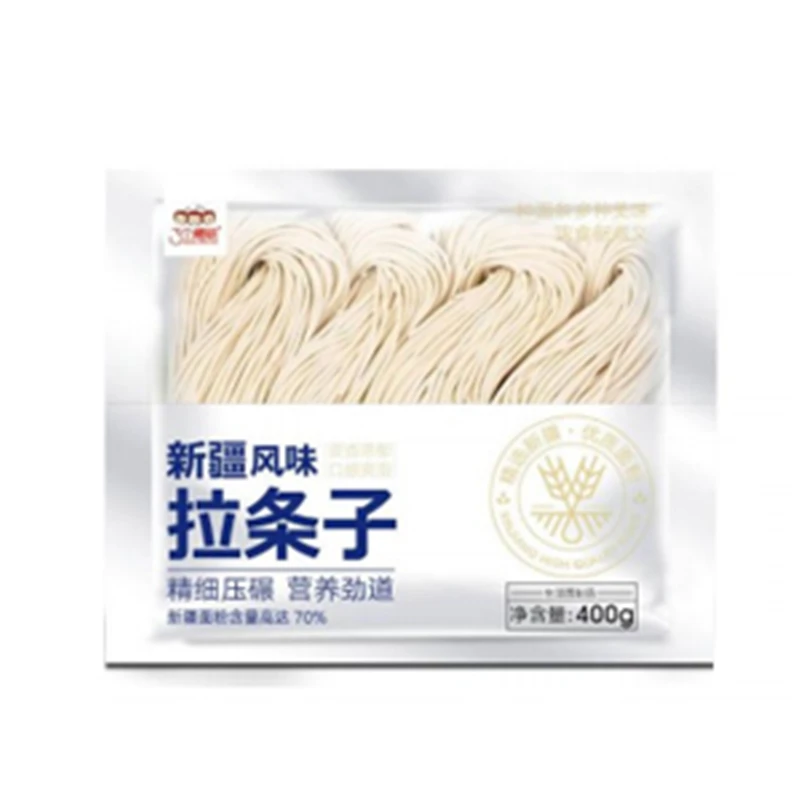
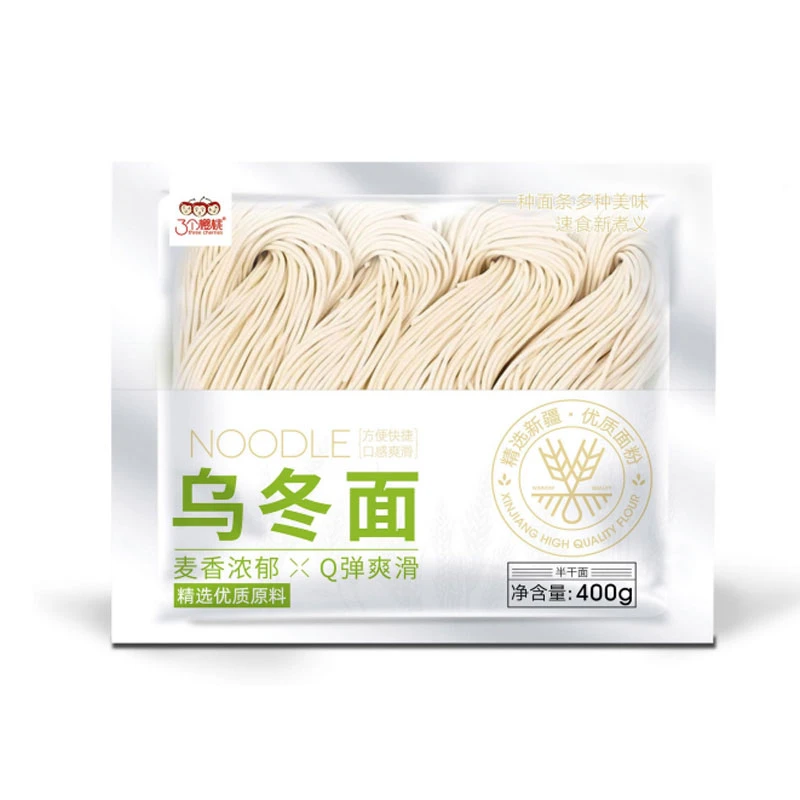
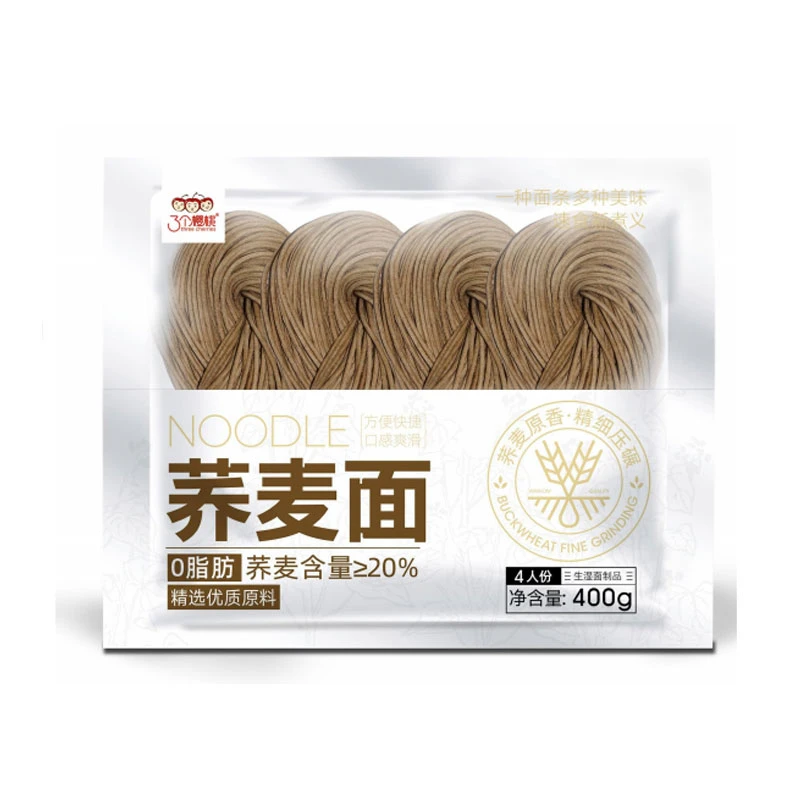
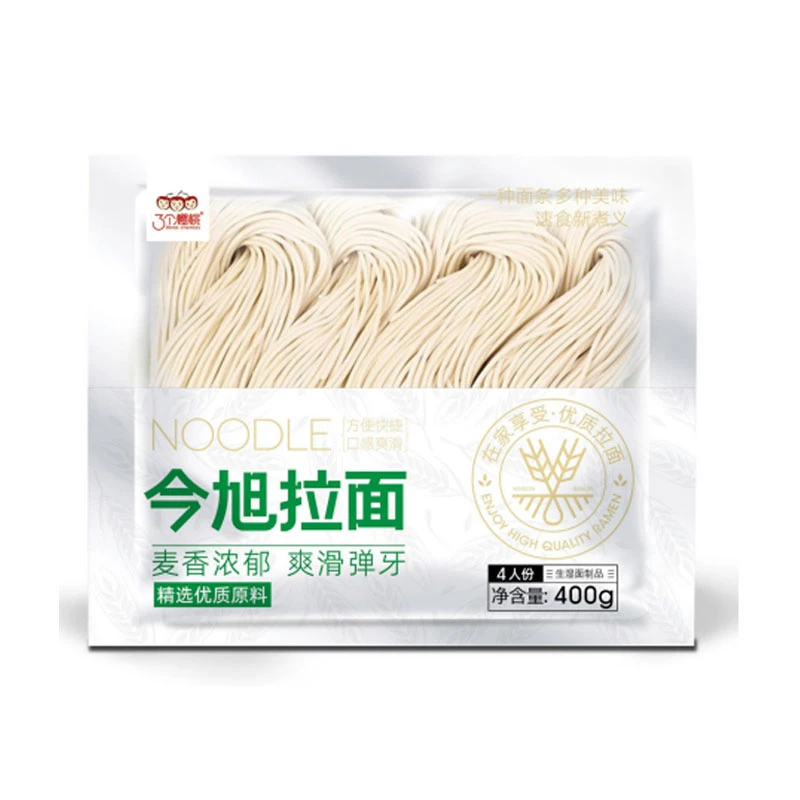
| JX Semi-Dry Noodles | Buckwheat + Konjac | 30–40 | 7 | $8.50 |
| Healthy Grain Co. | Chickpea Flour | 35–45 | 6 | $9.00 |
| NutriPasta Ltd. | Lentil + Pea Protein | 40–50 | 8 | $9.20 |
| EcoNoodle Corp. | Whole wheat + Fiber blend | 45–55 | 5 | $7.80 |
Why Choose Diabetic-Friendly Noodles? Advantages & Lasting Impact
Choosing good noodles for diabetics offers multiple benefits:
- Health-wise: Reduced blood sugar spikes and longer satiety improve overall metabolic health.
- Economic: Preventing diabetes complications lowers long-term healthcare costs.
- Sustainable: Many such noodles use plant-based ingredients that lower environmental footprints versus conventional noodles.
- Social and Emotional: Eating familiar foods supports dignity and happiness — which we often overlook but is so important.
Frankly, it feels like a win-win when nutrition science meets culinary satisfaction.
Future Innovations Shaping Good Noodles for Diabetics
Looking ahead, we can expect exciting new developments:
- Bioengineered grains: Crops bred for higher resistant starch and micronutrient content.
- Smart packaging: Incorporating freshness indicators and portion control aids.
- Digital recipe platforms: Personalized nutrition advice combined with convenient diabetic noodle products.
- Use of alternative proteins: From pea protein isolates to algae-derived ingredients enhancing nutrition.
Plus, with rising interest in “green” foods, sustainability will only further drive R&D efforts.
Overcoming the Challenges in Diabetic Noodle Production
Despite progress, there are hurdles remaining:
- Taste and texture compromises: Fiber and alternative flours sometimes alter noodle feel.
- Cost implications: Premium ingredients increase end-product price, limiting accessibility.
- Market education: Consumers often need guidance to switch from traditional noodles.
Manufacturers tackle these by iterative product tests, blending ingredients to mask unwanted flavors, and crafting marketing that educates diabetics and caregivers alike.
FAQ: Common Questions on Good Noodles for Diabetics
1. Are diabetic-friendly noodles suitable for all types of diabetes?
Most diabetic-friendly noodles cater primarily to type 2 diabetes due to their low GI and high fiber content. However, type 1 diabetics can also benefit by managing carbohydrate intake carefully. It’s always best to consult a healthcare professional for personalized advice.
2. How does the glycemic index of diabetic noodles compare to regular pasta?
Good noodles for diabetics typically have a GI ranging from 30 to 45, considered low, while regular pasta or noodles often range between 50 and 70. This difference means slower glucose absorption and better blood sugar control.
3. Can these noodles be cooked the same way as traditional ones?
Generally, yes. Though cooking times may differ slightly due to ingredient variations, most diabetic-friendly noodles are designed for familiar cooking methods to ensure ease of use.
4. Are diabetic noodles more expensive than conventional noodles?
Typically, yes. The use of specialty grains, protein-fortification, and fiber enrichment makes production costlier. However, prices are expected to come down with scaling and demand increases.
5. Where can I purchase good noodles for diabetics?
Many health food stores, diabetic specialty shops, and online vendors stock these noodles. For reliable quality, consider trusted manufacturers like JX Semi-Dry Noodles, known for their proven standards.
Wrapping Up: Why Good Noodles for Diabetics Are a Smart Choice
To sum it up, the rise of good noodles for diabetics reflects a smart alignment between health, taste, and global food trends. As diabetes prevalence grows, the demand for nourishing yet familiar staples like diabetic-friendly noodles will only increase. They not only help people maintain steady blood sugar but also improve food choices worldwide — a subtle but meaningful step toward a healthier planet.
Curious to explore more or taste-test yourself? Visit our website: https://www.jxsemidrynoodles.com for the latest in diabetic-friendly noodle innovations.
References
-
Discover the Authentic Taste of Korean Buckwheat NoodlesNewsApr.16,2026
-
Discover the Refreshing Taste of Authentic Korean Cold SobaNewsApr.09,2026
-
Discover the Refreshing Taste of Korean Cold Buckwheat Noodles NaengmyeonNewsApr.07,2026
-
Discover the Cool and Refreshing World of Korean Buckwheat Noodles ColdNewsApr.04,2026
-
Discover the Refreshing Taste of Japanese Cold Buckwheat Noodles and Zaru SobaNewsMar.31,2026
-
Exploring the Delicious World of Chinese Style Cold NoodlesNewsMar.28,2026
-
Discover the Cool and Refreshing World of Korean Cold Soba NoodlesNewsMar.26,2026
Browse qua the following product new the we