
What Type of Noodles Can Diabetics Eat: Best Choices for Blood Sugar Control
What Type of Noodles Can Diabetics Eat? Understanding the Choices
When you think “noodles,” the first thing that pops into mind is probably a steaming bowl of wheat pasta, right? But for diabetics, that simple comfort food can be a puzzle. What type of noodles can diabetics eat without spiking blood sugar or wrecking their meal plans? This question matters globally as diabetes affects hundreds of millions worldwide — a figure that the World Health Organization (WHO) reports has nearly quadrupled since 1980. With noodles being a staple in countless diets from Asia to Italy, deciphering which ones fit the diabetic lifestyle is crucial not only for health but for enjoyment too.
Understanding the right noodles for people with diabetes taps into nutrition science, cultural cuisine, and practical eating habits. And frankly, it can feel like a guessing game if you’re left to guess between the heavy carb load of traditional pasta and the myths surrounding more exotic options. Let’s navigate that complexity today.
Global Relevance: Why It’s a Big Deal to Know What Type of Noodles Diabetics Can Eat
Diabetes prevalence is soaring worldwide — the International Diabetes Federation estimated over 537 million adults were living with diabetes in 2021, with numbers projected to rise. Noodles are not just food; they're social, cultural, and economical cornerstones. From ramen shops in Tokyo to pasta makers in Naples, the type of noodles consumed can influence blood sugar management and long-term health outcomes for diabetics.
But here’s the challenge: most commercially available noodles are made from refined wheat flour, which spikes blood sugar rapidly. The task is to find alternatives that support diabetic nutrition guidelines without losing taste or tradition. what type of noodles can diabetics eat sits right at this culinary intersection of health and culture.
Defining the Question: What Type of Noodles Are Safe and Beneficial for Diabetics?
Simply put, “what type of noodles can diabetics eat” refers to choosing noodles that have a low glycemic index (GI), high fiber, and don't cause rapid glucose spikes. Low-GI foods release glucose slowly, helping diabetics maintain stable blood sugar levels. More than just a nutrition label, this involves traditional foods reimagined through the lens of health science and modern dietary needs.
It’s about options: those noodles made with whole grains, legumes, or alternatives like konjac or shirataki noodles that many nutritionists now endorse. This also ties into broader industry efforts where food producers innovate toward healthier formats that fit diabetic diets globally.
Key Factors When Considering Noodles for Diabetics
1. Glycemic Index and Carbohydrate Quality
The GI determines how fast a food elevates blood sugar. White wheat noodles typically have a moderate to high GI (~50-70), but whole-grain, buckwheat, or legume-based noodles tend to have lower GIs (below 50). For diabetics, lower GI means better blood sugar control.
2. Fiber Content
Fiber, especially soluble fiber, slows digestion and glucose absorption. Noodles made from whole grains or chickpeas pack more fiber, making them a smarter choice.
3. Protein and Micronutrient Presence
Incorporating protein or nutrients like magnesium and zinc can aid glucose metabolism. Some noodles blend legume flours or added seeds to boost nutrition beyond just carbs.
4. Processing Techniques
Minimal processing preserves nutrients. There’s a marked difference between handmade soba noodles and industrially refined pasta in terms of nutritional impact.
5. Serving Size and Preparation Method
This crucial but often overlooked factor determines glycemic response. Al dente cooking (firm noodles) has a lower GI than overcooked soft noodles.
Mini takeaway: Ultimately, diabetics benefit most from noodles low in refined carbs, enriched with fiber and protein, and prepared thoughtfully.
Global Applications & Use Cases
Countries with high noodle consumption are exploring diabetic-friendly variants. For instance:
- Japan: Konjac or shirataki noodles made from glucomannan fiber, very low in carbs and calories, are popular among diabetics.
- Italy: Whole grain and legume-based pastas gain traction as alternatives for diabetic-friendly Mediterranean diets.
- India: Millet-based noodles provide a gluten-free low-GI option beneficial in regions with high diabetes prevalence.
In real-world terms, diabetic meal programs in hospitals and nursing homes increasingly offer alternative noodles. Even global food companies are innovating — introducing chickpea, lentil, or vegetable-enriched noodles that appeal across different markets.
Advantages & Long-Term Value
Why go through the trouble? Diabetic-appropriate noodles provide more than blood sugar benefits. They can:
- Improve Dietary Variety: Making diabetic diets more enjoyable and sustainable.
- Enhance Overall Health: More fiber and nutrients reduce cardiovascular risks.
- Empower Social Dining: Allow diabetics to participate without restrictions.
- Support Sustainable Agriculture: Alternative grains often have lower environmental footprints.
On a personal level, many diabetics say integrating these new noodles renews their sense of food freedom — which is not trivial.
Future Trends & Innovations in Diabetic-Friendly Noodles
Several exciting directions are shaping the future:
- Plant-Based and Functional Ingredients: Noodles fortified with prebiotics, collagen, or antioxidants.
- 3D Printing of Customized Noodles: Tailoring carb content or fiber levels per individual need.
- Clean Labelling and Transparency: Consumers want to know exact nutritional data, pushing producers to improve standards.
- Sustainability: Use of pulses and ancient grains with lower water/carbon footprints.
Manufacturers also look at automation in production to meet growing diabetic and health-conscious demand worldwide.
Challenges & Solutions
Of course, difficulties persist:
- Taste and Texture: Replacement noodles can sometimes lack the ‘mouthfeel’ people crave.
- Availability and Cost: Specialty noodles often run pricier and are less accessible worldwide.
- Consumer Awareness: Many still don’t know what type of noodles can diabetics eat, or how to prepare them properly.
Experts suggest education campaigns combined with recipe innovation can overcome these challenges. Also, expanding supply chains and subsidies can help diabetic-friendly noodles become everyday options.
Product Specification Table: Popular Diabetic-Friendly Noodles
| Noodle Type | Glycemic Index (GI) | Fiber (g/100g) | Protein (g/100g) | Typical Serving Size |
|---|---|---|---|---|
| Shirataki (Konjac) | ~0–5 | 2–3 | 0–1 | 150g (cooked) |
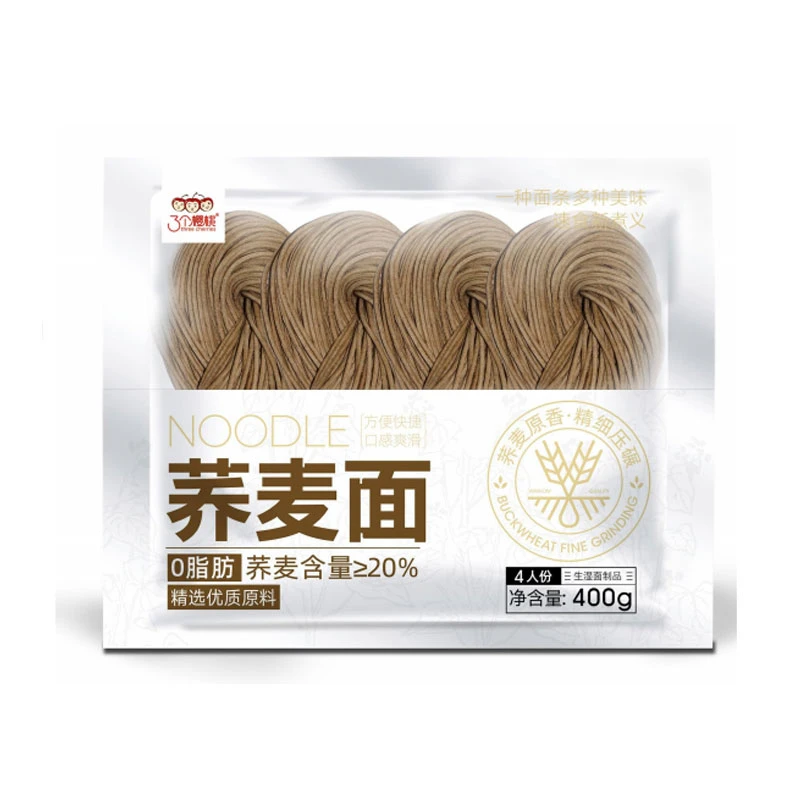
| Buckwheat Soba | ~45–50 | 4–5 | 8–10 | 120g (cooked) |
| Chickpea Pasta | ~35–40 | 6–8 | 20–22 | 100g (dry) |
| Whole Wheat Pasta | ~37–45 | 5–6 | 10–12 | 100g (dry) |
Vendor Comparison Table: Leading Diabetic-Friendly Noodle Brands
| Brand | Noodle Types | Availability | Price Range (per 500g) | Certified Organic |
|---|---|---|---|---|
| Miracle Noodles | Shirataki | Global online & select retailers | $4–7 | No |
| Banza | Chickpea pasta | US supermarkets & online | $5–8 | Yes |
| Explore Cuisine | Black bean, lentil pasta | Online & specialty stores | $6–9 | Yes |
Frequently Asked Questions About What Type of Noodles Can Diabetics Eat
- Q: Are shirataki noodles really safe for diabetics?
- A: Yes, shirataki noodles are extremely low in digestible carbs and calories, making them excellent for blood sugar control. They are mostly fiber (glucomannan) which slows glucose absorption and helps satiety.
- Q: Can diabetics eat whole wheat pasta regularly?
- A: Whole wheat pasta has a lower glycemic index compared to refined pasta and contains more fiber and protein. Moderation and portion control remain important to avoid blood sugar spikes.
- Q: Are legume-based noodles better than traditional wheat noodles for diabetes?
- A: Generally, yes. Chickpea and lentil pastas have lower GI, higher fiber and protein, which benefit blood sugar stability and provide sustained energy.
- Q: How does cooking method influence noodles’ impact on blood sugar?
- Cooking noodles to al dente firmness results in lower glycemic response compared to overcooked soft noodles because the starches are less gelatinized and digested more slowly.
- Q: Where can I find diabetic-friendly noodles?
- Many health food stores, online retailers, and supermarkets now stock low-GI or alternative noodles such as shirataki, chickpea pasta, and whole grain variants. Check local availability or online platforms.
Conclusion: Making Informed Noodle Choices for Diabetes Wellness
Choosing what type of noodles can diabetics eat is more than a dietary tweak — it’s a small but vital shift toward better health and enjoyment of life. From the humble shirataki noodle to nutrient-packed legume pastas, accessible options exist worldwide for every palate and budget. Understanding these choices empowers people with diabetes to navigate meals with confidence and even find pleasure in food again.
To discover more about diabetic-friendly noodles and explore nutritious recipes, visit our website: https://www.jxsemidrynoodles.com
References
-
Discover the Authentic Taste of Korean Buckwheat NoodlesNewsApr.16,2026
-
Discover the Refreshing Taste of Authentic Korean Cold SobaNewsApr.09,2026
-
Discover the Refreshing Taste of Korean Cold Buckwheat Noodles NaengmyeonNewsApr.07,2026
-
Discover the Cool and Refreshing World of Korean Buckwheat Noodles ColdNewsApr.04,2026
-
Discover the Refreshing Taste of Japanese Cold Buckwheat Noodles and Zaru SobaNewsMar.31,2026
-
Exploring the Delicious World of Chinese Style Cold NoodlesNewsMar.28,2026
-
Discover the Cool and Refreshing World of Korean Cold Soba NoodlesNewsMar.26,2026
Browse qua the following product new the we