
Soba Noodles and Diabetes: A Nutritional Approach to Better Blood Sugar Control
The Intersection of Soba Noodles and Diabetes: Why It Matters More Than You Think
If you've ever considered how noodles fit into a diabetic diet, you're not alone. Soba noodles, those slender buckwheat strands with origins steeped in Japanese culture, have recently gained attention in the world of diabetes management. This isn’t just a niche culinary topic anymore; globally, as diabetes prevalence continues to rise (the International Diabetes Federation estimates 537 million adults living with diabetes worldwide in 2021²), understanding how traditional foods like soba noodles interact with blood sugar control becomes ever more critical. It’s about unpacking nutritional benefits, glycemic impacts, and how these humble noodles might just be a better alternative to other pasta options.
Particularly in Asia, and increasingly across global health initiatives, soba noodles have emerged as a food worthy of study — partly because they offer some unique benefits that seem promising for diabetics and nutritionists alike.
Why Soba Noodles and Diabetes Matter on a Global Scale
Diabetes is among the most pressing non-communicable diseases worldwide, influenced by lifestyle and dietary patterns. According to the World Health Organization, the disease is projected to rise, and diet plays a prime and modifiable role. Given that many cultures rely heavily on carbohydrate-rich staples, identifying better carbohydrate sources is a priority.
Soba noodles come into this narrative due to the buckwheat flour base — a grain that’s lower on the glycemic index compared to refined wheat or rice. The subtle difference might mean better blood sugar control for diabetics and people at risk.
Still, navigating between traditional eating habits, availability, cost, and nutritional adequacy is a challenge for the global food industry and public health policymakers — soba noodles and diabetes are at the heart of that dialogue.
Mini takeaway:
- The rising global diabetes burden has heightened interest in foods like soba noodles.
- Understanding soba’s role brings together culture, nutrition, and disease management.
What Are Soba Noodles and Diabetes? Breaking It Down
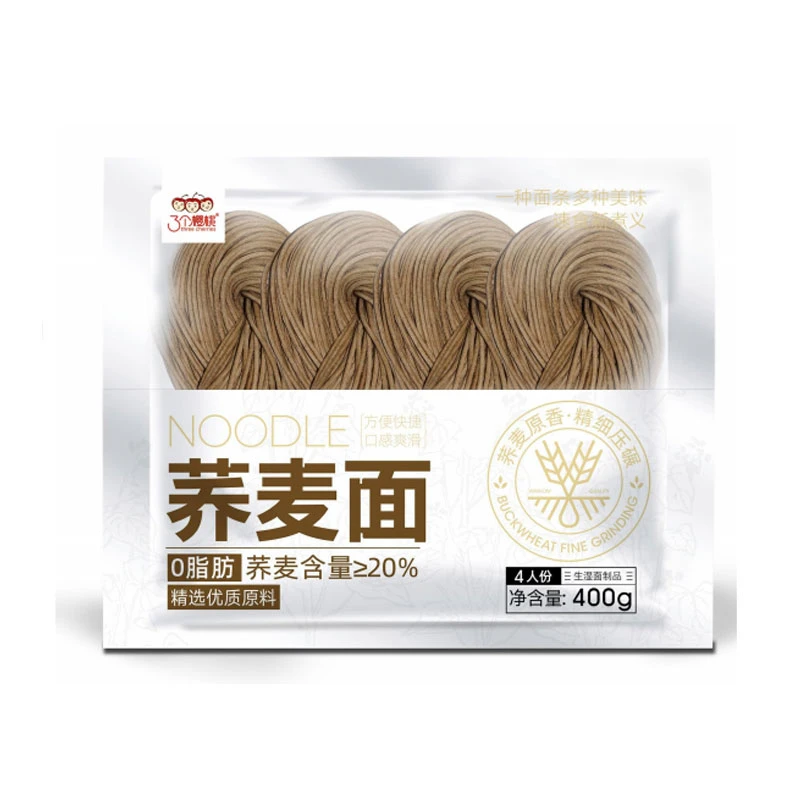
First, a quick refresher. Soba noodles are thin noodles traditionally made from buckwheat flour, common in Japanese cuisine. They are usually less processed than typical pasta and often mixed with some wheat flour for texture.
Diabetes mellitus is a chronic metabolic disorder where the body struggles to manage blood glucose levels, either due to insufficient insulin production or resistance to insulin’s effect. This leads to elevated blood sugar, with long-term complications if uncontrolled (heart disease, neuropathy, kidney damage).
The real connection between soba noodles and diabetes lies in how the former affects blood sugar (glycemic response) compared to other carbohydrate sources.
Mini takeaway:
- Soba noodles = primarily buckwheat-based noodles, lower glycemic impact.
- Diabetes requires careful monitoring of carbs — making soba an interesting choice.
Key Factors Determining Soba Noodles’ Role in Diabetes Management
1. Glycemic Index and Blood Sugar Control
Buckwheat, the primary ingredient in soba, has a lower glycemic index (~54) than refined wheat pasta (~70). This means consuming soba noodles causes a slower, steadier rise in blood sugar, which is beneficial for diabetics. Many nutritionists say this subtle difference can help improve long-term glucose control when integrated into a balanced diet.
2. Nutritional Content: Beyond Carbs
Unlike white pasta, soba offers more fiber and a decent protein profile. Buckwheat is also rich in antioxidants and essential minerals like magnesium and manganese. These components support metabolic health and may even improve insulin sensitivity over time.
3. Cultural Acceptance and Accessibility
For soba to be a practical option for diabetics worldwide, it needs to be culturally accepted and widely available. While it is popular in Japan, efforts are ongoing to introduce it into Western diets, which favor wheat or rice products.
4. Preparation and Additives
Not all soba noodles are created equal. Some commercial products blend buckwheat with wheat flour; others add flavorings or sodium. These factors can influence the health impact and should be monitored, especially for diabetics sensitive to sodium or refined carbs.
5. Cost and Sustainability
Buckwheat cultivation is typically less intensive and more environmentally friendly than wheat, making soba noodles appealing from a sustainability perspective. However, price and supply chains can be a barrier outside production zones.
Mini takeaway:
- Soba’s low glycemic index, fiber, and nutrients make it attractive for diabetic diets.
- Practicality depends on cultural suitability and preparation methods.
How Soba Noodles Are Used Globally for Diabetes Management
The practical application of soba noodles and diabetes management is multi-faceted. In Japan, soba noodles are commonly consumed regardless of health status but have found renewed interest in diabetic-friendly meal designs.
In other parts of East Asia, nutritionists recommend soba as an alternative carbohydrate, especially in urban centers with rising diabetes rates. For example, diabetic dietary guidelines in South Korea have begun to include buckwheat-based noodles as a moderate GI food.
Western countries, though slower to adopt, have started exploring buckwheat noodles in health food markets and diabetic-friendly food kits.
| Brand | Buckwheat Content | Serving Size (g) | Calories per Serving | Glycemic Index | Gluten-Free |
|---|---|---|---|---|---|
| Yamato Soba | 100% | 100 | 330 | 54 | Yes |
| Nissin Buckwheat Blend | 80% | 90 | 310 | 58 | No |
| Mountain Valley Soba | 90% | 110 | 340 | 53 | Yes |
Advantages of Embracing Soba Noodles in Diabetic Diets
Practically speaking, the shift to soba noodles offers advantages beyond blood sugar control:
- Cost-effective nutrition: Buckwheat is often affordably grown, and noodles are relatively inexpensive compared to specialty diabetic foods.
- Sustainability: Buckwheat is a resilient crop that requires fewer pesticides and water, aligning with eco-friendly food trends.
- Improved satiety and digestion: The fiber content helps curb hunger pangs and supports gut health.
- Emotional comfort: For many Asian diabetics, soba noodles are a familiar food — reinforcing quality of life and dignity.
Mini takeaway:
Choosing soba noodles is as much about preserving culture and lifestyle as it is managing diabetes pragmatically.
Emerging Trends: The Future of Soba Noodles and Diabetes-friendly Foods
Keep an eye on these exciting developments:
- Fortified buckwheat noodles: Adding vitamins, minerals, or functional fibers to boost diabetic benefits.
- Gluten-free innovations: 100% buckwheat soba noodles crafted for gluten intolerance and diabetes care.
- Digital glycemic monitoring: Apps and smart kitchen tools helping diabetics quantify the impact of soba noodles in real time.
- Sustainable farming practices: Integrating buckwheat cropping into crop rotations to reduce environmental footprint.
Challenges and Practical Solutions
Of course, soba noodles aren’t a miracle cure. Here are some common hurdles:
- Variable Quality: Mixing with wheat flour can raise glycemic index unexpectedly. Solution? Look for 100% buckwheat versions and trusted brands.
- Cultural Resistance: Western consumers may struggle with buckwheat’s nutty flavor. Solution? Culinary education and recipe development tailored to local palettes.
- Price and Availability: High-quality soba can be pricey or hard to find in some regions. Solution? Scaling production and improving supply chains via government and NGO support.
FAQ: Common Questions About Soba Noodles and Diabetes
- Are soba noodles safe for people with type 2 diabetes?
- Yes, soba noodles, especially those made from 100% buckwheat, have a lower glycemic index than many other noodles, which helps moderate blood sugar spikes. However, portion control and overall diet balance remain important.
- How do soba noodles compare nutritionally to traditional wheat pasta?
- Soba tends to have more fiber, protein, and certain minerals like magnesium, which benefit metabolism and blood sugar management. Wheat pasta is higher in gluten and usually causes quicker glucose spikes.
- Can I eat soba noodles every day if I have diabetes?
- While they can be part of a healthy diabetic meal plan, variety matters. Rotating with other low-GI carbohydrates is recommended to provide balanced nutrition and avoid monotony.
- Is homemade soba better than store-bought for diabetics?
- Homemade soba allows control over ingredients and ensures 100% buckwheat content, but it’s time-consuming. High-quality packaged soba noodles with verified buckwheat content are practical alternatives.
- Where can I find reliable information on incorporating soba into a diabetic diet?
- Consult certified dietitians and check reputable health websites such as the soba noodles and diabetes page, the American Diabetes Association, or WHO guidelines.
Wrapping It Up: Why Soba Noodles Deserve a Spot in Diabetes Conversations
Balancing taste, tradition, nutrition, and medical needs isn’t easy — but soba noodles offer a unique mix that many find valuable. With their moderate glycemic impact, enriched nutrient profile, and cultural resonance, these noodles could become a small but significant part of diabetes dietary strategies around the world.
If you’re interested in exploring the benefits further, or want access to quality products and expert advice, don’t hesitate to visit our website. Sometimes, small shifts around the dinner table can have long-lasting impacts on health.
References
- International Diabetes Federation – What is Diabetes?
- World Health Organization – Diabetes Fact Sheet
- Wikipedia – Glycemic Index
| Vendor | Buckwheat % | Certifications | Price Range ($/kg) | Global Shipping | Customer Rating |
|---|---|---|---|---|---|
| Yamato Foods | 100% | ISO 22000, Organic | $6.50 - $8.00 | Yes | 4.7/5 |
| Nissin Corp | 80% | ISO 9001 | $5.00 - $6.50 | Limited | 4.2/5 |
| Mountain Valley Organics | 90% | Organic, Gluten-Free | $7.00 - $9.00 | Yes | 4.9/5 |
-
Discover the Authentic Taste of Korean Buckwheat NoodlesNewsApr.16,2026
-
Discover the Refreshing Taste of Authentic Korean Cold SobaNewsApr.09,2026
-
Discover the Refreshing Taste of Korean Cold Buckwheat Noodles NaengmyeonNewsApr.07,2026
-
Discover the Cool and Refreshing World of Korean Buckwheat Noodles ColdNewsApr.04,2026
-
Discover the Refreshing Taste of Japanese Cold Buckwheat Noodles and Zaru SobaNewsMar.31,2026
-
Exploring the Delicious World of Chinese Style Cold NoodlesNewsMar.28,2026
-
Discover the Cool and Refreshing World of Korean Cold Soba NoodlesNewsMar.26,2026
Browse qua the following product new the we