
Udon Noodles Price: Industrial Insights & Vendor Comparison
Understanding Udon Noodles Price: Insights from Industry Experience
Having spent more than a dozen years in the industrial food equipment and ingredient supply sector, I can tell you: udon noodles price is not quite as straightforward as you might think. It’s a little like machinery specs—there’s more under the surface than just a tag.
When we talk about udon noodles, we’re really discussing a mix of tradition, material quality, and manufacturing techniques—all of which naturally affect the price. Oddly enough, it’s not just the wheat flour or water ratio that matters but also how the noodles are processed, packaged, and even how well they travel in the supply chain.
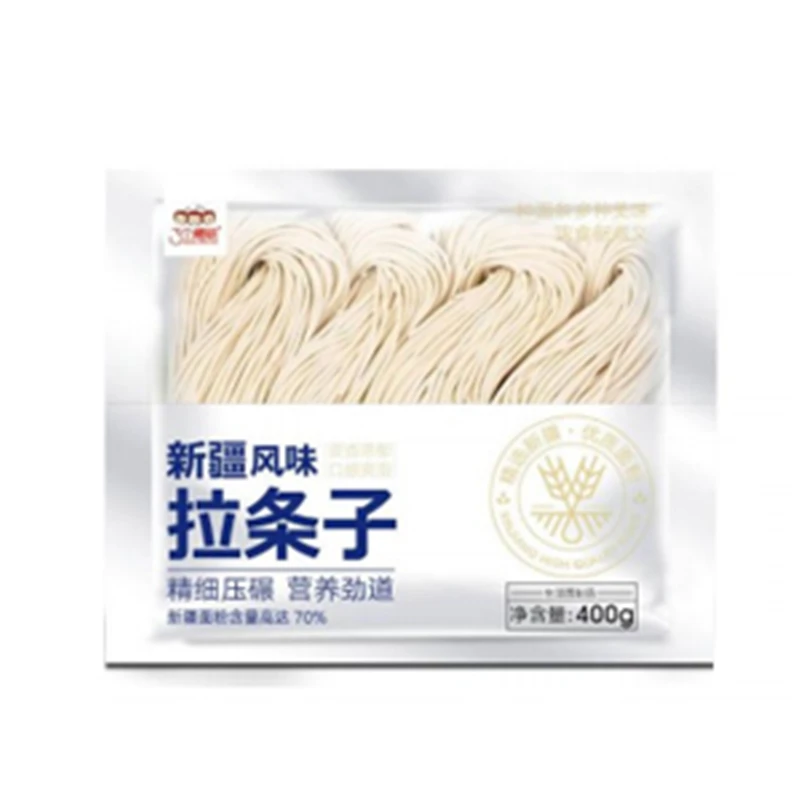
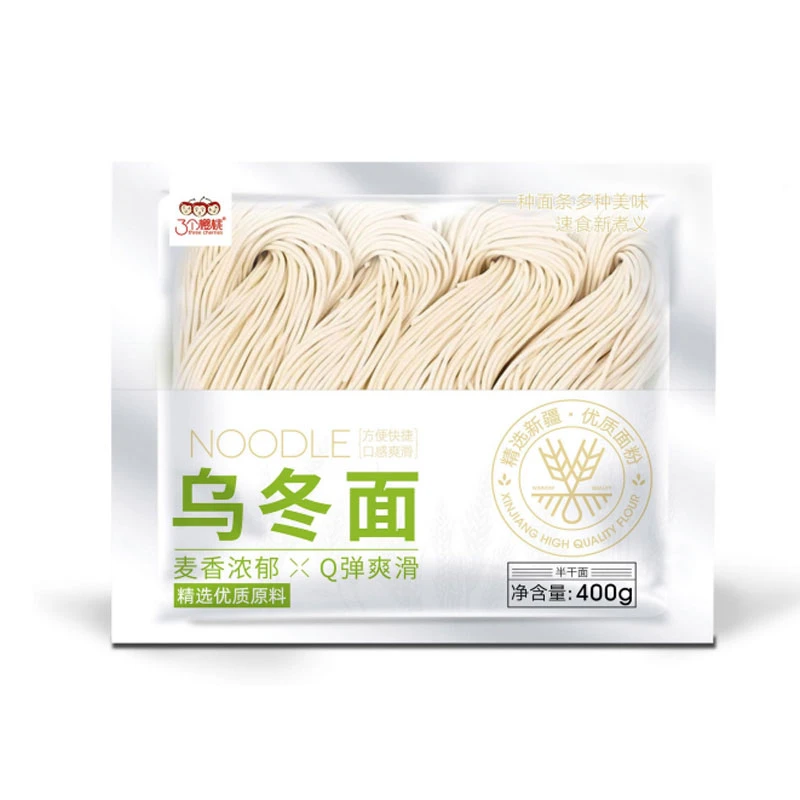
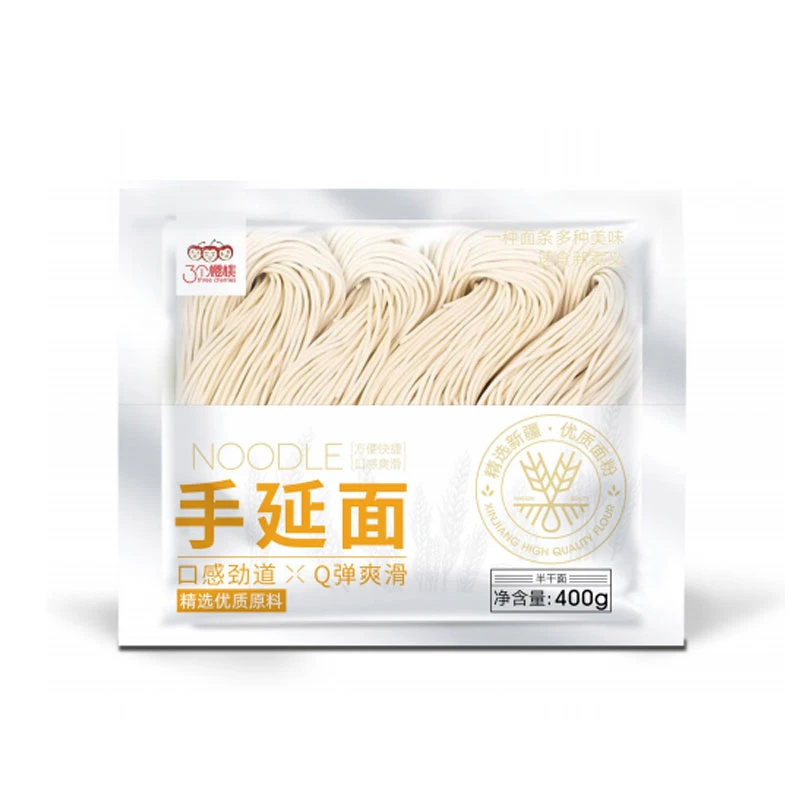
In the industrial context, udon noodles come primarily as semi-dry products, which sort of bridges the gap between fresh and dried. That’s critical because it impacts shelf life and ultimately the pricing strategy. In real terms, the semi-dry process allows suppliers to optimize moisture content to maintain chewiness without resorting to extreme preservatives or freezing, both of which can hike costs.
Product Specifications: Understanding What You’re Paying For
| Specification | Details |
|---|---|
| Type | Semi-dry udon noodles |
| Main Ingredients | Wheat flour, water, salt |
| Moisture Content | 30-35% |
| Shelf Life | 15-21 days refrigerated |
| Packaging | Vacuum-sealed packs, 500g-1kg |
| Typical Price Range | $3.50 - $5.50 per pack |
I recall when we first introduced these semi-dry udon noodles to a regional food processor. They were used to supplying standard dry noodles at a lower price point and were initially taken aback by the cost difference. But after a few weeks of quality tests and customer feedback, it was clear—those extra cents meant a more authentic texture and longer shelf life. In food production, especially at scale, even slight quality improvements can justify price increases pretty fast.
Vendor Comparison: Finding the Best Value for Udon Noodles Price
| Vendor | Price per Pack | Quality | Packaging | Lead Time |
|---|---|---|---|---|
| JX Semi Dry Noodles | $3.80 | Consistently high, authentic texture | Vacuum-sealed, custom sizes available | 7-10 days |
| Generic Dry Noodle Supplier | $3.00 | Average, sometimes brittle | Standard plastic bags | 5-7 days |
| Premium Fresh Noodle Maker | $5.20 | Excellent, very fresh taste | Refrigerated packs | 2-3 days |
Now, if you’re like many engineers and procurement specialists I’ve worked with, you need more than a price label to make a decision. You want repeatable quality, reliable deliveries, and maybe even some flexibility on packaging sizes or custom formulations. I’ve noticed that JX Semi Dry Noodles tends to strike the best balance. Their combination of price, texture, and service has won over a lot of customers who aren’t just chasing the lowest cost (which frankly, sometimes backfires when quality drops).
While pricing itself obviously matters, the entire product ecosystem shapes the real value. Udon noodles priced at $3.80 but delivering consistent chewiness and shelf life can be a better deal than a $3 pack that tears apart in boiling water. I've found that knowing the supplier’s background, their quality controls, and packaging innovations often tips the scale in your favor.
Another tidbit: semi-dry noodles, especially from premium manufacturers, often provide better freezing tolerance. You can freeze them for longer storage without losing that characteristic udon bite. That’s not just a fun fact—it matters in logistics and inventory management.
Anyway, if you've been hunting around trying to decode the mystery behind udon noodles price, I hope the deeper look here helps. Don’t just buy the cheapest - the texture, shelf life, and supplier reliability will pay off down the line.
Feel free to check out the vendor I mentioned — their more than a decade of expertise clearly shows.
In closing, it's always been my experience that value in the industrial food ingredient market is as much about consistency and service as about price tags alone.
References:
- JX Semi Dry Noodles Product Brochure, 2023.
- Industry Reports on Asian Noodle Market Trends, 2021-2023.
- Interviews with food processing experts (personal communication, 2022).
Thanks for reading — here’s hoping your next udon noodle procurement is as smooth as that perfect bowl.
-
Discover the Authentic Taste of Korean Buckwheat NoodlesNewsApr.16,2026
-
Discover the Refreshing Taste of Authentic Korean Cold SobaNewsApr.09,2026
-
Discover the Refreshing Taste of Korean Cold Buckwheat Noodles NaengmyeonNewsApr.07,2026
-
Discover the Cool and Refreshing World of Korean Buckwheat Noodles ColdNewsApr.04,2026
-
Discover the Refreshing Taste of Japanese Cold Buckwheat Noodles and Zaru SobaNewsMar.31,2026
-
Exploring the Delicious World of Chinese Style Cold NoodlesNewsMar.28,2026
-
Discover the Cool and Refreshing World of Korean Cold Soba NoodlesNewsMar.26,2026
Browse qua the following product new the we