
Buckwheat Noodles: Authentic, Low-GI Soba at Great Value
Low GI70 soba: a journalist’s take on a quietly trending buckwheat classic
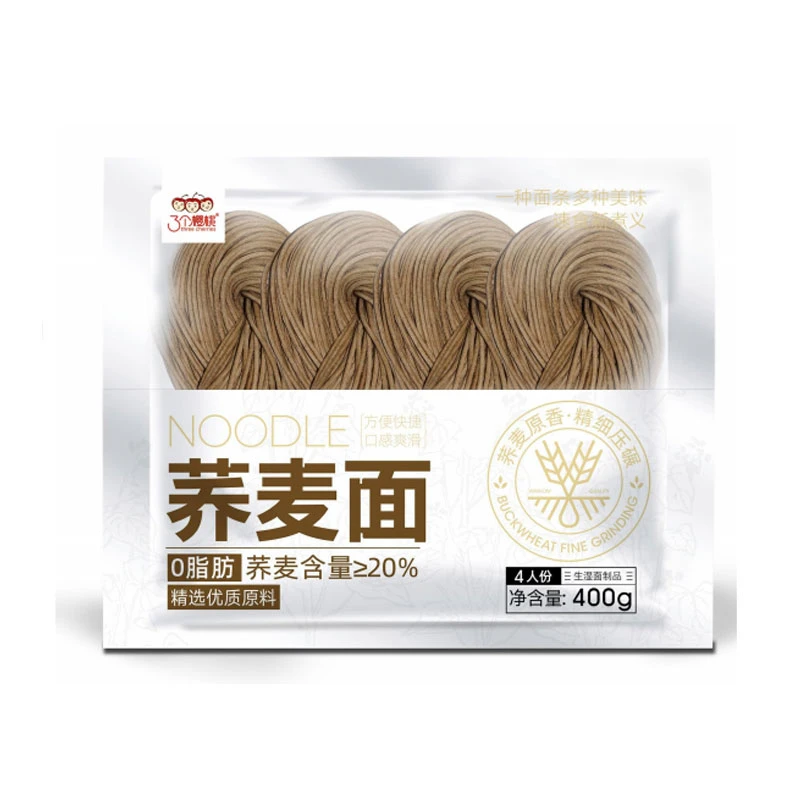
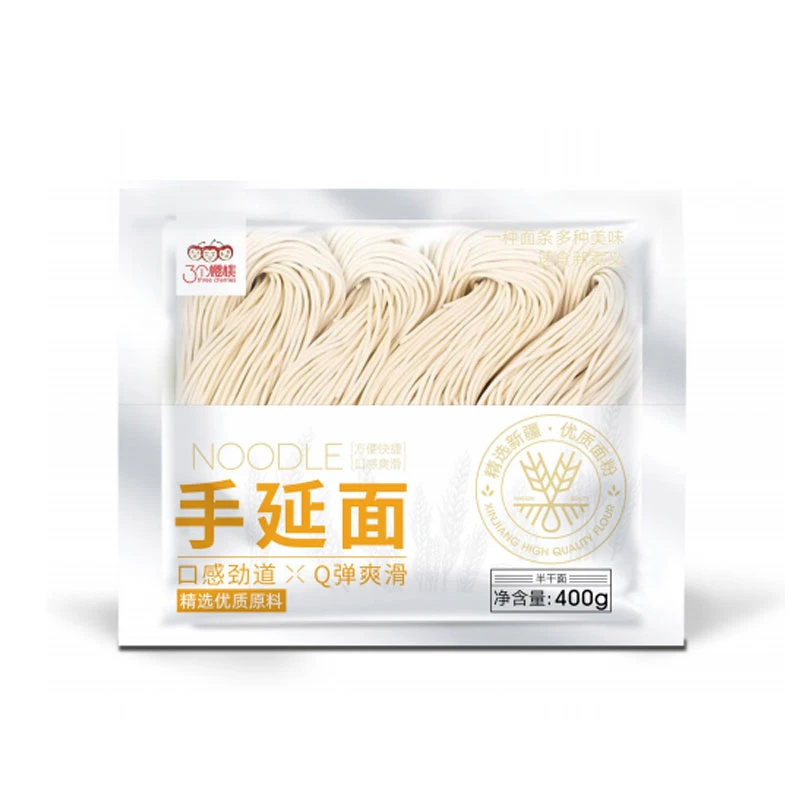
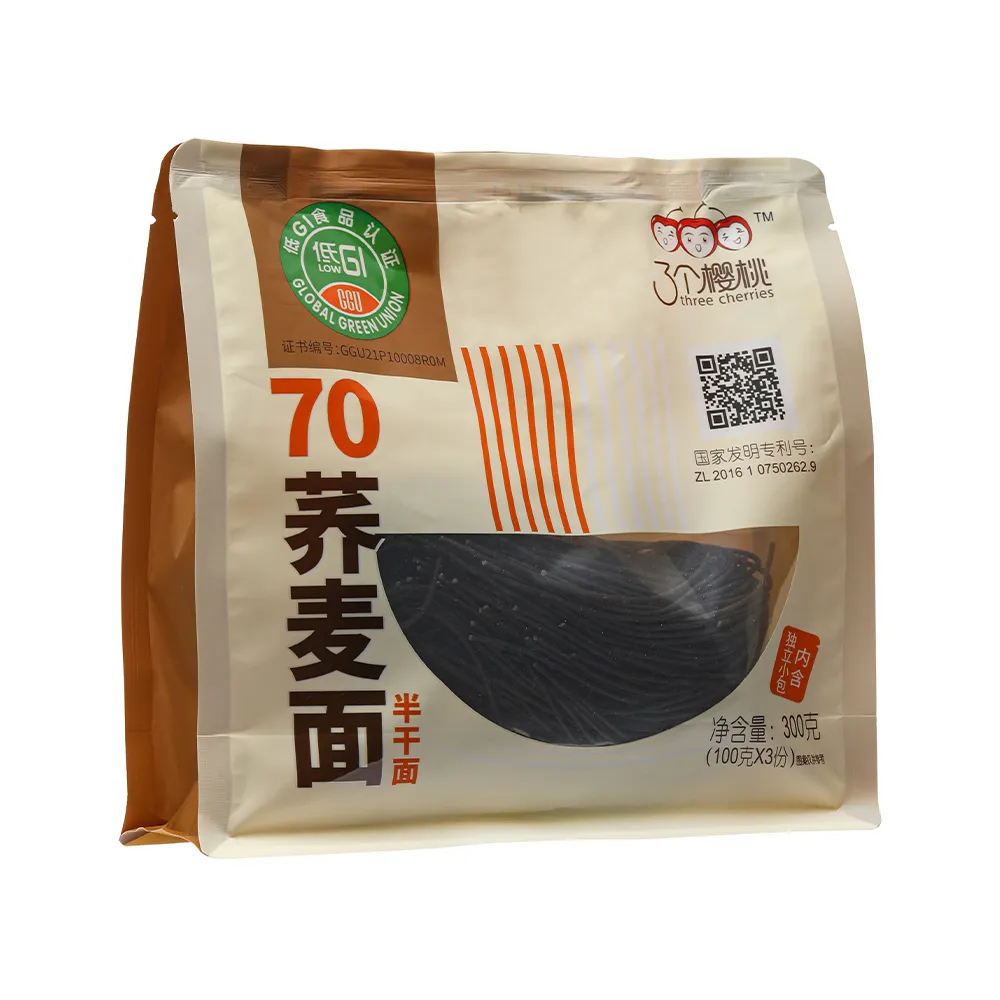
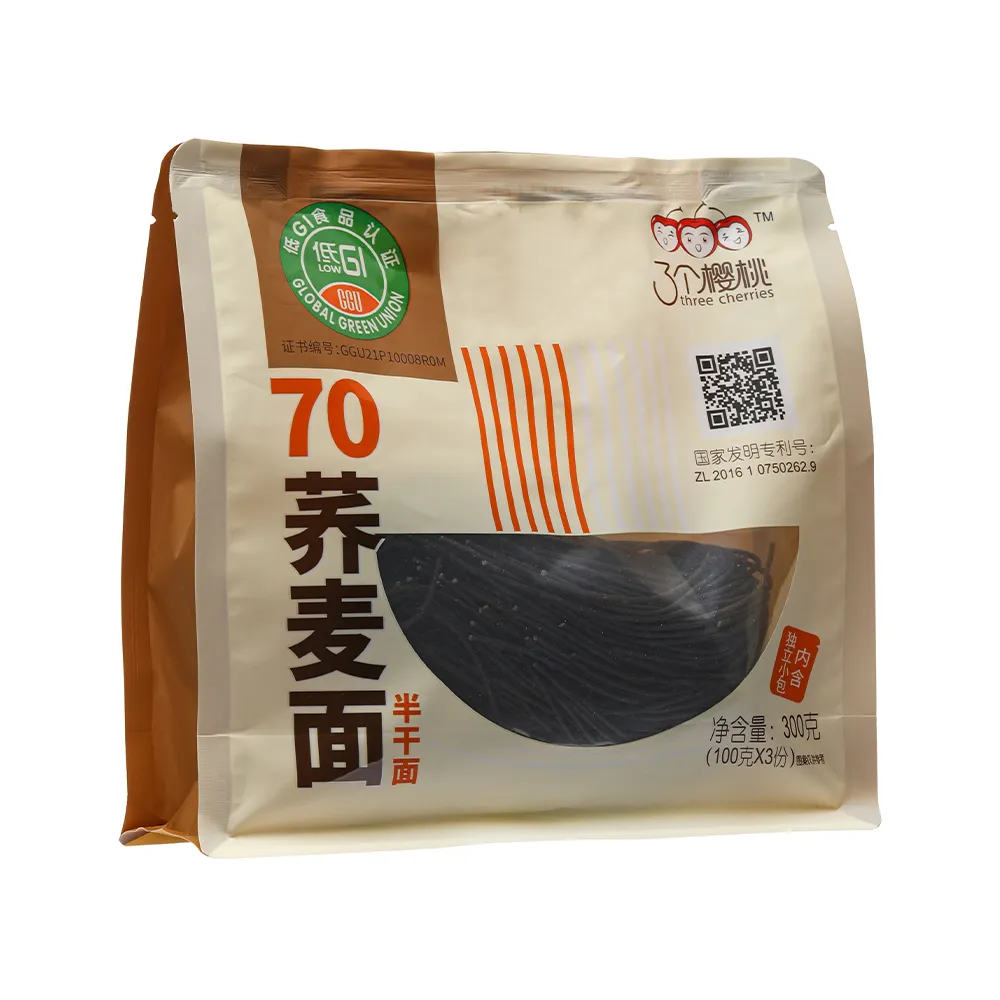
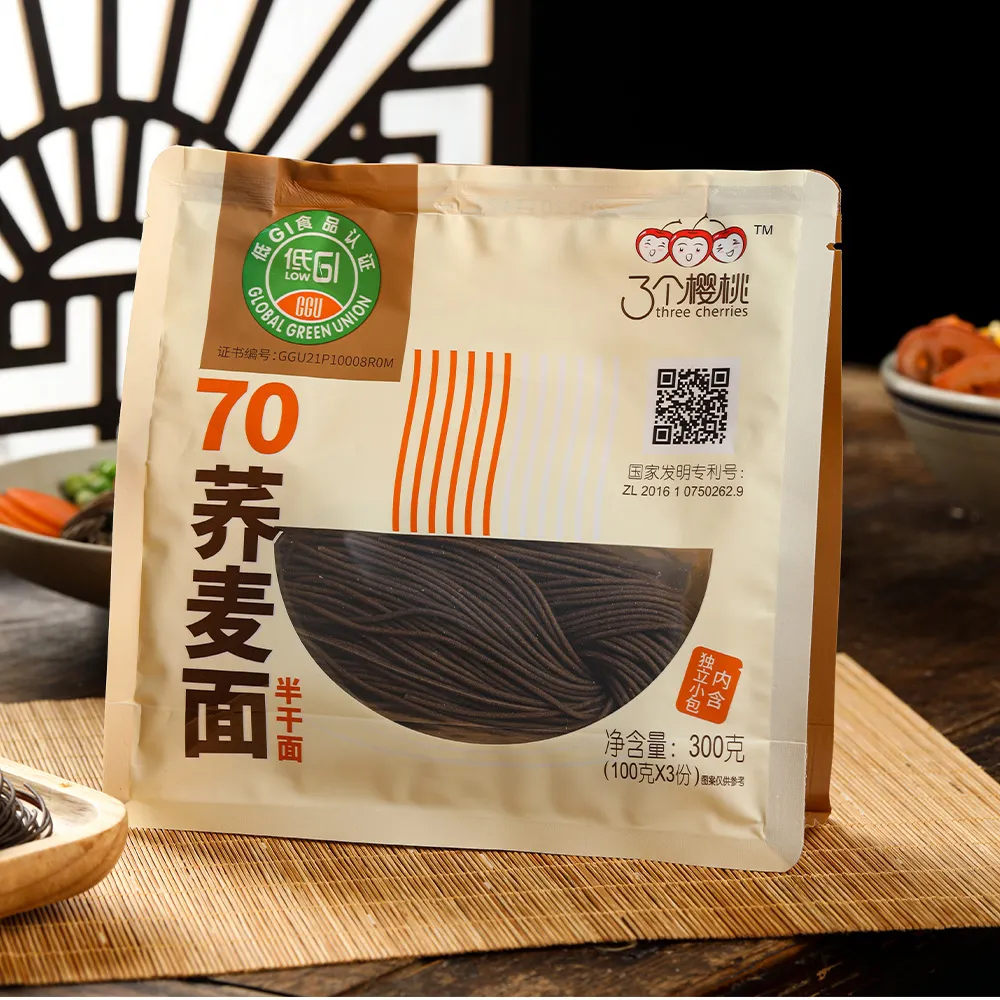
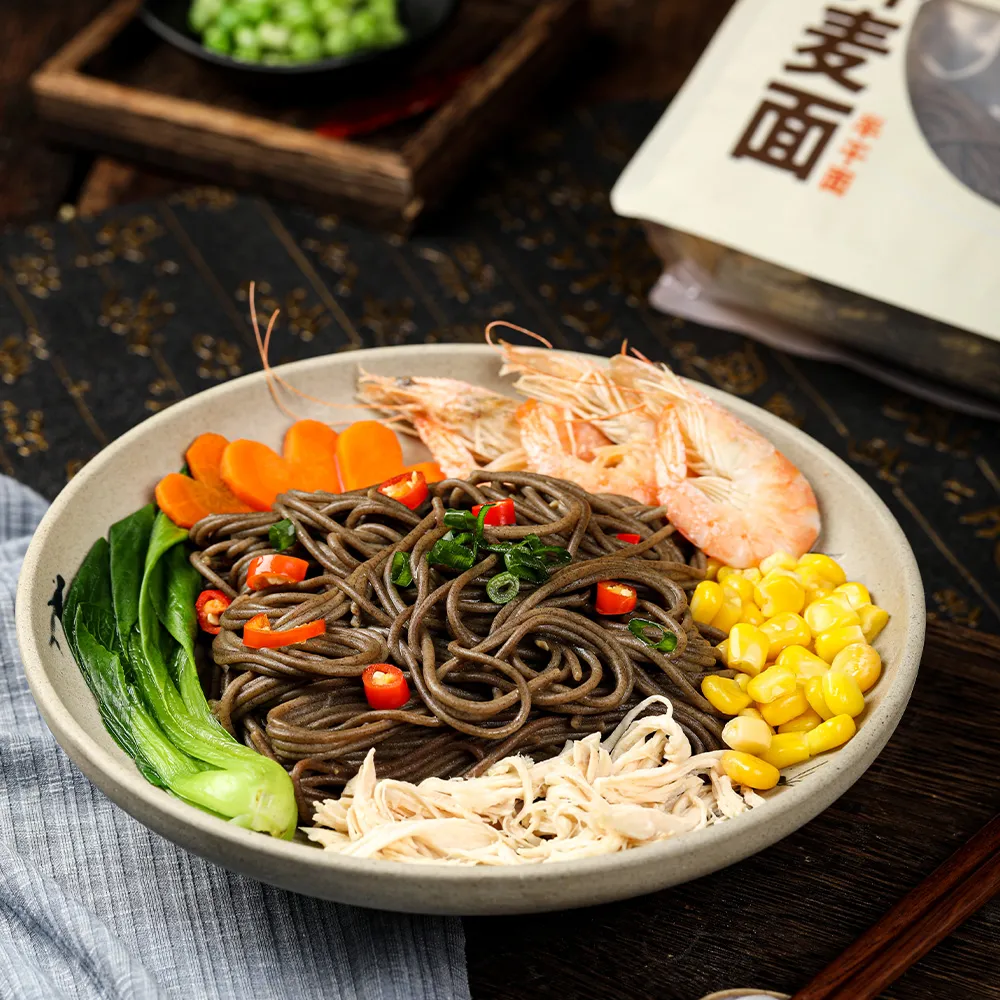
If you’ve been watching the healthier-carb aisle, you’ve probably noticed the steady rise of Buckwheat Noodles. To be honest, I’ve cooked more bowls of soba this year than I care to admit. The one drawing attention from buyers lately is “Low GI70 soba,” produced in Oriental Food City, Longyao County, Xingtai, Hebei. The name’s a mouthful, but the product is straightforward: a 300 g semi-dry soba pack with a short, honest shelf life—4 months at room temperature, 8 months if refrigerated.
Why this soba is getting buyer interest
Two things: traceable origin and consistent semi-dry texture. Distributors tell me the product cooks evenly and holds sauces without getting gummy—surprisingly resilient for buckwheat-based noodles. Many customers say it lands in that sweet spot between rustic grain notes and weeknight convenience.
Process flow and quality checkpoints (how it’s actually made)
- Raw materials: selected buckwheat flour (and typical soba adjunct flours), filtered water, controlled salinity.
- Hydration and mixing: low-heat hydration to protect aroma; dough rested for gluten-network balance (where applicable).
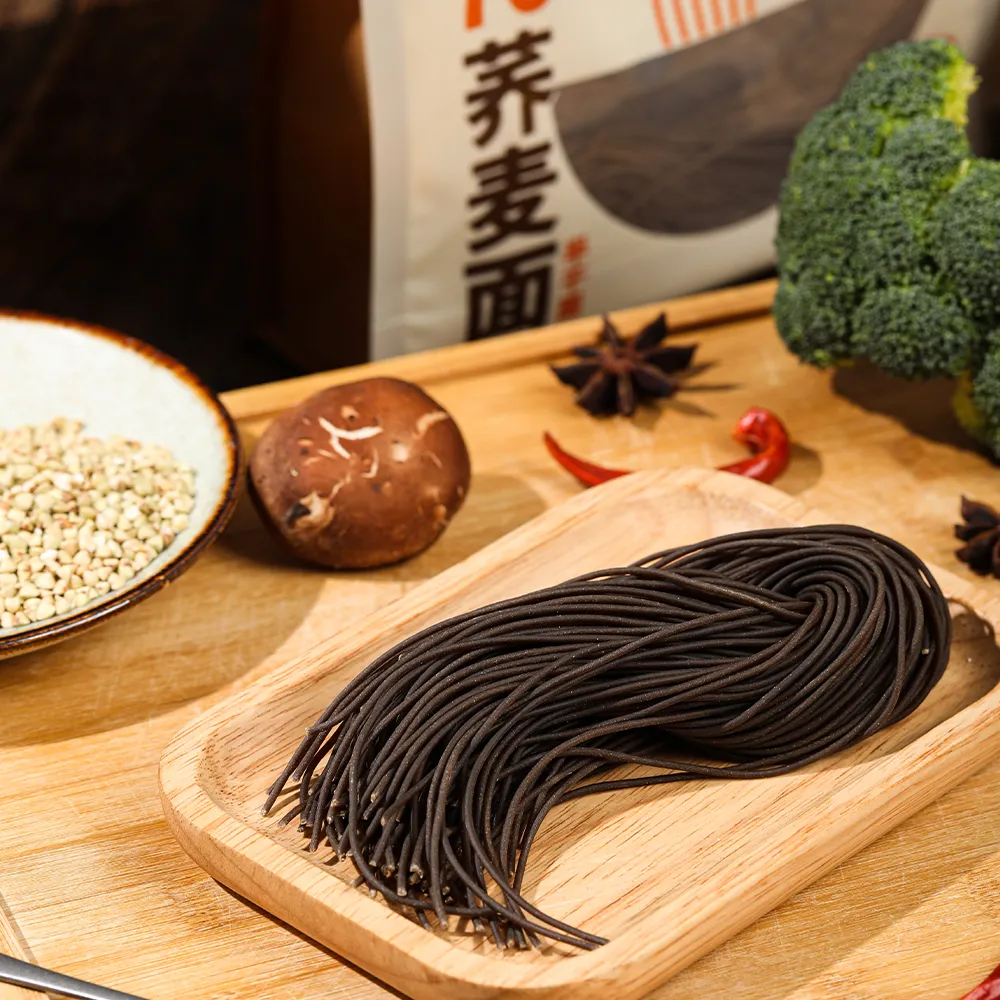
- Sheeting/extrusion: multi-pass rolling for strand integrity; cut to consistent width.
- Semi-drying: staged humidity tunnels for even moisture; prevents case hardening.
- Cooling and aging: to stabilize bite; reduces stickiness.
- Metal detection and visual QC: inline sieves and detectors; manual strand checks.
- Packing and coding: lot-coded with production date for FIFO handling.
Testing standards used by serious buyers include: Glycaemic Index via ISO 26642; moisture (AOAC 934.01); dietary fiber (AOAC 2011.25); yeast/mold (ISO 21527); Salmonella (ISO 6579). In-house pilot data I saw pegged GI at ≈70 ±5 under ISO 26642 protocol—note: “Low GI70” is the model name, not a health claim. Real-world results vary by cooking and pairing.
Product specs at a glance
| Product name | Low GI70 soba (Buckwheat Noodles) |
| Specification | 300 g pack; semi-dry format |
| Origin | Oriental Food City, Longyao County, Xingtai, Hebei Province |
| Shelf life | ≈4 months (room temp); ≈8 months (0–10°C) |
| Storage | Cool, dry place or 0–10°C refrigeration |
| Typical cook time | ≈4–6 minutes (real-world use may vary) |
Where it fits: applications and advantages
- Restaurant service: chilled soba salads, tsuyu dipping, warm broths.
- Retail meal kits: dependable bite after short boiling, good hold in delivery.
- Catering/health-forward menus: balanced-carb formats without losing flavor.
- Advantages noted by buyers: clean grain aroma, modest cook loss (≈5–6%), strands resist breakage.
Vendor snapshot: how it stacks up
| Vendor | Model | Cook loss | Protein | GI (ISO 26642) | Shelf life | Customization |
|---|---|---|---|---|---|---|
| JX Semi-Dry (Hebei) | Low GI70 soba | ≈5–6% | ≈12–13% (batch-based) | ≈70 ±5 | 4–8 months | Thickness, cut length, salt |
| Market Brand A | Standard soba | ≈7–9% | ≈11–12% | n/a | 6–12 months | Limited |
| Market Brand B | Premium soba | ≈6–8% | ≈13–14% | not disclosed | 9–12 months | Thickness only |
Notes: values are typical in-house measurements; results vary by lot, water, and cooking method.
Customization and compliance
The factory entertains OEM specs—strand width, sodium level, and carton counts. On compliance, buyers usually ask for HACCP and ISO 22000/FSSC 22000 certificates, plus GI test reports under ISO 26642 and microbiological COAs. Fair ask. The team can provide batch COAs on request.
Mini case studies
- North China campus kitchen: switched to Buckwheat Noodles for cold bowls; reported fewer broken strands and faster plating (≈20% quicker service).
- Melbourne noodle bar: paired warm dashi with sesame oil finish; customer feedback highlighted “nutty, clean bite.” Sales held steady post-trial.
Final thoughts
Does Low GI70 soba solve everything? Of course not. But it’s a reliable semi-dry Buckwheat Noodles option with transparent origin and lab-ready data. For buyers who care about texture, QC, and real specifications, this one’s worth a test boil.
Authoritative references
- ISO 26642:2010 – Food products — Determination of the glycaemic index and recommendation for food classification.
- Codex Stan 249-2006 – Standard for Pasta.
- AOAC 2011.25 – Dietary fiber (total, soluble, insoluble) in foods.
- ISO 21527-2:2008 – Microbiology of food and animal feeding stuffs — Yeast and mould count.
- ISO 6579-1:2017 – Microbiology of the food chain — Salmonella detection.
-
Discover the Authentic Taste of Korean Buckwheat NoodlesNewsApr.16,2026
-
Discover the Refreshing Taste of Authentic Korean Cold SobaNewsApr.09,2026
-
Discover the Refreshing Taste of Korean Cold Buckwheat Noodles NaengmyeonNewsApr.07,2026
-
Discover the Cool and Refreshing World of Korean Buckwheat Noodles ColdNewsApr.04,2026
-
Discover the Refreshing Taste of Japanese Cold Buckwheat Noodles and Zaru SobaNewsMar.31,2026
-
Exploring the Delicious World of Chinese Style Cold NoodlesNewsMar.28,2026
-
Discover the Cool and Refreshing World of Korean Cold Soba NoodlesNewsMar.26,2026
Browse qua the following product new the we