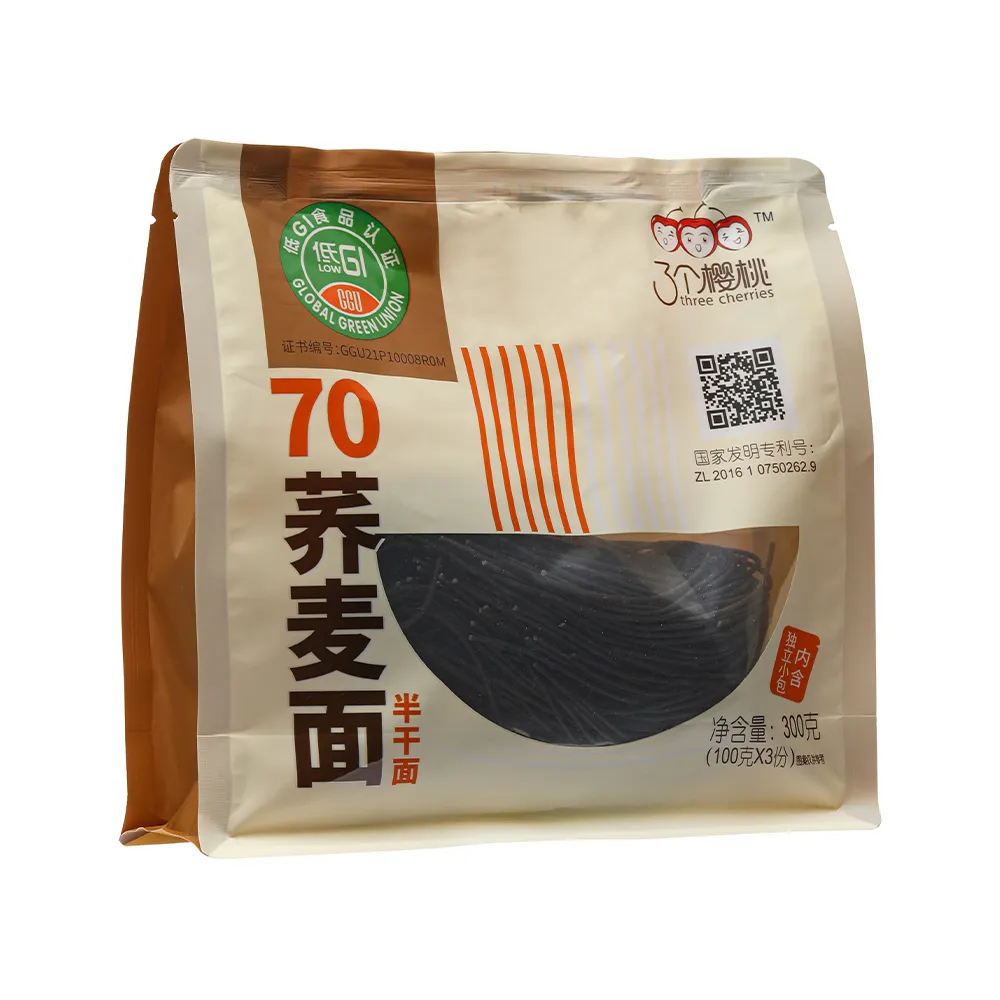

Whole Grain Pasta for Diabetics: Benefits, Uses & Future Trends
Understanding Whole Grain Pasta for Diabetics: A Nutritional Ally
When talking about managing diabetes through diet, one term that's been gaining attention globally is whole grain pasta for diabetics. But why does this matter? Well, diabetes is a chronic health condition affecting more than 537 million adults worldwide according to the International Diabetes Federation (IDF), and nutrition plays a pivotal role in its management. Whole grain pasta, rich in fiber and nutrients, offers a healthier alternative to refined pasta — potentially improving blood sugar control and providing sustained energy.
Grasping the importance of such functional foods is vital, not only for individuals but for the global healthcare landscape dealing with diabetes' rising tide. So let's dive in, unpack what exactly whole grain pasta for diabetics means, and explore its role in modern dietary approaches.
Global Relevance of Whole Grain Pasta for Diabetics
Diabetes prevalence is a burden felt globally, cutting across regions and economies. Data from the World Health Organization (WHO) highlights diabetes as a leading cause of morbidity, with Type 2 diabetes making up over 90% of cases. Compounding this challenge, availability of affordable, nutritious foods tailored to diabetic needs remains a problem, especially in low- and middle-income countries.
Whole grain pasta addresses a core dietary challenge faced by diabetics: maintaining blood sugar stability while enjoying familiar staples. It’s not just about substitution but creating accessible, culturally acceptable options that support long-term health. In other words, it could help shift whole populations towards healthier carbohydrate sources, curbing diabetes-related complications.
What Is Whole Grain Pasta for Diabetics?
Plain and simple, it’s pasta made from whole-grain flour — meaning it contains the bran, germ, and endosperm of the grain kernel intact. This contrasts with refined pasta, where the bran and germ are removed, stripping away fiber and nutrients. For diabetics, whole grain pasta acts as a complex carbohydrate with a lower glycemic index, meaning it causes a slower, steadier rise in blood sugar.
This product is a neat intersection of food science, nutrition, and health policy. It’s not just a trendy alternative but a thoughtfully engineered staple designed to meet dietary needs while respecting taste and texture — no small feat in food tech.
Key Factors That Define Whole Grain Pasta for Diabetics
Nutritional Profile
- Higher fiber content: Slows glucose absorption.
- Rich in vitamins and minerals: Like magnesium and B vitamins which assist metabolic functions.
- Low glycemic index: Prevents sharp blood sugar spikes.
Ingredient Quality and Source
Using 100% whole wheat or alternative grains like spelt or quinoa enhances nutrient density and suitability for varying dietary preferences.
Texture and Taste
Maintaining a palatable texture is key for acceptance; manufacturers balance bran content with tenderness to keep it enjoyable.
Packaging and Shelf Life
Designed for freshness without preservatives, quality packaging ensures no compromise on taste or nutrients over time.
Cost and Accessibility
Advancements in production methods are gradually reducing costs, aiming for broader availability without forcing a premium.
Practical Table: Typical Nutritional Facts of Whole Grain Pasta for Diabetics
| Nutrient | Amount per 100g | Benefit |
|---|---|---|
| Dietary Fiber | 6–9 g | Improves glycemic control |
| Protein | 12–15 g | Supports muscle health |
| Magnesium | 120 mg | Aids glucose metabolism |
| Glycemic Index | ~42 | Low impact on blood sugar |
Global Applications & Use Cases
Whole grain pasta’s benefits make it an integral food product with applications not just in diabetic meal plans but also in humanitarian aid and nutrition programs. For example:
- Europe and North America: Widespread promotion in diabetic-friendly diets among aging populations.
- Latin America: Incorporated in government-backed nutritional intervention schemes targeting chronic disease prevention.
- Asia-Pacific: Emerging markets with rising diabetes rates are seeing increased consumer interest in whole grain products.
- Disaster Relief: Inclusion in food aid supplies for populations vulnerable to diabetes due to diet disruptions.
Oddly enough, while pasta might seem like an Italian specialty, the shift to whole grain varieties fitting diabetic needs is truly a global story.
Vendor Comparison: Popular Brands Offering Whole Grain Pasta for Diabetics
| Brand | Ingredients | Average Price (per 500g) | Glycemic Index | Packaging (Shelf Life) |
|---|---|---|---|---|
| Brand A | 100% Whole Wheat | $3.90 | 40 | Resealable Bag (12 Months) |
| Brand B | Whole Grain Spelt + Quinoa | $5.20 | 38 | Box (9 Months) |
| Brand C | Multigrain Blend | $4.50 | 42 | Vacuum Pack (14 Months) |
Advantages & Long-Term Value
The benefits of switching to whole grain pasta for diabetics go beyond immediate blood sugar control. There’s a sustainability aspect — whole grains often require fewer resources than highly refined grains. Emotionally, choosing foods that protect your health supports dignity and confidence, especially in chronic illness contexts.
And logically, eating foods with low glycemic impact reduces wear and tear on the body’s insulin system, potentially delaying diabetic complications — a win for individuals and healthcare systems alike. Plus, it’s tasty, which oddly enough is sometimes underestimated in medical nutrition.
Future Trends & Innovations
Looking ahead, we’re seeing innovations like enrichment with legume proteins, fortification with micronutrients, and development of pasta from non-traditional grains such as teff or millet. Digital supply chain tracking is also improving how these products reach diabetics in remote areas.
Sustainability drives the food industry towards zero-waste packaging and energy-efficient production, which indirectly benefits diabetic consumers by ensuring better product availability and affordability. I suppose this means whole grain pasta for diabetics won’t just be a niche anymore but part of mainstream health food.
Challenges & Solutions
However, not all is smooth. Some diabetics struggle with texture preferences or availability of high-quality whole grain pasta in certain regions. Cost can also be a barrier. Tackling this requires ongoing research, subsidy programs, and food education campaigns to raise awareness.
From my experience talking to nutritionists, dogged innovation in milling techniques and creative recipes helps address the sometimes ‘heavier’ feel of whole grain pasta. And partnerships between NGOs and manufacturers have improved supply to underserved markets.
Frequently Asked Questions About Whole Grain Pasta for Diabetics
- Q1: How does whole grain pasta help manage blood sugar better than regular pasta?
- A1: Whole grain pasta contains more fiber and nutrients that slow digestion and glucose absorption, leading to lower and more gradual blood sugar spikes compared to refined pasta.
- Q2: Can I eat whole grain pasta every day if I have diabetes?
- A2: Yes, in moderation. Including whole grain pasta as part of a balanced diet rich in vegetables, proteins, and healthy fats can help stabilize blood sugar and provide essential nutrients.
- Q3: Are there gluten-free whole grain pastas suitable for diabetics?
- A3: Absolutely. Options using quinoa, brown rice, or legumes meet whole grain criteria and are good alternatives for gluten-sensitive individuals managing diabetes.
- Q4: Where can I buy whole grain pasta designed for diabetics?
- A4: Many supermarkets and health food stores stock whole grain pasta, and online stores often carry specialized diabetic-friendly options. For more info, check our product recommendations on whole grain pasta for diabetics.
Conclusion & Call to Action
In the grand scheme of managing diabetes through nutrition, whole grain pasta for diabetics stands out as a versatile, health-forward choice that balances tradition with modern health needs. It’s delicious, nutritious, and increasingly accessible — a trifecta you don’t want to miss.
If you’re keen to explore high-quality whole grain pasta that fits diabetic lifestyles, why not visit our website today? Your journey to smarter, tastier nutrition could start right here.
Mini takeaway: Understanding and embracing whole grain pasta for diabetics is both a practical and hopeful step towards managing a global health challenge — one meal at a time.
References:
-
Discover the Authentic Taste of Korean Buckwheat NoodlesNewsApr.16,2026
-
Discover the Refreshing Taste of Authentic Korean Cold SobaNewsApr.09,2026
-
Discover the Refreshing Taste of Korean Cold Buckwheat Noodles NaengmyeonNewsApr.07,2026
-
Discover the Cool and Refreshing World of Korean Buckwheat Noodles ColdNewsApr.04,2026
-
Discover the Refreshing Taste of Japanese Cold Buckwheat Noodles and Zaru SobaNewsMar.31,2026
-
Exploring the Delicious World of Chinese Style Cold NoodlesNewsMar.28,2026
-
Discover the Cool and Refreshing World of Korean Cold Soba NoodlesNewsMar.26,2026
Browse qua the following product new the we