
Are Buckwheat Noodles Good for Weight Loss? | Health & Nutrition Insights
Exploring Are Buckwheat Noodles Good for Weight Loss?
In today’s health-conscious world, the question of whether are buckwheat noodles good for weight loss pops up quite a lot. Frankly, it makes sense. Pasta-lovers everywhere want to enjoy their favorite dishes without wrecking their calorie budgets. Buckwheat noodles have been around in Asian cuisine for centuries, but lately, they've captured global attention as a potentially healthier alternative to traditional wheat noodles. Not only are they gluten-free, but their unique nutritional profile might help people shed a few pounds or maintain a healthier weight.
Given that obesity rates have doubled worldwide since 1980 according to the World Health Organization, there’s a heightened interest in foods that aid weight management without sacrificing flavor or satisfaction. So understanding buckwheat noodles’ role in all this could be very worthwhile — whether you’re a nutritionist advising clients, a curious foodie, or a product developer working on healthy packaged foods.
The Global Context of Buckwheat Noodles and Weight Management
Globally, consumers are increasingly demanding foods that support wellness. The global gluten-free market alone is expected to reach nearly $43 billion by 2027 (Statista), driven by rising awareness of gluten intolerance and a growing focus on healthier diets. Buckwheat noodles, often marketed as soba in Japan, fit neatly into both trends: gluten-free and potentially weight-friendly.
But here’s the rub: the question are buckwheat noodles good for weight loss isn't just about traditional dieting advice. It's also tied to sustainable food production and broader health outcomes. In regions where wheat allergies or sensitivities are common, or where sustainability is a priority, buckwheat cultivation offers a lower-input crop that grows well even in poor soils — making the noodles a regional staple with global appeal.
Mini Takeaway:
Health, sustainability, and allergy-friendliness converge in buckwheat noodles, prompting their rise worldwide — especially among those curious about weight loss.
What Exactly Are Buckwheat Noodles?
Buckwheat is technically a seed, not a grain, related to rhubarb and sorrel. Buckwheat noodles usually combine buckwheat flour with wheat or sometimes pure buckwheat flour in some traditional recipes. That slightly nutty flavor they have is distinctive, and many health advocates favor them because they contain a good amount of protein, fiber, and essential minerals like manganese and magnesium.
From a weight loss perspective, these noodles often have a lower glycemic index than classic wheat pasta. This means they’re less likely to cause rapid blood sugar spikes, which in turn helps curb sudden hunger pangs and overeating.
Oddly enough, they also have antioxidants called rutin and quercetin, compounds believed to support cardiovascular health — a bonus if you’re watching your overall wellness, not just your waistline.
Mini Takeaway:
Simply put, buckwheat noodles mean more fiber, moderate carbs, and helpful antioxidants — all good news for anyone interested in weight control.
Key Factors Affecting Weight Loss Potential of Buckwheat Noodles
1. Nutritional Composition
Protein content in buckwheat is about 12–15%, higher than regular wheat pasta. The fiber content (about 5% in soba noodles) aids digestion and increases satiety. The low glycemic index (roughly 50) contrasts sharply with some wheat noodles sitting near 70.
2. Gluten-Free or Mixed?
Some buckwheat noodles contain wheat flour to improve texture, so not all are gluten-free — an important distinction for celiac or gluten-sensitive consumers.
3. Portion Control
Even healthy noodles can contribute to weight gain if portions are excessive. Monitoring serving size alongside overall meal components is crucial.
4. Cooking and Preparation
Cooking methods also matter. Buckwheat noodles can be served cold, hot, or stir-fried with veggies and lean proteins, which enhance nutrient balance and keep meals light.
5. Satiety and Glycemic Response
Because of their fiber and protein, buckwheat noodles can help curb appetite longer than traditional wheat pasta, helping reduce snacking.
Mini Takeaway:
Protein, fiber, and glycemic index are the real game-changers here, but you still need to watch preparation and portion size for true weight loss results.
Product Specification Table: Buckwheat vs. Traditional Noodles
| Attribute | Buckwheat Noodles | Traditional Wheat Noodles |
|---|---|---|
| Calories (per 100g, cooked) | 99 kcal | 138 kcal |
| Protein | 5.5 g | 4.5 g |
| Fiber | 3.3 g | 1.8 g |
| Glycemic Index (GI) | 45-55 | 65-75 |
| Gluten Content | Gluten-free (usually) | Contains gluten |
Comparing Popular Buckwheat Noodle Brands
| Brand | Gluten-Free | Organic | Price per 500g | Taste & Texture |
|---|---|---|---|---|
| Annie Chun’s Soba Noodles | Yes (100%) | No | $4.99 | Smooth, slightly nutty |
| King Soba Organic Buckwheat | Mostly (contains some wheat) | Yes | $6.50 | Firm, traditional texture |
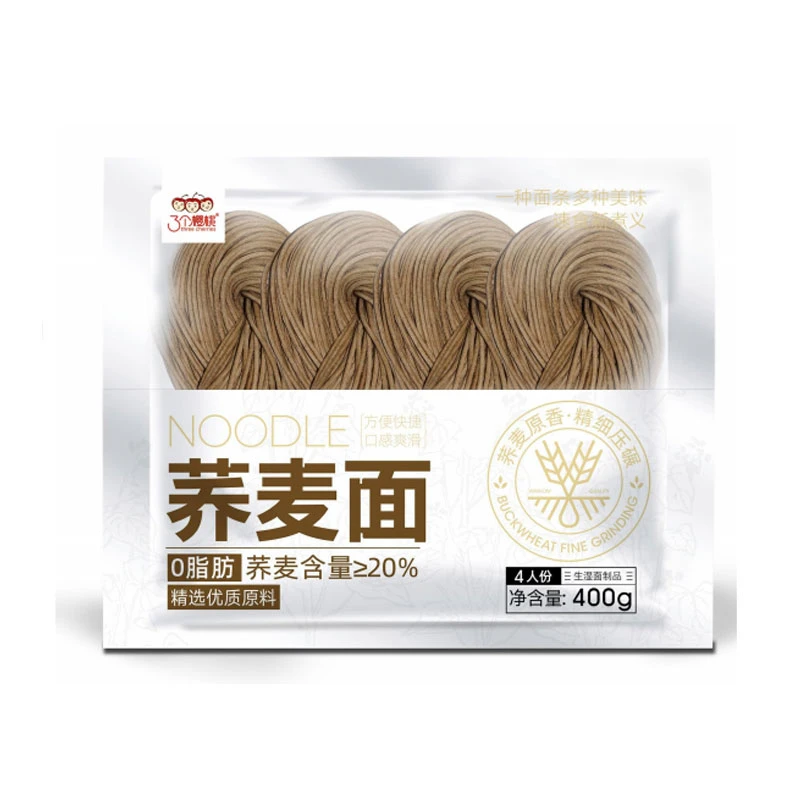
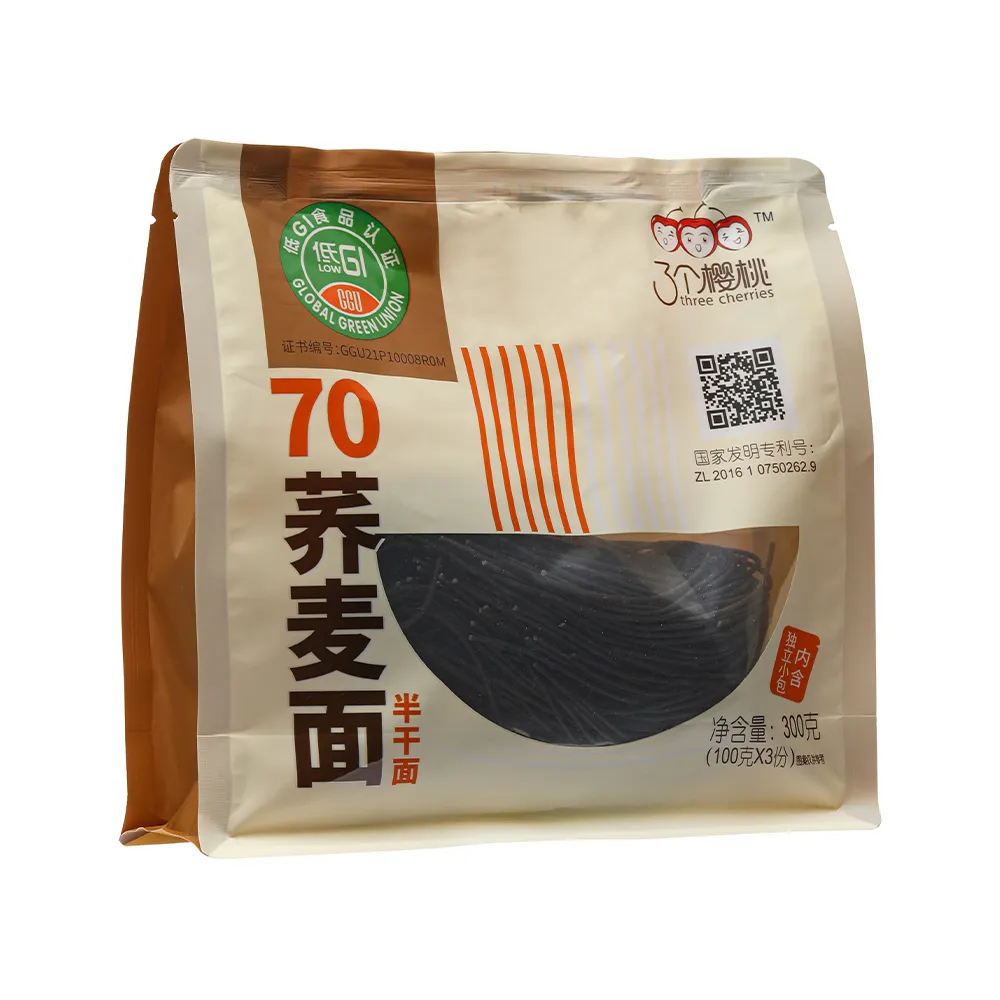
| JX Semi-Dry Buckwheat Noodles | Yes | Yes | $5.75 | Chewy, wholesome flavor |
Global Applications and Use Cases
Buckwheat noodles aren’t just for health buffs in urban echo chambers. They’re actually staples in countries such as Japan, South Korea, Russia, and parts of Eastern Europe. In Japan, soba noodles are a beloved traditional meal with seasonal variations. Nutritionists in the West suggest incorporating soba in weight-loss diets because of its balanced nutrients and better blood sugar response.
In urban food markets across North America and Europe, vendors increasingly promote buckwheat versions as a gluten-free noodle option, valuable for diners with sensitivities but also practical for weight management.
There’s even an interesting humanitarian angle: in refugee food programs, where sustained energy and nutrition are essential amidst scarce supplies, buckwheat noodles offer a shelf-stable, nutrient-rich option that requires minimal cooking.
Mini Takeaway:
The real-world use of buckwheat noodles spans cultural traditions and innovative health strategies, illustrating their adaptability and emerging relevance for global nutrition challenges.
Advantages & Long-Term Value of Choosing Buckwheat Noodles
- Lower Glycemic Impact: Keeps blood sugar steady, helping reduce cravings.
- Rich in Nutrients: Offers essential protein, fiber, and antioxidants.
- Gluten-Free Options: Ideal for those with celiac disease or gluten intolerance.
- Culinary Flexibility: Great for hot dishes, salads, stir-fries, or cold servings.
- Supports Sustainable Farming: Buckwheat grows in poor soils with minimal pesticides.
Choosing buckwheat noodles feels emotionally reassuring too—you’re embracing a food with tradition, health benefits, and environmental sensitivity. For anyone on a sustained weight-loss path, this kind of combination can boost trust and motivation, which frankly, is sometimes half the battle.
Future Trends to Watch
The innovation space here is buzzing. From plant-breeding programs to develop even more nutritious buckwheat strains to automated processing lines that better preserve nutrients and flavor, the future is bright. There’s also growing interest in pairing buckwheat noodles with emerging “superfood” ingredients, like seaweed or fermented vegetables, creating fusion meals that are both trendy and supportive of weight management goals.
On the regulatory side, agencies like the FDA and European Food Safety Authority are increasingly endorsing buckwheat’s health claims, which may push product development further into functional foods and dietetic nutrition markets.
Challenges & Solutions in Using Buckwheat Noodles for Weight Loss
The biggest challenge? Consistency in quality. Many brands mix wheat flour to cut costs, compromising gluten-free status or flavor. Also, some people struggle with the slightly distinct taste and texture, creating a barrier to adoption.
Innovations like are buckwheat noodles good for weight loss focused formulation, plus educational campaigns for consumers on how to prepare these noodles enticingly, help overcome these hurdles. Personalized nutrition apps now even suggest recipes tailored to weight-loss goals incorporating buckwheat noodles — making it easier to join the club.
FAQ: Your Questions on Are Buckwheat Noodles Good for Weight Loss
- Q1: Are all buckwheat noodles gluten-free and good for weight loss?
- A1: Not always. Some buckwheat noodles blend with wheat flour and are not gluten-free. To aid weight loss, choose 100% buckwheat varieties and mind portion sizes for best results.
- Q2: How do buckwheat noodles compare nutritionally to regular pasta?
- A2: Buckwheat offers more protein, fiber, and antioxidants with a lower glycemic index, which supports blood sugar control and satiety better than regular wheat pasta.
- Q3: Can buckwheat noodles be part of a low-carb diet?
- A3: While lower GI, buckwheat noodles still contain carbohydrates. They're better suited to balanced weight loss diets rather than very low-carb plans like ketogenic diets.
- Q4: How should I cook buckwheat noodles to maximize weight loss benefits?
- A4: Prefer cooking methods like boiling and rinsing to avoid starch release. Pair noodles with vegetables and lean protein to create satiating, low-calorie meals.
- Q5: Where can I find authentic buckwheat noodles?
- A5: Specialty grocery stores, Asian markets, and online retailers like JX Semi-Dry Noodles offer a range of authentic and high-quality options.
Conclusion: Should You Try Buckwheat Noodles for Weight Loss?
So, are buckwheat noodles good for weight loss? The short answer is yes, they can be an excellent option in the right context — especially if you seek high-fiber, moderate-calorie, and gluten-free alternatives. They also carry the intangible bonus of connecting you with global culinary traditions and sustainable food practices, which frankly, feels good on many levels.
If your weight-loss journey includes variety and nutrition, why not give buckwheat noodles a shot? You might find they satisfy cravings while keeping your blood sugar—and your motivation—steady. Curious to explore premium buckwheat noodles designed with health in mind? Visit our website: https://www.jxsemidrynoodles.com and discover your next favorite healthy meal base.
References
-
Discover the Authentic Taste of Korean Buckwheat NoodlesNewsApr.16,2026
-
Discover the Refreshing Taste of Authentic Korean Cold SobaNewsApr.09,2026
-
Discover the Refreshing Taste of Korean Cold Buckwheat Noodles NaengmyeonNewsApr.07,2026
-
Discover the Cool and Refreshing World of Korean Buckwheat Noodles ColdNewsApr.04,2026
-
Discover the Refreshing Taste of Japanese Cold Buckwheat Noodles and Zaru SobaNewsMar.31,2026
-
Exploring the Delicious World of Chinese Style Cold NoodlesNewsMar.28,2026
-
Discover the Cool and Refreshing World of Korean Cold Soba NoodlesNewsMar.26,2026
Browse qua the following product new the we