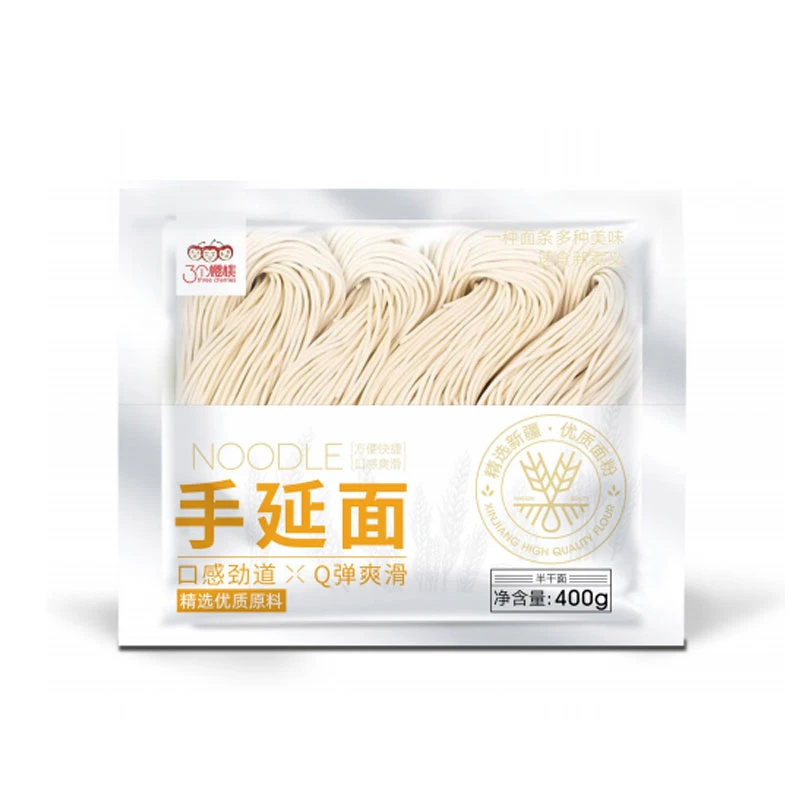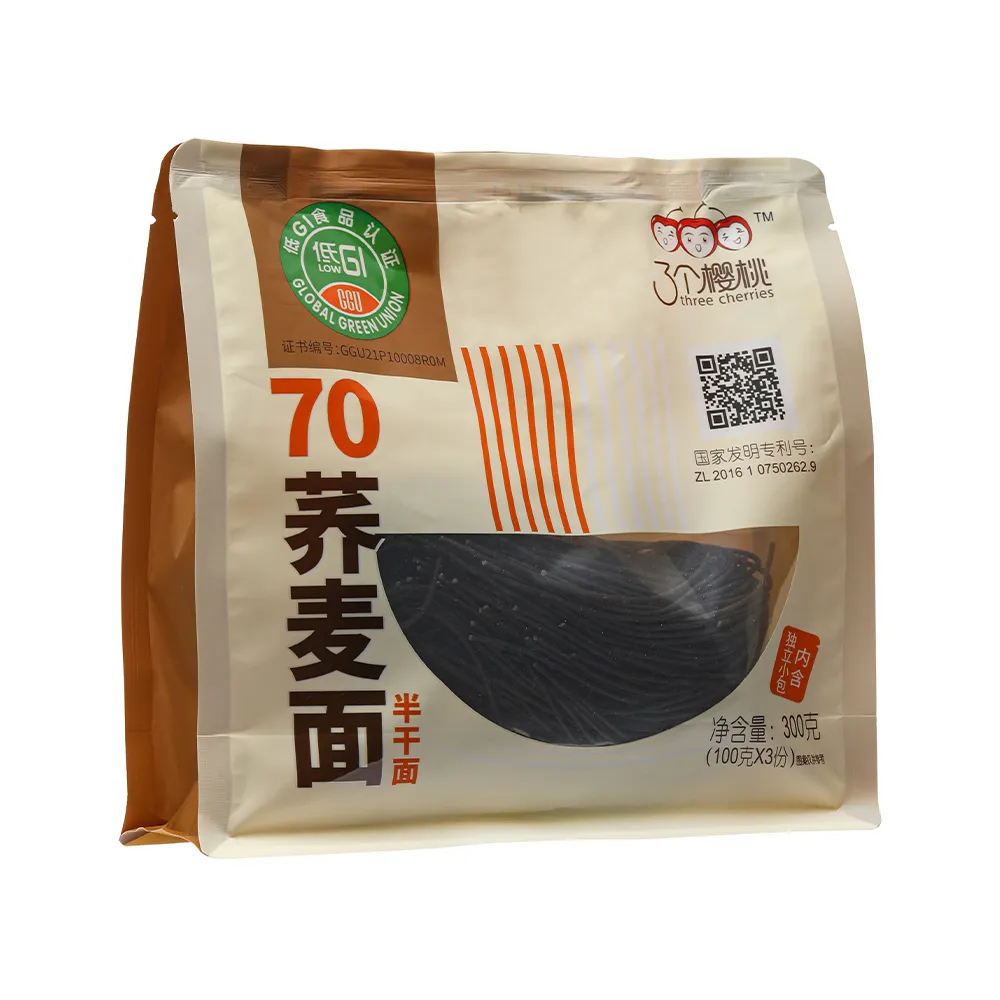

Can Diabetics Have Noodles? Safe Choices & Nutrition Insights
Can Diabetics Have Noodles? Understanding the Nuances
It's a simple question on the surface, but when you peel back the layers, "can diabetics have noodles" touches on much bigger issues—nutritional balance, global dietary patterns, and the ever-growing challenge of managing diabetes worldwide. After all, noodles aren't just a quick comfort food; they're a staple feeding millions daily. So exploring whether they're suitable for diabetics offers insights into healthier living, culinary innovation, and even public health at scale.
The Global Context: Why This Question Matters
Diabetes affects roughly 537 million people globally as of 2023, according to the International Diabetes Federation (IDF). The disease's prevalence is rapidly increasing, with major impacts seen across Asia, Europe, and the Americas. Diet management is critical in controlling blood sugar levels, yet culturally entrenched foods like noodles pose challenges for diabetics. In fact, in countries like China, Japan, and Italy, noodles form dietary backbones—meaning the question "can diabetics have noodles" is not just medical, but also cultural and economic.
Studies show that carbohydrate quality and quantity heavily influence glycemic control, which is central to diabetes management. Noodles, traditionally high in refined carbs, can spike blood sugar levels quickly. This leads to a paradox: many diabetics crave these comfort foods but find them risky to consume. Solving this dilemma affects not just individual health but could guide food manufacturers and policymakers worldwide.
What Does “Can Diabetics Have Noodles” Really Mean?
Put simply, it asks whether it’s safe or advisable for those with diabetes to consume noodles. The answer isn’t one-size-fits-all—it depends on noodle type, preparation methods, portion control, and accompanying ingredients. More broadly, it represents the question of how to integrate traditional foods into a diabetic diet without compromising health.
From an industry perspective, this drives innovation in healthier noodle options—think whole-grain, legume-based, or low-GI alternatives. There’s also a humanitarian angle here: as diabetes rates climb globally, especially in lower-income countries where noodles are affordable staples, understanding their role becomes crucial in preventing complications and improving quality of life.
Key Factors to Consider When Diabetics Enjoy Noodles
1. Glycemic Index and Load
The glycemic index (GI) measures how fast carbohydrates raise blood sugar. Traditional noodles made from white wheat flour often have a high GI. But newer alternatives, like buckwheat or shirataki noodles, show lower GI values. Portion size also defines glycemic load—a concept many overlook but critical in practical meal planning.
2. Nutritional Composition
Besides carbs, noodles vary in fiber, protein, and micronutrient content. Higher fiber slows digestion and sugar absorption, beneficial for diabetics. Protein-rich noodles, often made from legumes, help with satiety and blood sugar regulation.
3. Cooking Techniques
How noodles are prepared matters. Overcooking raises the GI by breaking down starches. Combining noodles with fiber-rich vegetables, healthy fats, or lean proteins can blunt blood sugar spikes.
4. Cultural and Economic Access
For many, noodles are affordable and accessible, making them an essential energy source. When advising diabetic-friendly diets, it's important to consider whether healthier noodle options or alternatives are reachable by the community.
Global Applications: Where This Discussion Plays Out
In East Asia, places like Japan and China have started promoting soba and konjac (shirataki) noodles as diabetic-friendly alternatives. Italy is seeing artisanal producers shift toward whole-grain and legume-based pastas explicitly marketed for diabetes-conscious consumers. Non-profit organizations working in food security emphasize such alternatives in developing countries to help manage rising diabetes rates.
For example, in remote industrial zones of India, diabetic workers rely on quick meals; introducing lower-GI noodles has improved their day-to-day health significantly. Similarly, NGOs running diabetic education programs incorporate noodle alternatives to cater to local tastes without compromising dietary needs.
Advantages and Long-Term Value of Diabetic-Friendly Noodles
- Cost-effectiveness: With advances in processing, whole grain or legume noodles are more affordable now.
- Sustainability: Plant-based noodles have a smaller carbon footprint than meat-centric meals.
- Health Benefits: Lower GI, balanced macronutrients, supporting blood sugar control.
- Social Impact: Preserving cultural food heritage while adapting to medical needs ensures dignity and acceptance.
It’s fascinating how something as humble as noodles encapsulates such a multi-layered benefit story—purely functional and deeply emotional at once.
Looking Ahead: Innovations in Diabetic Noodle Options
Food technologists experiment with novel ingredients like chickpea flour, resistant starch additives, and even algae-derived fibers to reduce glycemic impact further. Smart packaging and augmented reality apps help diabetics track nutritional intake better. Meanwhile, policy shifts promoting labelling transparency and subsidizing healthier options are underway in many parts of the world. It feels quite promising.
Challenges and How to Overcome Them
That said, challenges remain. Educating consumers on how to incorporate diabetic-friendly noodles without falling into unhealthy eating patterns is tough. Some alternatives may face taste preference barriers. Supply chain issues could limit availability in lower-income areas.
Solutions include targeted awareness campaigns, partnerships between food companies and healthcare providers, and local production initiatives to keep costs down. Experimentation with taste and texture is key; after all, no one sticks with food that feels like punishment.
Frequently Asked Questions About Can Diabetics Have Noodles
- Q: Are all noodles bad for diabetics?
- A: Not at all. While traditional white-flour noodles can spike blood sugar, many alternatives like whole grain or legume-based noodles have lower glycemic indices and can be safely consumed in moderation.
- Q: How can diabetics enjoy noodles without blood sugar spikes?
- A: Pairing noodles with vegetables, protein, and healthy fats helps slow sugar absorption. Choosing lower-GI noodles and controlling portion size also makes a big difference.
- Q: Are instant noodles a good choice for diabetics?
- A: Usually no. Instant noodles tend to be high in refined carbs, sodium, and unhealthy fats, which can negatively impact blood sugar and cardiovascular health.
- Q: Can noodles be part of a balanced diabetic diet daily?
- A: They can be, if dietitians carefully plan and vary the overall diet, focusing on portion control, nutrient balance, and food quality.
Product Specification Table: Typical Noodle Types for Diabetics
| Noodle Type | Primary Ingredient | Glycemic Index (approx.) | Fiber Content (g/100g) | Protein (g/100g) |
|---|---|---|---|---|
| White Wheat Noodles | Refined Wheat Flour | 55-70 | 2-3 | 8-10 |
| Whole Grain Noodles | Whole Wheat Flour | 40-50 | 6-8 | 11-13 |
| Chickpea Noodles | Chickpea Flour | 35-44 | 8-9 | 18-20 |
| Shirataki Noodles | Konjac Root (Glucomannan) | 0-5 | >9 |
Vendor Comparison: Popular Diabetic-Friendly Noodle Brands
| Brand | Noodle Types Offered | Price Range (USD) | Available Regions | Certifications / Claims |
|---|---|---|---|---|
| HealthyGrain Co. | Whole Grain, Chickpea | $3-$7 per pack | North America, Europe | Non-GMO, Low GI Certified |
| Konjac Delight | Shirataki Noodles | $4-$6 per pack | Asia, Europe, USA | Organic, Vegan |
| PurePasta | Whole Wheat, Chickpea | $2.5-$6 per pack | Europe, Australia | Gluten-Free Options, Low Carb |
Summary Takeaway
So, can diabetics have noodles? The straightforward answer is yes—but with careful choices and awareness. It’s about embracing better-quality noodles, balancing meals thoughtfully, and leveraging advances in food science. This question, seemingly small, opens a window into broader themes like global nutrition, cultural sensitivity, and innovation in food manufacturing.
For a deep dive into how diabetics can safely enjoy noodles and recipes or product guides, feel free to visit can diabetics have noodles where practical strategies meet tasty possibilities.
References
-
Discover the Authentic Taste of Korean Buckwheat NoodlesNewsApr.16,2026
-
Discover the Refreshing Taste of Authentic Korean Cold SobaNewsApr.09,2026
-
Discover the Refreshing Taste of Korean Cold Buckwheat Noodles NaengmyeonNewsApr.07,2026
-
Discover the Cool and Refreshing World of Korean Buckwheat Noodles ColdNewsApr.04,2026
-
Discover the Refreshing Taste of Japanese Cold Buckwheat Noodles and Zaru SobaNewsMar.31,2026
-
Exploring the Delicious World of Chinese Style Cold NoodlesNewsMar.28,2026
-
Discover the Cool and Refreshing World of Korean Cold Soba NoodlesNewsMar.26,2026
Browse qua the following product new the we