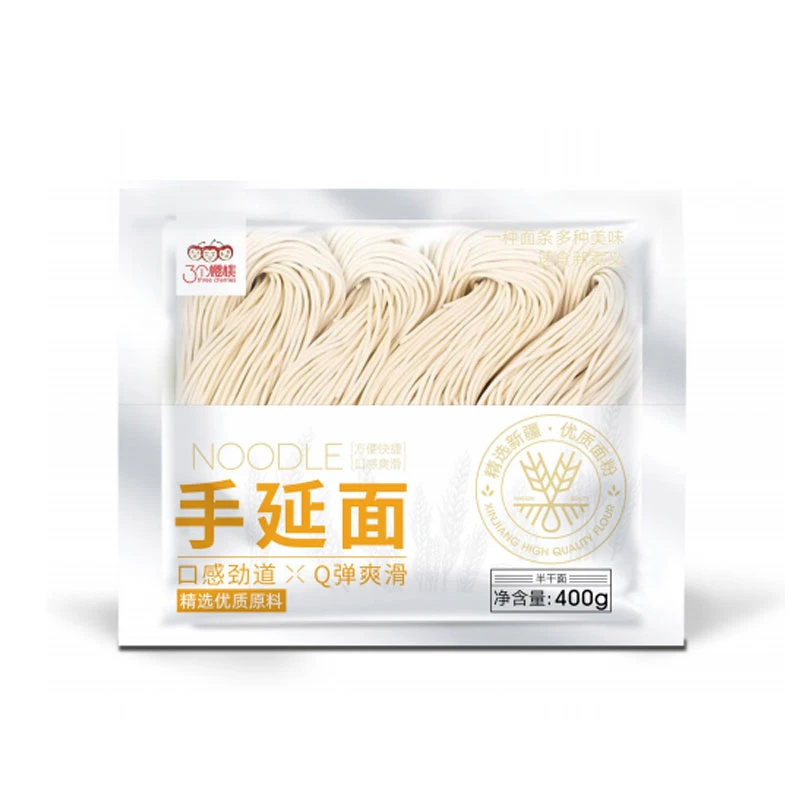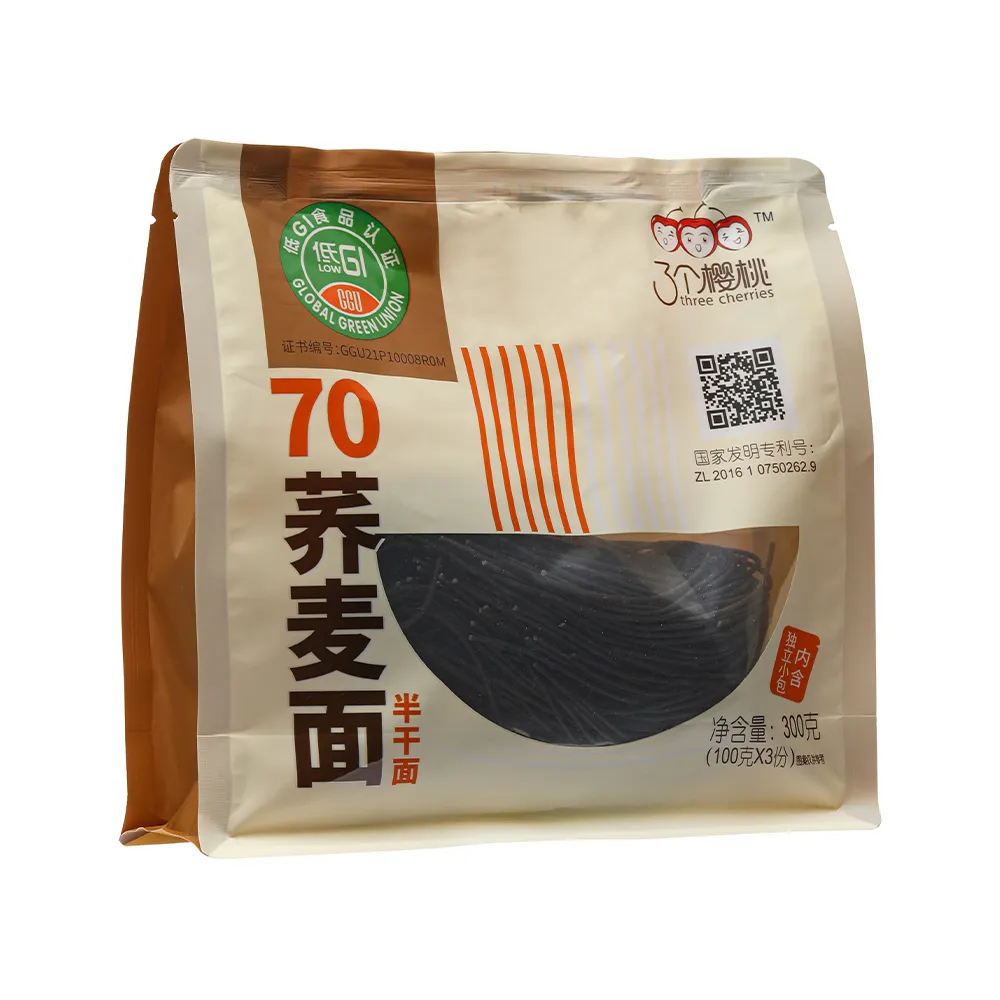

Bulk Udon Noodles: Quality and Suppliers for Industrial Use
Bulk Udon Noodles: Sourcing Quality in Industrial Quantities
Having spent quite some time in the industrial food equipment and supply business, I can tell you that handling udon noodles bulk is a bit of a unique gig. Unlike your everyday retail packaging, bulk udon requires attention to shelf life, texture preservation, and of course, consistency at scale. Oddly enough, it’s not just about getting a big pile of noodles — it’s ensuring they arrive with the authentic chew and freshness that udon lovers insist on.
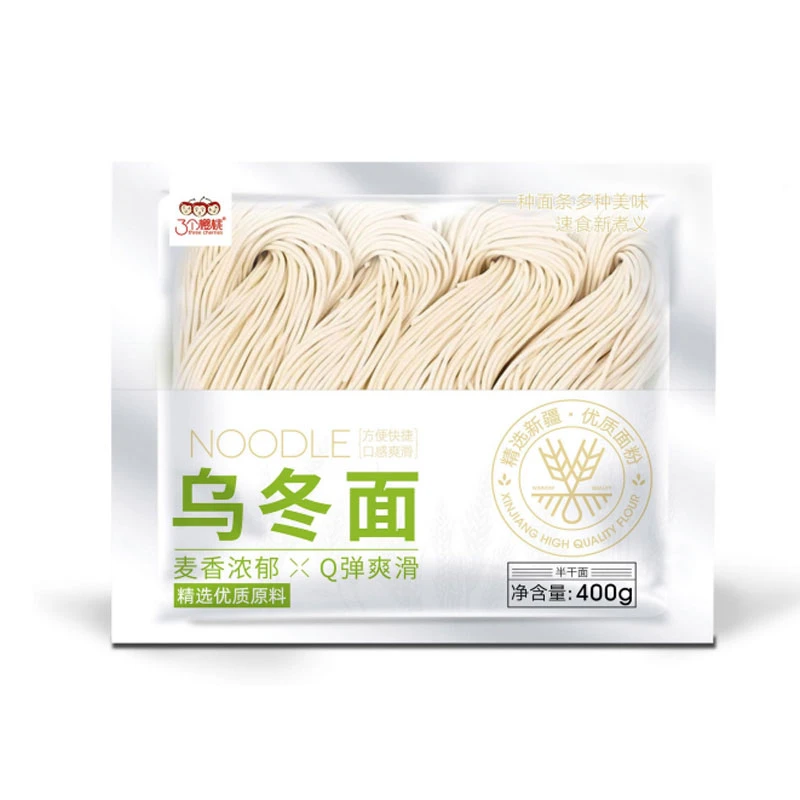
What really gets me every time is how the industry has evolved. Years ago, fresh udon in bulk was tricky to maintain. Now, thanks to advances in semi-dry processing methods, manufacturers like those at JX Semi-Dry Noodles have nailed down that delicate balance of moisture retention and long shelf life. It feels like the best of both worlds — noodles that hold their character even after storage periods.
Oddly enough, I remember a client in the foodservice sector looking for udon in large orders, needing them to perform consistently in high-volume kitchens without breaking down or sticking excessively during cooking. That’s where product specs matter big time — the thickness, water content, and packaging format influence everything downstream.
| Specification | Details |
|---|---|
| Noodle Width | 3.3 - 3.5 mm |
| Moisture Content | 35-40% |
| Packaging | Vacuum-sealed, 10kg blocks per carton |
| Shelf Life | 6 months refrigerated |
| Cooking Time | 5 - 7 minutes |
Now, from a sourcing standpoint, it’s also interesting how different suppliers stack up in the industrial noodle market. Here’s a quick comparison I’ve put together, based on my experience and feedback from operators across Asia and North America.
| Vendor | Product Range | MOQ (Cartons) | Shelf Life | Typical Lead Time | Price Level |
|---|---|---|---|---|---|
| JX Semi-Dry Noodles | Semi-dry udon, soba, ramen | 20 | 6 months refrigerated | 2 weeks | Moderate |
| Noodle Corp | Fresh udon only | 50+ | 3 days refrigerated | 1 week | Low |
| Asia Foods Bulk | Dried udon, instant noodles | 10 | 12 months ambient | 3 weeks | Low to moderate |
Looking at that, you can see why a lot of industrial buyers lean towards semi-dry noodles from JX. It’s sort of the perfect middle ground between fresh and dried, providing flexibility with longer shelf life and reduced waste. Plus, the structure of the noodles tends to hold up well under commercial cooking conditions — which you definitely notice when you’re dealing with busy kitchens.
Customization options, too, are increasingly important. I’ve noticed more requests for noodles with specific thicknesses or subtle variations in chewiness. It reminds me that even in bulk order scenarios, food quality and user experience don’t take a backseat.
So yes, when it comes to udon noodles bulk ordering, it’s worth investing time in understanding your supplier’s production methods and specs. Doing so keeps kitchens happy, customers coming back, and frankly, makes life easier for everyone involved.
If you’re new to this, don’t hesitate to ask for samples or even production insights. After all, noodles are deceptively complex food tech — and when you get it right at scale, it’s pretty satisfying.
In real terms: solid bulk udon noodles are a small but vital piece of foodservice success — trust me, I’ve seen it first hand.
References:
- JX Semi-Dry Noodles Product Data Sheet, 2023
- Industry Case Study - Bulk Noodle Supply Chains, FoodTech Journal 2022
- Client Feedback - National Foodservice Operator, 2023
-
Discover the Authentic Taste of Korean Buckwheat NoodlesNewsApr.16,2026
-
Discover the Refreshing Taste of Authentic Korean Cold SobaNewsApr.09,2026
-
Discover the Refreshing Taste of Korean Cold Buckwheat Noodles NaengmyeonNewsApr.07,2026
-
Discover the Cool and Refreshing World of Korean Buckwheat Noodles ColdNewsApr.04,2026
-
Discover the Refreshing Taste of Japanese Cold Buckwheat Noodles and Zaru SobaNewsMar.31,2026
-
Exploring the Delicious World of Chinese Style Cold NoodlesNewsMar.28,2026
-
Discover the Cool and Refreshing World of Korean Cold Soba NoodlesNewsMar.26,2026
Browse qua the following product new the we