
Are Soba Noodles Gluten-Free? A Clear Guide for Gluten-Sensitive Consumers
Are Soba Noodles GF? A Global Look at this Popular Japanese Staple
So, what does it really mean when we ask, “are soba noodles gf?” It’s a question that’s getting buzzier in kitchen conversations and health forums worldwide. Gluten-free diets have ballooned in popularity—not just for those with celiac disease or gluten intolerance, but also among folks simply seeking cleaner food choices. Understanding whether soba noodles are gluten-free isn’t just a foodie curiosity; it has real nutritional, cultural, and even economic implications globally.
Global Context: The Growing Demand for Gluten-Free Foods
Worldwide, gluten sensitivities affect roughly 1% of populations (celiac disease), but some studies suggest up to 6% suffer from non-celiac gluten sensitivity.[1] The global gluten-free products market was valued at around $7.6 billion in 2021 and is expected to keep growing. Soba noodles, with their earthy nutty flavor, are a favorite Japanese dish but understanding whether they're gluten-free is crucial for millions managing their diets.
Oddly enough, the question “are soba noodles gf?” touches on food regulations, farming methods, and trade patterns — all relevant to the global food industry's future sustainability.
What Exactly Are Soba Noodles, and What Does “Gluten-Free” Mean?
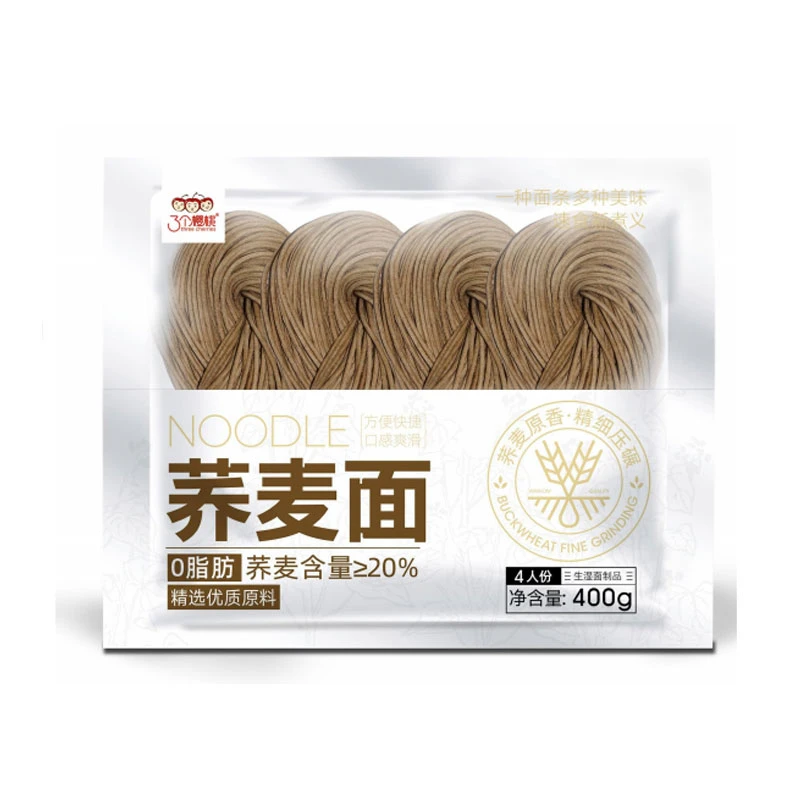
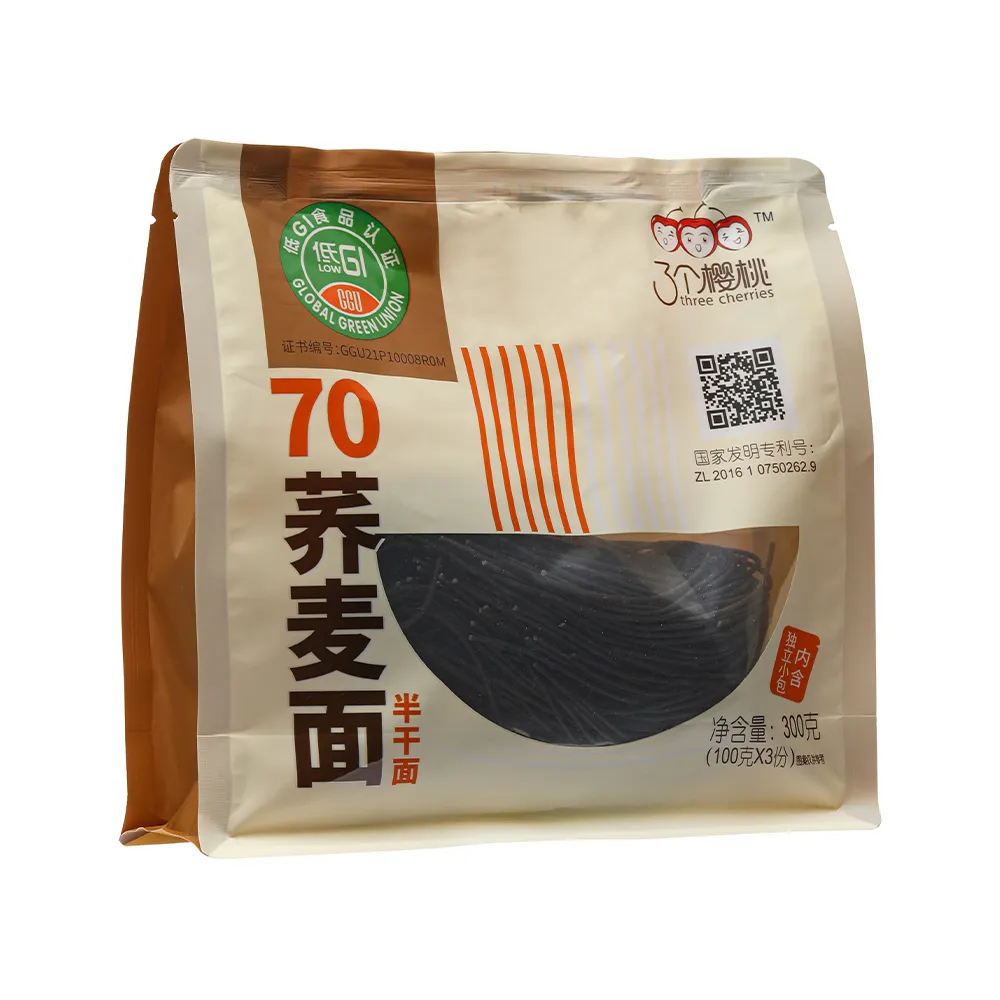
At its simplest, soba noodles are Japanese noodles made primarily from buckwheat flour. Buckwheat, despite its name, is not wheat and is naturally gluten-free. So theoretically, 100% buckwheat soba should be gluten-free. But here’s the catch: many commercial soba noodles blend buckwheat with wheat flour to improve texture and elasticity. That wheat component introduces gluten, meaning many store-bought soba noodles are NOT gluten-free.
“Gluten-free” means a product contains less than 20 parts per million (ppm) of gluten according to international standards such as the Codex Alimentarius.[2] For anyone with celiac disease or severe sensitivity, even trace amounts matter.
Core Aspects Influencing Whether Soba Noodles Are Gluten-Free
1. Ingredient Composition
The buckwheat-to-wheat flour ratio is the main factor. Traditional soba might use 80% buckwheat and 20% wheat — not gluten-free. Pure buckwheat soba (often labeled “juwari soba”) is 100% buckwheat and naturally gluten-free. This ratio affects texture, taste, and gluten content.
2. Production Processes
Cross-contamination during manufacturing can sneak gluten into gluten-free products. Facilities processing both types of noodles might unintentionally mix gluten traces.
3. Certification & Labeling
Look for certified gluten-free labels from recognized bodies. They ensure testing standards and prevent confusion for consumers.
4. Regional Consumer Demand
Markets with high gluten-free demand, such as in the U.S. or parts of Europe, tend to have purer gluten-free soba options. In Japan, traditional blends prevail, so local brands may be less gluten-conscious.
5. Nutritional Implications
Pure buckwheat soba is rich in fiber, minerals, and antioxidants — appealing for health-focused consumers. Wheat-based soba noodles have different nutritional profiles.
Mini Takeaway:
When asking “are soba noodles gf?” the answer depends heavily on ingredients, production, and labeling. For strict diets, pure buckwheat soba is the way to go.
Global Applications: From Traditional Tables to Modern Diet Plans
Gluten-free soba noodles fit into several worldwide nutrition trends:
- Medical diets: Essential for people with celiac disease or gluten intolerance globally.
- Sports nutrition: Athletes seeking high-protein, gluten-free carbs often favor pure soba.
- Ethnic and fusion cuisine: Restaurants worldwide promote authentic gluten-free Japanese dishes.
- Food aid programs: In emergency situations, gluten-free options cater to diverse dietary needs.
For example, in post-disaster relief operations across Southeast Asia, NGOs sometimes supply gluten-free noodles including soba as a safe carb source. In health-conscious markets like California or Germany, pure soba noodles have become a pantry staple.
Product Specification Table: Pure Buckwheat Soba Noodles
| Feature | Specification |
|---|---|
| Main Ingredient | 100% Buckwheat Flour |
| Gluten Content | Less than 20 ppm (Certified Gluten-Free) |
| Protein | ~12 grams per 100g |
| Cooking Time | 4-6 minutes (fresh), 7-8 minutes (dried) |
| Shelf Life | 6-12 months (dried noodles) |
| Typical Price Range | $5 - $12 per 500g pack |
Comparing Popular Soba Vendors: Gluten-Free Options at a Glance
| Brand | Gluten-Free Certified? | Buckwheat Content | Price (500g) | Notes |
|---|---|---|---|---|
| Hakubaku | Yes | 100% | $8.50 | Popular with health food buyers |
| Owariya | No | 80% | $5.50 | Traditional blend, chewy texture |
| Minokoshi | No | 70% | $6.20 | Wheat addition for elasticity |
| Edo Shiroi | Yes | 100% | $11.00 | Artisan, premium packaging |
Why Choosing Gluten-Free Soba Noodles Makes Sense Today and Tomorrow
The advantages of choosing gluten-free soba are multifaceted:
- Health: Buckwheat is high in protein and fiber, plus it’s rich in antioxidants and minerals, making it great for digestive health and stable blood sugar.
- Safety and Inclusion: For those with celiac disease, gluten-free soba noodles mean freedom to enjoy a beloved dish without worry.
- Sustainability: Buckwheat is a resilient crop with a shorter growing cycle and less need for pesticides, contributing to eco-friendly agriculture.
- Culinary Innovation: Chefs and food producers love experimenting with 100% buckwheat recipes that bring new textures and flavors without gluten.
Future of Gluten-Free Soba: Trends to Watch
The food industry is buzzing with new processing technologies to improve texture and shelf-life of gluten-free soba noodles. Techniques like micro-milling buckwheat or incorporating natural binders such as psyllium husk are making gluten-free soba more accessible and appealing.
Digitization in supply chains ensures traceability from farm to table, reassuring consumers about gluten contamination risks. Plus, rising consumer demand in Europe and North America drives innovation toward ready-to-cook gluten-free soba meals.
Challenges and Clever Solutions
Not everything is smooth sailing—producing 100% buckwheat noodles without wheat additives often makes noodles brittle and harder to cook without breaking apart. Manufacturers tackle this by:
- Experimenting with natural gums and fibers to improve dough elasticity.
- Utilizing advanced drying methods to preserve noodle integrity.
- Implementing strict cross-contamination protocols in plants.
Still, the market is learning to balance tradition with modern dietary needs — a tricky, but exciting, dance.
FAQ: Your Questions About Are Soba Noodles GF, Answered
- Are all soba noodles gluten-free?
- Not all soba noodles are gluten-free. Most commercial soba contain a blend of buckwheat and wheat flour, so you need to check ingredient labels or look for certified gluten-free options.
- Can people with celiac disease safely eat soba noodles?
- Only those that are labeled 100% buckwheat and certified gluten-free are safe. Always avoid blends containing wheat to prevent a reaction.
- Do gluten-free soba noodles taste different?
- Yes, gluten-free soba, made entirely from buckwheat, tends to have a nuttier, earthier taste and a slightly different texture compared to wheat-blended noodles.
- Where can gluten-free soba noodles be purchased?
- Gluten-free soba noodles are increasingly available in health food stores, specialty Asian markets, and online retailers worldwide.
- Is cooking gluten-free soba different?
- They can be a bit more delicate. Cook gently and avoid overcooking to maintain texture and avoid breakage.
Conclusion: Are Soba Noodles GF? A Thoughtful Choice for Health and Culture
In a nutshell, “are soba noodles gf?” is a nuanced question worth pondering if you value gluten-free living or are exploring new culinary frontiers. Pure buckwheat soba noodles offer rich nutritional benefits and a gluten-safe option that aligns with global health trends and sustainable food sourcing.
Why not give traditional buckwheat soba a try and savor a bowl that’s both delicious and gluten-free? If you want to explore quality soba products, are soba noodles gf is a great start for finding trusted vendors and recipes tailored to gluten-free needs.
References:
- National Center for Biotechnology Information (NCBI) - Gluten Sensitivity Overview: PMC article
- World Health Organization (WHO) - Food Allergies Fact Sheet: WHO Food Allergy
- Codex Alimentarius - Gluten-free Standards: Codex Standards
-
Discover the Authentic Taste of Korean Buckwheat NoodlesNewsApr.16,2026
-
Discover the Refreshing Taste of Authentic Korean Cold SobaNewsApr.09,2026
-
Discover the Refreshing Taste of Korean Cold Buckwheat Noodles NaengmyeonNewsApr.07,2026
-
Discover the Cool and Refreshing World of Korean Buckwheat Noodles ColdNewsApr.04,2026
-
Discover the Refreshing Taste of Japanese Cold Buckwheat Noodles and Zaru SobaNewsMar.31,2026
-
Exploring the Delicious World of Chinese Style Cold NoodlesNewsMar.28,2026
-
Discover the Cool and Refreshing World of Korean Cold Soba NoodlesNewsMar.26,2026
Browse qua the following product new the we