
Why Soba Noodles Are a Smart Choice for Weight Loss and Health
The Surprising Role of Soba Noodles Good for Weight Loss in Today's Health Landscape
It might sound a little unusual at first—soba noodles being spotlighted as a weight loss aid—but that’s exactly why this topic deserves a close look. Across the globe, more people are becoming conscious about their diet, lifestyle, and how traditional foods can seamlessly merge with wellness goals. Understanding soba noodles good for weight loss is not just a niche curiosity; it taps into global nutrition trends, cultural shifts, and even economic patterns reflected in food consumption worldwide.
Before diving in, it’s worth noting how soba noodles, made primarily from buckwheat, have gained traction. The Food and Agriculture Organization (FAO) highlights that buckwheat cultivation sustainably supports food security in many regions. Meanwhile, public health data shows increasing demand for low-GI, nutrient-dense carbs amid rising obesity rates globally (WHO reports obesity prevalence nearly tripled since 1975). Connecting soba noodles to these trends opens the door to smart, culturally attuned choices for weight management.
Mini takeaway:
In short, soba noodles offer a globally relevant, nutrient-rich option fitting modern health narratives — a tasty bridge between traditional diets and contemporary wellness needs.
Why Soba Noodles Are Gaining Ground for Weight Loss
Nutritionists and food scientists alike are intrigued by soba noodles due to several unique factors. First off, soba noodles come mainly from buckwheat, which is more than a gluten-free grain alternative; it’s a powerhouse of protein, fiber, and antioxidants. The United Nations highlights buckwheat’s potential in hunger mitigation projects, thanks to its adaptability and nutritive value.
The challenge tackled here is maintaining satiety and nutritional balance in low-calorie meals. Many diets rely on bland staples that don’t quite satisfy or nourish adequately. Soba noodles ride that fine line—they’re filling but not heavy, making them an ally in weight loss without feeling deprived. Plus, studies show buckwheat’s resistant starch can positively influence gut bacteria, a hot topic in digestive and metabolic health research.
Mini takeaway:
Soba noodles serve as a smart, practical food choice addressing the global need for accessible, nutritious, and weight-conscious eating options.
What Exactly Are Soba Noodles Good for Weight Loss?
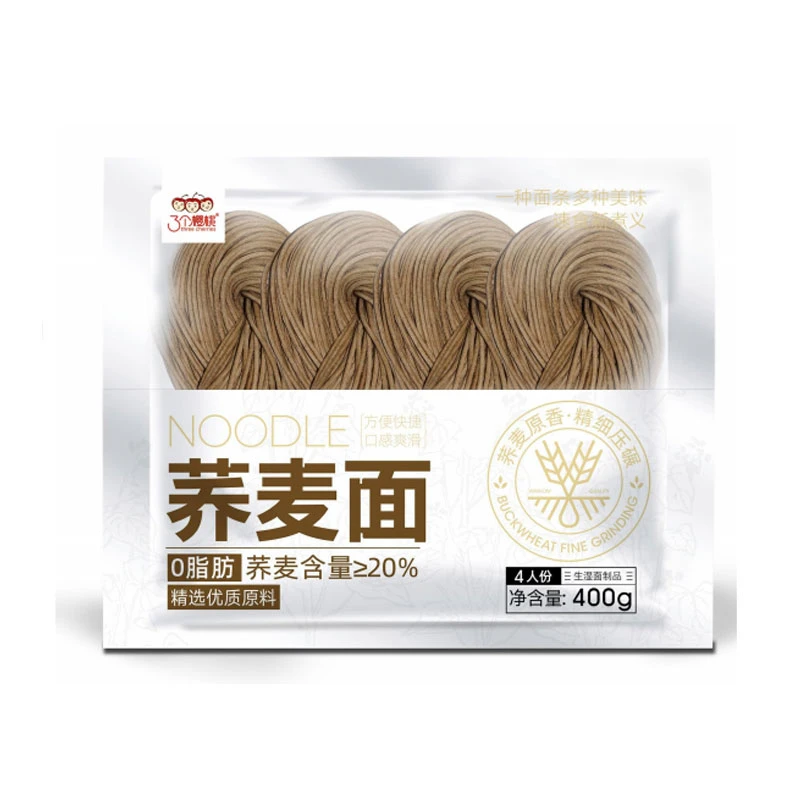
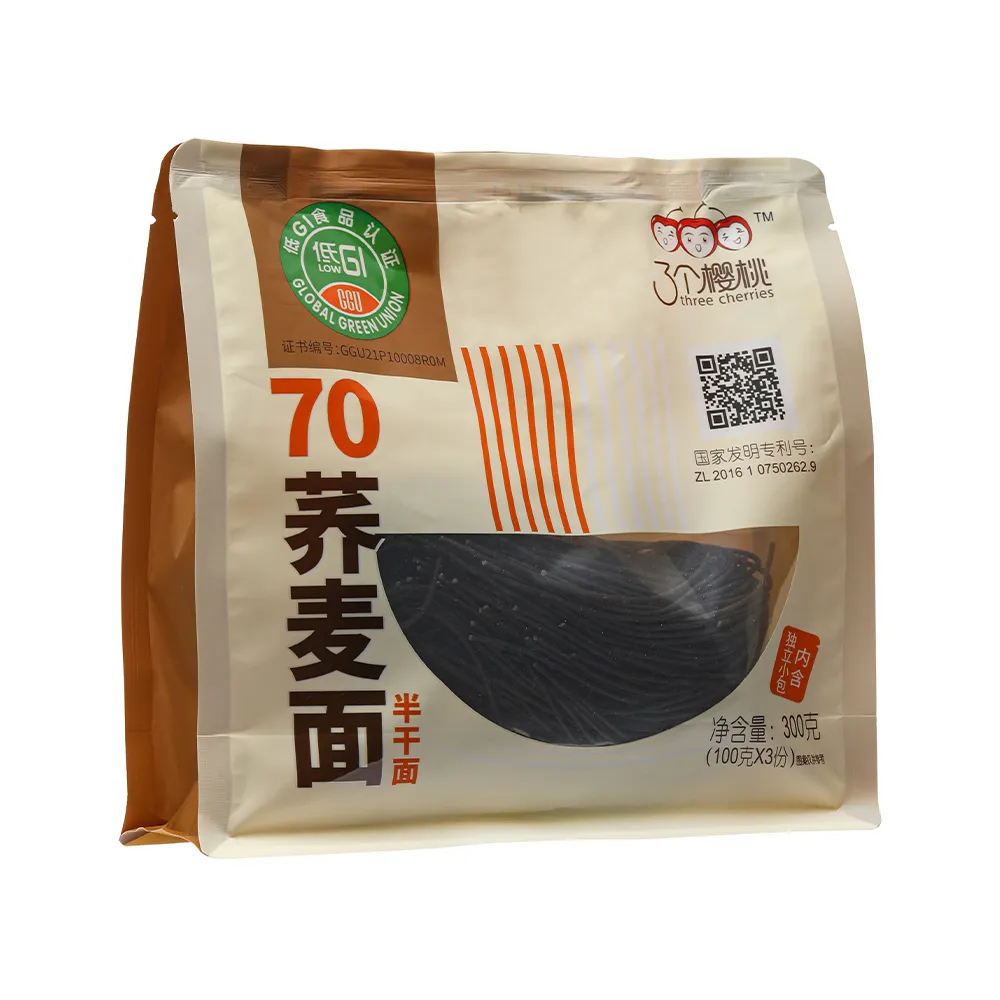
In simple terms, soba noodles good for weight loss means those noodles, usually made from buckwheat flour or a blend of buckwheat and wheat flour, are particularly suited for aiding in weight management. Their nutrient profile provides longer-lasting energy and lower glycemic response compared to many common pastas.
From an industry perspective, this aligns with the food manufacturing shift towards products that meet both health and taste demands. The humanitarian angle is subtle but important: enabling healthy diets on a scalable level, especially in urbanizing areas facing lifestyle-related metabolic diseases.
Mini takeaway:
Put simply, soba noodles are a culturally rich, health-forward food component increasingly embraced worldwide for weight-conscious nutrition.
Key Components That Make Soba Noodles Ideal for Weight Loss
1. High Fiber Content
Fiber is often the unsung hero in weight management. Buckwheat noodles bring both soluble and insoluble fiber, which slows digestion and curbs appetite. This translates to fewer cravings — something many dieters would swear by.
2. Low Glycemic Index (GI)
Unlike typical wheat pasta, soba noodles generally have a low to moderate GI rating. This means blood sugar spikes are less abrupt, promoting sustained energy levels and possibly reducing fat accumulation.
3. Rich in Plant-Based Protein
Buckwheat is a pseudo-cereal and a rare plant-based source with all eight essential amino acids. Protein fuels muscle maintenance and boosts metabolic rate, crucial for effective weight loss.
4. Antioxidants and Micronutrients
Flavonoids like rutin — abundant in buckwheat — provide anti-inflammatory benefits which again support metabolic health over time.
Product Specifications at a Glance
| Feature | Typical Value | Benefit |
|---|---|---|
| Calories per 100g (cooked) | 99 kcal | Lower calorie count compared to wheat pasta |
| Fiber content | 3g | Aids digestion, promotes fullness |
| Protein content | 5g | Supports muscle retention and metabolism |
| Glycemic Index | 45-54 | Steady blood sugar levels |
Global Applications and Who’s Benefiting
Across Asia, soba noodles have long been a dietary staple, but their value is expanding beyond Japan and Korea’s borders. Urban populations in North America and Europe seek lighter, nutritionally sound meal options—making soba noodles a trendy, functional staple in health-oriented restaurants and food brands.
In humanitarian aid contexts, organizations promote soba noodles in post-disaster and food insecurity zones. For example, programs in Central Asia and Eastern Europe leverage buckwheat’s resilient farming profile to encourage local crop cultivation, offering a nutritious staple that’s more sustainable than imported grains.
Oddly enough, some tech-focused gyms and wellness centers are integrating soba-based dishes in meal plans, trusting the low-GI numbers to keep clients energized during long, intense workouts.
Mini takeaway:
Soba noodles have gone global, proving beneficial in diverse industries—from fitness to humanitarian aid—showing just how versatile this humble food is.
Advantages & Long-Term Value of Choosing Soba Noodles
In practical terms, choosing soba noodles over more processed or higher-GI options means better appetite control, sustained energy, and a more nutrient-dense meal overall. Cost-wise, buckwheat is affordable and adaptable in many food systems, which adds durability amid volatile food markets.
Socially, eating soba noodles can feel like a nod to nature and tradition—qualities many consumers seek amid the homogenized world of fast food and instant meals.
Ultimately, the long-term benefits fuse logic and emotion: a food you trust to nourish your body while honoring heritage and supporting sustainable agriculture.
Emerging Trends and Future Innovations
There’s a growing movement to enhance soba noodles with added superfoods—think spirulina or chia seeds—to improve nutrient density. Then there’s a push for cold extrusion technology in production, which preserves the noodles’ nutritional components better than older hot processing methods.
On the policy front, ISO and food safety bodies are shaping guidelines for buckwheat crop purity, ensuring better quality control globally. Meanwhile, innovative packaging reducing waste aligns soba noodles with sustainability goals, which younger consumers increasingly expect.
Challenges and How the Industry is Tackling Them
One tricky bit is consistency: buckwheat’s unique taste and texture aren’t for everyone, which can limit market reach. Also, some soba noodles do include wheat flour, reducing the gluten-free appeal.
Producers and researchers are experimenting with blends and enriching fibers to soften flavors and broaden appeal without compromising nutrition. From a supply standpoint, buckwheat can be vulnerable to climate variations, so crop diversification and improved seed genetics are vital.
Vendor Comparison: Popular Soba Noodle Brands
| Brand | Buckwheat % | Gluten-Free | Organic Certified | Average Price (per 250g) |
|---|---|---|---|---|
| Hodgson Mill | 100% | Yes | No | $4.50 |
| Eden Foods | 100% | Yes | Yes | $5.25 |
| Trader Joe's | 50% | No | No | $2.99 |
FAQ: Your Practical Questions About Soba Noodles Good for Weight Loss
Q1: Are soba noodles always gluten-free and safe for celiacs?
Not necessarily. Pure soba noodles made from 100% buckwheat are gluten-free, but many commercial varieties mix wheat flour for texture. Always check packaging or opt for certified gluten-free brands.
Q2: How do soba noodles compare calorically to traditional pasta?
Soba noodles typically have fewer calories per serving than standard wheat pasta (roughly 100 vs 130-150 kcal per 100g cooked), making them lighter for weight management meals.
Q3: Can soba noodles be incorporated into vegetarian or vegan diets?
Absolutely. Made from plant-based ingredients, they fit perfectly into vegetarian and vegan meal plans, offering a nutritious source of protein and fiber.
Q4: How should I cook soba noodles to preserve their nutritional benefits?
Cook soba noodles in boiling water for 4-5 minutes, then rinse in cold water to stop cooking and remove excess starch, which helps keep their low GI and firm texture.
Q5: Are soba noodles good for people with diabetes?
Yes, due to their low to moderate glycemic index, soba noodles cause less blood sugar fluctuation, making them a better carbohydrate option for many managing diabetes. Still, portion control matters.
Wrapping It Up: Why Soba Noodles Deserve a Spot in Your Weight Loss Diet
To circle back, soba noodles good for weight loss combine cultural tradition with modern nutrition science. They bring fiber, protein, important micronutrients, plus low glycemic effect—a combination that supports sustainable, enjoyable weight management. Whether you’re a health-conscious foodie, a wellness professional, or simply curious about alternative carbs, soba stands out as a versatile, reliable friend in the kitchen.
So why not explore recipes featuring soba noodles? Mix them with fresh veggies or lean proteins for satisfying meals that support your goals. For more info and a curated selection, don’t forget to check out soba noodles good for weight loss — your next step to smarter eating.
References
-
Discover the Authentic Taste of Korean Buckwheat NoodlesNewsApr.16,2026
-
Discover the Refreshing Taste of Authentic Korean Cold SobaNewsApr.09,2026
-
Discover the Refreshing Taste of Korean Cold Buckwheat Noodles NaengmyeonNewsApr.07,2026
-
Discover the Cool and Refreshing World of Korean Buckwheat Noodles ColdNewsApr.04,2026
-
Discover the Refreshing Taste of Japanese Cold Buckwheat Noodles and Zaru SobaNewsMar.31,2026
-
Exploring the Delicious World of Chinese Style Cold NoodlesNewsMar.28,2026
-
Discover the Cool and Refreshing World of Korean Cold Soba NoodlesNewsMar.26,2026
Browse qua the following product new the we