
Discover the Health and Sustainability Benefits of Buckwheat Noodle Ramen | Global Insights
Understanding Buckwheat Noodle Ramen: A Global Culinary and Nutritional Trend
When you think of ramen, you might picture rich pork broth or springy wheat noodles, but the rise of buckwheat noodle ramen is rewriting some expectant menus worldwide. This specialty noodle type isn’t just a flavor tweak; it ties into global health trends, sustainability, and cultural shifts surrounding food. Given buckwheat’s unique nutritional profile and its adaptability to various climates, its intersection with ramen promises more than just a taste adventure—it’s a quiet revolution in what we eat and why.
Understanding buckwheat noodle ramen matters globally because it reflects our evolving food systems, growing concerns over gluten sensitivities, and the search for resilient crops against climate change. The idea is not simply to swap noodles but to offer a meaningful alternative with benefits that span grassroots farmers to consumers asking for real nutrition and relatable heritage on their plates.
Mini takeaway:
- Buckwheat noodle ramen is more than a novelty; it aligns with nutrition and sustainability demands worldwide.
The Global Spotlight on Buckwheat Noodle Ramen
Globally, ramen's popularity continues to skyrocket, with instant ramen markets expected to hit over $40 billion by 2027 (Statista). But food system challenges push consumers to demand more than convenience—they want health, sustainability, and innovation. Enter buckwheat, a crop celebrated by the United Nations for its environmental resilience and nutritional benefits, resistant to poor soils and drought-prone zones.
However, challenges in traditional wheat agriculture—linked to monoculture practices and gluten sensitivities affecting at least 1% of the population (according to the Celiac Disease Foundation)—have sparked renewed interest in alternatives. Buckwheat noodles fit naturally, offering a gluten-free option rich in fiber and protein.
So, buckwheat noodle ramen emerges as a compelling alternative in a crowded marketplace, marrying ancient grains with modern culinary expectations. This ... odd but smart marriage answers a growing need for more responsible food choices worldwide.
Mini takeaway:
- The global demand for healthier, sustainable noodle options highlights the rising relevance of buckwheat noodle ramen.
What Exactly Is Buckwheat Noodle Ramen?
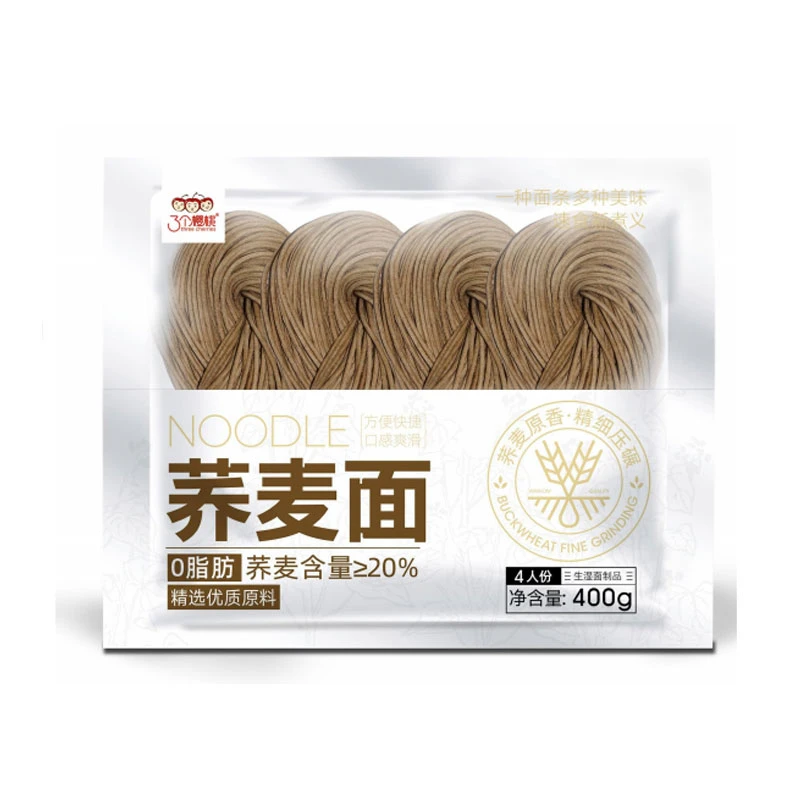
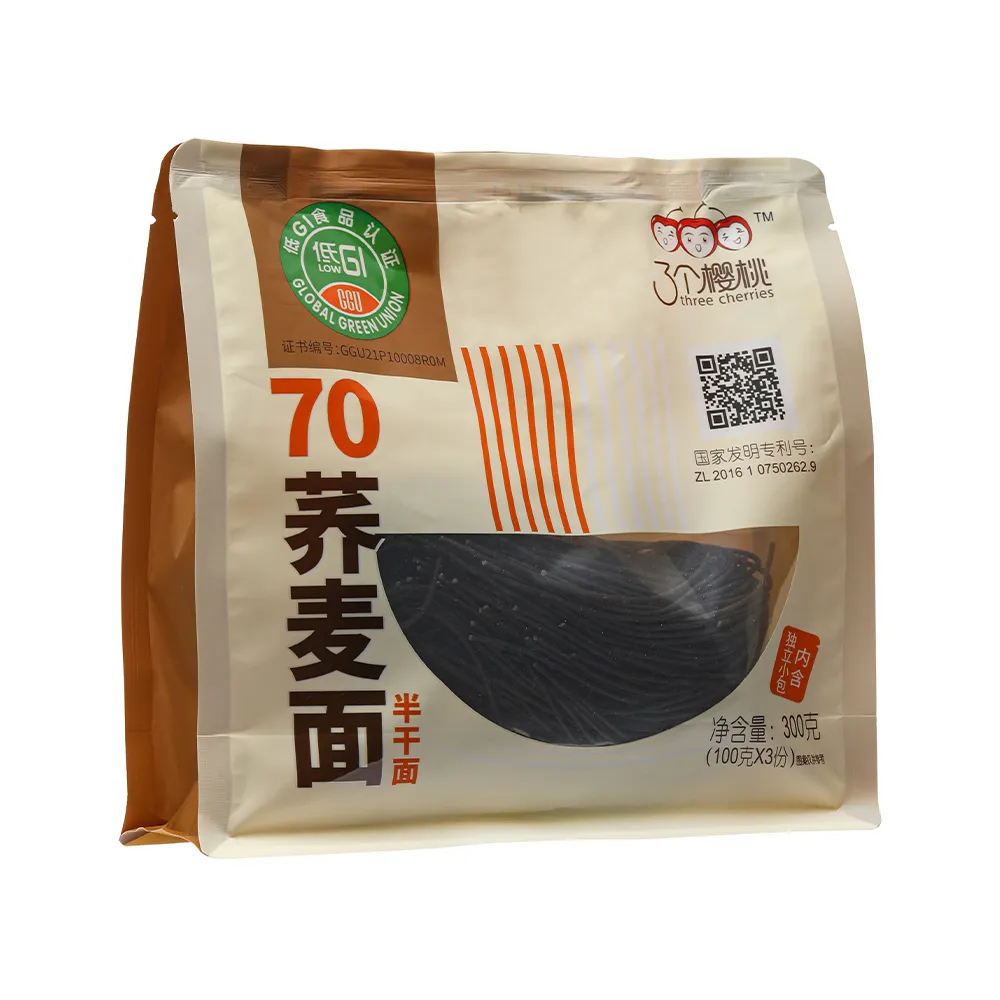
Simply put, buckwheat noodle ramen are ramen-style noodles where buckwheat flour replaces or complements traditional wheat flour. Originating primarily from East Asia—particularly Japan and Korea—buckwheat noodles, often called soba, bring a distinctive nutty flavor and darker color. The fusion with ramen styles creates a hybrid culinary product enjoyed both fresh and packaged.
Unlike wheat, buckwheat isn’t a true grain but a seed, which explains its gluten-free property. This makes buckwheat noodle ramen especially interesting in industries catering to gluten sensitivities and those promoting plant-based nutrition. The food industry sees it as a bridge between tradition and innovation—traditional buckwheat noodles gaining new life in ramen’s widespread consumption.
Mini takeaway:
- Buckwheat noodle ramen mixes traditional soba noodles’ nutrition with ramen’s broad culinary appeal.
Core Components of Buckwheat Noodle Ramen
1. Nutritional Value
Rich in rutin—a powerful antioxidant—buckwheat noodles add health benefits you won’t find in typical wheat ramen. They contain balanced amino acids and promote heart health, making them a functional food item.
2. Gluten-Free Appeal
For people with celiac disease or gluten intolerance, buckwheat offers an alternative that lets ramen fans still enjoy their favorite dish without worries.
3. Textural Qualities
Buckwheat noodles tend to have a firmer, slightly grainy texture. When blended with wheat flour, they keep elasticity, delivering a chewy bite that ramen lovers appreciate.
4. Environmental Resilience
Buckwheat plants grow well in poor soils and require less pesticide use. This benefits farmers economically and environmentally.
5. Supply Chain Adaptability
Because buckwheat thrives in cooler climates, it helps diversify the sourcing regions for noodle production — an asset amid climate unpredictability.
Mini takeaway:
- Buckwheat noodle ramen is nutritionally superior, gluten-friendly, texturally robust, and environmentally smart.
Global Applications & Use Cases of Buckwheat Noodle Ramen
Across Asia, buckwheat noodle ramen enjoys consumption not only in homes and restaurants but also in packaged ramen products tailored for export. In mountainous regions of Japan and Korea, soba-based ramen is a culinary staple supporting local farmers who specialize in buckwheat cultivation.
In European countries like Slovenia and Russia, where buckwheat is a traditional crop, noodle manufacturers have introduced ramen products to capture a fusion-loving audience. Emergency food supplies sometimes integrate buckwheat noodles due to their shelf stability and nutritional value — a point humanitarian NGOs have noted in post-crisis nutrition plans.
Even the fast-casual food industry in the US sees innovation with buckwheat ramen as it caters to vegetarians and gluten-free markets, often pairing such noodles with nutrient-rich broths and locally sourced vegetables.
Mini takeaway:
- Buckwheat noodle ramen is versatile, appearing across continents—from traditional meals to emergency food and trendy restaurants.
Advantages & Long-Term Value of Buckwheat Noodle Ramen
- Cost Efficiency: Despite slight premium pricing, buckwheat cultivation’s lower input needs can reduce long-term costs.
- Sustainability: Buckwheat’s fast growth cycle and reduced agrochemical requirements lower environmental impact.
- Health & Safety: High fiber and antioxidant content support chronic disease prevention—something increasingly valued.
- Cultural & Social Impact: Helps sustain agricultural diversity and rural livelihoods.
- Reliability: Producing buckwheat-based products can offset risks tied to wheat supply disruptions.
Emotionally, many consumers report feeling more “in tune” with food when they choose buckwheat ramen — a subtle but powerful factor for food brands wanting to build lasting trust.
Future Trends & Innovations
Researchers explore adding buckwheat flour into instant ramen products to reduce sodium and artificial ingredients, appealing to health-conscious consumers. Meanwhile, smart farming, using sensors to optimize buckwheat fields, enhances yield predictions and quality control.
On the sustainability front, packaging for buckwheat noodle ramen increasingly uses biodegradable materials, with companies striving toward zero waste. AI-driven recipe customization could soon allow consumers to build their own buckwheat ramen flavor profiles online, blending tradition and tech.
Challenges & Solutions
One challenge has been the brittleness of pure buckwheat noodles, requiring careful flour blends. Additionally, buckwheat crops can be vulnerable to certain pests, though integrated pest management is helping.
Market education also remains crucial; some eaters hesitate to try buckwheat ramen due to unfamiliar textures or flavors. To address this, chefs and companies run tasting events and recipe tutorials, gradually shifting perception.
Product Specifications: Buckwheat Noodle Ramen Varieties
| Product | Buckwheat Content (%) | Gluten-Free | Shelf Life | Packaging Type |
|---|---|---|---|---|
| Classic Soba Ramen | 80% | Yes (if pure buckwheat) | 12 months | Vacuum-sealed packs |
| Mixed Grain Ramen | 50% | No | 10 months | Resealable bags |
| Instant Buckwheat Ramen | 65% | Depends on blend | 18 months | Single-serve cups |
Comparing Top Vendors of Buckwheat Noodle Ramen
| Vendor | Country of Origin | Price Range (per kg) | Product Range | Sustainability Initiatives |
|---|---|---|---|---|
| SobaCraft | Japan | $8 - $12 | Traditional & Instant | Organic farming; carbon offset |
| GreenGrain Foods | Slovenia | $7 - $10 | Mixed grain blends | Zero-pesticide policy |
| Nature’s Noodle Co. | USA | $9 - $15 | Gluten-free & vegan | Biodegradable packaging & fair trade |
FAQ: Frequently Asked Questions About Buckwheat Noodle Ramen
- Is buckwheat noodle ramen suitable for someone with gluten intolerance?
- Yes! Pure buckwheat noodle ramen is naturally gluten-free, making it a great alternative for people with celiac disease or gluten sensitivity. Just ensure the product label confirms no wheat flour blends.
- How does buckwheat noodle ramen compare nutritionally to regular wheat ramen?
- Buckwheat noodles offer higher protein, fiber, and antioxidants compared to standard wheat ramen. This means better heart health benefits and sustained energy after eating.
- Can buckwheat noodle ramen replace traditional noodles in all dishes?
- Mostly yes, though texture differences mean some dishes may need slight recipe tweaks. Buckwheat noodles have a firmer bite and distinct nutty flavor, which changes the dish profile but often in a welcome way.
- Where can I buy quality buckwheat noodle ramen?
- Look for specialty Asian grocery stores, health food markets, or online retailers. Companies like buckwheat noodle ramen specialists offer a range from fresh to instant varieties.
- What are the environmental benefits of choosing buckwheat noodle ramen?
- Buckwheat grows quickly with minimal fertilizer and pesticide needs, reducing environmental harm compared to wheat. It also supports crop diversity, which benefits soil health and food system resilience.
Conclusion: Why Buckwheat Noodle Ramen Matters
As the world’s food preferences change, buckwheat noodle ramen stands out as a product that respects tradition yet pushes toward a more sustainable and healthy future. Whether you’re a food producer, a consumer seeking better nutrition, or a farmer interested in resilient crops, buckwheat ramen noodles fit a broad spectrum of needs.
If you’re curious and ready to dive deeper or try some, visit our website: buckwheat noodle ramen and explore a world where health meets heritage in every bowl.
Mini takeaway:
- Buckwheat noodle ramen is a tasty, nutritious, and sustainable alternative that’s carving out a permanent slice of the global food scene.
References
-
Discover the Authentic Taste of Korean Buckwheat NoodlesNewsApr.16,2026
-
Discover the Refreshing Taste of Authentic Korean Cold SobaNewsApr.09,2026
-
Discover the Refreshing Taste of Korean Cold Buckwheat Noodles NaengmyeonNewsApr.07,2026
-
Discover the Cool and Refreshing World of Korean Buckwheat Noodles ColdNewsApr.04,2026
-
Discover the Refreshing Taste of Japanese Cold Buckwheat Noodles and Zaru SobaNewsMar.31,2026
-
Exploring the Delicious World of Chinese Style Cold NoodlesNewsMar.28,2026
-
Discover the Cool and Refreshing World of Korean Cold Soba NoodlesNewsMar.26,2026
Browse qua the following product new the we