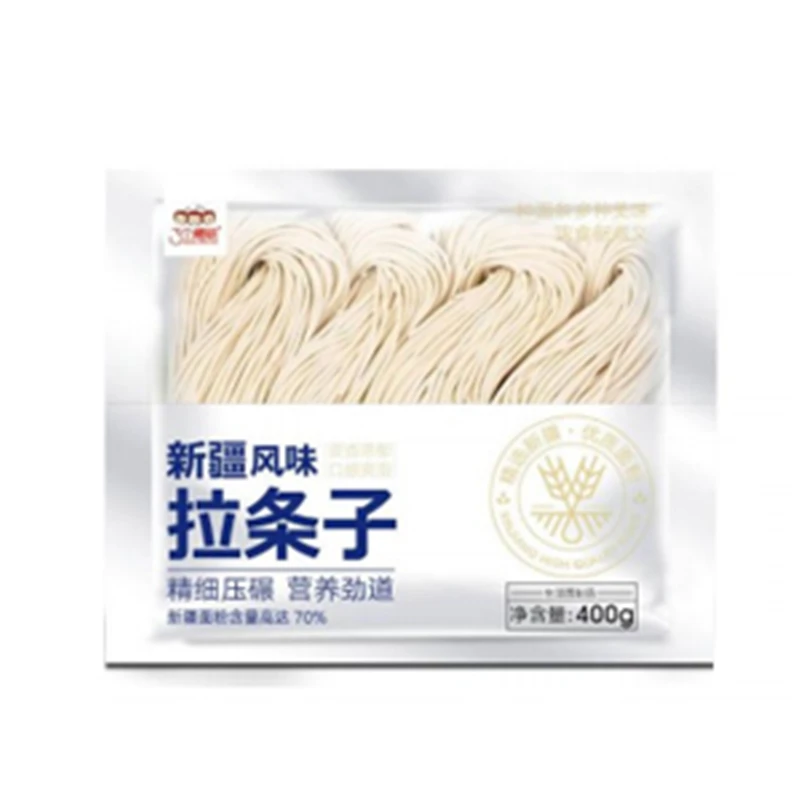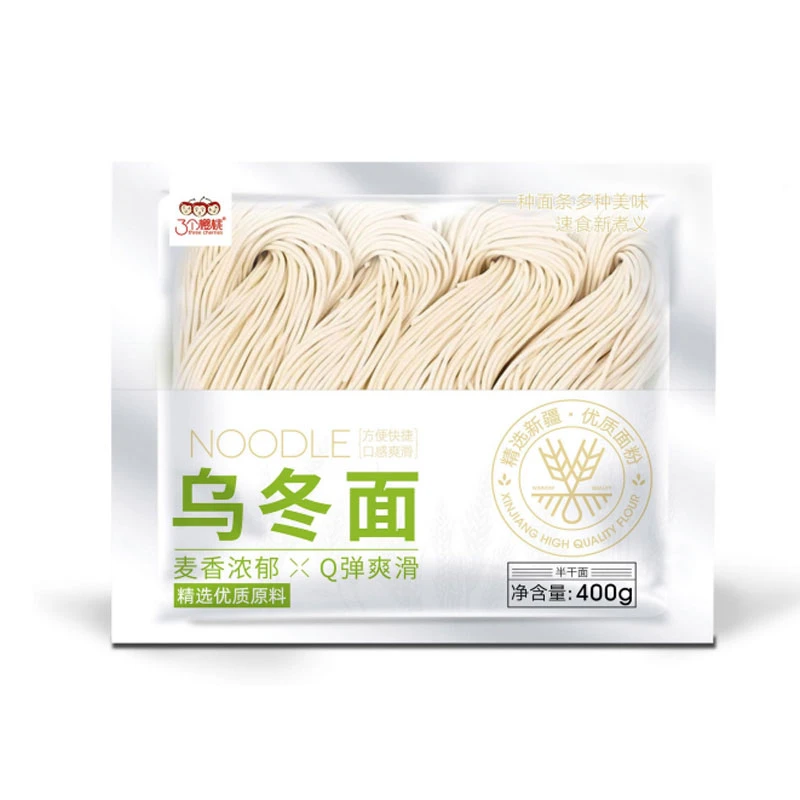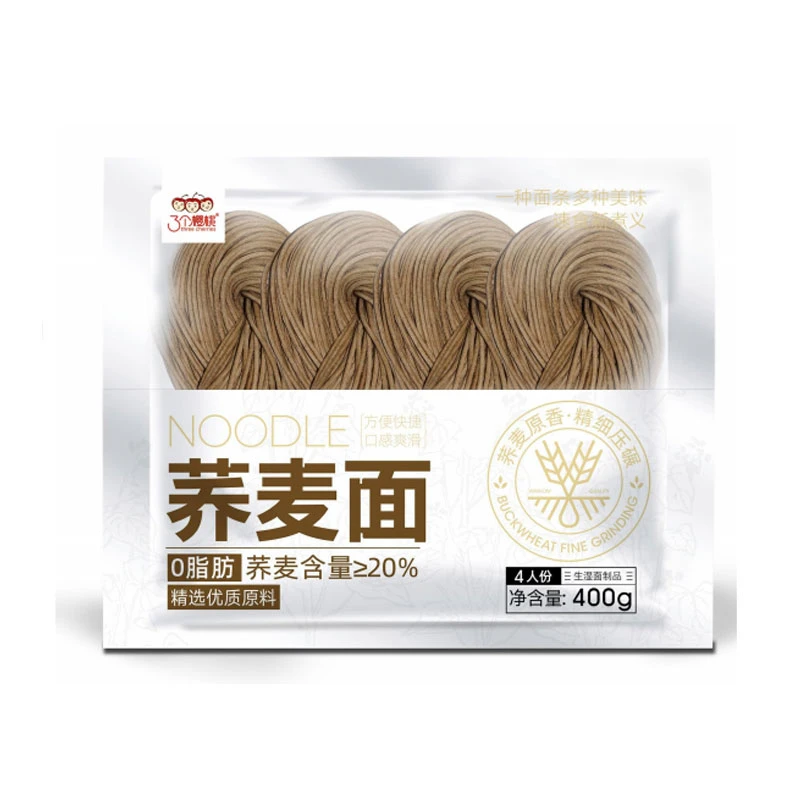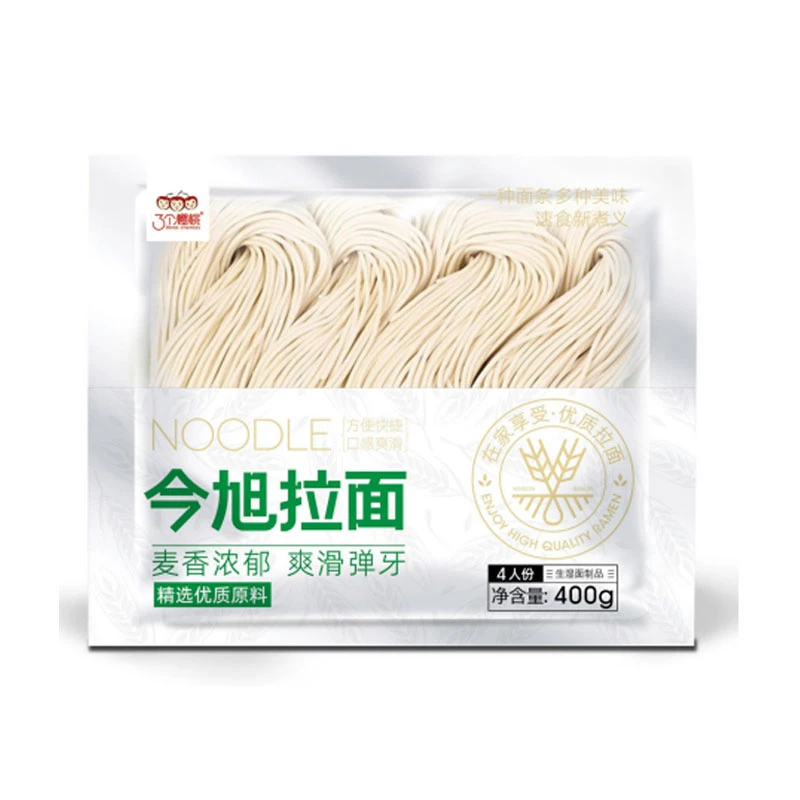

Traditional Chinese Noodle Making by Hand | Equipment & Insights
Chinese Noodle Making By Hand: Crafting Tradition with a Touch of Industry Wisdom
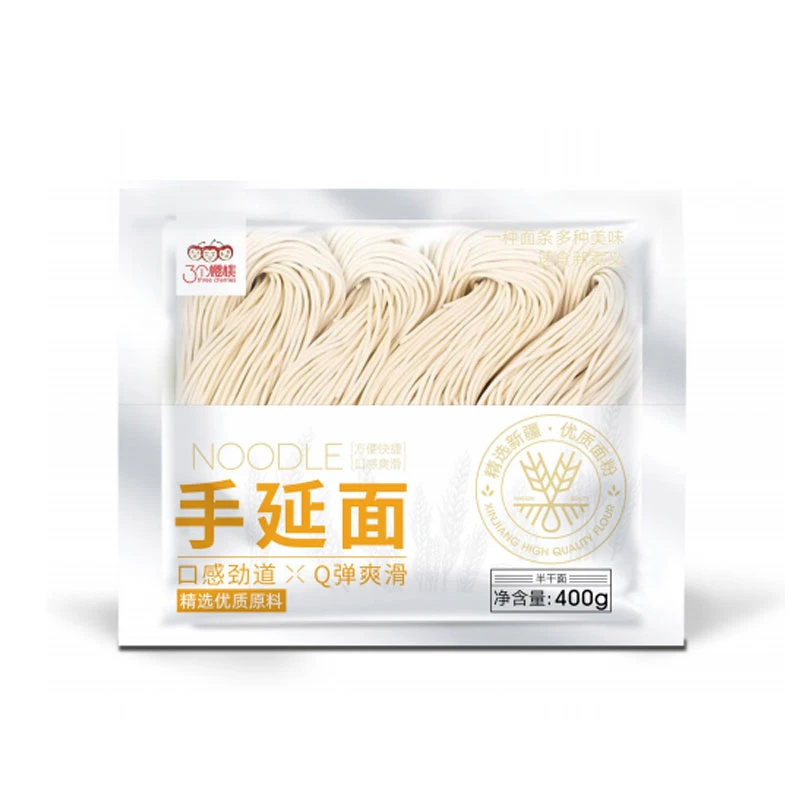
Having spent a fair chunk of my career in the industrial equipment sector, I’ve seen thousands of mechanized processes aimed at replacing manual craftsmanship. Yet, oddly enough, watching skilled hands pull, stretch, and fold noodles the traditional way remains a mesmerizing craft. Chinese noodle making by hand isn’t just a kitchen skill; it’s an art form that embodies patience, experience, and the right dough—plus a bit of ingenuity, especially when paired with the right equipment.
Most people imagine noodle factories as giant machines hammering out product after product, but the tactile approach still holds its charm and relevance. Frankly, it feels like a bridge between heritage and modern demands. In real terms, hand-made noodles often boast a texture and bite that machines sometimes struggle to replicate. Though I'm well acquainted with industrial automation, witnessing the manual process reminds me why some things just aren’t fully replaceable.
From my experience, the process hinges massively on the dough’s quality and consistency. You want the right flour blend, water ratios, maybe even some egg or alkaline additives depending on the noodle type. The delicate elasticity you achieve by folding and stretching—even testing that tension by hand—no machine can quite mimic yet. What’s fascinating is how low-tech equipment complements this method, for example, simple semi-dry noodle presses or base mixers that bring a consistent touch without stealing the artisan’s control.
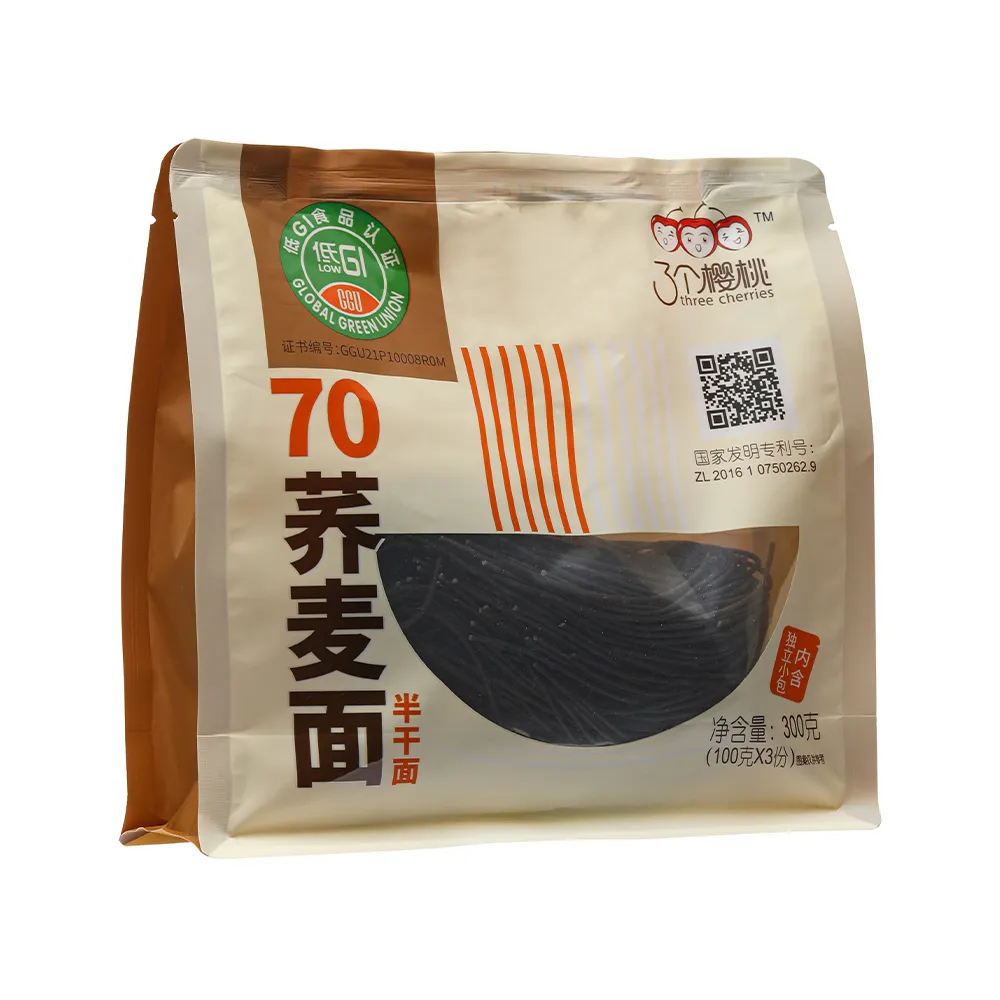
Recently, I came across a Chinese noodle supplier that emphasizes such traditional yet semi-industrial methods, found at Chinese noodle making by hand. It reaffirmed to me that there’s a growing niche market focused on noodles that feel authentic but benefit from tested equipment. I suppose it also means better shelf life and hygiene standards, balancing old-school with contemporary food production requirements.
Key Product Specifications for Semi-Dry Noodles Equipment
| Feature | Specification |
|---|---|
| Dough Type Compatibility | Wheat flour, Semi-dry dough |
| Mixing Capacity | 10–100 kg per batch |
| Stretching Mechanism | Manual or semi-automatic hand pull assist device |
| Material | Food-grade stainless steel, easy to clean |
| Customizable Dimensions | Noodle thickness and width adjustable |
| Hygiene Features | Quick disassembly for cleaning |
Comparing Top Vendors of Manual & Semi-Manual Noodle Equipment
| Vendor | Product Focus | Price Range | Customization | Support & Warranty |
|---|---|---|---|---|
| JX Semi-Dry Noodles | Semi-dry manual & semi-automatic noodle making | $$$ | Yes, thickness & dough types | 12 months, on-site options |
| Shanghai Noodle Tech | Fully automatic machines | $$$$ | Limited manual options | 18 months, remote support |
| Handcrafted Flourish Co. | Traditional hand tools & training | $$ | Customized coaching | No warranty (artisan focus) |
Oddly enough, I remember talking to a mid-sized noodle producer who started by hand-pulling their noodles in a small workshop. Once they scaled, they invested in semi-dry noodle presses very much like those from JX Semi-Dry Noodles. The transition wasn’t about losing craftsmanship but enhancing consistency and volume. It shows how you don’t have to sacrifice tradition for efficiency—there’s a sweet spot in between that feels honest.
Overall, whether you’re a small food entrepreneur or an established manufacturer looking to reconnect with hand-held authenticity, exploring Chinese noodle making by hand paired with smart equipment is something I genuinely recommend. It’s a blend of tactile skill and modern design pragmatism that resonates well in today’s market.
After all, noodles tell a story—not just of food but of culture, craft, and care.
References:
1. Interview with noodle workshop founder, 2023
2. Industry white paper on semi-automatic noodle equipment, 2022
3. JX Semi-Dry Noodles product brochures, 2024
-
Discover the Authentic Taste of Korean Buckwheat NoodlesNewsApr.16,2026
-
Discover the Refreshing Taste of Authentic Korean Cold SobaNewsApr.09,2026
-
Discover the Refreshing Taste of Korean Cold Buckwheat Noodles NaengmyeonNewsApr.07,2026
-
Discover the Cool and Refreshing World of Korean Buckwheat Noodles ColdNewsApr.04,2026
-
Discover the Refreshing Taste of Japanese Cold Buckwheat Noodles and Zaru SobaNewsMar.31,2026
-
Exploring the Delicious World of Chinese Style Cold NoodlesNewsMar.28,2026
-
Discover the Cool and Refreshing World of Korean Cold Soba NoodlesNewsMar.26,2026
Browse qua the following product new the we