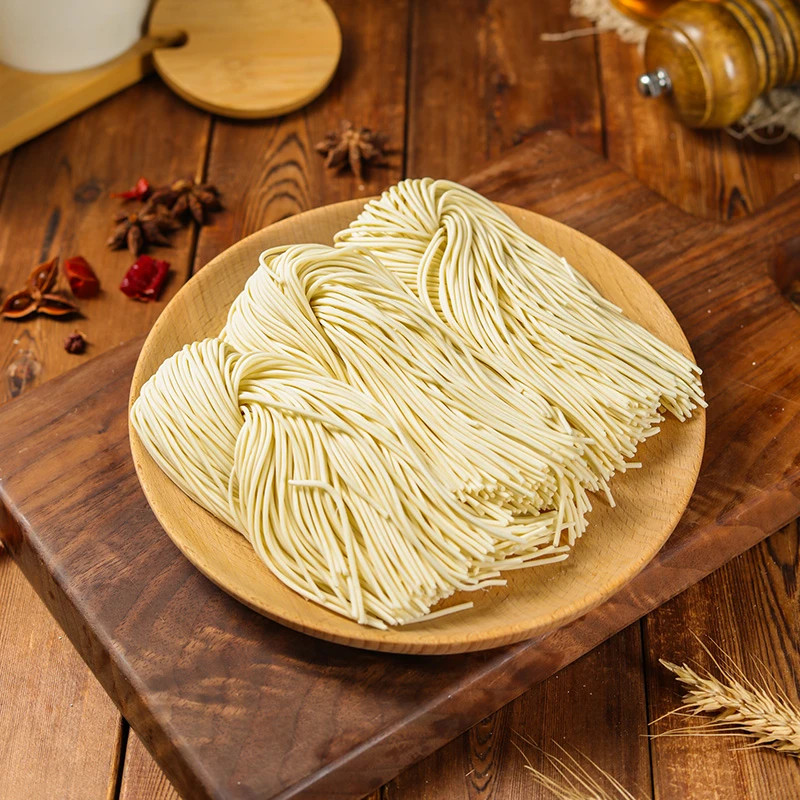
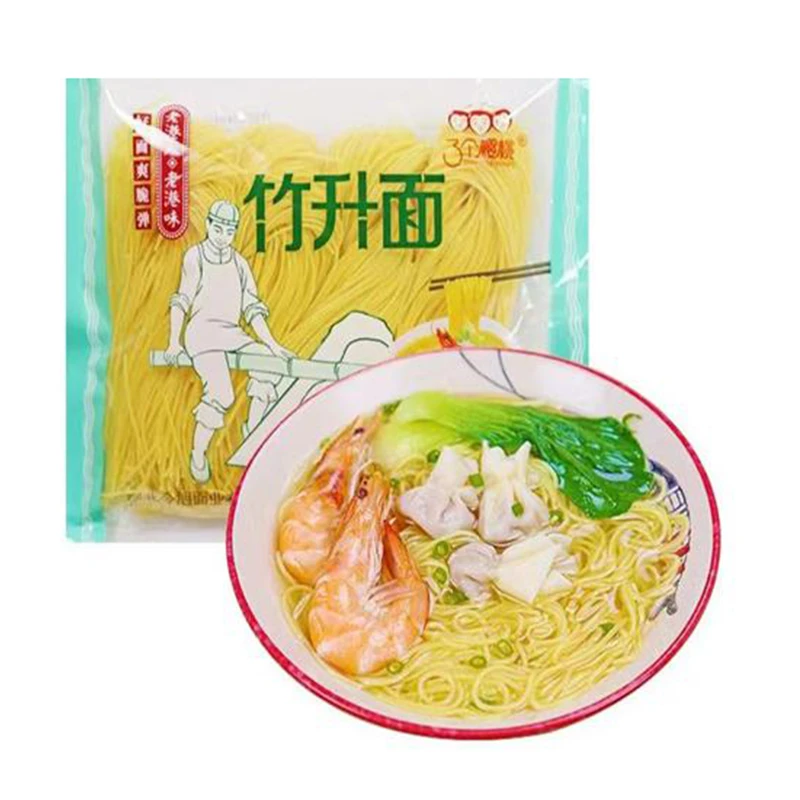
Premium low calorie soba noodles Solutions for Venezuela

Innovative grain processing technology delivering authentic taste and nutritional excellence to the Venezuelan food manufacturing sector.

Premium low calorie soba noodles Solutions for Venezuela

We provide high-efficiency production lines and raw material expertise to help Venezuelan manufacturers produce world-class buckwheat and pasta products that meet modern health standards.

Current State of Grain Processing in Venezuela

Analyzing the intersection of traditional pasta habits and the emerging demand for healthy alternatives.

In Venezuela, the food manufacturing landscape is heavily rooted in wheat-based pasta. However, due to fluctuating import costs and a growing health consciousness in urban centers like Caracas, there is a significant shift toward homemade pasta noodles and artisanal grains that offer better nutritional profiles.

The tropical climate of Venezuela poses unique challenges for the shelf-life of fresh noodles. Consequently, the market is seeing an increased interest in chilled noodle technology, which allows for extended freshness and reduced waste in the supply chain without compromising the structural integrity of the buckwheat.

Despite economic volatility, the "wellness" trend is driving a niche but rapid growth in the demand for cold soba. Local consumers are increasingly seeking low-glycemic index options to combat lifestyle diseases, creating a gap in the market for industrial-scale, high-quality buckwheat production.
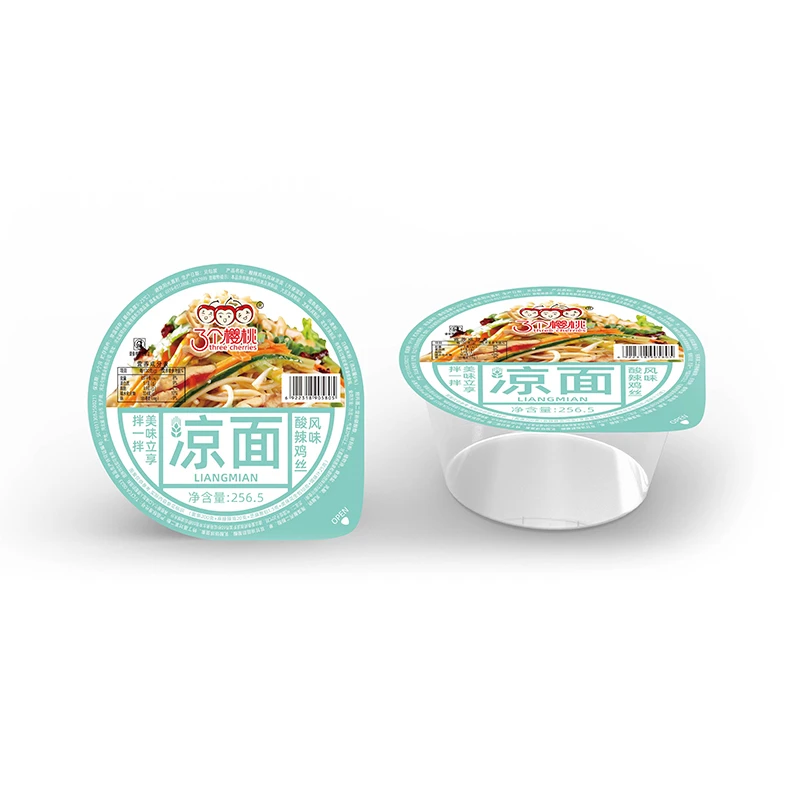
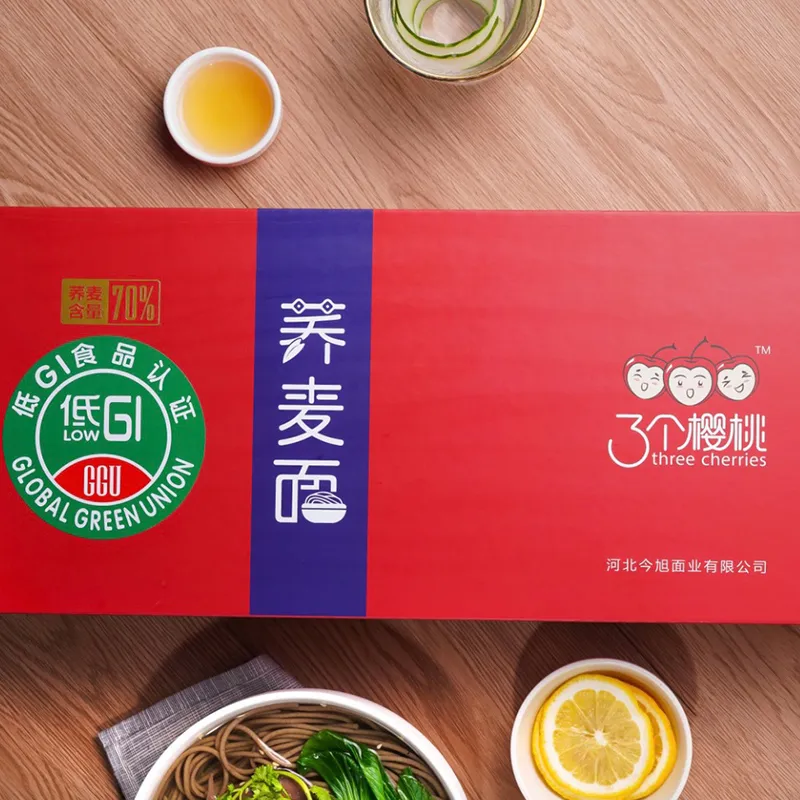
Evolution of Noodle Production Technology

From manual kneading to automated precision drying and cooling systems.

Market Development History

Prior to 2010, the Venezuelan market relied almost exclusively on traditional hot-extruded wheat pasta. Production was focused on volume rather than nutritional variety, with limited access to specialized buckwheat milling equipment.

Between 2015 and 2022, a transition occurred where small-scale producers began experimenting with buckwheat cold noodle concepts, adapting Asian techniques to local tastes. This era saw the introduction of basic semi-drying processes to stabilize products for regional distribution.

From 2023 onwards, the industry has entered the era of "Functional Noodles." The focus has shifted toward precise temperature control and vacuum-mixing technology to ensure that nutrient-dense noodles maintain a smooth texture and long shelf-life in humid environments.

Future Development Trends

Automated Cold-Chain Integration

Integration of smart cooling systems will allow manufacturers to produce chilled noodle varieties that can be distributed across different climate zones in Venezuela without quality degradation.

Clean Label and Gluten-Free Shifts

Increased demand for allergen-free options will push manufacturers to refine buckwheat purity, moving toward 100% buckwheat formulations to capture the health-conscious demographic.

Energy-Efficient Drying Technology

Given the local energy challenges, the adoption of low-energy, high-efficiency drying ovens will be critical for the sustainability of grain processing plants.

Industry Trends and Future Outlook

Strategic forecasting for the grain and noodle sector in the South American market.

Nutritional Optimization
Moving toward high-protein, low-calorie formulations to meet the rising demand for diet-friendly grain products.
Cold-Chain Expansion
Development of specialized logistics to transport chilled noodles from production hubs to retail outlets.
Process Automation
Reducing manual labor through PLC-controlled mixing and cutting to ensure batch consistency.
Sustainable Sourcing
Optimizing the import chain of high-grade buckwheat to lower costs and reduce carbon footprints.

Industry Outlook

Based on Google search trends in South America, there is a marked increase in queries related to "healthy noodles" and "low carb pasta." We predict that within 3-5 years, the Venezuelan market will transition from seeing buckwheat as an exotic ingredient to a staple health food.

The future lies in the hybridization of traditional Latin American flavors with the technical precision of East Asian noodle manufacturing, creating a unique market segment for premium, chilled, and functional grain products.

Localized Application Scenarios in Venezuela

Practical implementations of our noodle technology in the local Venezuelan market.

1. High-End Urban Gastro-Pubs in Caracas

Implementation of rapid-cook cold soba menus to cater to the growing expatriate and health-conscious professional population.

2. Regional Supermarket "Fresh-Chill" Aisles

Deployment of chilled noodle packaging solutions that allow for a 14-day shelf life without chemical preservatives.

3. Boutique Health-Food Cafés

Customized production of low calorie soba noodles paired with local Venezuelan tropical fruits and dressings for a fusion experience.

4. Small-Scale Artisanal Cooperatives

Providing compact machinery for the production of homemade pasta noodles with added nutritional fortifications for community markets.

5. Hotel and Resort Catering (Coastal Regions)

Utilizing buckwheat cold noodle sets as refreshing, light appetizers for tourists in the humid climate of Margarita Island.

Brand Story

Global Development Journey of Hebei Jinxu Noodle Industry Co., Ltd.

Foundational Excellence

Established with a mission to revolutionize grain processing, we began by mastering the delicate balance of moisture and temperature in traditional noodle making.

Technological Breakthrough

Developed the industry-leading semi-dry and chilled process, solving the age-old conflict between long-term storage and "fresh-made" texture.

Global Expansion

Extended our expertise to South America, adapting our machinery to handle diverse grain varieties and challenging tropical environments.

Health-Centric Innovation

Launched the low-calorie and gluten-free line, empowering food manufacturers worldwide to create products that promote public wellness.

Future Vision

Aiming to be the global gold standard for grain processing, ensuring every culture has access to high-quality, nutritious noodle solutions.

Comprehensive Noodle Solutions for Venezuela

A curated portfolio of machinery and raw material expertise tailored for the South American market.

Frequently Asked Questions in Venezuela

Technical and commercial answers for local food producers.

How to maintain the texture of buckwheat cold noodles in humid climates?

The key is using precision semi-drying technology and vacuum packaging, which prevents moisture absorption and maintains the characteristic "al dente" bite of the noodle.

Can these machines produce low calorie soba noodles without additives?

Yes, our equipment uses high-pressure extrusion and precise temperature control to bind the buckwheat flour naturally, eliminating the need for artificial thickeners.

What is the difference between chilled noodles and frozen noodles?

Chilled noodles are kept above freezing, preserving the natural starch structure and offering a much faster preparation time without the risk of texture degradation during thawing.

Are homemade pasta noodles production lines scalable for industrial use?

Absolutely. Our modular systems allow you to start with a small artisanal setup and expand to full automation as your market demand in Venezuela grows.

Which buckwheat variety is best for the Venezuelan market?

We recommend a high-amylose buckwheat variety, which provides the stability needed for cold soba and resists clumping in high-humidity environments.

How does the equipment handle power fluctuations common in some regions?

Our systems are equipped with advanced voltage stabilizers and PLC protection to ensure that the production process is not interrupted by power surges.

Ready to Transform Your Grain Business?

Our experts are ready to provide customized technical support and machinery configurations for your factory in Venezuela.

Contact Us Now

If you are interested in our products, you can choose to leave your information here, and we will be in touch with you shortly.