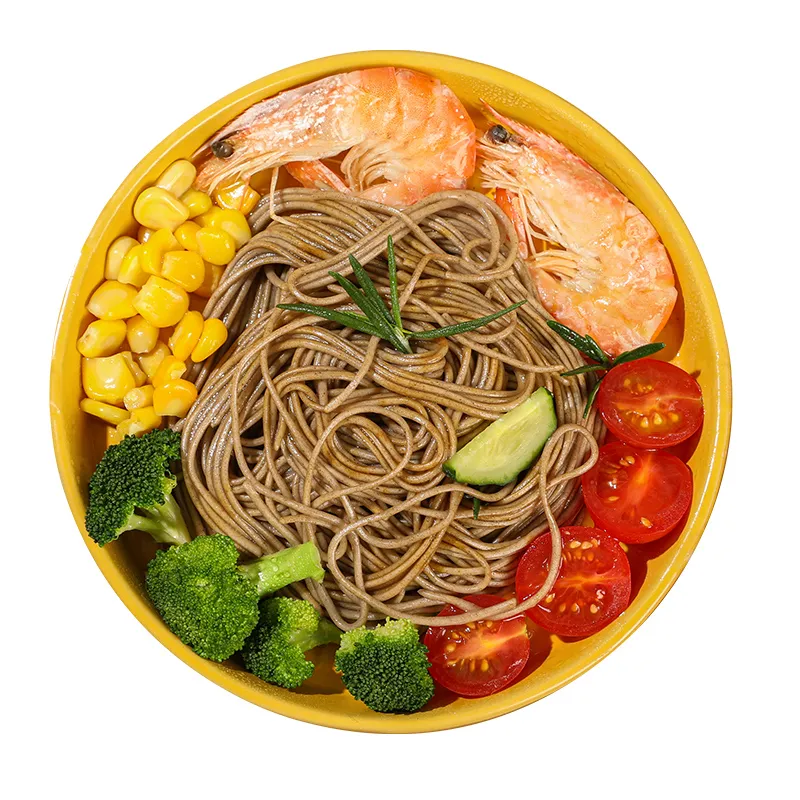
Premium low calorie soba noodles Solutions for Uruguay

Integrating traditional grain processing with modern nutritional standards to redefine the chilled noodle market in South America.

Premium low calorie soba noodles Solutions for Uruguay

We provide high-efficiency, nutritionally balanced semi-dry noodle production technologies tailored for the Uruguayan food manufacturing sector, focusing on health-conscious consumers.

The State of Grain Processing in Uruguay

Analyzing the shift towards functional noodles in the Southern Cone market.

Uruguay's food manufacturing landscape is traditionally dominated by wheat and beef, but there is a surging demand for diversified grain products. The rise of health-conscious urban populations in Montevideo has created a gap for buckwheat cold noodle options that offer lower glycemic indices compared to traditional pasta.

Currently, the local market relies heavily on imported chilled products, which often lose texture during long-distance logistics. This presents a significant opportunity for local manufacturers to implement advanced drying technologies to produce high-quality cold soba that maintains a "fresh-made" elasticity.

Economic stability and a strong agricultural base in Uruguay provide the ideal infrastructure for transitioning toward specialized chilled noodle production, bridging the gap between traditional artisan methods and industrial efficiency.

Evolution of Noodle Manufacturing

From traditional pasta workshops to automated nutrient-preserved lines.

Market Development History

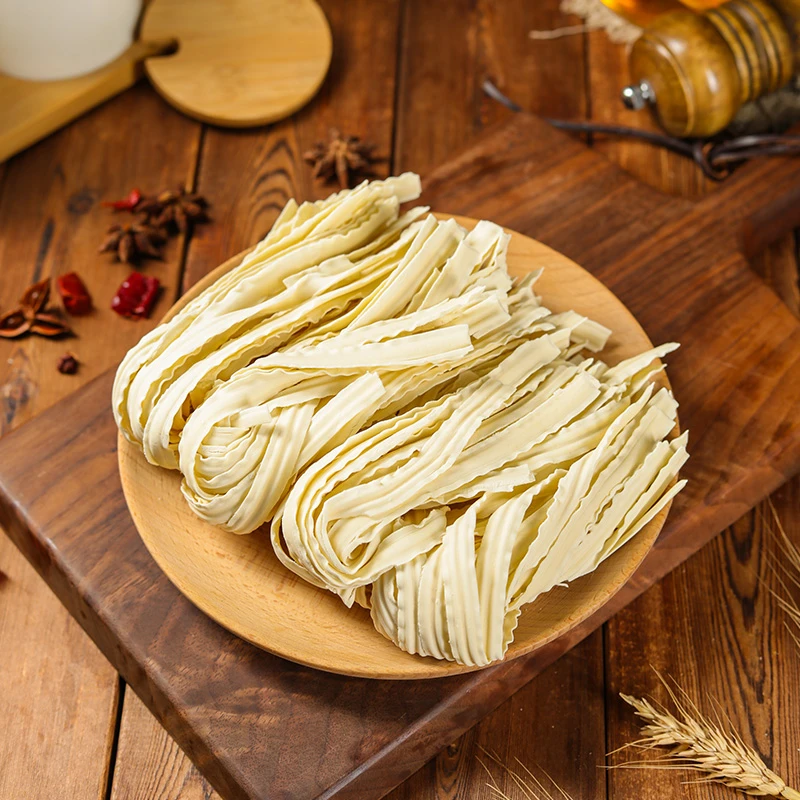
In the early 2000s, the Uruguayan market was centered on homemade pasta noodles, utilizing basic extrusion and air-drying. These products were staples but lacked nutritional diversity and shelf-life stability.

Between 2010 and 2020, the introduction of semi-dry technology allowed manufacturers to reduce moisture content without compromising protein structures. This era saw the first wave of "healthy alternatives" entering gourmet supermarkets.

Post-2020, the integration of precision temperature control and vacuum drying has enabled the mass production of functional noodles, allowing for the precise calibration of calorie counts and texture for the modern consumer.

Future Development Trends

Hyper-Localization of Raw Materials

Integrating local Uruguayan grains with buckwheat imports to create hybrid noodles that reduce costs while maintaining the "superfood" status.

Clean Label Automation

A shift toward additive-free production lines where mechanical precision replaces chemical stabilizers in chilled noodle manufacturing.

Low-Glycemic Index (GI) Certification

Future products will focus on medical-grade nutritional claims, targeting the growing diabetic and fitness demographics in South America.

Industry Trends & Future Outlook

Strategic projections for the grain processing industry in Uruguay.

Nutritional Optimization
Focusing on high-protein and low-carb formulations to meet the fitness trends of the Uruguayan middle class.
Cold Chain Integration
Developing advanced packaging that preserves the texture of chilled noodles during distribution to rural provinces.
Eco-Friendly Processing
Implementing water-recycling systems in the noodle boiling and cooling stages to align with Uruguay's environmental goals.
Smart Manufacturing
Utilizing IoT sensors to monitor grain hydration levels in real-time for consistent batch quality.

Industry Outlook

According to Google search trends in the Southern Cone, "healthy pasta alternatives" have seen a 25% year-on-year increase. This suggests a structural shift where consumers no longer view noodles as just a calorie source, but as a functional meal component.

The next 3-5 years will likely see the dominance of semi-dry, low-calorie options that can be prepared in under 3 minutes, catering to the fast-paced lifestyle of Montevideo's professional class while maintaining a clean label.

Localized Application Scenarios in Uruguay

How our noodle solutions fit into the Uruguayan lifestyle and business ecosystem.

01. Gourmet Bistro Integration

Upscale restaurants in Punta del Este can utilize cold soba to create fusion dishes, blending Japanese textures with local Atlantic seafood.

02. Health-Focused Supermarket Chains

Retailers can launch a "Wellness Line" featuring pre-packaged low calorie soba noodles, targeting gym-goers and health enthusiasts.

03. Corporate Cafeterias in Montevideo

Providing quick-serve chilled noodle bowls that offer a light, energy-boosting lunch alternative to heavy traditional meals.

04. Artisan Pasta Workshops

Local producers can upgrade their homemade pasta noodles portfolio by adding a buckwheat-based semi-dry line for extended shelf life.

05. Fitness Center Meal Prep Services

Subscription-based meal prep services can incorporate buckwheat cold noodle salads as a low-GI carbohydrate option for athletic recovery.

Brand Story

Global Development Journey of Hebei Jinxu Noodle Industry Co., Ltd.

Foundational Excellence

Established with a mission to solve the conflict between industrial scale and artisanal texture in grain processing.

Technological Breakthrough

Developed a proprietary semi-dry drying curve that preserves the nutritional integrity of buckwheat and whole grains.

Market Diversification

Expanded from basic wheat noodles to specialized functional products, including low-calorie and gluten-free alternatives.

Global Expansion

Brought advanced Asian noodle manufacturing standards to South America, tailoring products for the Uruguayan palate.

Sustainability Commitment

Now focusing on zero-waste production and organic grain sourcing to lead the future of global food manufacturing.

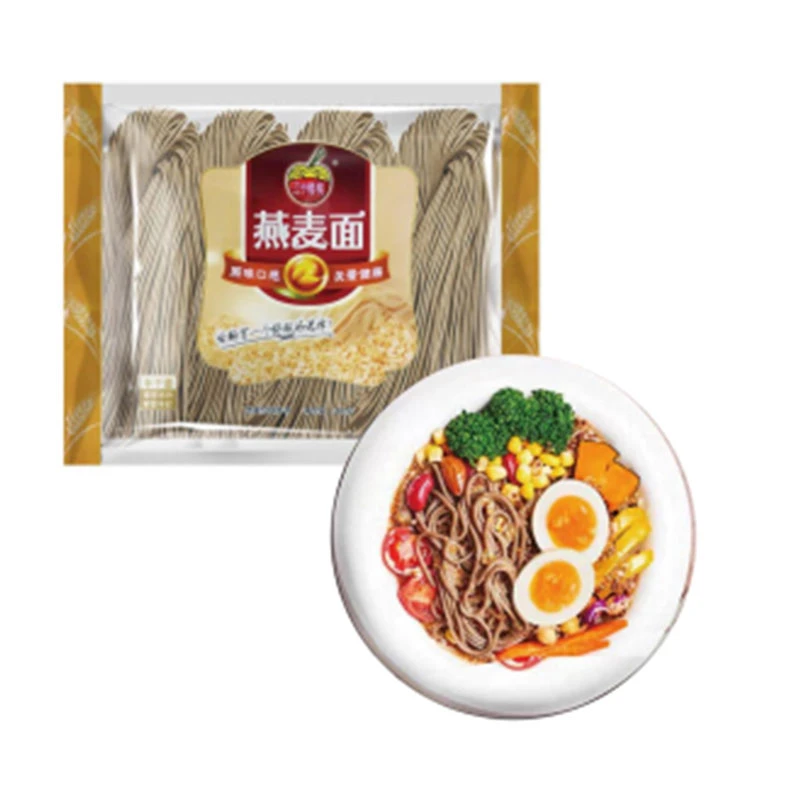
Comprehensive Noodle Portfolio for Uruguay

A curated selection of high-performance grain products designed for the South American market.

Frequently Asked Questions - Uruguay Market

Technical and commercial insights for our local partners.

How do low calorie soba noodles maintain texture without additives?

We use a precision semi-dry process that controls the gelatinization of starches, creating a natural structural matrix that mimics fresh noodles without needing chemical binders.

Can buckwheat cold noodle production be integrated into existing pasta lines?

Yes, our equipment is designed for modular integration, allowing you to switch between wheat and buckwheat formulations with minimal downtime for cleaning and calibration.

What is the shelf life of chilled noodle products in Uruguayan climates?

Our semi-dry technology extends shelf life significantly compared to fresh noodles, maintaining peak quality for several months when stored in standard chilled conditions.

Is it possible to produce gluten-free cold soba for the local market?

Absolutely. By utilizing 100% pure buckwheat flour and specialized binding agents, we can help you produce certified gluten-free options for health-conscious consumers.

How does the production of homemade pasta noodles differ from industrial semi-dry lines?

Industrial lines provide consistent hydration and thermal treatment, which eliminates the batch-to-batch variability found in traditional homemade methods.

What are the energy requirements for a chilled noodle production plant in Uruguay?

Our latest generation of machines is optimized for energy efficiency, utilizing heat recovery systems to lower the overall electricity consumption per kilogram of product.

Partner With the Experts

Ready to elevate your food manufacturing capabilities in Uruguay? Our technical team is here to provide tailored grain processing solutions.

Contact Us Now

If you are interested in our products, you can choose to leave your information here, and we will be in touch with you shortly.