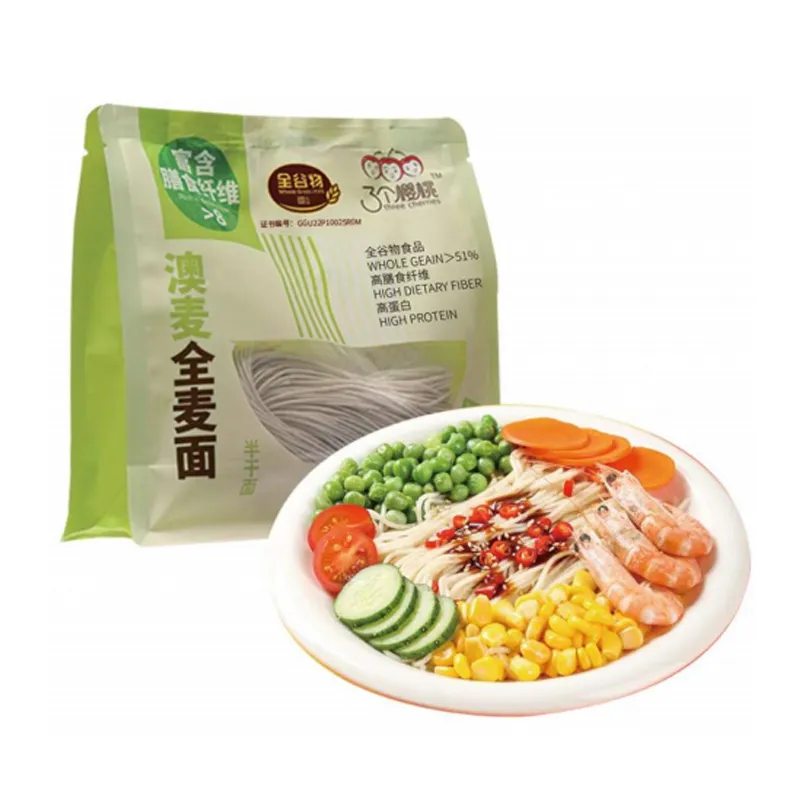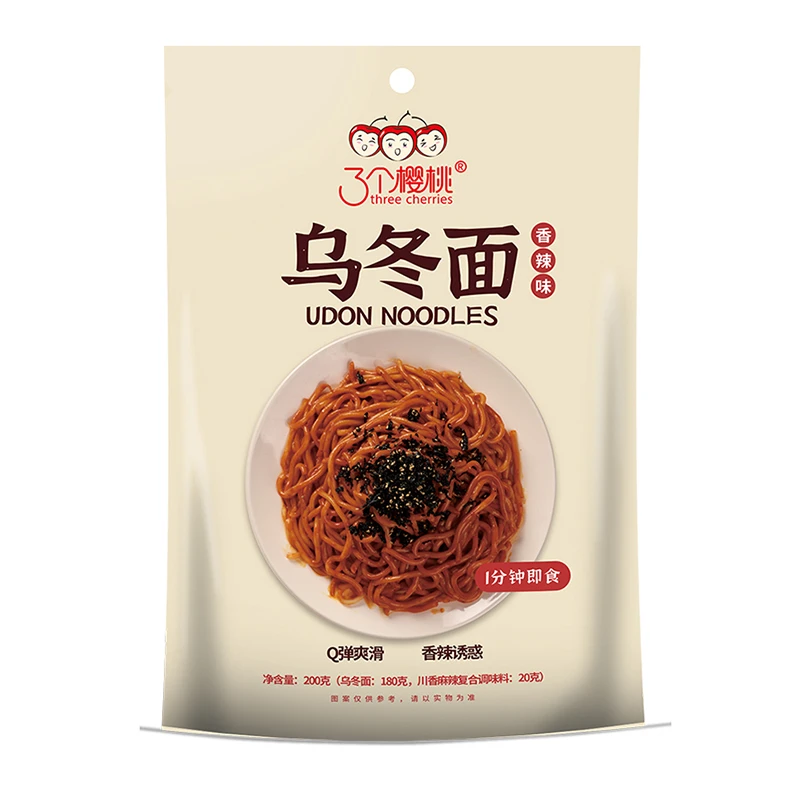
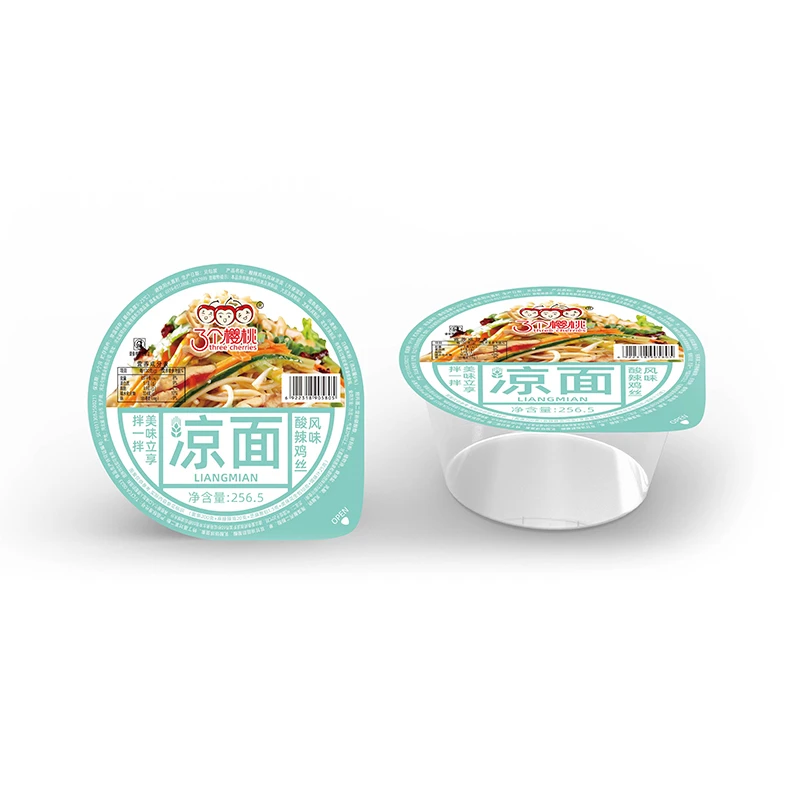
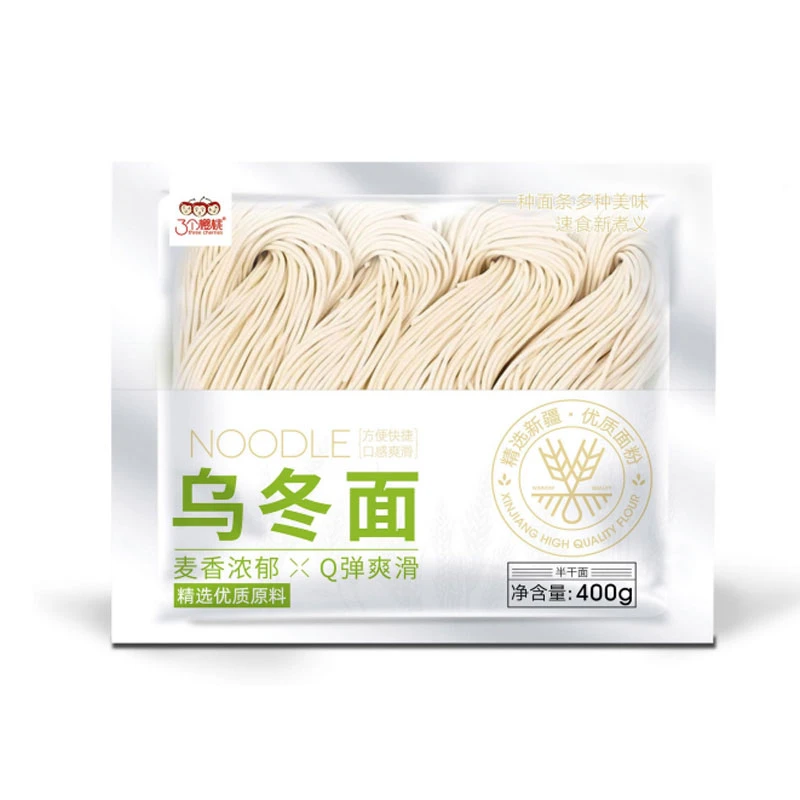
Premium cold soba Solutions for the Peruvian Market

Integrating advanced grain processing technology to deliver authentic, healthy, and low-glycemic noodle products tailored for Peru's evolving culinary landscape.

Premium cold soba Solutions for the Peruvian Market

We provide high-performance semi-dry noodle manufacturing solutions that empower Peruvian food producers to create export-quality buckwheat and pasta products.

Analyzing the Noodle Industry Landscape in Peru

The intersection of traditional Andean grains and the rising demand for Asian-inspired healthy noodles.

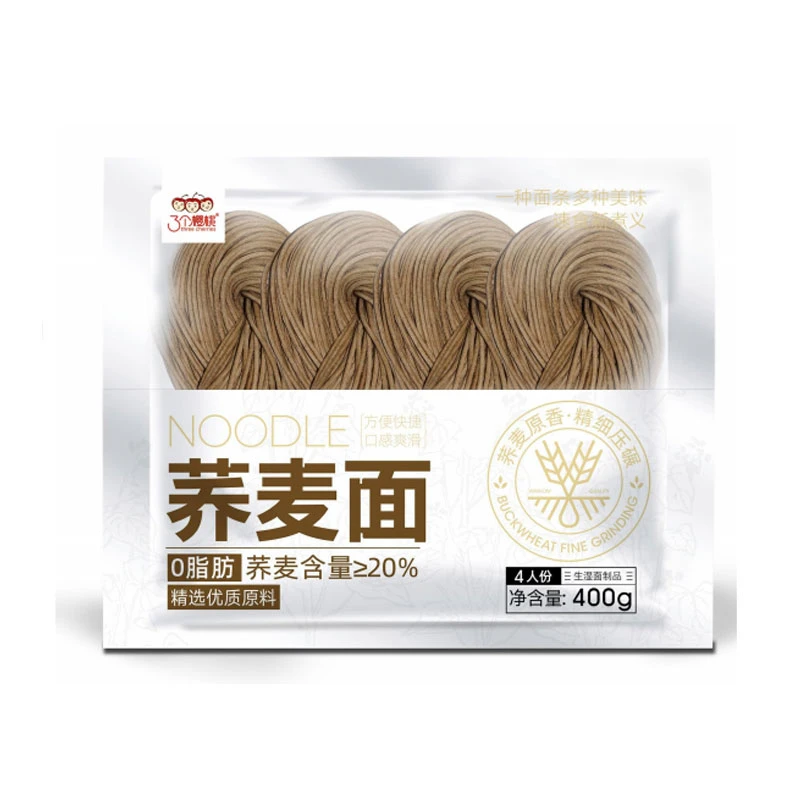
In Peru, the food manufacturing sector is currently undergoing a transition toward "Functional Foods." With a strong heritage of quinoa and amaranth, Peruvian consumers are increasingly receptive to low calorie soba noodles as they mirror the nutritional profile of local superfoods while offering a novel culinary experience.

The logistical challenges of the diverse Peruvian geography—from the coastal deserts to the Andean highlands—demand noodle products with exceptional shelf stability. This has created a significant market gap for high-quality chilled noodle technologies that can maintain texture and freshness without excessive chemical preservatives.

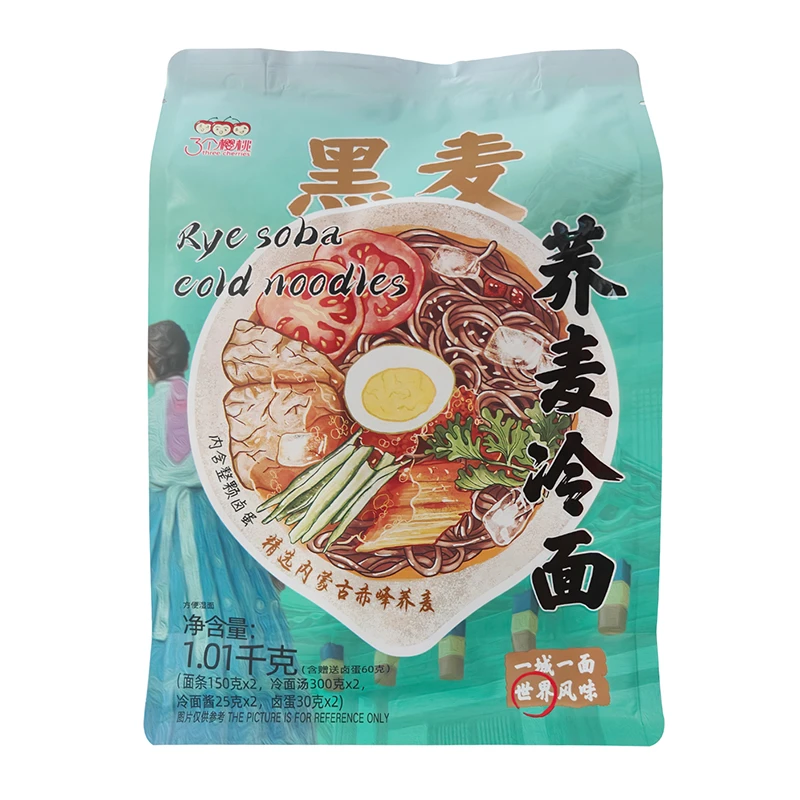
Economically, the growth of the "Nikkei" (Japanese-Peruvian) fusion cuisine in Lima has pushed the demand for professional-grade buckwheat cold noodle options, moving the industry from basic wheat pasta toward specialized, gluten-conscious, and nutrient-dense grain products.
Evolution of Noodle Manufacturing: From Tradition to Automation

Tracing the technological trajectory of grain processing in the South American region.

Market Development History

Prior to 2010, the Peruvian market was dominated by traditional wheat-based homemade pasta noodles produced via artisanal methods, which lacked consistency in moisture content and shelf life.

Between 2011 and 2018, the introduction of semi-automatic extrusion technology allowed local manufacturers to scale production, introducing the first commercial versions of chilled and dried specialty noodles to urban supermarkets.

From 2019 to the present, the focus has shifted toward "Clean Label" production. Modern facilities now integrate precision drying and cooling systems to produce cold soba that preserves the natural polyphenols of the buckwheat.

Future Development Trends

Hyper-Local Ingredient Fusion

Integrating Peruvian purple corn or quinoa into the soba production line to create hybrid noodles that appeal to both nationalist pride and health trends.

Cold-Chain Optimization

The adoption of modified atmosphere packaging (MAP) to extend the viability of fresh, chilled noodles across Peru's varied climatic zones.

Precision Low-Glycemic Processing

Utilizing enzymatic treatments to further reduce the caloric density of buckwheat noodles, catering to the growing diabetic and fitness-conscious population.

Industry Trends and Future Outlook

Strategic directions for the grain-based food manufacturing sector in Peru.

Nutritional Optimization
Shift toward gluten-free and low-GI buckwheat formulations to meet health regulations in Lima and beyond.
Smart Automation
Implementing AI-driven moisture control to ensure consistency in semi-dry noodle textures.
Sustainable Sourcing
Reducing carbon footprints by sourcing organic buckwheat and alternative grains from sustainable farms.
Eco-Friendly Packaging
Moving toward biodegradable films for chilled noodles to align with Peru's plastic reduction laws.

Industry Outlook

Based on Google search trends for "healthy pasta" and "plant-based diets" in South America, we predict a 15% annual growth in the specialty noodle segment in Peru over the next 3-5 years.

The market will likely shift from basic imports to locally manufactured premium lines, where the ability to produce consistent, low-calorie buckwheat products will be the primary competitive advantage.

Local Application Scenarios in Peru

Tailored integration of buckwheat noodle technology across various Peruvian business models.

01. High-End Nikkei Restaurants in Lima

Implementing industrial-grade cold soba production to provide consistent texture for fusion dishes, ensuring the noodle remains firm when served with Peruvian citrus-based sauces.

02. Urban Health-Food Supermarkets

Launching ready-to-eat chilled noodle packs that target the office-worker demographic in San Isidro, focusing on low-calorie and high-protein profiles.

03. Regional Artisanal Pasta Cooperatives

Upgrading traditional workshops from manual homemade pasta noodles to semi-dry systems, increasing production capacity while maintaining a "hand-crafted" brand image.

04. Fitness and Wellness Centers

Providing bulk low calorie soba noodles as a meal-prep solution for athletes and health enthusiasts looking for complex carbohydrates.

05. Boutique Hotel Gourmet Menus

Introducing premium buckwheat cold noodle sets in luxury hotels in Cusco, blending Asian health traditions with Andean hospitality.

Brand Story

Global Development Journey of Hebei Jinxu Noodle Industry Co., Ltd.

Foundational Excellence

Established with a commitment to grain science, focusing on the stability of semi-dry noodle textures and industrial efficiency.

Technological Breakthrough

Developed a proprietary drying process that solves the "cracking" issue in high-buckwheat content noodles, enabling authentic soba production.

Global Market Expansion

Expanded operations into South America, adapting machinery to handle regional grain variations and climatic challenges in Peru.

Quality Standardization

Achieved international certifications for food safety, ensuring that every line of machinery meets global E-E-A-T standards for food manufacturing.

Vision for the Future

Dedicated to eliminating the trade-off between "industrial scale" and "nutritional integrity" in the global noodle industry.

Comprehensive Noodle Production Portfolio for Peru

End-to-end machinery and formulation solutions for every scale of production.

Peruvian Market FAQ

Addressing the technical and commercial concerns of Peruvian noodle manufacturers.

How to maintain the texture of buckwheat cold noodle in Peru's humid coastal climate?

Our systems use precision humidity-controlled drying rooms and MAP packaging, which prevent moisture absorption and maintain the signature "al dente" snap of the noodle.

Can we produce low calorie soba noodles using local Andean grains?

Yes, our mixers and extruders are designed for versatile grain blends, allowing you to incorporate quinoa or amaranth flour while maintaining the structural integrity of the soba.

What is the difference between chilled noodle and semi-dry noodles for retail?

Chilled noodles have higher moisture and require refrigeration for a shorter shelf life, while semi-dry noodles are partially dehydrated, offering a longer shelf life without refrigeration.

How does automated production compare to homemade pasta noodles in terms of cost?

While the initial investment is higher, automation reduces labor costs by 60% and eliminates waste through precise dosing, significantly lowering the cost per unit in the long run.

Is the cold soba equipment compatible with gluten-free flour blends?

Yes, we provide specific extruder screw configurations and temperature controls optimized for gluten-free binders to ensure the noodles do not break during cutting.

What training is provided for operators in South America?

We provide complete technical documentation, remote installation guidance, and on-site training focusing on raw material calibration and machine maintenance.

Start Your Noodle Venture Today

Our engineers are ready to help you deploy world-class food manufacturing technology in Peru.

Contact Us Now

If you are interested in our products, you can choose to leave your information here, and we will be in touch with you shortly.