The global appetite for convenient, high-quality staples has propelled dried ramen noodles from a simple convenience store snack to a sophisticated culinary component used in professional kitchens and home pantries worldwide. As urbanization increases and the demand for shelf-stable yet nutritious food rises, the science behind drying and preserving alkaline noodles has become a focal point for food manufacturers aiming to balance taste, texture, and longevity.
Understanding the intricacies of dried ramen noodles is essential for distributors and food service providers who seek to optimize their supply chains while maintaining the "fresh-like" quality that consumers crave. By leveraging advanced dehydration techniques, these products offer an unparalleled combination of logistical efficiency and gastronomic versatility, allowing authentic Asian flavors to be replicated anywhere in the world without the need for immediate refrigeration.
From the perspective of global food security and industrial scalability, the production of high-grade dried ramen noodles represents a critical intersection of traditional craftsmanship and modern food engineering. This comprehensive guide explores the technical parameters, market applications, and future innovations that define the modern landscape of the dried noodle industry.
The Industrial Significance of Dried Ramen Noodles
In the modern food manufacturing sector, dried ramen noodles serve as a primary example of how traditional dietary staples can be scaled for global distribution. The ability to remove moisture while preserving the alkaline structure of the wheat dough ensures that the product remains stable for months, drastically reducing food waste and lowering transportation costs compared to fresh alternatives.
This industrial shift is not merely about convenience but about accessibility. By standardizing the production of dried ramen noodles, manufacturers can ensure a consistent quality of protein and carbohydrate delivery to various demographics, from high-end urban bistros to remote regions where fresh wheat products are unavailable, thus bridging the gap between artisanal quality and industrial reach.
Technical Composition and Quality Standards
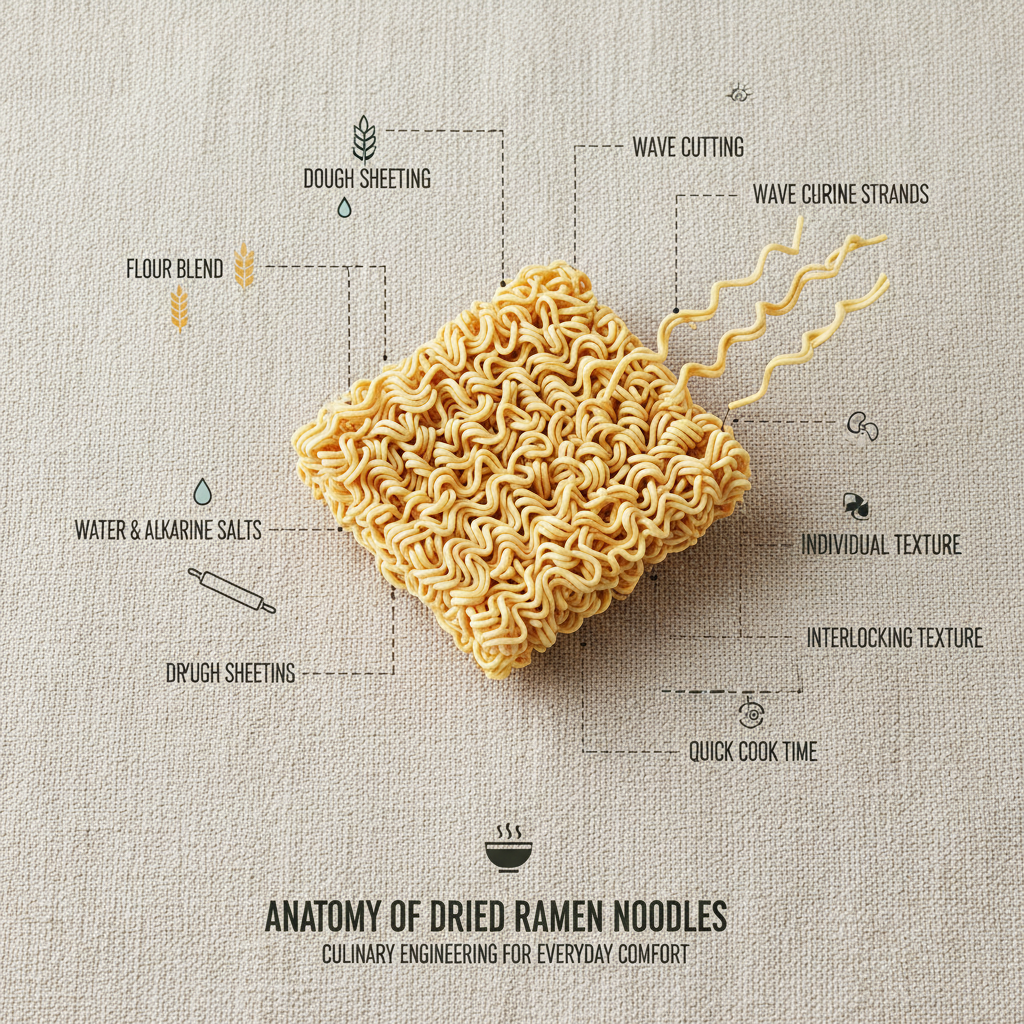
The quality of dried ramen noodles is fundamentally determined by the synergy between high-protein wheat flour and alkaline salts (Kansui). The alkaline agents are crucial as they modify the gluten structure, giving the noodles their characteristic yellow hue, slippery texture, and distinct aroma. When these noodles are dried, the goal is to lock in this structural integrity so that the gluten network does not collapse.
Industry standards, often aligned with ISO food safety guidelines, require strict control over water activity (Aw). If the moisture content remains too high, the product becomes susceptible to mold and oxidation; if it is too low, the noodles may become brittle and shatter during shipping. Achieving the "golden ratio" of moisture ensures that the product maintains a professional appearance and consistent cooking time.
Furthermore, the integration of organic wheat and non-GMO ingredients has become a baseline requirement for entering the premium international markets. Modern quality control involves rigorous testing for tensile strength and elasticity, ensuring that the noodles can withstand the rigors of bulk packaging while remaining tender enough for the consumer to enjoy upon rehydration.
The Science of Texture and Rehydration
The most challenging aspect of producing dried ramen noodles is ensuring a seamless rehydration process. The porous structure created during the drying phase must allow boiling water to penetrate the core of the noodle quickly without dissolving the outer layer into a starchy slurry.
Advanced air-drying and semi-drying technologies are employed to optimize the starch gelatinization process. By controlling the temperature and humidity gradients, manufacturers of dried ramen noodles can create a "micro-pore" system that ensures the noodle returns to its original pliability and "bite" (al dente) within minutes of boiling.
When evaluating the sensory profile of these noodles, professional tasters look for "springiness" and "smoothness." These attributes are a direct result of the precise balance between the drying speed and the concentration of alkaline salts, which prevents the starch from retrograding too quickly during storage.
Performance Metrics for Commercial Dried Ramen Noodles
To quantify the quality of different production batches, the industry relies on a set of standardized performance metrics. These include the rehydration rate, the percentage of broken strands in a shipment, and the stability of the alkaline flavor over a 12-month shelf life. For commercial kitchens, the most critical metric is "cook-time consistency," as this allows for precise timing in high-volume environments.
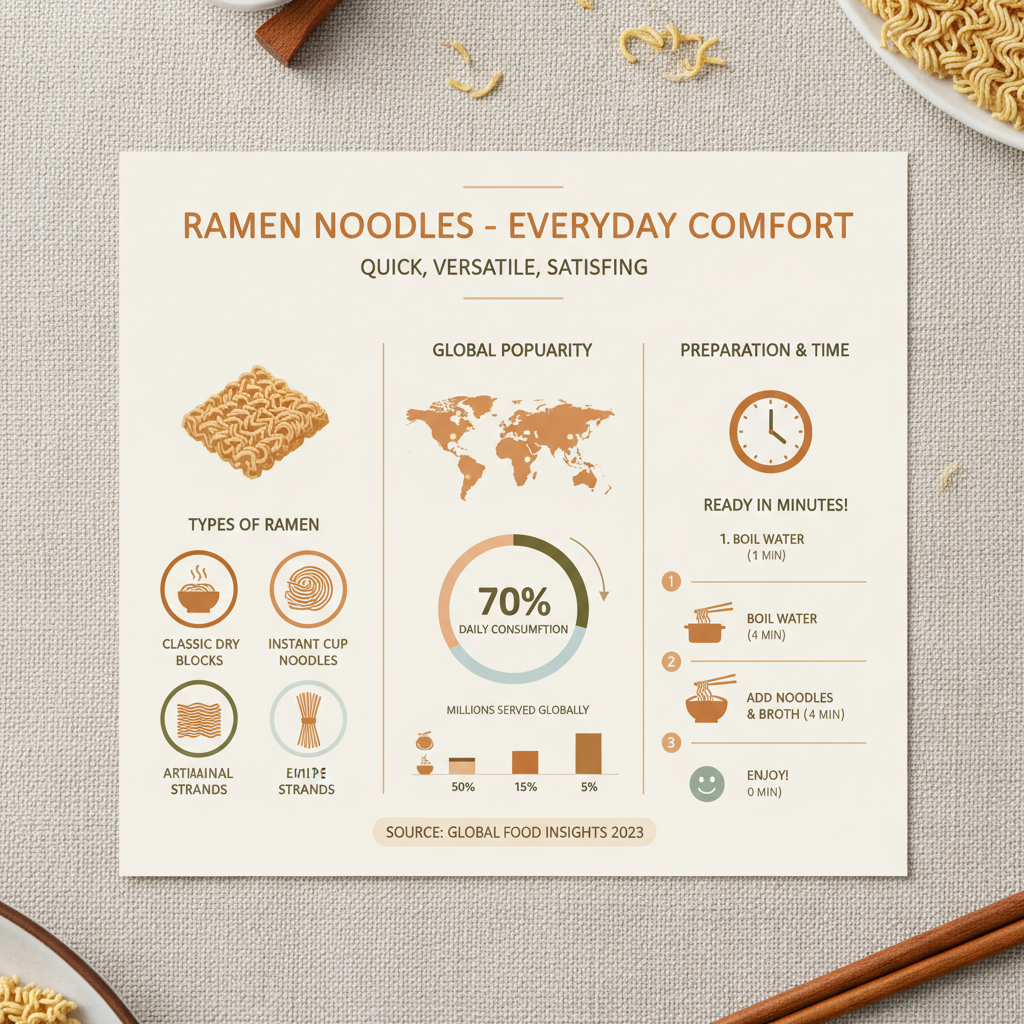
The following data illustrates the performance ratings of various processing methods used to create dried ramen noodles, comparing their efficiency and end-user satisfaction.
Production Method Performance Comparison
Global Market Applications and Logistics
The application of dried ramen noodles extends far beyond the home kitchen. In the catering industry, they are utilized as a consistent base for ramen shops that cannot afford the labor costs of daily fresh noodle production but refuse to compromise on the dining experience. By using premium dried varieties, restaurants can maintain a high standard of quality while optimizing their inventory turnover.
From a logistical standpoint, the lightweight and durable nature of these noodles makes them ideal for international export. Shipping containers can be maximized for volume, and the absence of refrigeration requirements significantly lowers the carbon footprint of the supply chain. This efficiency allows manufacturers to reach emerging markets in Africa and South America, where the demand for convenient, calorie-dense food is growing rapidly.
Sustainability and Health-Driven Innovations
The next generation of dried ramen noodles is being shaped by the global shift toward wellness and sustainability. We are seeing a surge in "Low Calorie Soba Noodles" and "Organic Noodles" that replace refined wheat with whole grains or legume flours. These innovations address the growing consumer demand for lower glycemic index options without sacrificing the classic ramen texture.
Furthermore, the industry is adopting "green drying" technologies. Traditional drying often requires immense amounts of energy for heat; however, new heat-pump drying systems and solar-assisted dehydration are reducing the energy intensity of the process. This not only lowers production costs but also aligns the brand with global ESG (Environmental, Social, and Governance) goals.
Automation in the packaging phase is also playing a role, with biodegradable films replacing traditional plastics. By integrating sustainable materials into the packaging of dried ramen noodles, companies are reducing landfill waste and appealing to the environmentally conscious Gen Z and Millennial demographics.
Comparative Analysis of Production Methods
Choosing the right production method for dried ramen noodles depends entirely on the target market and the desired end-product characteristics. While flash-frying provides the fastest rehydration time, it introduces fats that may be undesirable for health-conscious consumers. In contrast, air-drying preserves the natural wheat flavor and provides a cleaner nutritional profile.
Semi-drying techniques are emerging as a middle-ground solution, offering a shorter shelf life than fully dried noodles but a texture that is nearly indistinguishable from fresh pasta. This method is particularly popular in high-end catering where the product is shipped in chilled (but not frozen) conditions to maintain peak elasticity.
The following table provides a detailed comparison of these methods to help procurement officers and chefs make an informed decision based on their specific operational needs.
Comparative Analysis of Dried Ramen Noodles Production Techniques
| Method |
Texture Score (1-10) |
Shelf Life |
Health Profile |
| Air-Dried |
8 |
12-18 Months |
High (Low Fat) |
| Flash-Fried |
6 |
12 Months |
Low (Higher Fat) |
| Vacuum-Dried |
7 |
18-24 Months |
Medium |
| Semi-Dried |
10 |
3-6 Months |
High (Fresh-like) |
| Cold-Dry |
9 |
12 Months |
High |
| Organic Air-Dry |
8 |
9-12 Months |
Very High |
FAQS
The primary difference lies in the processing. Instant noodles are typically flash-fried to create pores for rapid rehydration, which adds fat and alters the flavor. Premium dried ramen noodles are usually air-dried or vacuum-dried, preserving the natural wheat taste and offering a healthier, more authentic texture similar to fresh ramen found in restaurants.
To avoid overcooking, follow the specific boiling time recommended by the manufacturer, as different drying methods affect cook times. Additionally, rinsing the noodles in cold water immediately after boiling (the "shock" method) stops the cooking process and removes excess surface starch, ensuring a firm, elastic texture.
Yes, due to their low water activity and stability, air-dried ramen noodles are excellent for long-term storage. When kept in airtight, cool, and dry conditions, they can maintain their nutritional value and taste for over a year, making them a reliable staple for food security and disaster relief operations.
Absolutely. Dried ramen noodles are highly versatile. After boiling and rinsing in cold water, their alkaline structure allows them to hold sauces and dressings effectively without becoming soggy, making them an ideal choice for cold noodle series or Asian-style pasta salads.
When importing, ensure the supplier provides certifications such as ISO or HACCP to guarantee food safety. Look for manufacturers who specialize in specific drying technologies (like semi-drying for premium quality) and provide detailed specifications on protein content and moisture levels to ensure consistency across shipments.
Yes, the industry has evolved to offer low-calorie and low-carb alternatives. These are often achieved by blending wheat with konjac flour, soy protein, or using whole-grain organic flour, which increases fiber content and reduces the overall glycemic load while maintaining the ramen experience.
Conclusion
In summary, dried ramen noodles represent a sophisticated blend of traditional culinary art and industrial efficiency. By mastering the balance of alkaline chemistry and precise dehydration, the food industry has created a product that offers the convenience of a shelf-stable staple without sacrificing the sensory quality of a fresh meal. From optimizing supply chain logistics to meeting the health demands of a modern consumer base, the versatility of these noodles continues to drive growth in the global food manufacturing sector.
Looking forward, the integration of sustainable production methods and functional ingredients will further elevate the role of dried ramen noodles in the global diet. For businesses and consumers alike, the shift toward organic, low-calorie, and eco-friendly options is not just a trend but a necessary evolution. We encourage you to explore the possibilities of high-quality noodle integration in your menu or product line. Visit our website for more professional solutions: www.jxsemidrynoodles.com