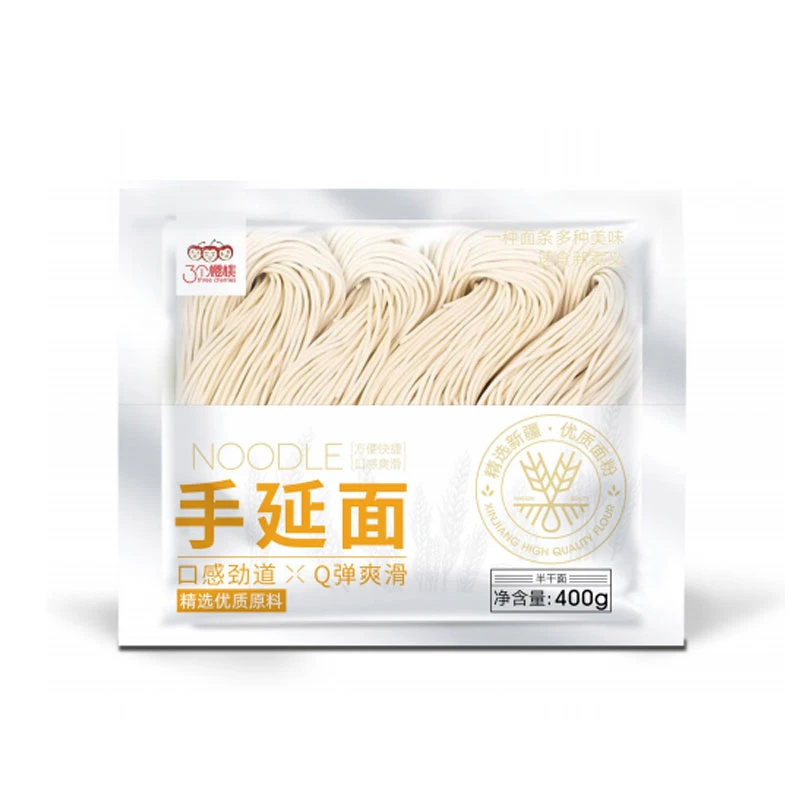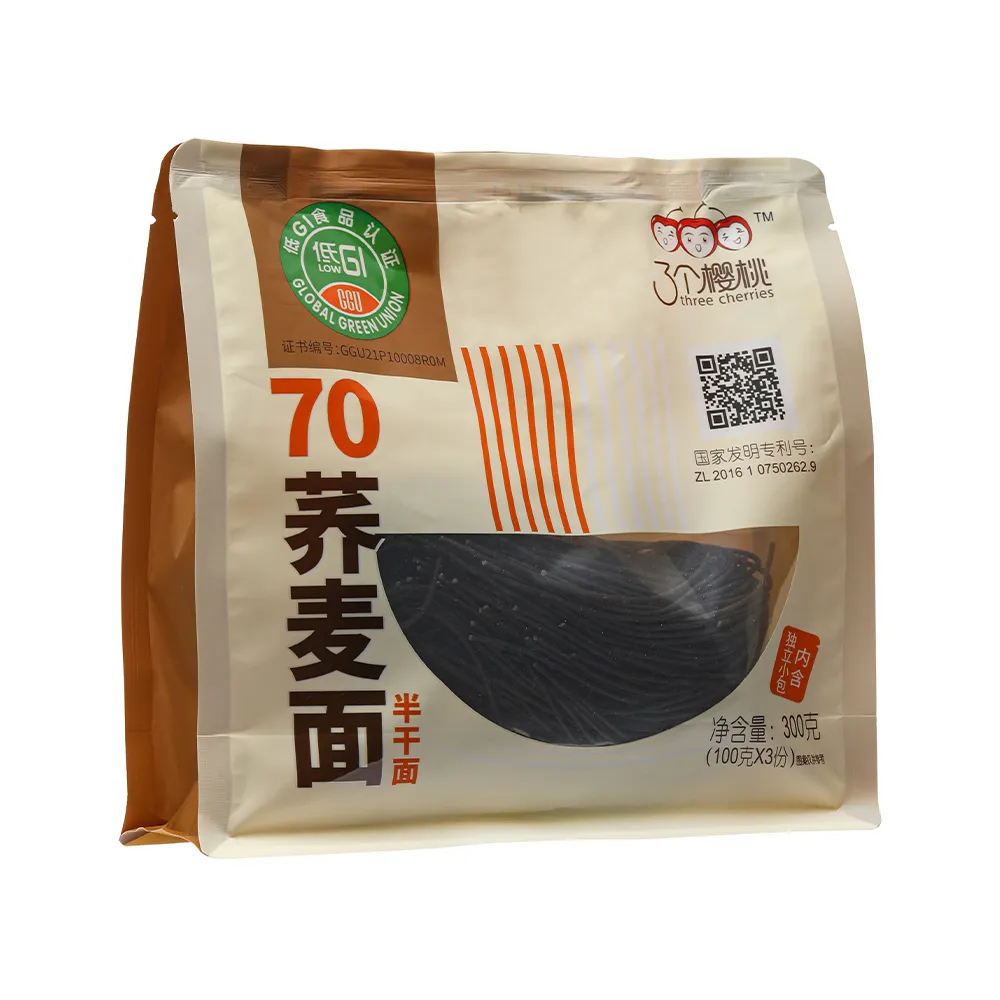

Chinese Soba Production Insights – Tradition Meets Industrial Precision
Understanding Chinese soba: A seasoned perspective from industrial equipment sector
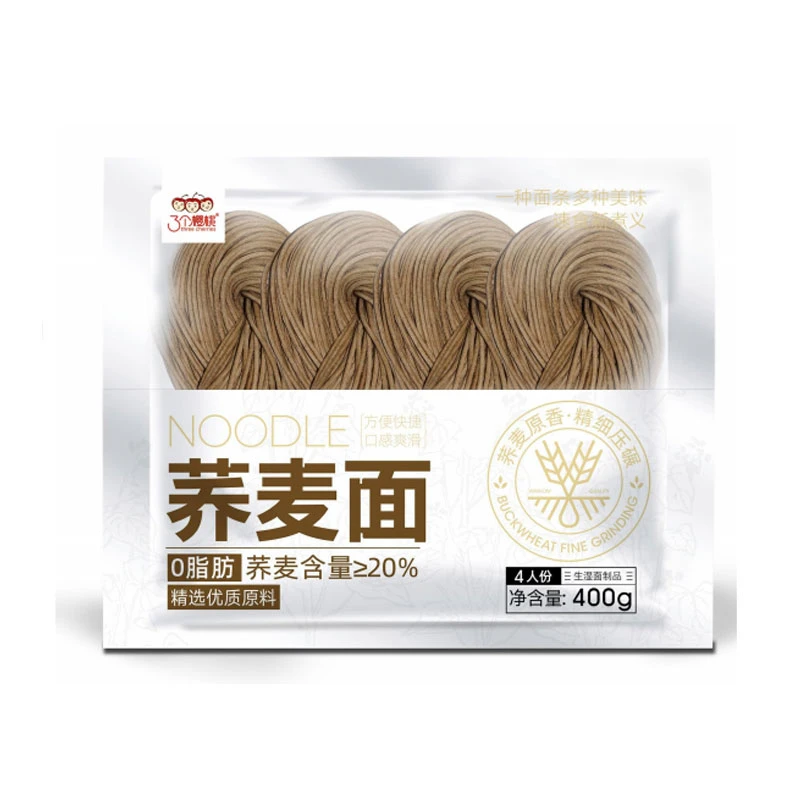
I've been around industrial food equipment for quite a while, and oddly enough, one of the more fascinating subjects lately has been Chinese soba. Now, I know what you’re thinking — soba is traditionally a Japanese noodle made from buckwheat, right? But in the Chinese context, the term sometimes wanders into regional wheat and buckwheat noodles that are a vital part of local food culture and, frankly, the manufacturing lines behind them are pretty remarkable.
From an equipment standpoint, the production of these noodles involves balancing ingredients, extrusion processes, drying methods, and consistency checks. It’s not just about turning dough into strands — it’s an intricate orchestration. What really strikes me is how manufacturers blend traditional recipes with modern machinery, especially in places like Shaanxi or Shanxi province, where soba-style noodles are part of daily life.
The material composition of these noodles often features a unique buckwheat to wheat flour ratio, affecting texture and cooking time. Many engineers I’ve worked with stress the importance of precise moisture content control — getting that wrong, and you end up with brittle or gummy results. The drying process is particularly critical; it’s a dance of temperature and timing that, frankly, even the most automated lines keep close watch on.
Let me share a quick anecdote: a client once had issues with breakage rates during packaging. After a thorough inspection, we realized the moisture sensors on their soba production line weren’t calibrated properly. Fixing that dropped breakage from around 12% to under 3%. Little details like that, you know, they really add up.
Typical Chinese Soba Product Specifications
| Specification | Value |
|---|---|
| Main Ingredients | Buckwheat flour (30–60%), wheat flour |
| Moisture Content | 12–14% |
| Noodle Thickness | Approx. 1.5–2.5 mm |
| Drying Temperature | 45–55°C |
| Shelf Life | 12 months (sealed packaging) |
When I compare vendors, it’s the manufacturing process and quality assurance standards that really stand out. Some suppliers lean heavily on traditional drying racks, which can yield authentic texture but introduce batch variability. Others invest in state-of-the-art chamber drying systems that provide better consistency and speed but maybe sacrifice whether you call it “artisan” or not. The choice often depends on the final market — small local shops want that rustic touch, while big distribution networks prioritize shelf life and uniformity.
Vendor Comparison for Chinese Soba Production
| Feature | Vendor A (Traditional) | Vendor B (Modern) |
|---|---|---|
| Drying Method | Rack drying | Controlled chamber drying |
| Moisture Control | Manual sampling | Inline sensors with automation |
| Batch Consistency | Moderate variability | High consistency |
| Production Scale | Small to mid-size | Large scale |
| Price Point | Lower | Higher |
Customizations in noodle thickness, flour blend ratios, and even gluten content can be requested, which is crucial if you're targeting specialty markets or dietary requirements. It’s always interesting to see how these small tweaks impact equipment settings. Sometimes, even a minor formula adjustment means recalibrating rollers or changing drying times by a few minutes. It’s a testament to how “industrial” doesn’t always mean one-size-fits-all.
In real terms, what stood out to me over the years is that producers who embrace modern process control tools tend to get better yields and more consistent products without losing the soul of the noodle. Maybe that’s the future — merging tradition with tech.
So yes, Chinese soba may not be your conventional soba, but it’s a fascinating product with layers of craftsmanship and industrial know-how wrapped inside each bundle. I suppose I’ll keep following these developments — there’s always something new to learn when it comes to noodles and the gear behind them.
Quick takeaway: mastering the balance between tradition and technology is what really shapes high-quality Chinese soba production.
References
- Industrial noodle production processes — Journal of Food Engineering, 2021
- Moisture control in dry noodle manufacturing — Food Science Review, 2019
- Traditional vs. Modern drying techniques in Chinese noodle production — Asian Food Tech Journal, 2023
-
Discover the Authentic Taste of Korean Buckwheat NoodlesNewsApr.16,2026
-
Discover the Refreshing Taste of Authentic Korean Cold SobaNewsApr.09,2026
-
Discover the Refreshing Taste of Korean Cold Buckwheat Noodles NaengmyeonNewsApr.07,2026
-
Discover the Cool and Refreshing World of Korean Buckwheat Noodles ColdNewsApr.04,2026
-
Discover the Refreshing Taste of Japanese Cold Buckwheat Noodles and Zaru SobaNewsMar.31,2026
-
Exploring the Delicious World of Chinese Style Cold NoodlesNewsMar.28,2026
-
Discover the Cool and Refreshing World of Korean Cold Soba NoodlesNewsMar.26,2026
Browse qua the following product new the we