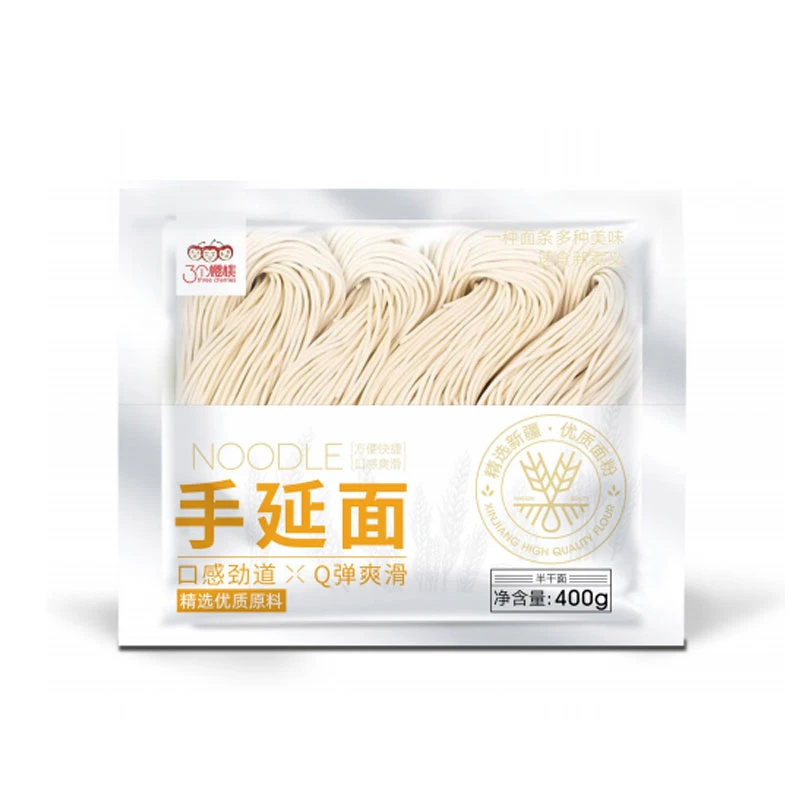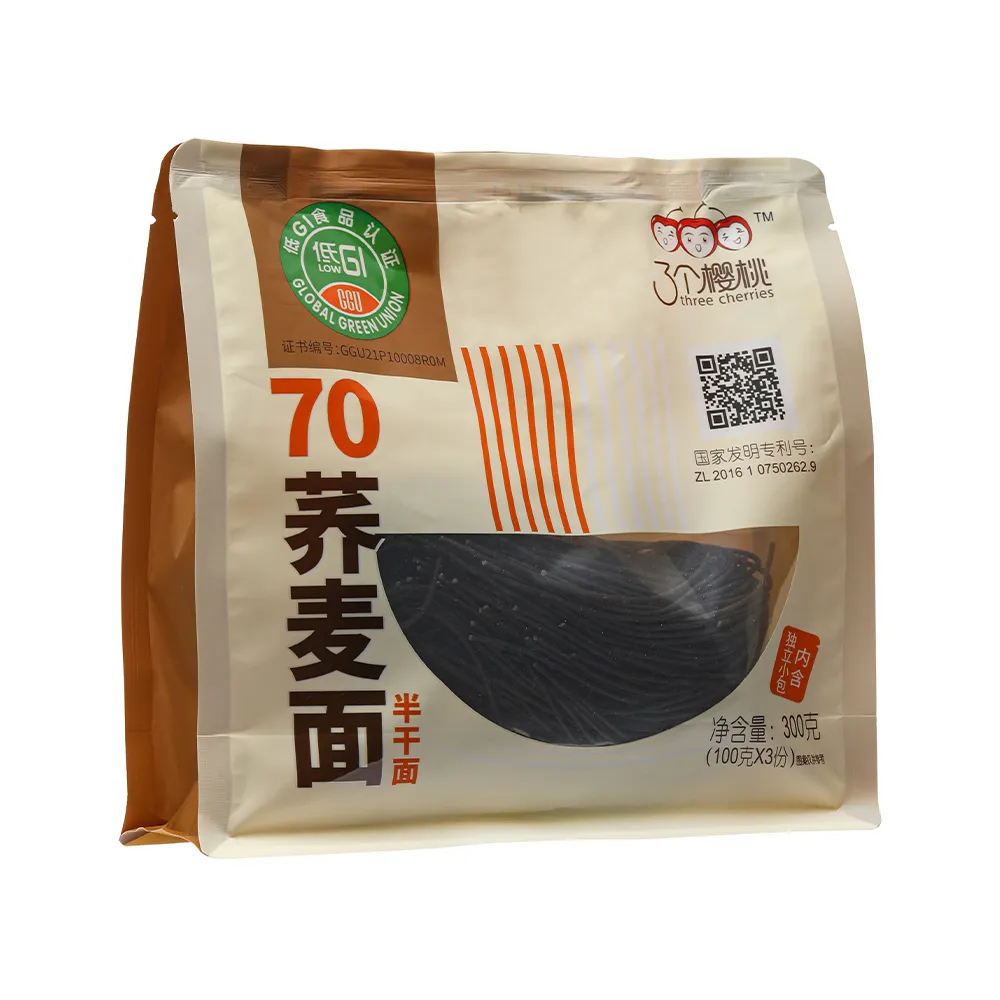
Cart Noodles: Build-Your-Own, Fresh Hong Kong Street Bowls
Cart Noodles: field notes from a snack-obsessed editor
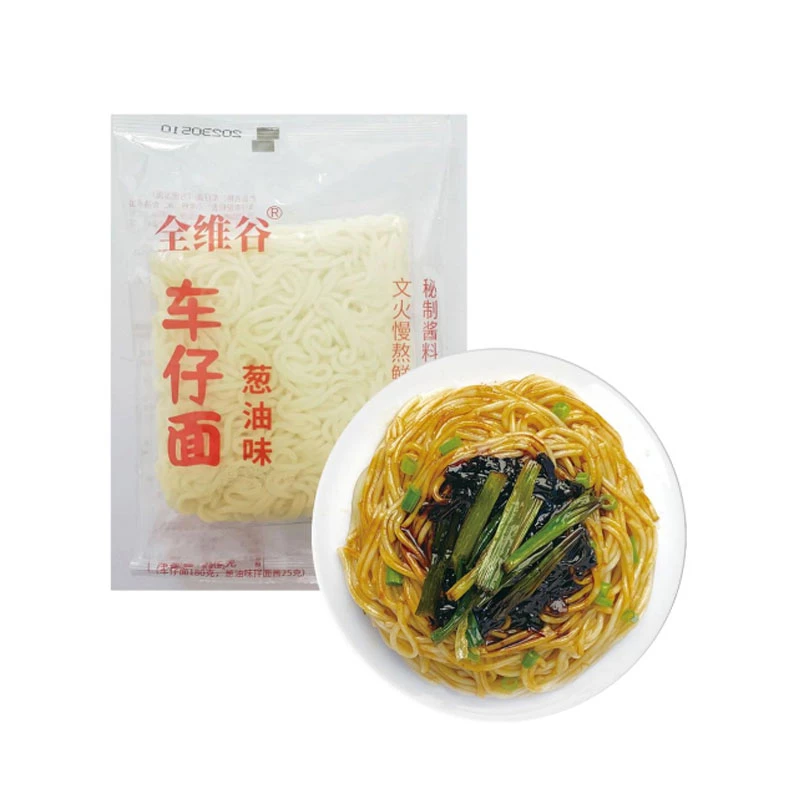
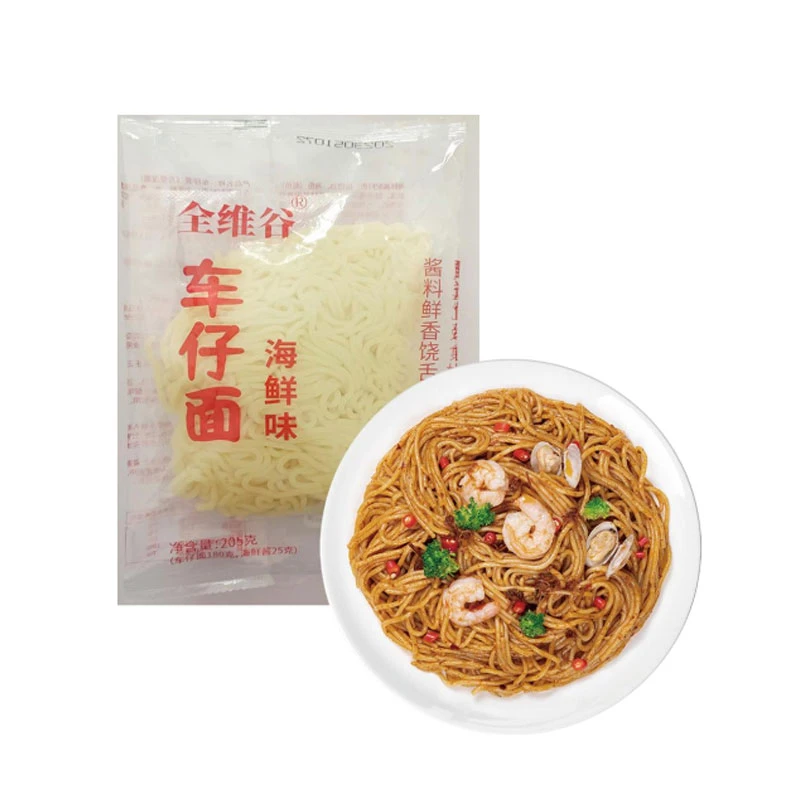
If you work in retail food, travel catering, or just keep a precariously stocked office pantry (guilty), you’ve probably watched the noodle category morph fast. Semi-dry formats are the quiet winners right now—cleaner labels than fried instant blocks, but still fast. That’s where Cart Noodles from Hebei’s Oriental Food City slide in: scallion oil, spicy, and seafood flavor kits that feel indulgent, but travel well and test clean.
What’s trending (and why it matters)
- Shift from deep-fried bricks to air- or semi-dried noodles for a cleaner nutrition profile.
- “Restaurant-in-a-pouch” flavor oils—scallion oil in particular—winning repeat purchase. Many customers say the aroma sells it before the first bite.
- Retailers pushing shelf-stable SKUs with 6–12 month life that still taste fresh. Cart Noodles sit right in that sweet spot.
Origin and build quality
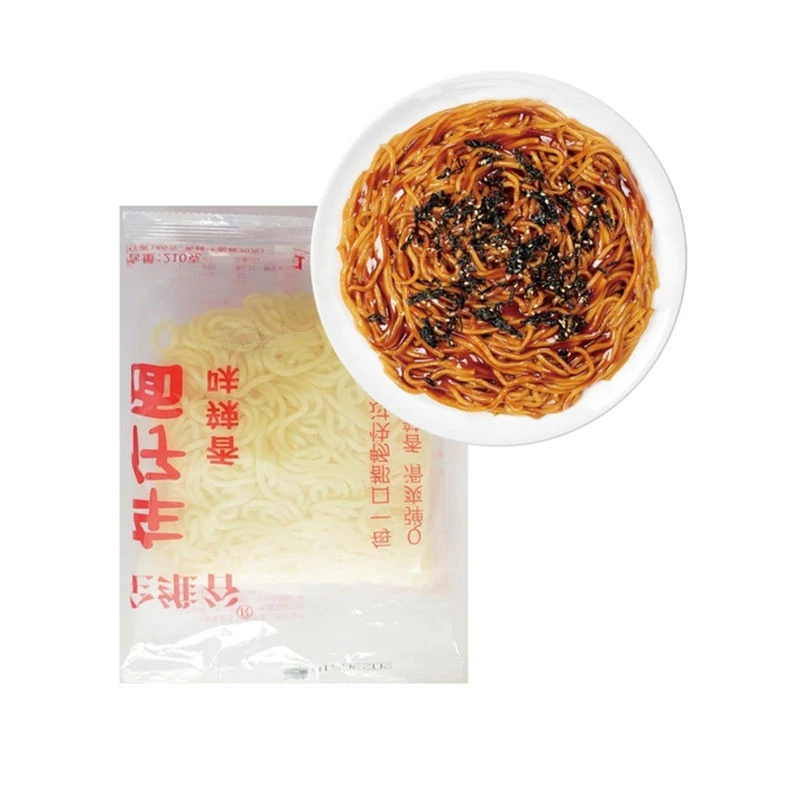
Made in Oriental Food City, Longyao County, Xingtai, Hebei, the noodles are sheeted and semi-dried (not flash-fried). In fact, that matters: lower oil uptake, tighter texture control, and better sauce cling. The packs run 205 g and 210 g depending on flavor, with a 9‑month room-temp warranty. Storage is straightforward: room temp or 0–10°C, away from light—basically any modern DC can handle that.
Product specifications (typical)
| Flavors | Scallion oil, Spicy, Seafood |
| Net weight | ≈205 g (Scallion), 210 g (Spicy), 205 g (Seafood) |
| Shelf life | 9 months (real-world use may vary by storage) |
| Storage | Room temperature or 0–10°C; cool, dry, away from light |
| Moisture / aw | ≈12–14% moisture; aw ≈0.60 at packing |
| Cooking time | 4–6 minutes, then toss with oil/sauce sachets |
| Certifications | ISO 22000, HACCP; Halal on request |
| Origin | Oriental Food City, Longyao County, Xingtai, Hebei Province |
Process, QA, and test data
Materials: refined wheat flour (GB/T 1355), filtered water, seasoning oils/sachets. Methods: dough mixing → multi-roller sheeting → low-temp drying to target moisture → portioning (205–210 g) → nitrogen flush and seal. Testing: microbiological (TPC, coliforms), heavy metals (per GB 2762), additive compliance (GB 2760), packaging migration (GB 4806 series), and sensory tensile checks.
Recent internal lot sample (illustrative): TPC ≤ 1.0×10³ CFU/g; coliforms not detected; moisture 13.1%; oil peroxide value within Codex tolerances. To be honest, results vary slightly by flavor oil, which is normal.
Where it fits
- Convenience retail and e‑commerce gift boxes.
- Corporate pantries and universities; quick, tidy prep.
- Hospitality late‑night menus; airline crew meals (easy retherm).
Customer feedback: “scallion oil aroma pops,” “spicy but manageable,” and, surprisingly, “no greasy aftertaste.” That last one is the semi-dry edge.
Vendor snapshot (rough comparison)
| Vendor | Process | Shelf life | MOQ | Certs | Notes |
|---|---|---|---|---|---|
| Cart Noodles (Hebei) | Semi-dry, oil sachets | ≈9 months | Flexible; private label available | ISO 22000, HACCP | Strong aroma oils; balanced salt |
| Local Street Brand A | Fresh, chilled | 3–7 days | Small | Varies | Great taste, tough logistics |
| Import Brand B | Fried instant | 12+ months | High | HACCP | Crunchy texture, higher oil |
Customization and deployment
Private-label sleeves, bilingual labels (GB 7718 compliant), flavor tuning (salt/heat), and carton counts are all in play. For launches, we suggest a 60/25/15 flavor split (scallion/spicy/seafood) based on sell-through we’ve seen in campus retail, though your mileage will vary.
Quick case studies
- Tier‑2 city convenience chain: added Cart Noodles near POS; attachment rate +18% in four weeks, minimal shrink.
- Airline crew galley trial: swapped fried blocks for Cart Noodles; feedback cited “less heaviness,” prep time unchanged.
Standards and compliance snapshot
Built against ISO 22000 and HACCP principles; formulation checked to GB 2760 (additives) and contaminant limits per GB 2762. Labeling aligns with GB 7718; instant noodle category guidance follows Codex Stan 249. Packaging materials verified under the GB 4806 series. It seems technical, but that’s what keeps the 9‑month service life honest.
- Codex Stan 249-2006: Instant Noodles (Codex Alimentarius Commission)
- ISO 22000:2018 Food Safety Management Systems
- GB 7718-2011 General Rules for the Labeling of Prepackaged Foods (China)
- GB/T 1355-2018 Wheat Flour (China)
- GB 2762 Maximum Levels of Contaminants in Foods (China)
-
Discover the Authentic Taste of Korean Buckwheat NoodlesNewsApr.16,2026
-
Discover the Refreshing Taste of Authentic Korean Cold SobaNewsApr.09,2026
-
Discover the Refreshing Taste of Korean Cold Buckwheat Noodles NaengmyeonNewsApr.07,2026
-
Discover the Cool and Refreshing World of Korean Buckwheat Noodles ColdNewsApr.04,2026
-
Discover the Refreshing Taste of Japanese Cold Buckwheat Noodles and Zaru SobaNewsMar.31,2026
-
Exploring the Delicious World of Chinese Style Cold NoodlesNewsMar.28,2026
-
Discover the Cool and Refreshing World of Korean Cold Soba NoodlesNewsMar.26,2026
Browse qua the following product new the we