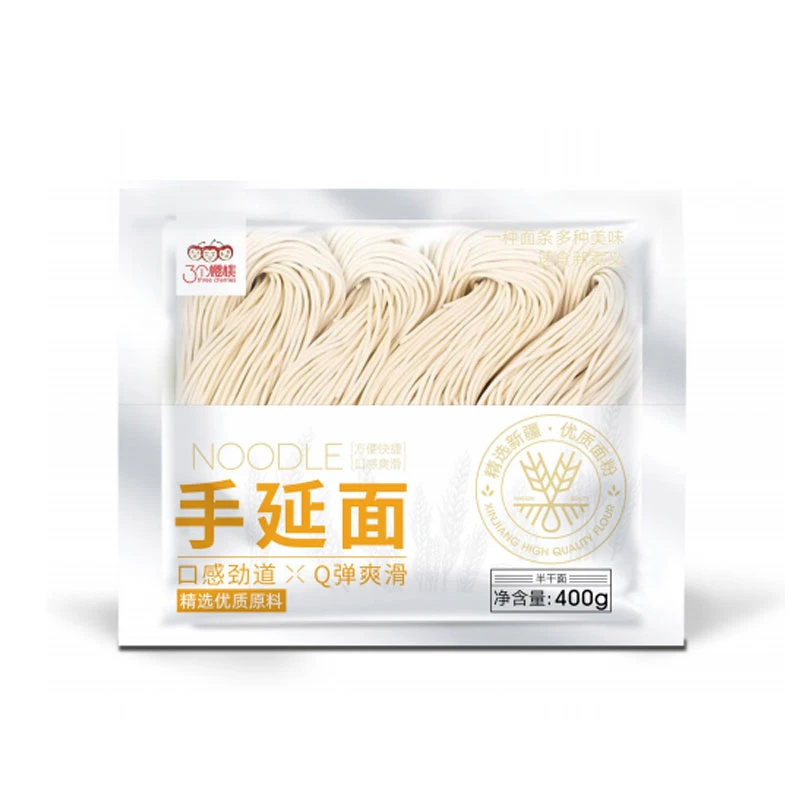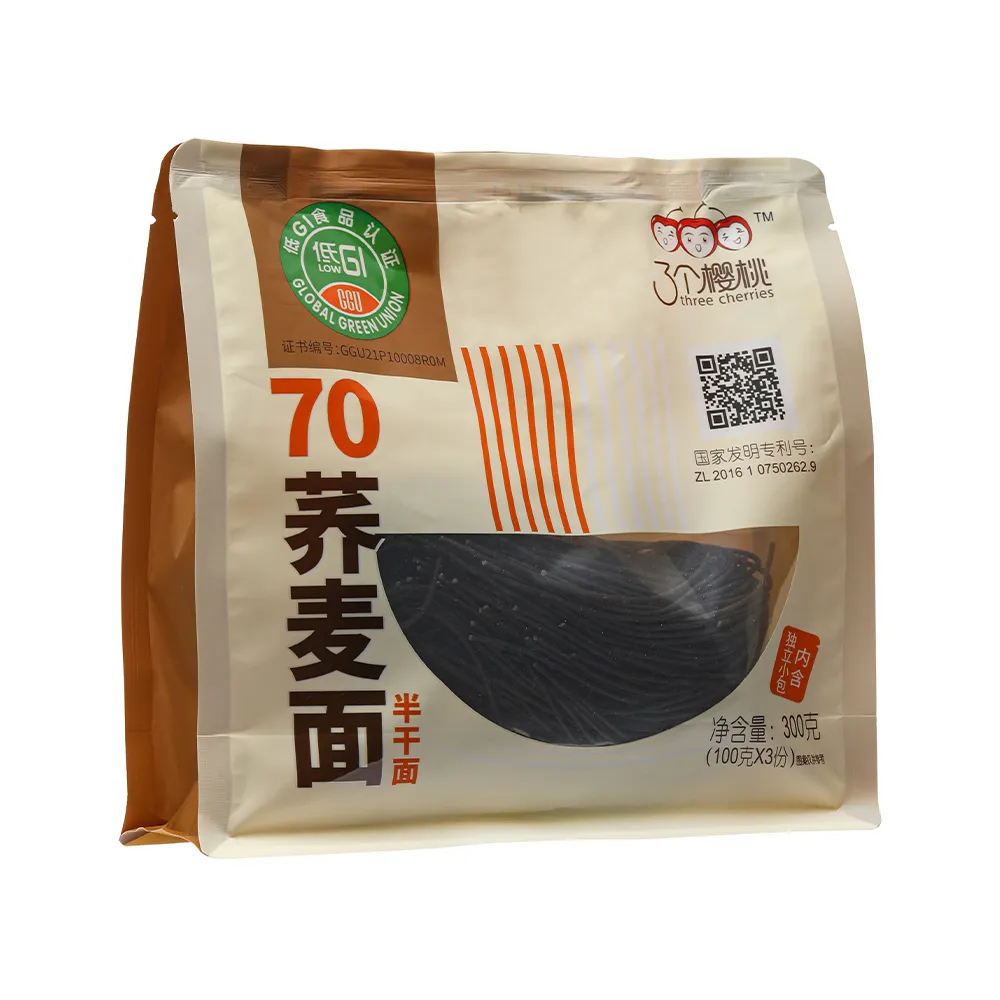

Exploring Soba Types: A Taste of Tradition and Texture
Getting to Know Different Soba Types: Tradition Meets Taste
Years in the industrial equipment world have taught me to appreciate nuances— from precision parts to the tiniest material differences that can change the whole game. Weirdly enough, that same attention to detail applies just fine when talking about something as seemingly humble as soba noodles. The soba landscape isn’t just one-size-fits-all; it has character, texture, and even engineering — in a culinary sense — baked right into it.
So, what are the main players in the soba world? Let’s start with the basics: soba is traditionally made from buckwheat flour, sometimes mixed with wheat flour for better structure. But beyond that simple fact lies a spectrum of soba types that cater to different tastes, seasons, and even equipment— I mean culinary devices, not factory lines.
How Different Soba Types Stand Out in Product Design and Use
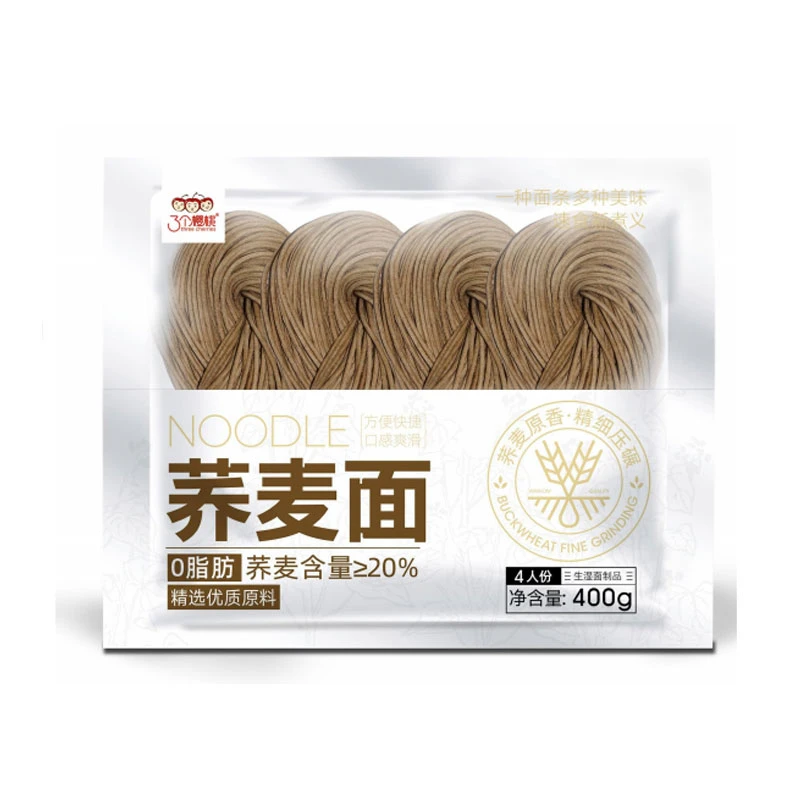
There’s the iconic cha soba, infused with green tea powder — it’s got that earthy aroma and a faint bitterness that’s oddly refreshing on a hot day. Then, we have the plain buckwheat soba, which can vary in buckwheat content, from 80% all the way up to 100%. The difference? The higher the buckwheat ratio, the rougher the texture and stronger the nutty flavor, but the noodles become more brittle and require skilled hands or equipment to prepare properly.
In industrial terms, you can almost compare it to using different grades of raw materials in manufacturing. The blend affects the noodle's durability and elasticity, much like how material specs determine a product’s lifespan and usability. This is why some vendors offer “semi-dry” options — it’s like the middle ground between fresh and dried, offering convenience while retaining texture.
| Soba Type | Buckwheat Content | Texture | Common Use |
|---|---|---|---|
| Standard Soba | 70-80% | Smooth, elastic | Everyday bowls, cold and hot dishes |
| High Buckwheat Soba | 90-100% | Rough, brittle | Traditional, artisanal soba servings |
| Cha Soba | 65-75% + green tea | Smooth, mildly fragrant | Refreshing summer dishes |
| Semi-Dry Soba | Varies | Firm, shelf-stable | Commercial kitchens, longer storage |
Soba Vendors: Comparing What the Market Offers
Choosing the right soba product supplier is a bit like picking a crucial piece for an assembly line. You want reliability, consistent quality, and product range — all important in the industrial world as in kitchens. I’ve come across several vendors who provide soba ranging from artisanal fresh noodles to industrial-grade dried varieties. Here’s a quick rundown, factoring in quality, product variety, and specialty offerings:
| Vendor | Product Range | Specialization | Shelf Life | Pricing |
|---|---|---|---|---|
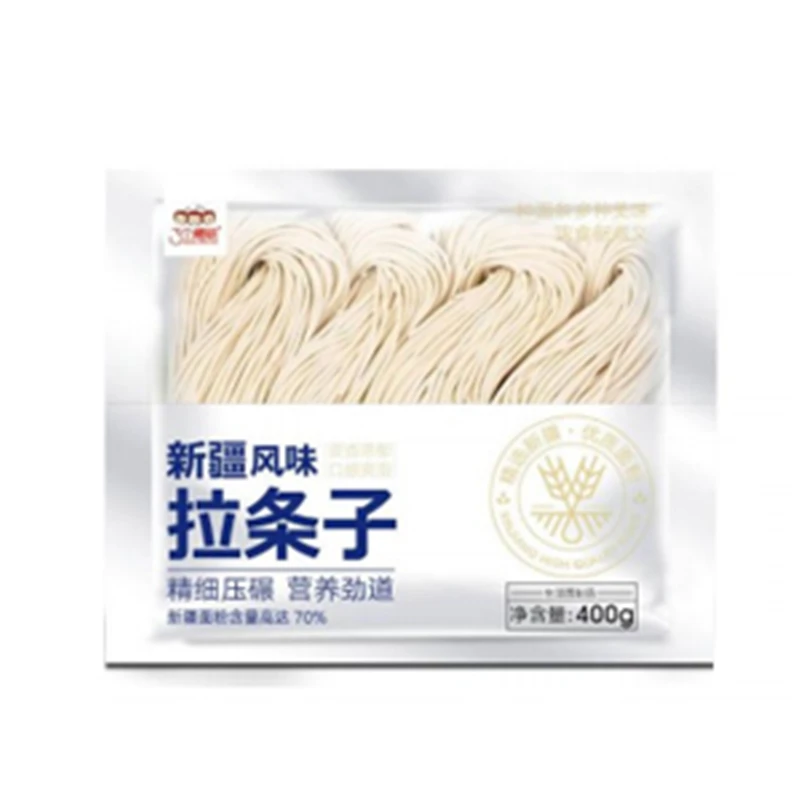
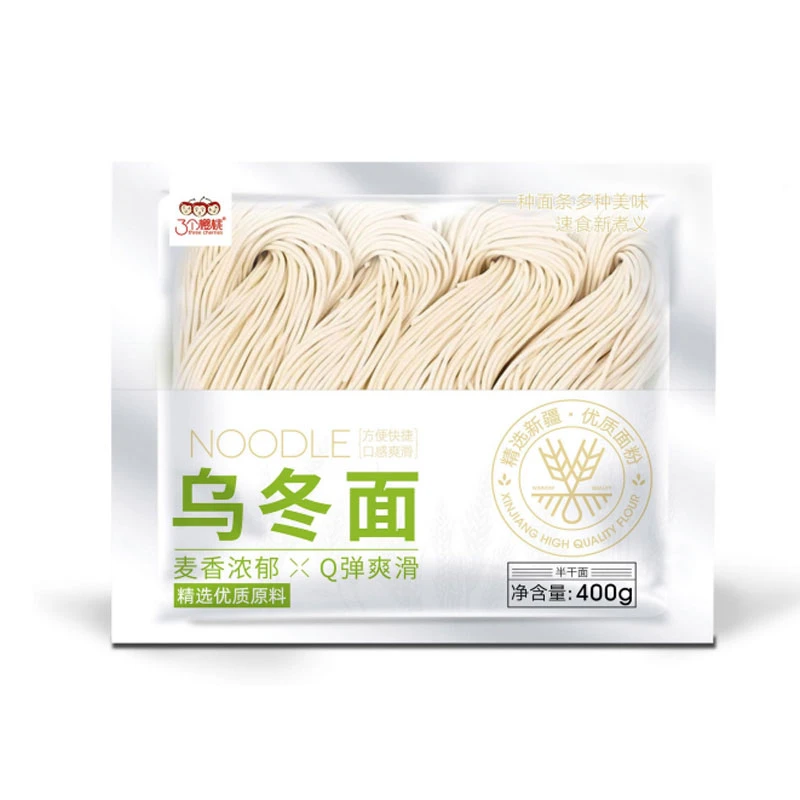
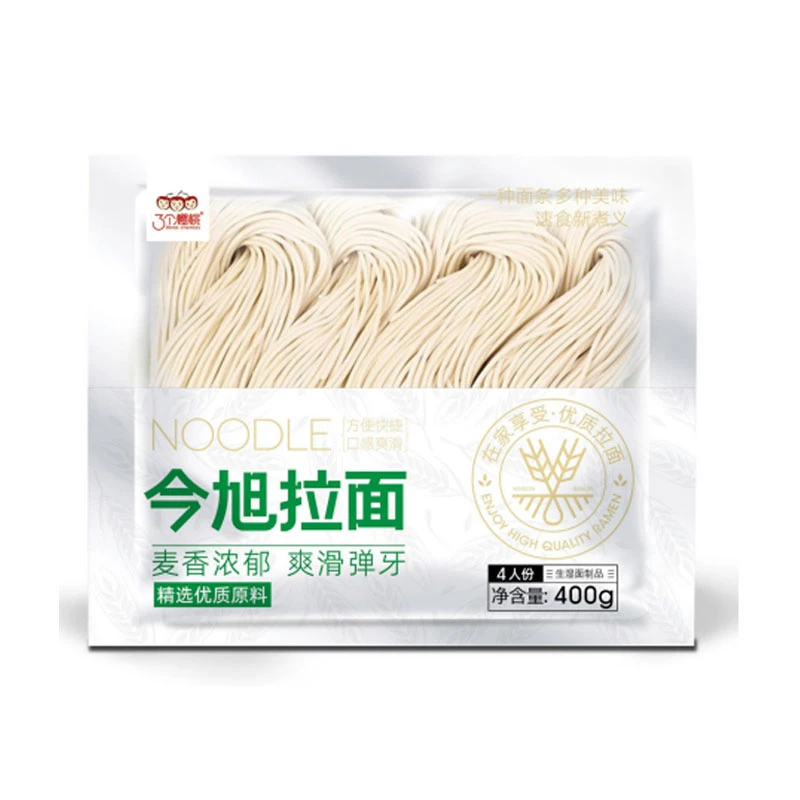
| JX Semi-Dry Noodles | Semi-dry & dried soba | Balanced texture & long storage | 6-12 months | Mid-range |
| Local Artisan Producers | Fresh, handmade soba | Traditional, high buckwheat content | Very short (days) | Premium |
| Mass Market Brands | Dried soba noodles | Wide availability, affordable | 12+ months | Budget-friendly |
I've noticed that when sourcing soba for foodservice operations, the semi-dry varieties from vendors like JX Semi-Dry Noodles offer a nice balance — reliable shelf life without sacrificing much on taste or bite. It’s like the industrial equivalent of finding a part that hits the right specs without costing an arm and a leg. That said, nothing quite beats the handmade, freshly prepared soba for pure authenticity, though the logistics can be tricky outside local Japanese markets.
Oddly enough, the humble soba noodle has a complexity that reminds me of managing a production line — just the right mix of ingredients, conditions, and skill at every stage makes all the difference. Maybe next time you’re slicing some soba, consider the craftsmanship and background behind those noodles. It’s not just food; it’s a little industrial marvel within your bowl.
References & reflections:
- Product data sheets and materials from various soba producers.
- Years of observing food manufacturing processes and industrial equipment parallels.
- Casual chats with chefs and kitchen operators embracing both tradition and efficiency.
-
Discover the Authentic Taste of Korean Buckwheat NoodlesNewsApr.16,2026
-
Discover the Refreshing Taste of Authentic Korean Cold SobaNewsApr.09,2026
-
Discover the Refreshing Taste of Korean Cold Buckwheat Noodles NaengmyeonNewsApr.07,2026
-
Discover the Cool and Refreshing World of Korean Buckwheat Noodles ColdNewsApr.04,2026
-
Discover the Refreshing Taste of Japanese Cold Buckwheat Noodles and Zaru SobaNewsMar.31,2026
-
Exploring the Delicious World of Chinese Style Cold NoodlesNewsMar.28,2026
-
Discover the Cool and Refreshing World of Korean Cold Soba NoodlesNewsMar.26,2026
Browse qua the following product new the we