
Exploring Different Types of Soba Noodles: Varieties, Uses, and Benefits
Discovering Different Types of Soba Noodles: A Global Taste Journey
When you hear "soba," what probably comes to mind is a graceful bowl of thin, buckwheat noodles delicately served in a Japanese restaurant. But different types of soba noodles have a much wider story — linking culture, agriculture, nutrition, and culinary innovation around the world. Understanding these variations matters not just to gastronomes but also to global food industries, health-conscious chefs, and sustainable farmers aiming for smarter use of buckwheat crops. Frankly, it’s a subtle topic but one packed with surprising benefits and insights worth exploring.
Why Does This Matter Globally?
According to the Food and Agriculture Organization (FAO), buckwheat cultivation supplies essential micronutrients to millions globally, particularly in parts of Asia and Eastern Europe. Meanwhile, the ISO standards for noodle quality support consistent production and safety across markets. Yet, variation in soba—from thin noodles served hot to thick soba eaten cold—presents challenges for processing industries and distributors. Addressing these nuances in different types of soba noodles can optimize texture, flavor, and shelf life, helping companies better meet diverse consumer preferences worldwide.
Mini takeaway: The global growth of soba isn’t just culinary; it weaves into food security, agricultural economics, and supply chain optimization.
What Are Different Types of Soba Noodles?
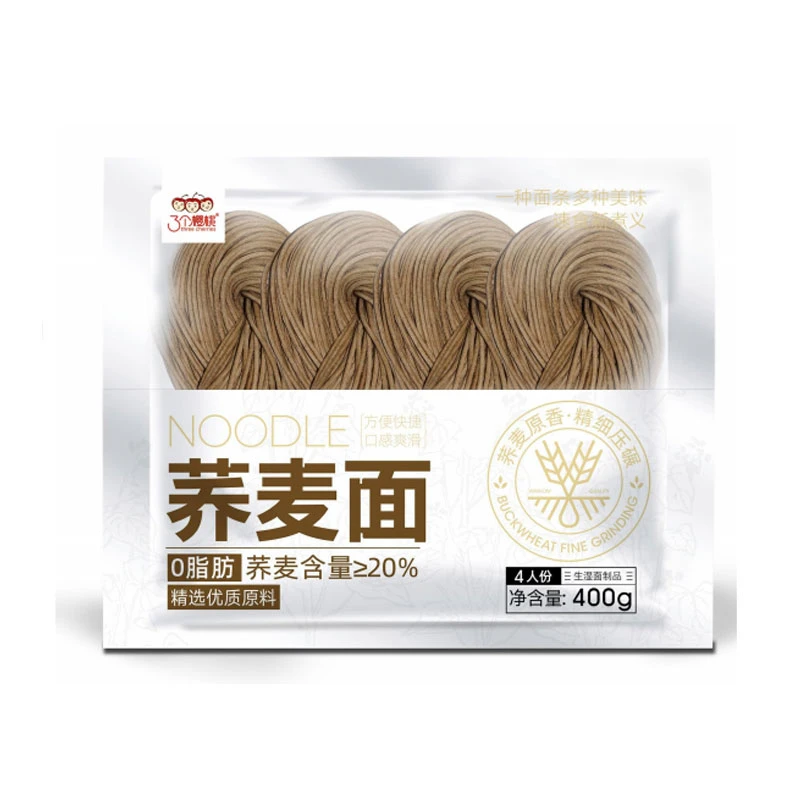
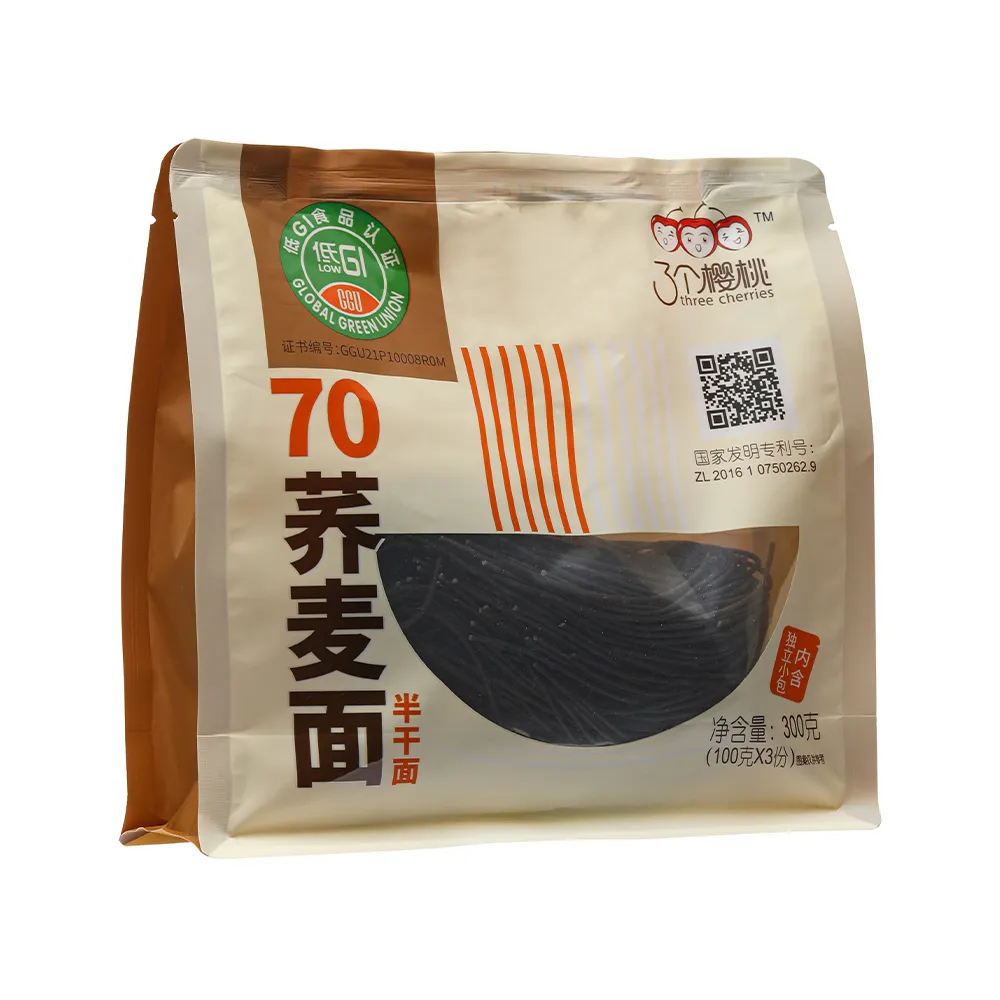
Simply put, soba noodles are noodles made predominantly from buckwheat flour, sometimes mixed with wheat flour for elasticity, resulting in diverse noodle variants. Classic Japanese soba is just one style among others shaped by ingredient ratios, thickness, and preparation—think cha soba (green tea-infused soba), juwari soba (100% buckwheat), and ni-hachi soba (80% buckwheat, 20% wheat). Each type balances taste, texture, and cooking characteristics uniquely, responding to consumer demand and regional agricultural conditions. Their relevance stretches into modern food industries where texture and shelf life can dictate product success.
Interestingly, soba noodles are gaining traction beyond Japan, impacting diets in Korea, China, and even Western countries eager for nutritious, gluten-reduced options. This feeds directly into evolving consumer health trends, challenging food technologists to innovate.
Mini takeaway:
Different types of soba noodles are defined by buckwheat content, thickness, and additives—each variation shaping how they’re enjoyed and used.
Key Qualities that Define Soba Noodle Types
1. Buckwheat Content and Nutritional Profile
Buckwheat delivers essential amino acids, fiber, and antioxidants– all vital for health-conscious consumers. Notably, 100% buckwheat soba, called juwari, has a robust flavor but can be crumbly, demanding careful handling.
2. Thickness and Cutting Style
Thinner soba cooks quickly with a slightly chewy texture, while thicker cuts offer an earthier mouthfeel and hold sauces differently. For instance, futsu soba is the standard thickness typically served cold, prized for balancing firmness with softness.
3. Ingredient Additives
Some soba types include additives like green tea powder (cha soba) or yam to boost flavor and texture variety. Such variants cater to niche markets and specialty restaurants.
4. Production Methods
Handmade soba retains an artisanal allure with unique textures, while machine-extruded soba provides consistent quality on an industrial scale—a big deal for manufacturers.
5. Packaging and Shelf Life
Fresh soba lasts only a few days, but dried types or vacuum-packed fresh noodles can be stored longer. Packaging advances now integrate moisture barriers and oxygen absorbers for freshness—a technical yet vital factor.
Mini takeaway: Factors like buckwheat ratio, thickness, and processing methods shape soba’s texture, usability, and nutrition profile—important for producers and consumers alike.
Where Are Different Types of Soba Noodles Used Around the World?
- Japan: Naturally, the soba heartland, with distinctive types for New Year celebrations (toshikoshi soba) and seasonal menus.
- East Asia: Growing markets in Korea and China, where soba mixes with local noodles in fusion cuisine.
- Europe and North America: Health food stores and vegan restaurants increasingly source soba for gluten-reduced diets.
- Disaster Relief: Incidentally, dried soba’s shelf stability and nutrition make it an emergency food option in certain programs.
An interesting case: A recent initiative in northern Japan partnered with soba farmers to promote 100% buckwheat soba to encourage sustainable agriculture and support local economies, emphasizing quality over mass production. It’s almost like soba carries subtle stories of place, identity, and hope.
Mini takeaway:
Soba noodles serve diverse markets—from traditional cultural settings to modern health-conscious consumers and even humanitarian contexts.
Unearthing the Advantages and Long-Term Value of Different Soba Noodle Types
Soba noodles aren’t just delicious—they offer practical benefits:
- Cost efficiency: Buckwheat is relatively hardy and requires fewer inputs than wheat, making soba products economically attractive in certain regions.
- Sustainability: Buckwheat’s short growing cycle reduces water and fertilizer demands, supporting eco-friendly farming.
- Health impact: Naturally gluten-reduced soba appeals to consumers with dietary restrictions.
- Cultural value: Soba keeps traditions alive, connecting people to farming heritage and culinary arts.
Emotionally, many people find comfort in soba’s simple, earthy taste. It’s food with personality—not just carbs. Logic meets feeling when you realize soba bridges nutrition, heritage, and enterprise.
Mini takeaway:
The long-term value of soba noodles mixes economic, environmental, and social factors—an elegant trifecta few foods can claim.
Emerging Trends and Innovations Shaping the Future of Soba Noodles
Technology is quietly transforming soba. Automation in noodle cutting is improving precision while preserving artisanal qualities. Novel buckwheat hybrids aim to boost yields and disease resistance. Online marketplaces now connect tiny soba farmers directly to global consumers—an exciting digital twist.
There’s also an emerging push toward “green soba” — organic, pesticide-free, and biodynamically farmed buckwheat. Such trends reflect broader consumer demand for transparency and provenance, dovetailing with climate-smart agriculture policies.
Mini takeaway:
Combining traditional craft with tech and sustainability, the future of soba noodles looks both rooted and innovative.
Challenges in the Soba Noodle Scene and Possible Solutions
- Crumbly texture of 100% buckwheat soba: Difficult to mass-produce consistently. Solution: blending with wheat or using natural binders.
- Limited shelf life of fresh soba: A hurdle for international shipping. Solution: vacuum packaging and drying techniques.
- Variability in buckwheat quality: Affects flavor and texture. Solution: seed certification programs and crop monitoring.
Engineers and food scientists are constantly tweaking methods. Sometimes it feels like an art, sometimes a science—with each noodle a tiny puzzle piece in a much bigger food system.
Frequently Asked Questions About Different Types of Soba Noodles
- What are the main differences between 100% buckwheat soba and mixed soba noodles?
- 100% buckwheat soba (juwari soba) has a stronger nutty flavor but tends to be more fragile. Mixed soba contains wheat flour for better elasticity and easier handling, making it the common choice for commercial production.
- Is soba gluten-free and safe for people with celiac disease?
- Pure buckwheat soba is gluten-free, but most commercial soba blends include wheat flour, so it's not always safe for celiacs. Always check packaging labels or seek 100% buckwheat options.
- How does thickness affect cooking times for soba noodles?
- Thinner soba cooks quickly, often within 2-3 minutes, while thicker varieties take longer and provide a chewier texture. Thinner noodles cool faster and are common in cold dishes.
- Can different types of soba noodles be stored long-term?
- Dried soba can be stored for months if kept dry, whereas fresh soba lasts only a few days unless vacuum-sealed and refrigerated. Vacuum packaging combined with refrigeration extends shelf life significantly.
- How can small producers improve the shelf life of handmade soba noodles?
- Utilizing cold storage, vacuum packaging, or innovating with natural preservatives helps maintain freshness and texture. Some small producers also freeze noodles to maintain quality during transport.
Product Specification Table: Typical Soba Noodle Varieties
| Type | Buckwheat Content | Typical Thickness | Best Use | Shelf Life |
|---|---|---|---|---|
| Juwari Soba | 100% | Medium-thin (~1.5 mm) | Traditional dishes, artisanal | Fresh: 2–3 days |
| Ni-Hachi Soba | 80% buckwheat, 20% wheat | Thin (~1.2 mm) | Commercial, all-purpose | Dried: several months |
| Cha Soba | 70–80% | Thin (~1.3 mm) | Specialty flavored, served cold | Fresh/dried |
Vendor Comparison Table: Soba Noodles Suppliers
| Supplier | Product Range | Sustainability Practices | Distribution Reach | Price Position |
|---|---|---|---|---|
| SobaCo Japan | Full line: juwari, ni-hachi, cha soba | Organic certified farms | Asia, North America, Europe | Premium |
| BuckPeak Foods | Mainly ni-hachi variety | Focus on low-carbon practices | North America, Europe | Mid-range |
| GreenFields Milling | Specialty and organic soba types | Biodynamic buckwheat farms | Europe and Japan | Niche premium |
Wrapping It Up: Why So Many Soba Varieties Matter
Exploring the world of different types of soba noodles is more than a culinary stroll; it’s a dive into sustainable food traditions, agriculture, and evolving consumer tastes. The nuances in texture, ingredients, and production tell stories of climate, culture, and craftsmanship converging in one humble noodle. For producers, mastering these variables means better products; for consumers, a richer experience on the plate—and for the planet, hopefully a strategy towards resilience.
If you want to deepen your knowledge on different types of soba noodles or source high-quality products, visit our website and taste the tradition blended with innovation.
References
-
Discover the Authentic Taste of Korean Buckwheat NoodlesNewsApr.16,2026
-
Discover the Refreshing Taste of Authentic Korean Cold SobaNewsApr.09,2026
-
Discover the Refreshing Taste of Korean Cold Buckwheat Noodles NaengmyeonNewsApr.07,2026
-
Discover the Cool and Refreshing World of Korean Buckwheat Noodles ColdNewsApr.04,2026
-
Discover the Refreshing Taste of Japanese Cold Buckwheat Noodles and Zaru SobaNewsMar.31,2026
-
Exploring the Delicious World of Chinese Style Cold NoodlesNewsMar.28,2026
-
Discover the Cool and Refreshing World of Korean Cold Soba NoodlesNewsMar.26,2026
Browse qua the following product new the we