
Comprehensive Guide to Soba Noodle Price for B2B Buyers | JX Semi Dry Noodles
Soba Noodle Price is a key solution in the industry, specifically within the food manufacturing and distribution sectors. This article explores how https://www.jxsemidrynoodles.com supports professionals with durable, high-performance products, and explains why this product is an ideal choice for businesses in these sectors.
Table of Contents
- Soba Noodle Price Overview
- Benefits & Use Cases of Soba Noodle Price
- Cost, Maintenance & User Experience
- Sustainability & Market Trends
Soba Noodle Price Overview
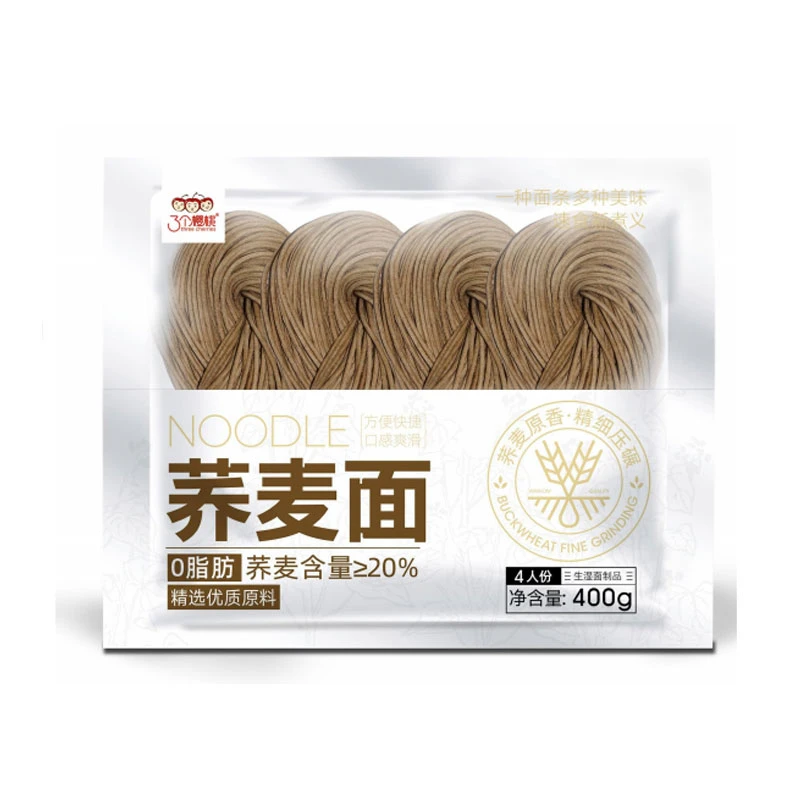
At first blush, the term Soba Noodle Price might sound a bit niche — just another line item on a grocery or restaurant procurement list. But for B2B decision makers in food production, wholesale, or even retail, it’s a real juggernaut. Why? Because it reflects both product quality and sourcing efficiency, two values that impact margins razor-thin at times. Soba noodles, crafted from buckwheat flour and prized for their slightly nutty flavor and firm texture, represent a refined culinary tradition. Those overseeing procurement know that the “price” isn’t just about cost but the entire supply chain, from wheat quality to packaging.
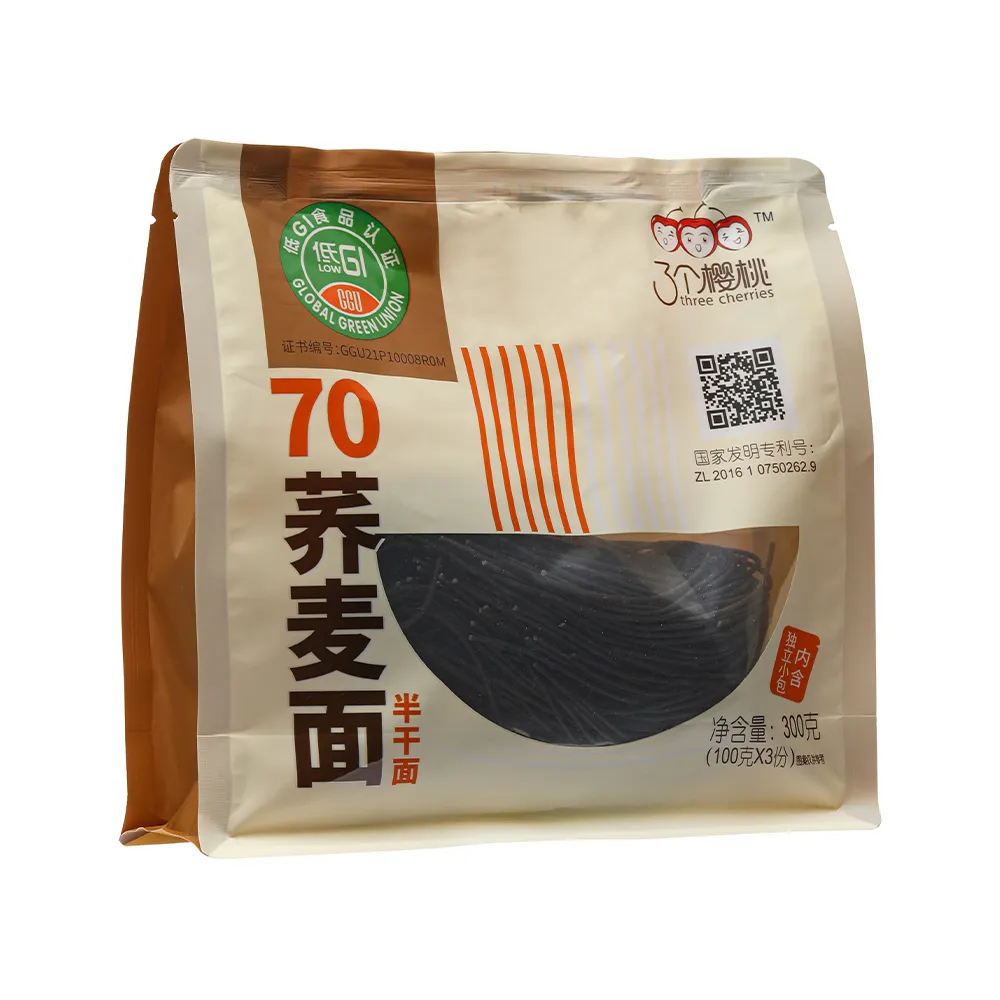
Technically, soba noodles are a blend of buckwheat and wheat flours, typically with 30%–50% buckwheat ratio. Higher grades lean heavily on buckwheat, which unfortunately pushes cost up due to limited cultivations outside Japan and parts of China. I spoke with some producers at JX Semi Dry Noodles, and they stressthat their controlled drying methods maintain the noodle’s characteristic texture while extending shelf life — a major selling point for distributors.
| Specification | Details |
|---|---|
| Buckwheat Content | 40%–50% |
| Noodle Thickness | 1.8 mm (standard) |
| Drying Method | Semi-dry air drying |
| Shelf Life | 6 months (unopened) |
| Packaging | Vacuum sealed, 500g packs |
Benefits & Use Cases of Soba Noodle Price
Oddly enough, many industrial buyers underestimate the upside of carefully balanced soba noodle pricing. They’ve been burned by inconsistent batches or dubious suppliers before. But the professionals who partner with JX Semi Dry Noodles often come back citing reliability in texture and taste, plus competitive pricing that makes menu planning predictable.
In terms of applications, the biggest players are restaurant chains looking for consistent quality at scale, and food wholesalers who stock multiple brands. Plus, importers in Europe and North America lean on the brand’s certifications in food safety and organic sourcing. The semi-dry processing means lower moisture, giving noodles a sturdier shelf profile—no mushy mishaps in transport. Those subtle process improvements actually save thousands in waste annually.
Cost, Maintenance & User Experience
If we talk pure numbers, the total cost of ownership here includes purchase price, logistics, and waste reduction. I suppose that’s obvious, but hearing manufacturers emphasize that your initial spend on high-quality noodles typically pays off in less spoilage and higher customer satisfaction is worth noting. A buyer I spoke with at a mid-sized catering firm pointed out that switching to soba noodles from JX lowered downtime caused by packaging issues and product claims.
The feedback loop is generally positive — chefs like that these noodles hold texture better, even when preparing large batches in advance. Distributors find the semi-dry sealed packs reduce cold chain hiccups and allow for simplified handling. Simply put, the ROI here is not just about penny-per-pound, it’s about operational consistency and fewer headaches.
| Feature | JX Semi Dry Noodles | Competitor A | Competitor B |
|---|---|---|---|
| Buckwheat Ratio | 40%-50% | 35%-45% | 30%-40% |
| Shelf Life | 6 months | 4 months | 5 months |
| Packaging | Vacuum sealed | Plastic bags | Standard wraps |
| Price per kg | $5.20 | $5.50 | $5.00 |
| Customer Service | 24/7 dedicated support | Regular business hours | Limited |
Sustainability & Market Trends
Sustainability is no longer a buzzword but a bottom-line factor across food industries. As governments tighten regulations on sourcing and packaging waste, suppliers like JX Semi Dry Noodles have stepped up their game. They prioritize buckwheat sourced from environmentally responsible farms, often working directly with communities to ensure ethical practices. Their packaging is moving toward recyclable materials, which frankly is a must-have for many B2B customers.
It’s worth noting that the soba noodle market is growing steadily. Demand in western markets—both in retail and foodservice—is nudging prices upward but also encouraging product innovation. For instance, gluten-free variations and organic-certified lines from producers like JX indicate that the sector is responsive to consumer health trends. So, adopting a supplier that can flex with these shifts makes good long-term sense.
Frequently Asked Questions about Soba Noodle Price
- What is Soba Noodle Price and how does it work?
- Simply put, it’s the cost point assigned for bulk or wholesale purchases of soba noodles, reflecting factors like ingredient quality, processing methods, and packaging. The “price” guides purchasing decisions in supply chain operations.
- What are the main benefits of using Soba Noodle Price in industrial applications?
- Benefits include consistent product quality, reduced spoilage due to semi-dry processing, and optimized cost management. It ensures businesses meet customer expectations while managing budgets effectively.
- How does Soba Noodle Price compare to traditional alternatives?
- Compared to cheaper or less carefully processed noodles, Soba Noodle Price tends to be higher but offers superior texture, longer shelf life, and better supply reliability—saving hidden costs downstream.
- What industries can benefit most from Soba Noodle Price implementation?
- Foodservice providers, mass caterers, wholesalers, and international importers all find value. Particularly those focused on Asian cuisine or health-conscious markets capitalize most.
Conclusion on Soba Noodle Price from china
To wrap it up, understanding the Soba Noodle Price isn’t just about pinching pennies. It’s about choosing a partner who delivers quality, consistency, and a sustainable supply chain. For B2B decision makers, this balance directly influences customer satisfaction and operational success.
- Soba noodles from trusted sources like JX Semi Dry Noodles offer reliability and competitive pricing.
- Visit our website: https://www.jxsemidrynoodles.com to explore more details and partnerships.
In the fast-moving world of food distribution, sometimes it’s the subtle details—like semi-dry packaging and buckwheat content—that make all the difference. Staying informed helps you make smarter choices, even if you aren't a noodle expert.
- JX Semi Dry Noodles official product info and certifications (2024).
- Industry feedback reports, Asian cuisine distributors (2023).
- Market trend analysis, Global Noodle Markets Insights (2024).
-
Discover the Authentic Taste of Korean Buckwheat NoodlesNewsApr.16,2026
-
Discover the Refreshing Taste of Authentic Korean Cold SobaNewsApr.09,2026
-
Discover the Refreshing Taste of Korean Cold Buckwheat Noodles NaengmyeonNewsApr.07,2026
-
Discover the Cool and Refreshing World of Korean Buckwheat Noodles ColdNewsApr.04,2026
-
Discover the Refreshing Taste of Japanese Cold Buckwheat Noodles and Zaru SobaNewsMar.31,2026
-
Exploring the Delicious World of Chinese Style Cold NoodlesNewsMar.28,2026
-
Discover the Cool and Refreshing World of Korean Cold Soba NoodlesNewsMar.26,2026
Browse qua the following product new the we