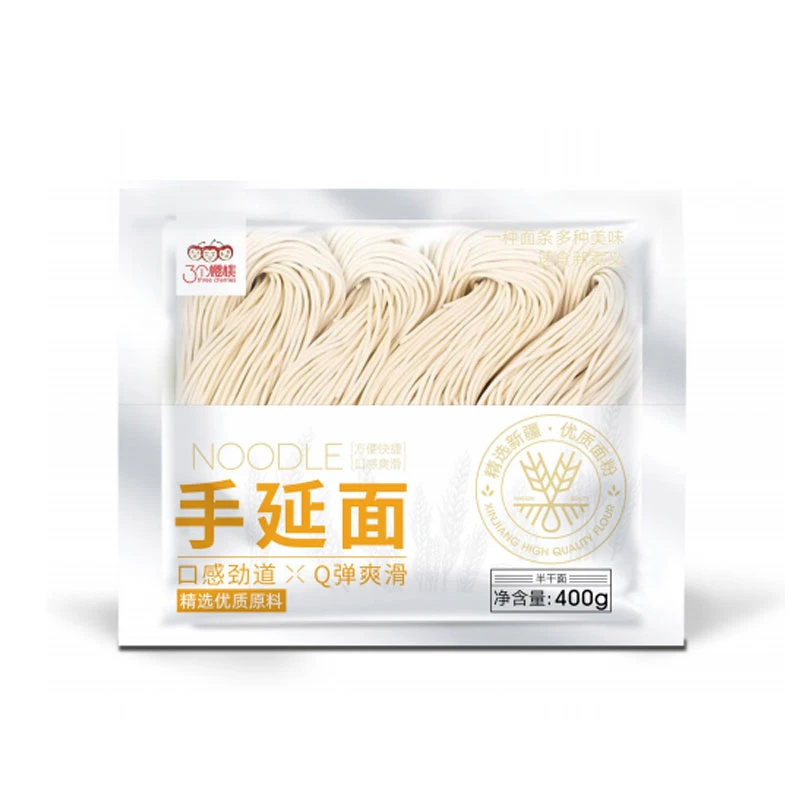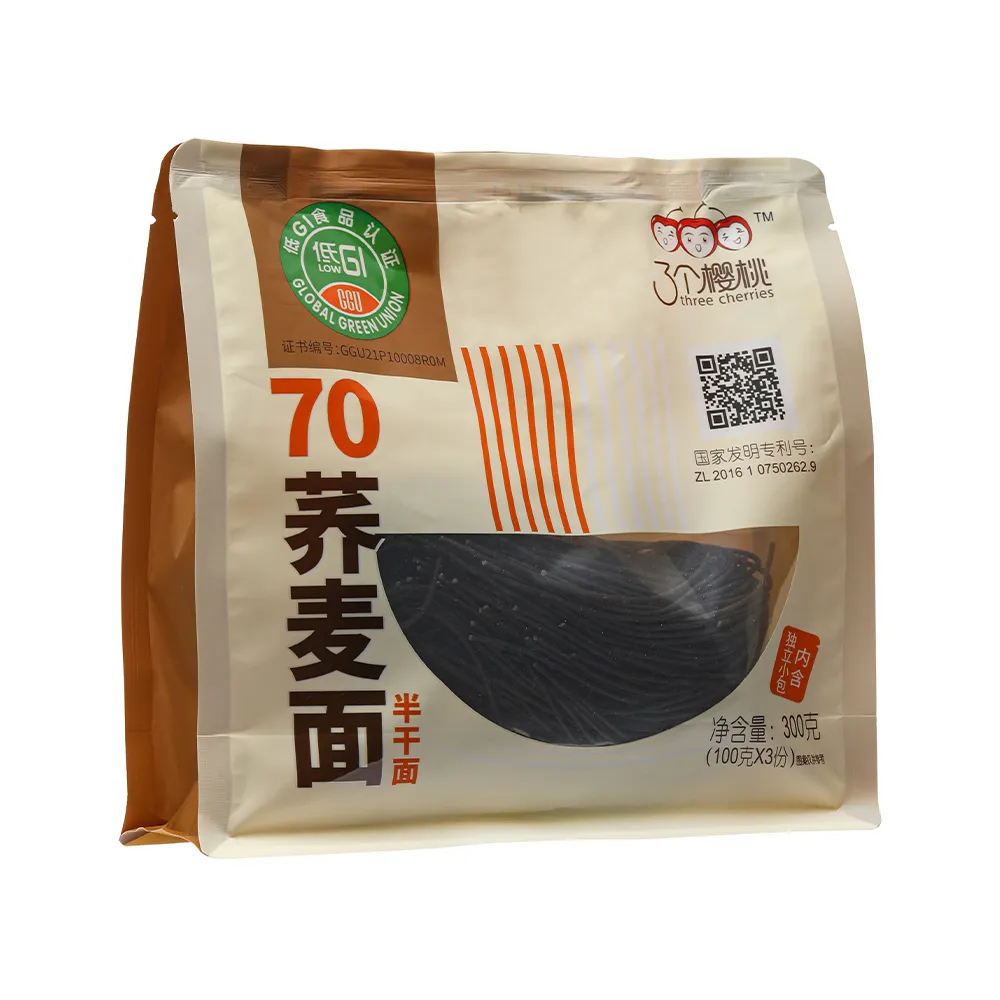

Cold Sichuan Noodles: 15-Min, Authentic, Spicy & Refreshing
Yanji Flavor Cold Noodles: a field note from the refrigerated aisle
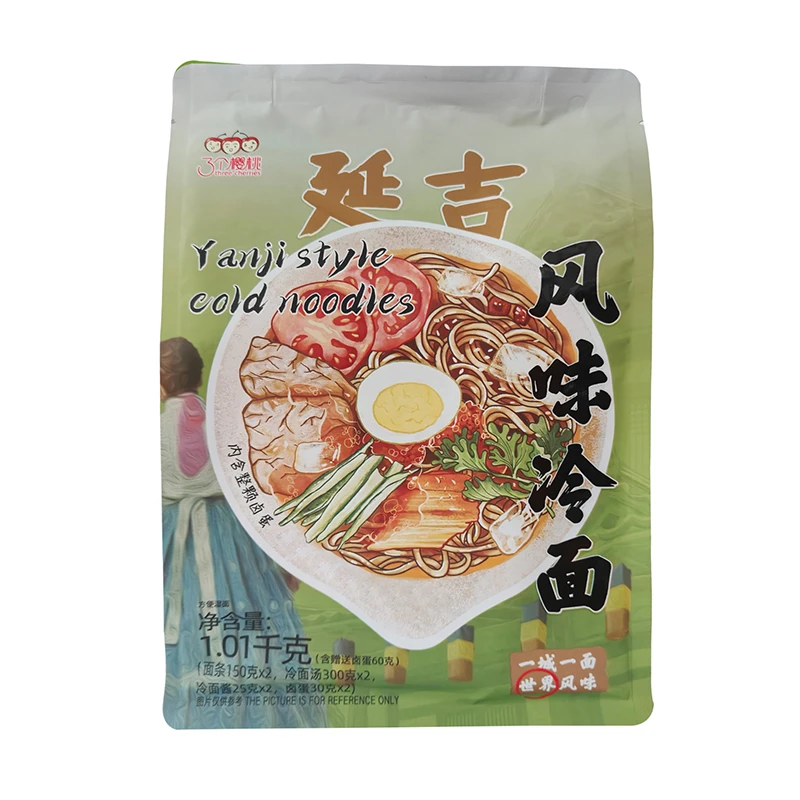
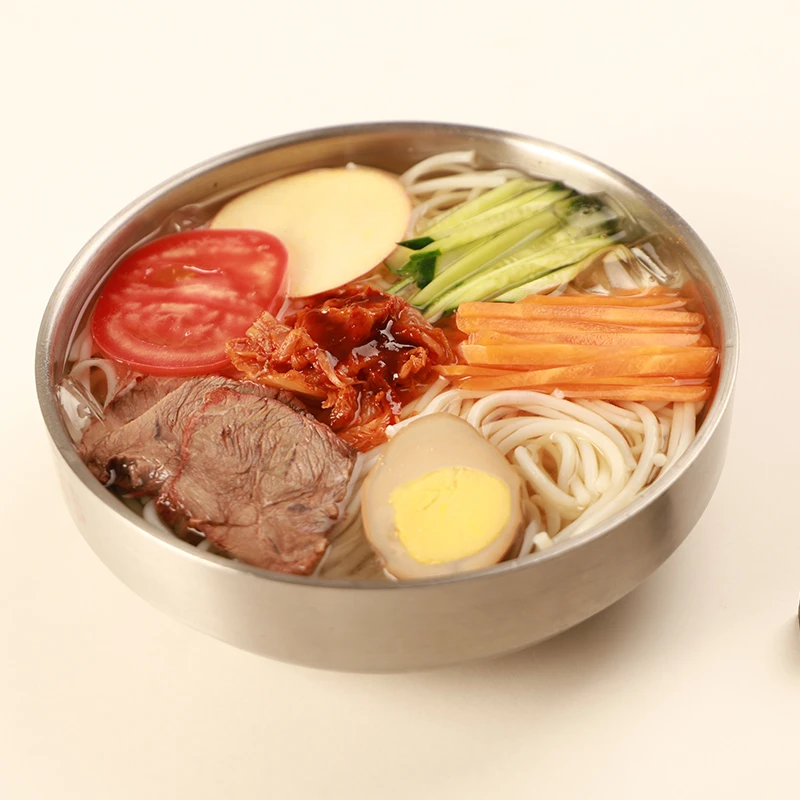
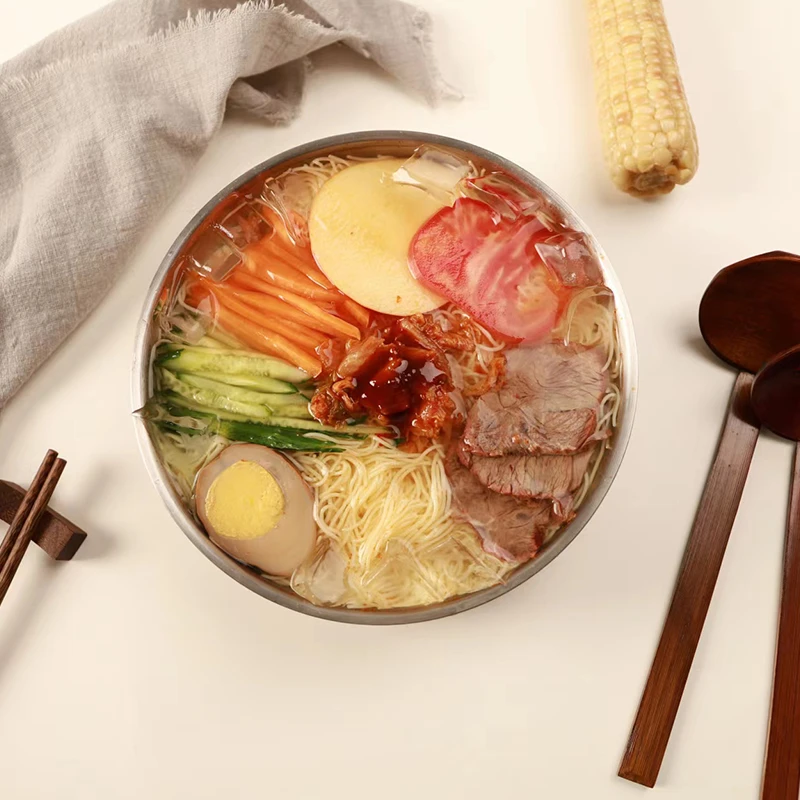
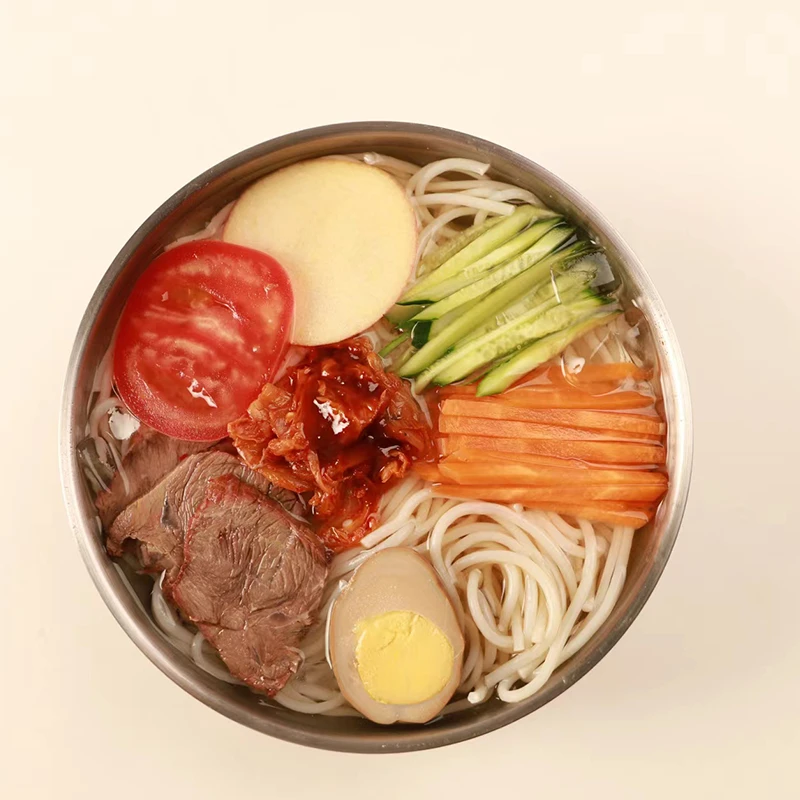
I’ve spent a fair share of afternoons chasing good noodles, and the trail recently took me to Oriental Food City in Longyao County, Xingtai, Hebei—where I tasted what the market keeps calling cold sichuan noodles packaged for real-world kitchens. The product name, to be precise, is Yanji Flavor Cold Noodles—regional crossovers happen, and honestly, the category’s evolving faster than labels can catch up.
Industry trends (and what buyers quietly look for)
Refrigerated semi-dry noodles are surging in HoReCa and meal-kit channels. Operators want texture consistency, shelf-life stability, and packaging that behaves well under 0–10°C. There’s also a push for auditable food-safety systems—ISO 22000 and HACCP are baseline asks now, not “nice-to-have.” Flavor-wise, consumers crave heat plus fragrance; chili oil depth with sesame always wins. It seems that secondary fermentation notes (that springy chew) are trending too—surprisingly durable, even after transport.
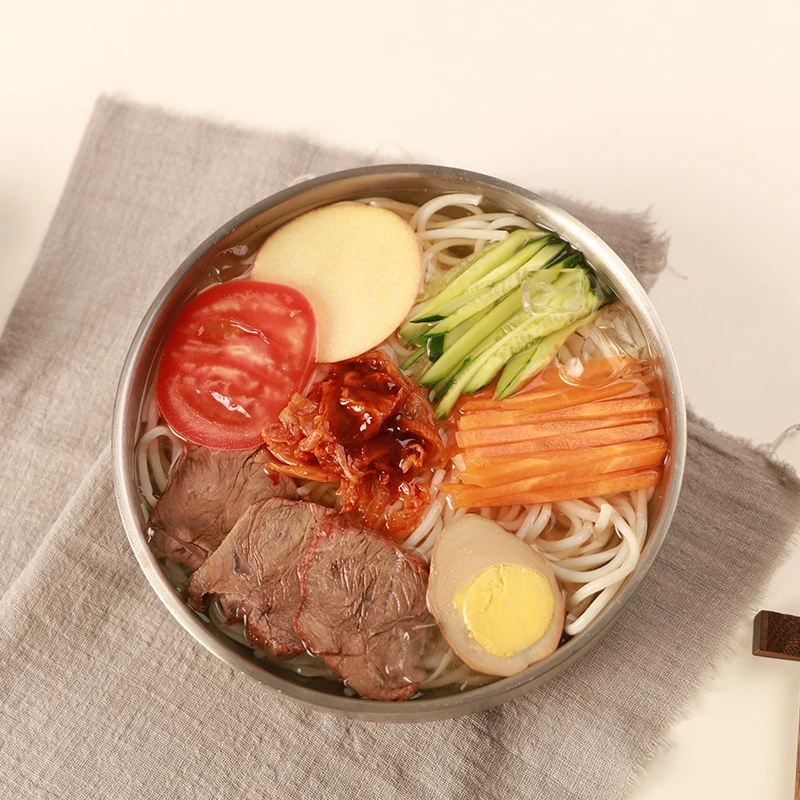
Product specifications: Yanji Flavor Cold Noodles (1010 g pack)
| Parameter | Spec (≈/range; real-world use may vary) |
|---|---|
| Net weight | 1010 g |
| Storage | 0–10°C refrigerated |
| Service life | 4 months (sealed, cold chain intact) |
| Base materials | Wheat flour, starch blend, water, salt (typical); spice-oil sachets optional |
| Noodle thickness | ≈1.8 ± 0.2 mm |
| Water activity (aw) | ≤0.92 (at pack) |
| pH | 5.8–6.4 |
| Micro test targets | TPC ≤1.0×10^4 CFU/g; coliforms not detected; L. monocytogenes not detected |
Process flow (simplified): flour and starch hydration → low-temp mixing → extrusion/shearing to develop chew → partial drying to semi-dry state → portioning and sealing (optionally MAP/nitrogen) → rapid chill → QC and hold. Tests reference ISO 22000/HACCP programs, routine micro per national methods, and labeling compliance checks. To be honest, the chew is what won me over.
Application scenarios and advantages
- Quick-service and fast-casual: cold bowls with chili oil, sesame, shredded cucumber, and peanuts.
- Catering & airline meal-prep: stable texture after rinse-and-toss; predictable portion cost.
- Retail and DTC meal kits: easy assembly with spice sachets; minimal equipment needed.
Advantages: consistent bite, clean ingredient deck, refrigerated shelf life, and versatile pairing with house-made chili oil. Many customers say they appreciate the “no stick” finish after a cold rinse—small thing, big impact.
Vendor snapshot (approximate market view)
| Vendor | Origin | Certifications | Lead time | MOQ | Price/pack | Notes |
|---|---|---|---|---|---|---|
| Yanji Flavor Cold Noodles (Hebei) | Longyao, Xingtai | ISO 22000, HACCP (typical) | 7–15 days | ≈300 packs | US$2.2–3.0 | Stable chew; private label ready |
| Chengdu Spicy Craft Foods | Sichuan | HACCP | 10–20 days | ≈500 packs | US$2.5–3.4 | Hotter profile, smaller sachets |
| Northeast Buckwheat Foods Co. | Jilin | ISO 22000 | 12–18 days | ≈200 packs | US$2.0–2.8 | Buckwheat aroma, softer bite |
Market info is indicative; request current COAs and certifications before purchase.
Customization, QC, and feedback
Custom options: cut width, spice-oil heat level, sesame/peanut sachets, allergen labeling, private-label artwork, and carton coding. QC aligns to ISO 22000/HACCP; labeling per GB 7718. One chain buyer told me, “rinse, toss, plate—90 seconds,” which is exactly the point of semi-dry formats. If you need cold sichuan noodles that hold up in delivery windows, that rinse-resistant starch matrix matters.
Case studies (brief)
- Fast-casual pilot: swapped in Yanji Flavor pack; reported 14–18% prep-time savings, fewer texture complaints during rush.
- Meal-kit box: repeat purchase lift after adding fragrant chili oil sachet; CSAT nudged up, according to their team.
Final note: for cold sichuan noodles that need to travel, keep the cold chain honest, and don’t skip the rinse—simple, but it’s the difference between glossy and gummy.
Authoritative references
- ISO 22000:2018 Food safety management systems. https://www.iso.org/standard/65464.html
- Codex General Principles of Food Hygiene (CXC 1-1969, Rev. 2020). https://www.fao.org/fao-who-codexalimentarius/
- GB 14881-2013 General Hygienic Regulation for Food Production. http://down.foodmate.net/standard/sort/3/15465.html
- GB 7718-2011 General Standard for the Labelling of Prepackaged Foods. http://down.foodmate.net/standard/sort/3/29507.html
-
Discover the Authentic Taste of Korean Buckwheat NoodlesNewsApr.16,2026
-
Discover the Refreshing Taste of Authentic Korean Cold SobaNewsApr.09,2026
-
Discover the Refreshing Taste of Korean Cold Buckwheat Noodles NaengmyeonNewsApr.07,2026
-
Discover the Cool and Refreshing World of Korean Buckwheat Noodles ColdNewsApr.04,2026
-
Discover the Refreshing Taste of Japanese Cold Buckwheat Noodles and Zaru SobaNewsMar.31,2026
-
Exploring the Delicious World of Chinese Style Cold NoodlesNewsMar.28,2026
-
Discover the Cool and Refreshing World of Korean Cold Soba NoodlesNewsMar.26,2026
Browse qua the following product new the we