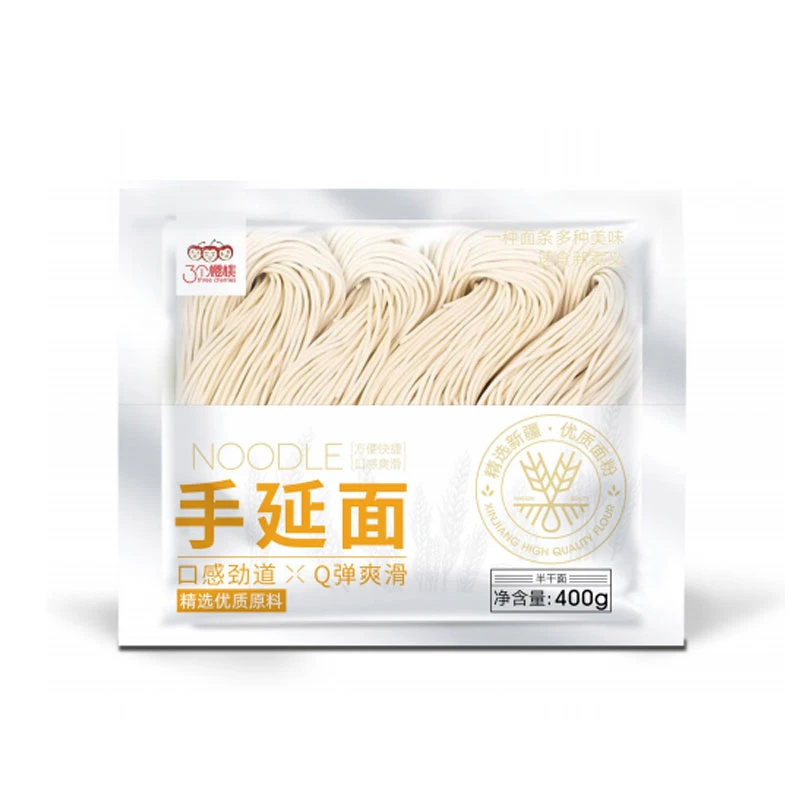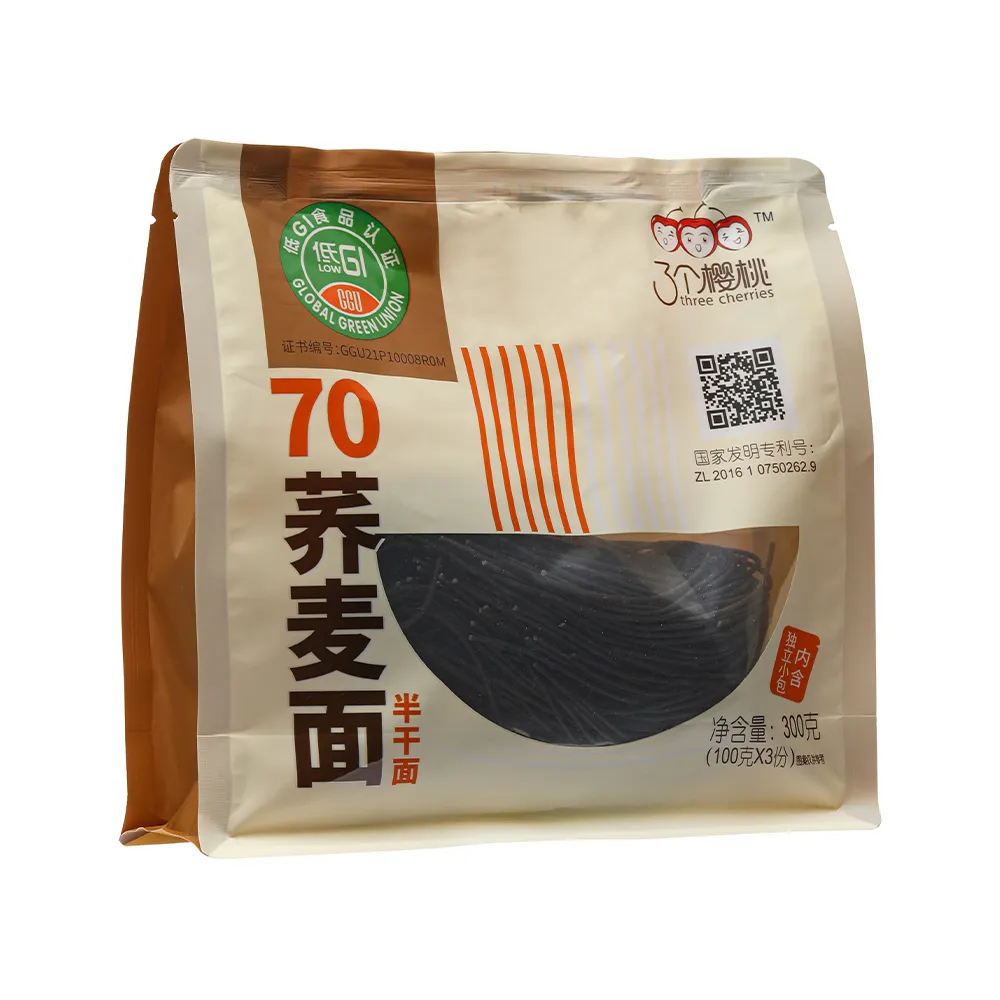

Affordable and Sustainable: Your Guide to Cheap Konjac Noodles
Understanding Cheap Konjac Noodles: Why It Matters Globally
If you’re vaguely familiar with konjac noodles, you’ve probably heard the buzz around them being a trendy, low-calorie alternative to traditional pasta. But why should anyone care about cheap konjac noodles on a global scale? Well, these modest-looking, jelly-like strands carry more weight than just a niche health food fad. They represent innovation in affordable, sustainable nutrition that could help address food security, dietary health, and environmental concerns worldwide.
With rising global demand for plant-based, low-carb options—and the ever-present challenge of feeding millions in less-than-ideal conditions—cheap konjac noodles have potential far beyond dinner plates in health-conscious cafes. They also intersect intriguingly with economic realities, agriculture, and even humanitarian aid.
The Global Landscape: Why Cheap Konjac Noodles Matter Today
The United Nations estimates that nearly 690 million people worldwide suffer from chronic undernourishment (FAO). Meanwhile, lifestyle-related health issues like obesity and diabetes are on the rise in developed nations, driving demand for healthier food alternatives. Globally, konjac—derived from the tuber of the Amorphophallus konjac plant—has been cultivated primarily in Asia. But its significance is spreading, given its ability to produce low-calorie, high-fiber noodles cheaply and sustainably.
The challenge lies in making these noodles affordable for broader consumer bases so that benefits aren’t limited to niche markets or health food fanatics. This is where cheap konjac noodles come in as an interesting solution, addressing both economic and nutritional gaps.
What Exactly Are Cheap Konjac Noodles?
At its core, konjac noodles (also called shirataki noodles) are translucent, gelatinous strands made from konjac flour and water. Their primary component is glucomannan—a dietary fiber noted for its ability to absorb water and promote a feeling of fullness with very few calories. When we say cheap konjac noodles, we refer to those produced with cost-efficiency in mind without sacrificing quality—making them accessible to price-sensitive consumers, including institutions or aid organizations.
Interestingly, cheap konjac noodles align closely with modern industry demands for plant-based, gluten-free, low-calorie foods that are also low-impact on the environment. This ties into both consumer trends and sustainable agriculture goals globally.
Key Factors Behind Cheap Konjac Noodles
1. Cost Efficiency
By optimizing the sources of konjac tubers and streamlining production processes, manufacturers can now offer konjac noodles at a fraction of the previous cost. This makes the product more accessible, especially in emerging markets.
2. Nutritional Value
Low-calorie, high-fiber content means these noodles can help assist weight management, promote digestion, and regulate blood sugar. These health benefits are invaluable in both developed and developing countries.
3. Production Scalability
The agricultural requirements for konjac plants are modest, enabling farmers to cultivate them in diverse climatic zones. Combined with growing processing capacity, it’s possible to meet increasing global demand sustainably.
4. Shelf Life & Storage
Thanks to vacuum-sealing and drying technologies, cheap konjac noodles can be stored for months without refrigeration—a huge plus for distribution in remote or disaster-prone areas.
5. Environmental Sustainability
Konjac crops require less water and fertilizers compared to other staple crops like wheat or rice. This means that mass-producing cheap konjac noodles aligns perfectly with ongoing efforts to reduce the carbon footprint of food production.
Mini Takeaway:
By focusing on cost, scalability, nutrition, storage, and environmental factors, cheap konjac noodles hit the sweet spot between health, economics, and ecological balance.
How Cheap Konjac Noodles Are Used Globally
In real-world terms, these noodles have found a surprising range of applications. In Asia, they are a staple for weight-conscious consumers and diabetic-friendly diets. Expanding beyond, NGOs have started integrating cheap konjac noodles into relief packages distributed after natural disasters—think typhoons or floods—where fresh food supply chains fail.
Additionally, fitness centers and wellness communities in the West increasingly incorporate these noodles into meal plans. Remote industrial sites in parts of Africa and the Middle East appreciate their long shelf life and ease of preparation, making cheap konjac noodles a convenient staple food.
Case Example
Last year, a humanitarian organization working in Southeast Asia reported success using fortified cheap konjac noodles in feeding programs aimed at children suffering malnutrition, reducing hunger-related complications by almost 15% over six months.
Advantages and Long-Term Value of Cheap Konjac Noodles
- Cost-saving: Affordable pricing opens access for low-income families and bulk procurement.
- Health benefits: Supports dietary restrictions without sacrificing enjoyment.
- Environmental impact: Sustainable farming practices and low resource consumption.
- Distribution ease: Long shelf life means less waste and logistical headaches.
- Emotional impact: Offers dignity by providing tasty food options rather than bland aid rations.
I suppose in today’s world where food interchangeably plays roles in health, culture, and survival, a product like cheap konjac noodles feels like a small but meaningful innovation, addressing complexities that often feel overwhelming.
Cheap Konjac Noodles: Specs at a Glance
| Specification | Details |
|---|---|
| Main Ingredient | Konjac Flour (glucomannan) |
| Calorie Count | ~10–20 kcal per 100g |
| Shelf Life | 6–12 months (vacuum sealed) |
| Packaging | Vacuum sealed pouches or dried blocks |
| Allergens | Gluten-free, allergen-free |
| Storage | Room temperature, cool dry place |
Vendor Comparison: Leading Cheap Konjac Noodles Producers
| Vendor | Price Range (per kg) | Origin | Quality Certifications | Minimum Order Qty |
|---|---|---|---|---|
| Konnyaku Corp | $3.00 – $3.50 | Japan | ISO 22000, HACCP | 100 kg |
| GreenVeg Foods | $2.20 – $2.80 | China | Organic, GMP | 50 kg |
| Nature’s Konjac | $2.50 – $3.00 | Vietnam | ISO 9001, Organic | 75 kg |
What’s Next? Trends and Innovations in Cheap Konjac Noodles
The future’s looking pretty exciting for konjac noodles. Here’s what many in the food tech arena are watching closely:
- Fortification: Adding vitamins and minerals to meet nutritional gaps in undernourished populations.
- Automation: Robotics in packaging and processing to lower costs further.
- New Formats: Noodle blends with other plant-based ingredients to improve texture or flavor.
- Eco-friendly packaging: Moving away from plastic vacuum packs toward biodegradable materials.
Governments and UN organizations are also promoting konjac as part of sustainable food policies. It’s odd, but not too long ago, konjac noodles were just a curiosity—and now they’re edging toward mainstream strategic nutrition.
Common Challenges and How They Get Solved
Despite the positives, some hurdles remain:
- Consumer Acceptance: Many find the texture unusual or off-putting. Clever marketing and culinary innovation help here.
- Supply Chain: Inconsistent tuber quality sometimes leads to batch variability. More controlled farming and processing standards are being adopted.
- Price Fluctuations: While prices are dropping, raw material scarcity or climate conditions can bump costs suddenly.
Industry experts advise forming partnerships with local growers and investing in R&D to stabilize production quality and optimize costs.
Frequently Asked Questions About Cheap Konjac Noodles
Q1: Are cheap konjac noodles suitable for diabetics?
Absolutely. Because these noodles are low in carbohydrates and high in glucomannan fiber, they help slow sugar absorption and avoid blood sugar spikes. However, consulting with a healthcare provider is always best when making diet changes.
Q2: How long do cheap konjac noodles last if stored properly?
When vacuum-sealed and stored in a cool, dry place, cheap konjac noodles can last from six to twelve months. This long shelf life makes them ideal for large-scale food distribution or emergency stockpiles.
Q3: Can cheap konjac noodles replace traditional pasta completely?
It depends on your taste and texture preferences. While konjac noodles have a different mouthfeel and nearly zero calories, they can replace pasta in many dishes, especially for those seeking low-carb options.
Q4: How can international buyers import cheap konjac noodles effectively?
Working with certified suppliers who provide detailed product specifications and assist with customs documentation is key. Vendors listed in this article generally have experience with international shipping and can guide through import challenges.
Wrapping Up: The Last Word on Cheap Konjac Noodles
To me, cheap konjac noodles symbolize how smart innovation in food can cascade from local farm fields to global health solutions. Their blend of affordability, nutrition, and sustainability means they’re more than just a trend—they’re part of a bigger picture of feeding a growing planet wisely.
If you’re curious about affordable, eco-friendly pasta alternatives or want to explore bulk purchases, don’t hesitate to visit our website: cheap konjac noodles for more details and offers.
References
-
Discover the Authentic Taste of Korean Buckwheat NoodlesNewsApr.16,2026
-
Discover the Refreshing Taste of Authentic Korean Cold SobaNewsApr.09,2026
-
Discover the Refreshing Taste of Korean Cold Buckwheat Noodles NaengmyeonNewsApr.07,2026
-
Discover the Cool and Refreshing World of Korean Buckwheat Noodles ColdNewsApr.04,2026
-
Discover the Refreshing Taste of Japanese Cold Buckwheat Noodles and Zaru SobaNewsMar.31,2026
-
Exploring the Delicious World of Chinese Style Cold NoodlesNewsMar.28,2026
-
Discover the Cool and Refreshing World of Korean Cold Soba NoodlesNewsMar.26,2026
Browse qua the following product new the we