
Different Types of Udon Noodles – A Culinary & Industrial Perspective
Exploring Different Types of Udon Noodles
Having spent years around industrial equipment and the wonders of carefully crafted food products, I’ve come across some surprisingly fascinating things — like udon noodles. If you think of udon, you might picture those thick, chewy wheat noodles from Japan, but there’s actually quite a variety depending on production style, ingredients, and use cases.
Udon noodles are much more than just “thick noodles.” Their texture, durability, and suitability for certain dishes or industrial processing have major variations, especially when it comes to manufacturing for commercial or restaurant use. Frankly, it’s kind of an art — balanced with practical science.
Types of Udon Noodles by Production Style
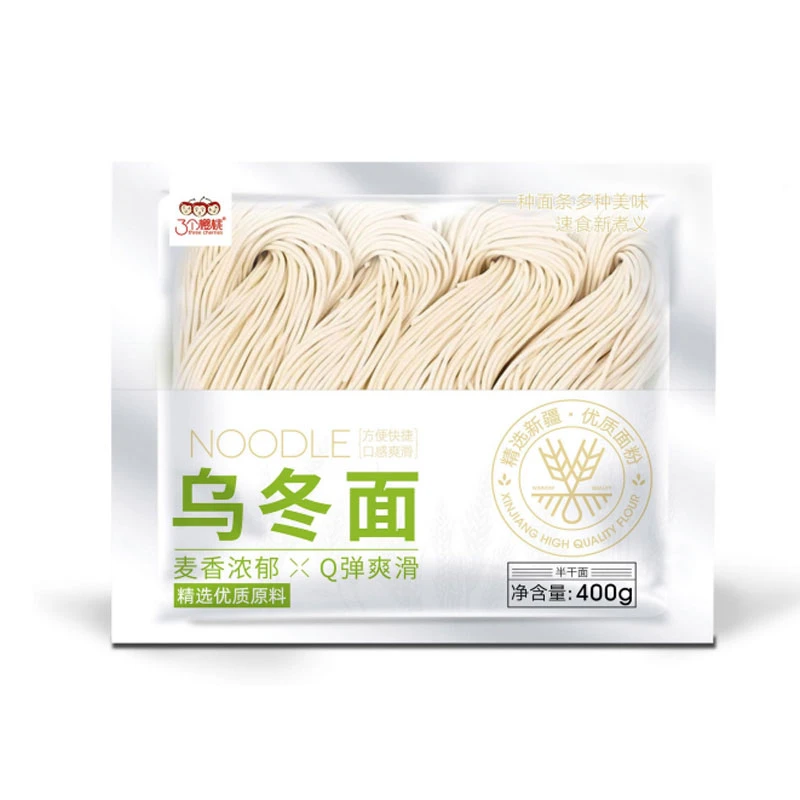
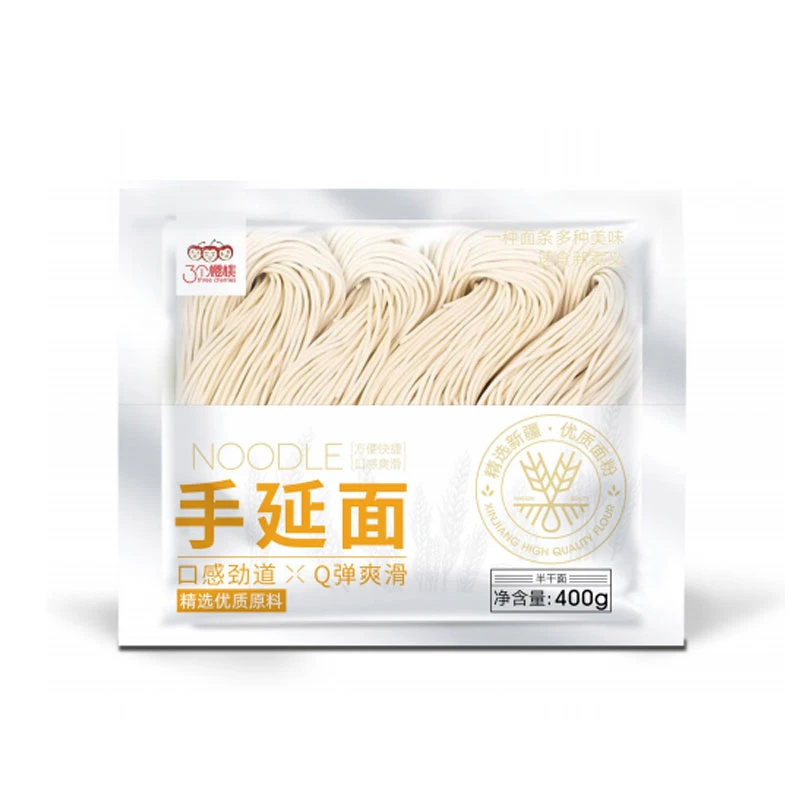
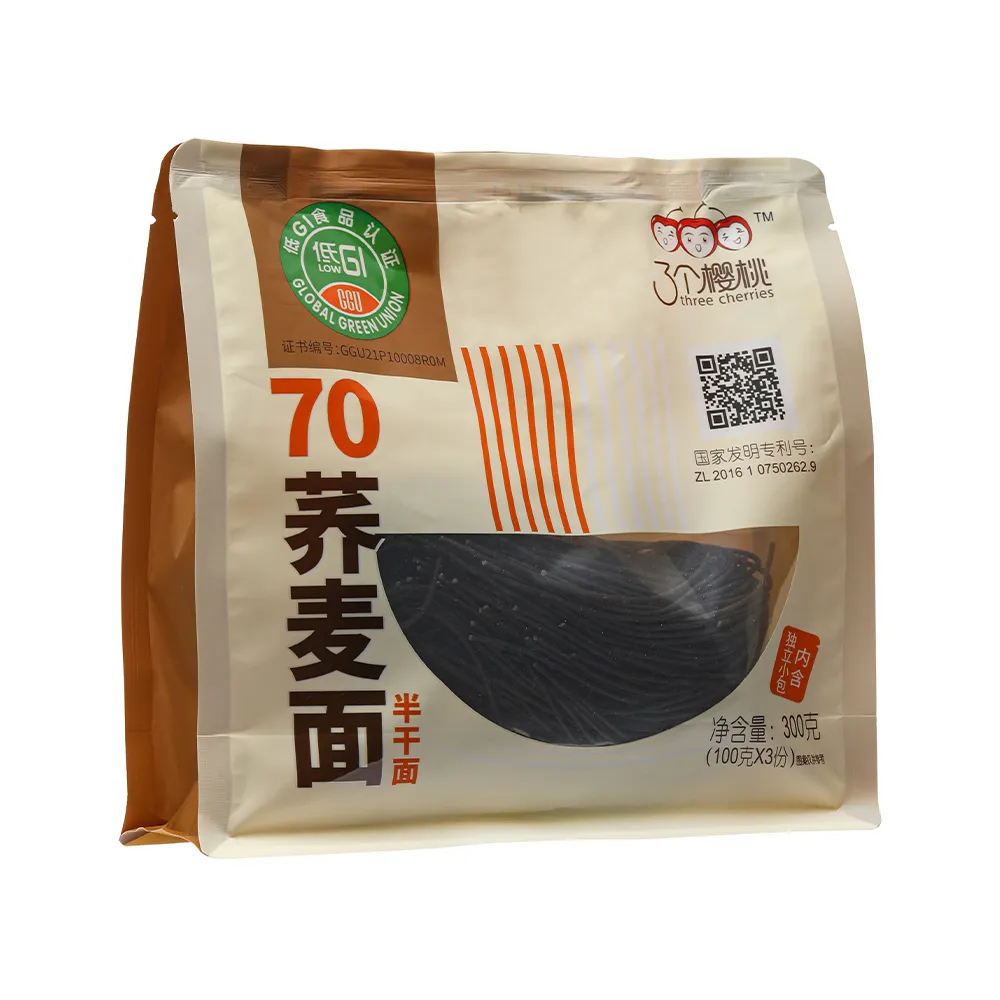
At a glance, udon can be broadly divided into three main types: fresh, frozen, and semi-dry. Fresh udon feels soft and supple, ideal for quick preparation and immediate consumption. Frozen types, on the other hand, retain texture very well and extend shelf life, handy for industrial food suppliers or restaurants wanting consistency. Semi-dry udon noodles strike a middle ground — they’re partially dehydrated, improving storage life without the full texture changes that drying imposes.
I remember once visiting a plant specializing in semi-dry udon; the control over moisture content and texture was precise to within a fraction of a percentage point. This level of quality control ensures that when the noodles hit the boiling water, they have just the right “bite,” what the Japanese call koshi. It’s a crucial characteristic — too soft, and the noodle feels mushy. Too firm, and it’s tough to eat.
Key Specification of Semi-Dry Udon Noodles
| Specification | Detail |
|---|---|
| Noodle Thickness | 2.5–3.0 mm |
| Moisture Content | 16–20% |
| Shelf Life | 90 days refrigerated |
| Main Ingredient | Wheat flour (high gluten) |
| Packaging | Vacuum sealed packs |
How Vendors Compare on Udon Noodle Production
| Vendor | Types Offered | Quality Control | Delivery Options | Customization |
|---|---|---|---|---|
| JX Semi-Dry Noodles | Semi-dry, frozen | Rigorous moisture & texture testing | Global shipping & local partners | Thickness, packaging tailored |
| Yamato Foods | Fresh, frozen | Standard visual and taste tests | Regional delivery | Limited customization |
| Kobe Noodle Co. | Dried, fresh | Periodic batch testing | Domestic delivery only | No customization offered |
Some Reflections
Oddly enough, udon noodle production shares more with industrial equipment manufacturing than you might expect. The precision — from moisture levels to gluten content — determines a product’s final performance. Many engineers I’ve chatted with agree: consistency is king. One anecdote I always like to share involves a customer who switched to JX Semi-Dry Noodles semi-dry varieties and noticed their restaurant’s udon dishes retained ideal texture even during rush hours. That’s something fresh noodles just couldn’t guarantee.
In real terms, whether you’re a chef or a food equipment specialist, knowing these subtle differences can make or break your final dish or product line. So next time you’re looking at udon noodles — whether on a supplier sheet or in a restaurant kitchen — you might appreciate all the detail and care that goes behind them.
If you think about it, food is as much an engineering challenge as it is culinary art.
References:
- Industry reports on noodle manufacturing standards, 2023
- Interviews with food equipment engineers, 2022
- JX Semi-Dry Noodles product and production data sheets
-
Discover the Authentic Taste of Korean Buckwheat NoodlesNewsApr.16,2026
-
Discover the Refreshing Taste of Authentic Korean Cold SobaNewsApr.09,2026
-
Discover the Refreshing Taste of Korean Cold Buckwheat Noodles NaengmyeonNewsApr.07,2026
-
Discover the Cool and Refreshing World of Korean Buckwheat Noodles ColdNewsApr.04,2026
-
Discover the Refreshing Taste of Japanese Cold Buckwheat Noodles and Zaru SobaNewsMar.31,2026
-
Exploring the Delicious World of Chinese Style Cold NoodlesNewsMar.28,2026
-
Discover the Cool and Refreshing World of Korean Cold Soba NoodlesNewsMar.26,2026
Browse qua the following product new the we