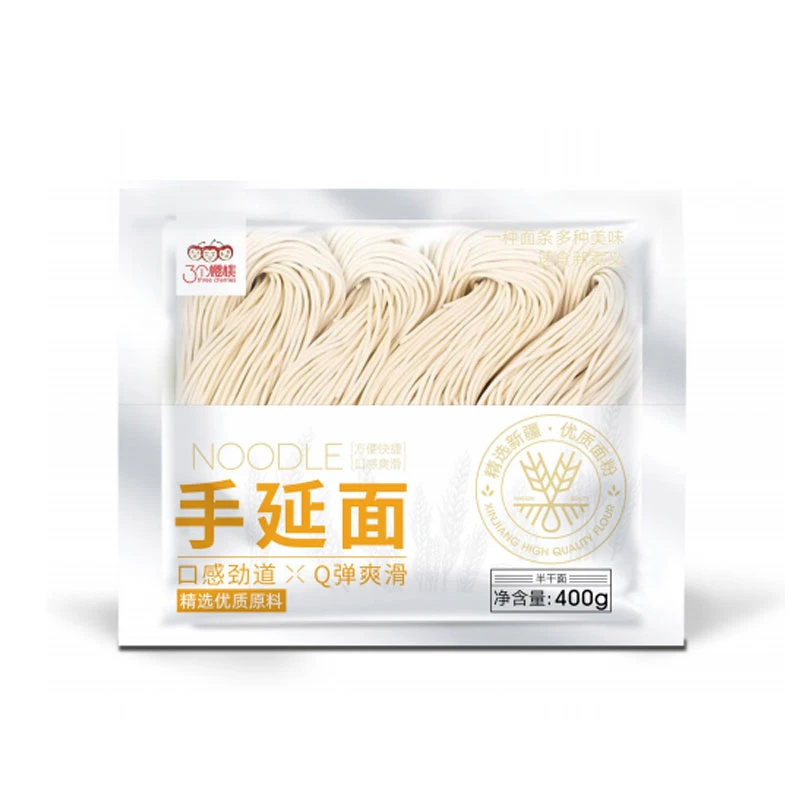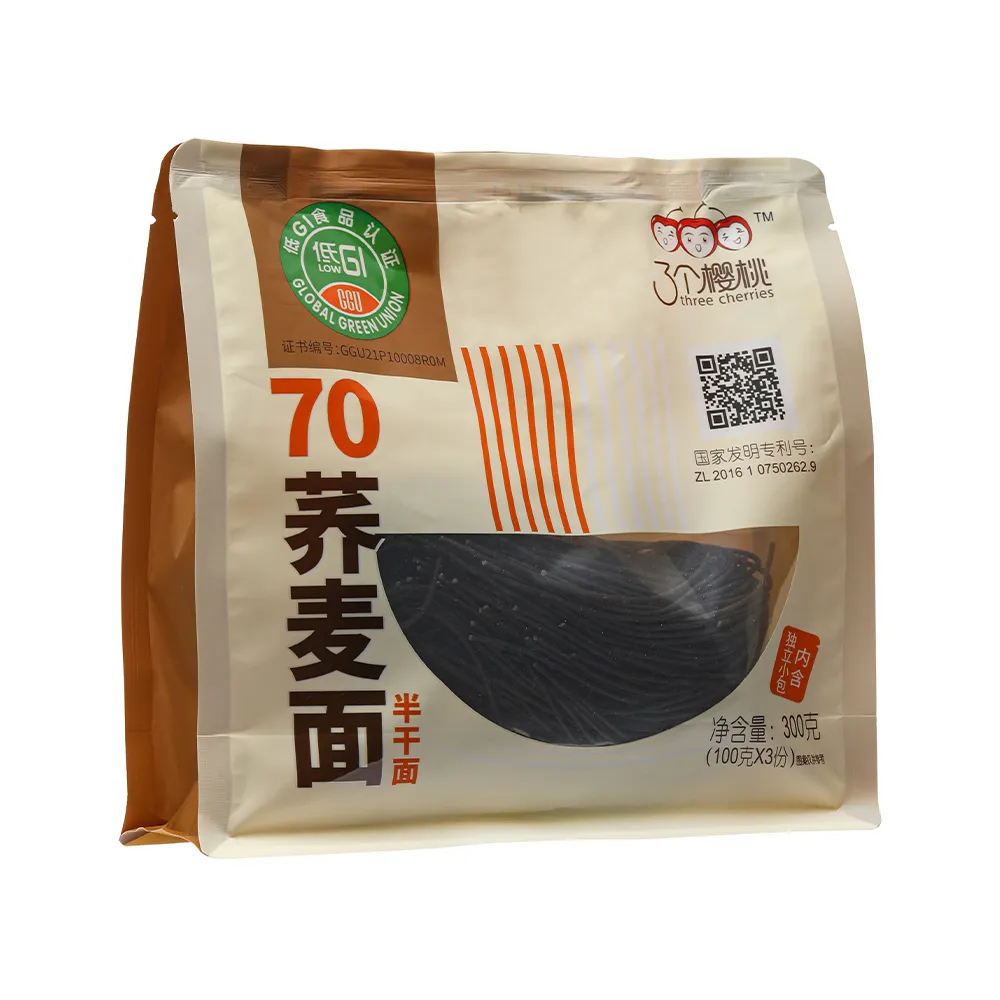

Are Noodles Bad for Diabetes? A Practical Look for Everyday Choices
Noodles and Diabetes: What’s the Real Story?
Having spent years dealing with industrial food ingredients—yes, mostly dry noodles and their cousins—I figured it was time to address something I get asked quite often: Are noodles bad for diabetes? It’s a fair question, especially given how much we love a steaming bowl of noodles with whatever sauce, broth, or toppings we can dream up.
Frankly, there’s no simple yes or no here. Noodles, as a product, are basically processed wheat or other grains shaped for easy cooking. And like any carb-heavy food, they impact blood sugar. But… (and this is important) not all noodles are created equal, nor eaten equally in the real world.
From an industry perspective, I’ve noticed a significant push recently towards crafting noodles with diabetic-friendly profiles. Think lower glycemic index, higher fiber, or blends incorporating alternative grains. These innovations allow people managing diabetes to enjoy noodles without the usual blood sugar spikes.
For example, somewhere between the refined white wheat noodles and whole grain variants, you find a range to pick from. Even the drying process and noodle thickness play roles in how quickly your body breaks down those carbs. Oddly enough, the humble noodle has come a long way since the days of simply “boil and eat.”
Understanding Noodle Types and Their Impact
So, what should you be looking out for on the label? I’d focus on fiber content, carbohydrate count, and whether the noodle’s ingredients include low-GI grains. A bit of protein and healthy fats alongside those noodles can also modulate the blood sugar response.
| Noodle Type | Carbs (g/100g) | Fiber (g/100g) | Approx. GI |
|---|---|---|---|
| Refined Wheat Noodles | 75 | 3 | 70–75 |
| Whole Wheat Noodles | 65 | 7 | 50–55 |
| Brown Rice Noodles | 75 | 3 | 45–60 |
| Legume-Based Noodles (e.g., chickpea) | 60 | 8 | 30–40 |
As you can see, the cause for concern doesn’t always fall on noodles themselves — it’s the carb load, fiber, and glycemic index that really matter. Many engineers and food scientists I know advocate labeling transparency to help everyone make smarter choices.
Choosing the Right Supplier: A Vendor Comparison
In the industrial equipment and food sectors, it pays to pick suppliers who understand not just production but the health implications of their products. Here’s a quick glance at how three noodle vendors measure up on diabetic-friendly features.
| Vendor | Diabetic Focused Range | Custom Formulations | Quality Testing | Sustainability Practices |
|---|---|---|---|---|
| JX Semi-Dry Noodles | Yes | High | Comprehensive | Ongoing improvements |
| ABC Noodle Works | Limited | Moderate | Standard | Basic |
| Global Grain Foods | Yes | Low | Comprehensive | Comprehensive |
In my experience, working closely with vendors who innovate and prioritize health-focused products makes a big difference. JX Semi-Dry Noodles, for instance, has impressed many clients I've met with their custom formulations that fit diabetic requirements without losing the noodle's essential appeal.
One client I remember switched to a diabetic-friendly variant from JX after some trial and error and noticed more stable glucose levels without giving up their cherished noodle lunches. It’s such a small tweak, but one that really makes a difference.
Final Thoughts
So, are noodles bad for diabetes? Not inherently. It’s more about the type of noodle, portion control, and overall meal context. I suppose it’s like any staple ingredient; moderation and quality matter. Plus, with manufacturers emphasizing diabetic-friendly products, even those with diabetes have more choices than ever.
Of course, always keep an eye on your body’s response and consult your healthcare provider. But personally, I find it encouraging that a beloved, convenient staple like noodles doesn't have to be off-limits.
– Joe T., Industrial Food Ingredient Specialist
References and Musings
- International Journal of Food Sciences and Nutrition, 2023: Glycemic Index Variations in Wheat Noodle Products
- Diabetes Care Journal, 2022: Impact of Legume-Based Noodles on Blood Sugar Control
- JX Semi-Dry Noodles: Product Innovation Brief, 2024
-
Discover the Authentic Taste of Korean Buckwheat NoodlesNewsApr.16,2026
-
Discover the Refreshing Taste of Authentic Korean Cold SobaNewsApr.09,2026
-
Discover the Refreshing Taste of Korean Cold Buckwheat Noodles NaengmyeonNewsApr.07,2026
-
Discover the Cool and Refreshing World of Korean Buckwheat Noodles ColdNewsApr.04,2026
-
Discover the Refreshing Taste of Japanese Cold Buckwheat Noodles and Zaru SobaNewsMar.31,2026
-
Exploring the Delicious World of Chinese Style Cold NoodlesNewsMar.28,2026
-
Discover the Cool and Refreshing World of Korean Cold Soba NoodlesNewsMar.26,2026
Browse qua the following product new the we