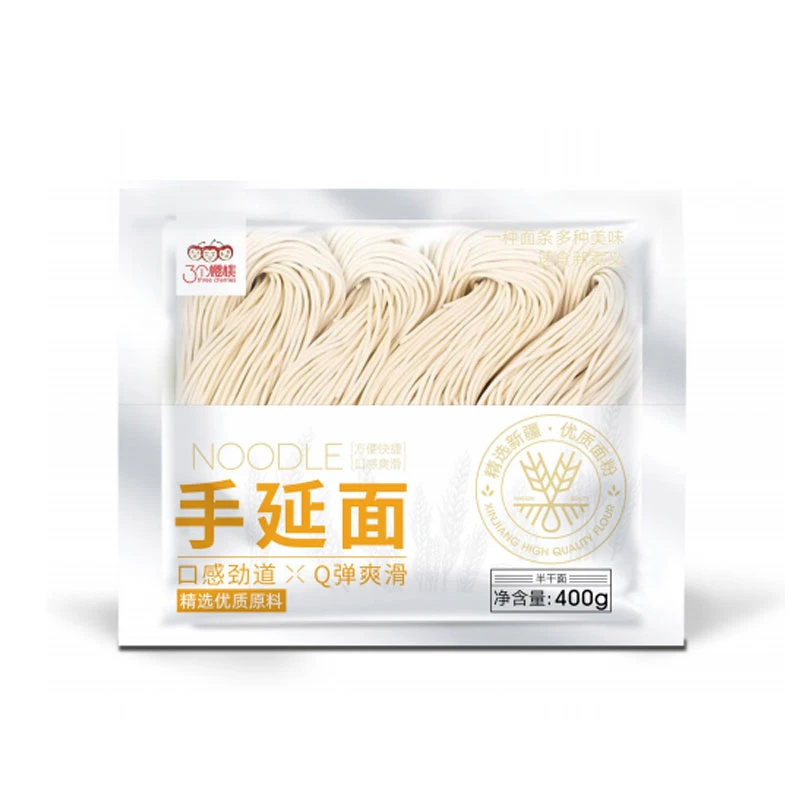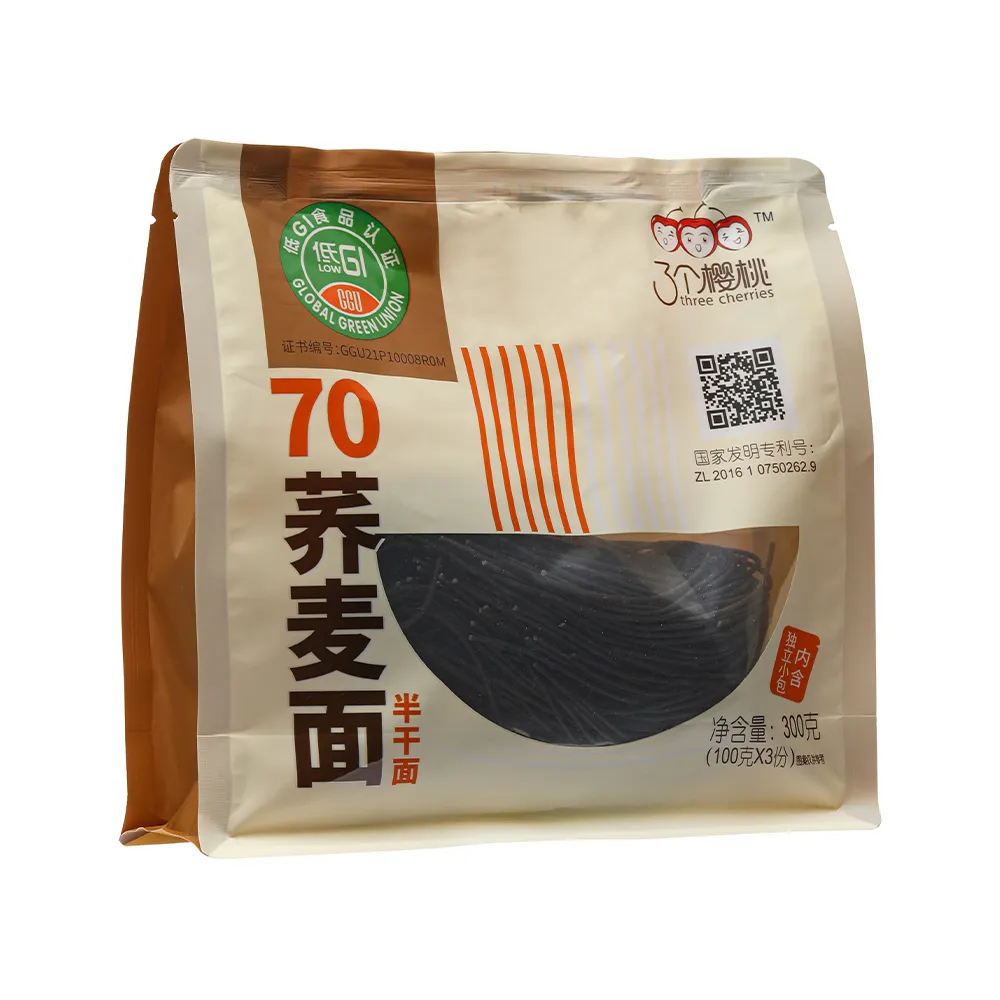

Instant Udon Production Insights - Industrial Equipment Specialist View
Instant Udon: A Quick Dive into Industrial Noodle Innovation
You know, after spending over a decade tucked away in various industrial equipment sectors, I've grown a somewhat weird appreciation for the humble instant udon. Yep, that thick, chewy noodle that's been remarkably reinvented by manufacturers who are really pushing boundaries. It’s not just about slapping some dried noodles in a cup and calling it a day – there’s an entire industrial story behind what seems like a simple convenience food.
Frankly, I wasn't always a noodle enthusiast. But working closely with clients in food production machinery and semi-dry noodle manufacturing opened my eyes to how serious the science and engineering are behind these products. The instant udon market, for instance, is seeing impressive growth thanks to advances in drying technology, ingredient quality, and packaging innovation.
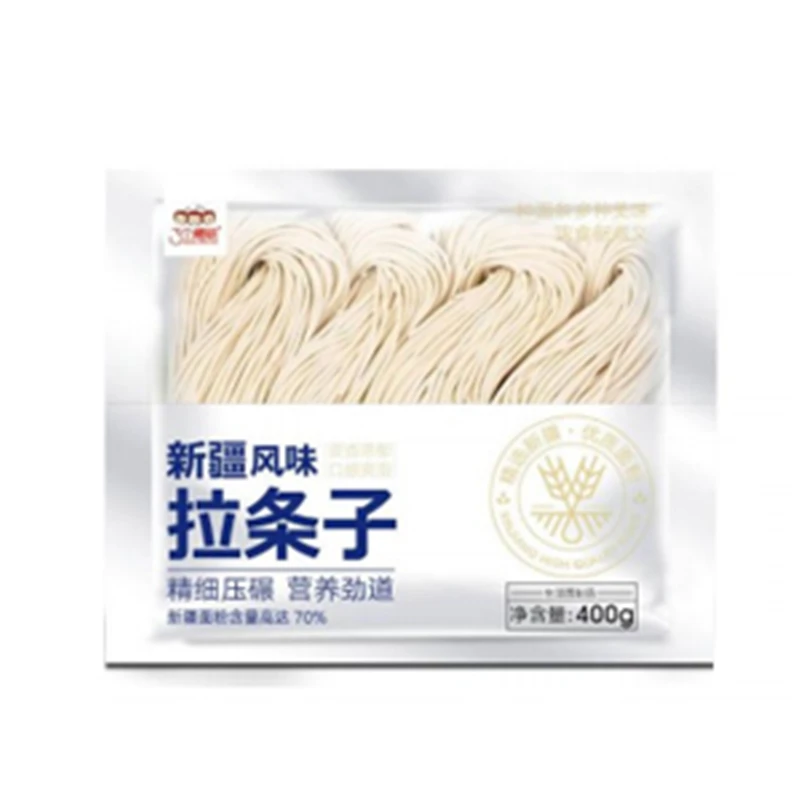
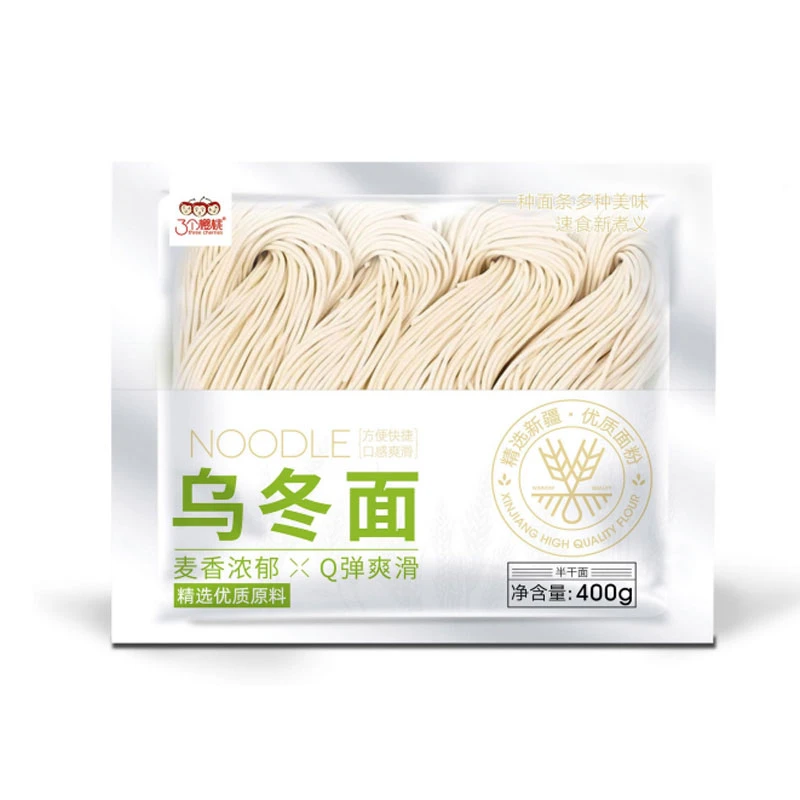
From my experience, these noodles tend to be crafted using a semi-dry process—kind of the sweet spot between fresh and fully dried noodles. This process preserves texture and reduces cooking time, which is crucial for consumer convenience. The dough formulations often include wheat flour with a careful balance of water, salt, and sometimes kansui (an alkaline agent), which imparts that elastic texture we all look for in udon.
One detail I found interesting is how testing protocols for instant udon equipment typically require both durability and precision to maintain consistent noodle thickness and moisture content. You’d be surprised how many batches have minor variations that affect the mouthfeel. Quality control here is no joke. Many engineers I’ve worked with swear by in-line moisture sensors and computerized tension controls on extruding machines to ensure the noodles hold their trademark chewiness.
| Specification | Detail |
|---|---|
| Noodle Type | Semi-dry udon (Chinese style) |
| Main Ingredients | Wheat flour, water, salt, kansui |
| Moisture Content | 18-22% |
| Cooking Time | 3-5 minutes (instant) |
| Packaging | Vacuum-sealed, microwave-safe pouch |
| Shelf Life | 6-8 months |
Now, I suppose what really sets instant udon apart in the food equipment industry is the customization aspect. Vendors often equip their production lines to tweak noodle thickness, drying times, and even salt content depending on regional preferences. It’s kind of like how car manufacturers customize models for different markets — except, in this case, it's noodle texture and flavor. One customer story I recall involves a factory in Osaka that shifted instant udon specifications slightly to achieve a softer bite favored by younger audiences while keeping a classic option as well.
To help put things into perspective, here’s a quick vendor comparison based on my experience interfacing with them over the years. It's not exhaustive, but it reflects the main players known for instant udon lines:
| Vendor | Customization Capabilities | Price Range (Equipment) | After-Sales Support | Lead Time |
|---|---|---|---|---|
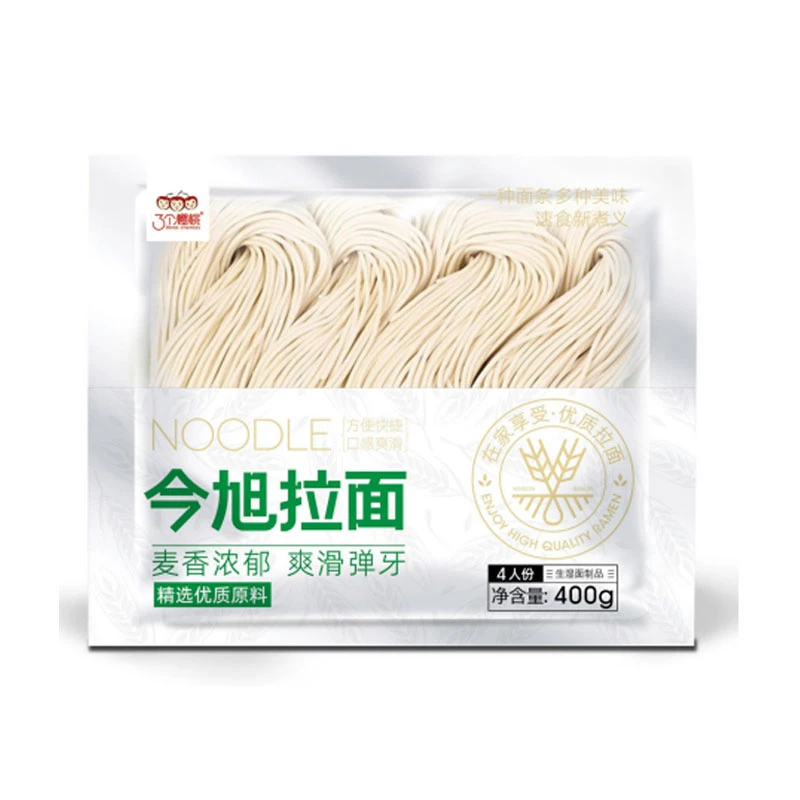
| JX Semi-Dry Noodles | High — thickness, drying, salt | $$$ | Excellent, global | 4-6 weeks |
| NoodleTech Systems | Medium — basic thickness and drying | $$ | Good, regional | 6-8 weeks |
| Zennoodles Equipment | Low — standardized models | $ | Limited, local | 2-4 weeks |
Oh, and I should mention the environmental angle — oddly enough, many instant udon producers are now incorporating recyclable packaging and leaner drying processes to reduce energy consumption. It’s not just about making it fast or tasty; sustainability plays into a growing number of production decisions. I've seen considerable improvements when switching from full drying to semi-dry techniques, cutting energy use by roughly 20 percent according to some recent reports. That matters.
In real terms, if you’re in the industrial equipment sphere or the food production field, considering instant udon isn’t just about convenience foods crowding the supermarket shelf. It’s a fascinating intersection of engineering precision, culinary art, and market adaptation. Next time you grab a bowl, maybe you’ll think a bit about all the tech and expertise behind that quick, comforting meal.
Simply put: instant udon makes a compelling case for how tradition can meet industrial innovation without losing soul.
References:
- Industrial Semi-Dry Noodle Equipment Overview, JX Semidry Noodles, 2023.
- Food Technology Advances in Instant Noodles, FoodTech Journal, vol. 27, 2022.
- Environmental Impacts of Noodle Drying Processes, GreenFood Reports, 2024.
-
Discover the Authentic Taste of Korean Buckwheat NoodlesNewsApr.16,2026
-
Discover the Refreshing Taste of Authentic Korean Cold SobaNewsApr.09,2026
-
Discover the Refreshing Taste of Korean Cold Buckwheat Noodles NaengmyeonNewsApr.07,2026
-
Discover the Cool and Refreshing World of Korean Buckwheat Noodles ColdNewsApr.04,2026
-
Discover the Refreshing Taste of Japanese Cold Buckwheat Noodles and Zaru SobaNewsMar.31,2026
-
Exploring the Delicious World of Chinese Style Cold NoodlesNewsMar.28,2026
-
Discover the Cool and Refreshing World of Korean Cold Soba NoodlesNewsMar.26,2026
Browse qua the following product new the we