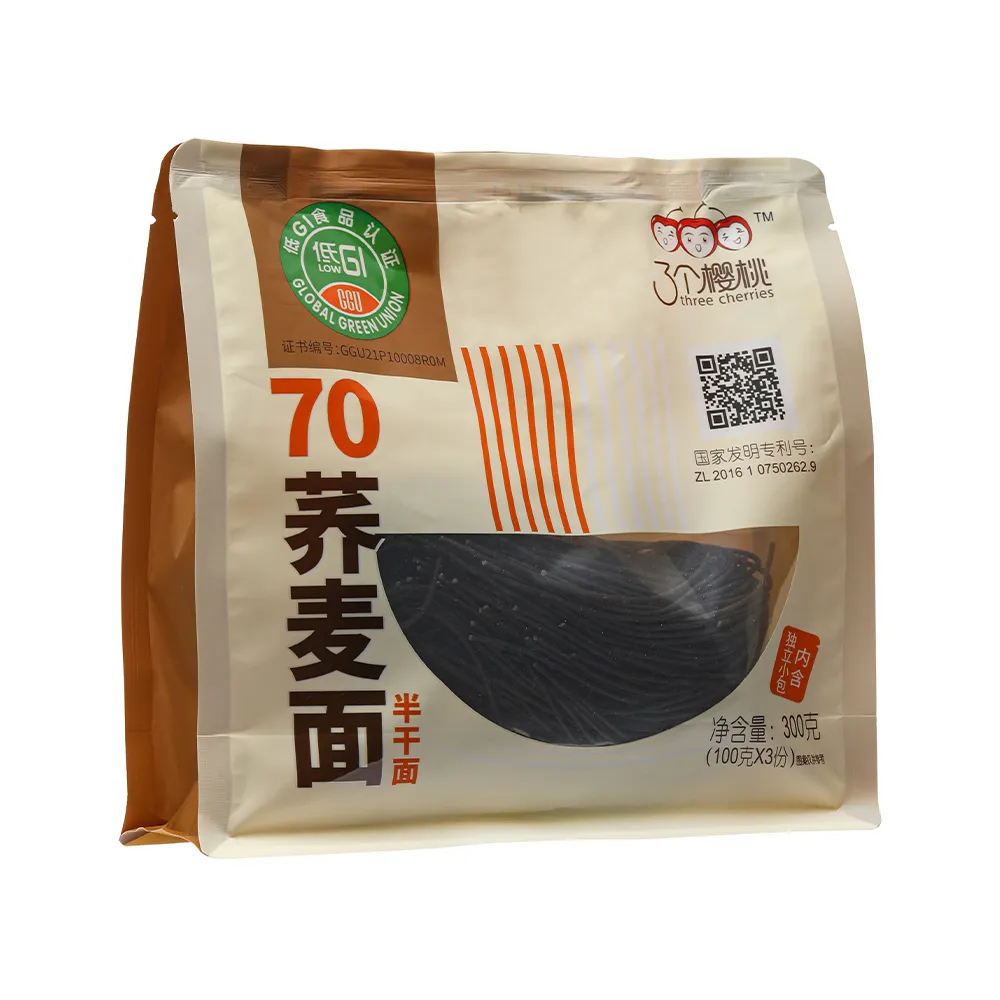

Buckwheat Noodles Vegan – Sustainable, Nutritious & Delicious Plant-Based Pasta
Understanding Buckwheat Noodles Vegan: More Than Just a Meal
Ever stumbled upon buckwheat noodles vegan at a market or restaurant and wondered why they’re gaining such traction? Well, it’s not just a trendy health fad—it’s tied closely to global shifts in food sustainability, nutrition, and culinary culture. Buckwheat noodles, especially vegan ones, represent a fascinating intersection of tradition and modern demand for plant-based options. As sustainable eating becomes more than just a buzzword—endorsed by organizations like FAO and UNESCO—understanding these noodles helps us grasp part of that worldwide movement toward better food systems.
Mini takeaway: Buckwheat noodles vegan aren’t just a dietary choice; they’re a glimpse into how food trends align with global sustainability and wellness efforts.
Global Context: Why Buckwheat Noodles Vegan Matter Today
Globally, the demand for vegan-friendly, nutrient-dense foods is skyrocketing. According to the UN Food and Agriculture Organization, plant-based diets can reduce the environmental footprint of food production drastically. Buckwheat, a pseudo-cereal cultivated mainly in Asia and Eastern Europe, shines with a relatively low water footprint and high nutritional value. Vegan buckwheat noodles tap into this by offering gluten-free, protein-rich alternatives without reliance on animal agriculture.
But here’s a challenge: many regions with high buckwheat potential aren’t fully capitalizing on its culinary or economic benefits. Packaging, processing, and marketing innovations are needed to make these noodles more accessible. With climate change pushing us toward resilient crops and sustainable food, buckwheat noodles vegan might just be the answer for a healthier, lower-impact diet.
Mini takeaway: Buckwheat noodles vegan represent a practical solution against climate pressures and rising veganism worldwide.
What Exactly Are Buckwheat Noodles Vegan?
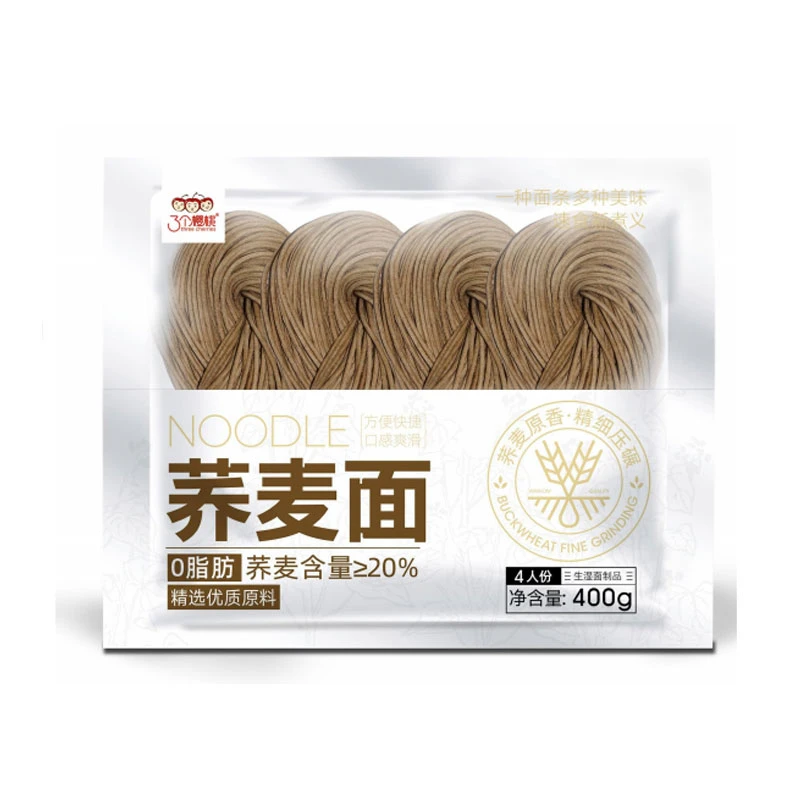
At its core, buckwheat noodles vegan are noodles primarily made from buckwheat flour—without any animal-derived ingredients like eggs or dairy. Originating in Asian cuisines, particularly Japanese soba and Korean naengmyeon, these noodles are prized for their nutty flavor and dense nutrients. The vegan version appeals not just to vegans but also to those with gluten intolerance, since buckwheat is technically gluten-free.
In the modern food industry, these noodles satisfy dietary guidelines that prioritize plant-based proteins, low glycemic index foods, and culturally diverse options. Plus, they support humanitarian needs by enabling food aid programs in regions where agriculture must be sustainable and locally sourced.
Mini takeaway: Buckwheat noodles vegan combine traditional recipes with modern dietary demands for gluten-free, plant-based nutrition.
Key Components That Set Buckwheat Noodles Apart
1. Nutritional Richness
Unlike many refined pasta options, buckwheat noodles pack a punch with fiber, essential amino acids like lysine, antioxidants, and minerals such as manganese and magnesium. This makes them great for vegan diets that sometimes lack complete amino acid profiles.
2. Gluten-Free Profile
Though not a wheat, buckwheat offers a naturally gluten-free base, making these noodles a safer choice for those with celiac disease or gluten sensitivities.
3. Sustainable Crop Attributes
Buckwheat grows fast, requires less fertilizer, and grows well on poor soils—helping farmers maintain yields even under tougher conditions.
4. Versatility in Cooking
From comforting hot soups to refreshing chilled noodle salads, vegan buckwheat noodles adapt well across cooking styles and cuisines.
5. Vegan Integrity
No eggs or dairy means these noodles cater fully to ethical eating patterns without compromise on taste or texture.
Mini takeaway: Nutritional, eco-friendly, flexible, and vegan—buckwheat noodles tick many boxes for modern consumers.
| Property | Value/Range | Remarks |
|---|---|---|
| Main Ingredient | Buckwheat flour (60-100%) | Some blends include rice or tapioca starch |
| Protein Content | 9-13% | Higher than many wheat pastas |
| Gluten | None (naturally gluten-free) | Safe for gluten intolerant |
| Fiber | 5-8% | Good for digestion |
| Shelf Life | 6-12 months (dry) | Depends on packaging and storage |
Where Buckwheat Noodles Vegan Are Making a Difference Globally
Buckwheat noodles vegan are an interesting success story in diverse regions:
- East Asia: Japan and South Korea have long embraced these noodles in traditional dishes; now vegan variants expand market appeal.
- Europe: Countries like Russia and Poland use buckwheat as a staple, increasingly promoting vegan options to attract younger, health-conscious consumers.
- North America: Vegan and gluten-free waves push buckwheat noodle sales in both mainstream supermarkets and specialty stores.
- Humanitarian contexts: Some food aid organizations use shelf-stable buckwheat noodles to provide plant-based nutrition in emergency food packs.
Oddly enough, these noodles also carve a niche in upscale restaurants experimenting with fusion cuisine, proving vegan dishes don’t have to be boring or limiting.
Mini takeaway: Their adaptability helps buckwheat noodles vegan thrive in traditional, modern, and emergency food settings worldwide.
Advantages and Lasting Benefits of Choosing Buckwheat Noodles Vegan
Choosing buckwheat noodles vegan isn’t just about dietary preference — it’s tied into sustainability, health, and cultural respect. For starters:
- Eco-friendliness: Buckwheat crops have low irrigation needs and help suppress weeds naturally, reducing pesticide use.
- Health impact: High in antioxidants like rutin, these noodles may offer heart health benefits, alongside their excellent nutrient content.
- Social impact: Providing vegan plant-based options respects ethics and expands dietary inclusivity, empowering consumers with choice.
- Reliability: Long shelf life and simple preparation make these noodles a staple for busy households, professional kitchens, and aid agencies.
People often say food connects us—to culture, nature, and even future generations. Buckwheat noodles vegan embody that connection, balancing tradition and innovation.
What’s on the Horizon? Trends & Innovations in Buckwheat Noodle Production
Innovation is bubbling in this space:
- Green processing technologies: Cold extrusion and steam-cooking methods reduce energy use and preserve nutrients.
- Hybrid flours: Experimenting with lentil or chickpea flours for even richer protein content without compromising taste.
- Smart packaging: Biodegradable wraps embedded with freshness indicators to minimize waste.
- Localized production: Encouraging small-scale buckwheat noodle factories in rural areas using solar drying to enhance local economies sustainably.
Frankly, these advancements could redefine how we perceive plant-based noodles in the next decade.
Challenges Ahead and Practical Solutions
However, challenges remain:
- Texture and flavor consistency: Vegan buckwheat noodles sometimes face criticism for being brittle or bitter. Improving recipes and milling quality can help.
- Supply chain limitations: Buckwheat cultivation faces competition with major grains; increased awareness and subsidies can push production.
- Consumer awareness: Despite rising veganism, many still aren’t familiar with buckwheat noodles as a staple food, requiring targeted education and marketing.
Solutions come from cross-sector collaborations — between farmers, manufacturers, researchers, and marketers — all committed to creating better, tastier, and more affordable buckwheat noodles vegan.
FAQ: Your Common Questions About Buckwheat Noodles Vegan
- Are buckwheat noodles vegan by default?
- Not always. Traditional noodles often include eggs, so it’s crucial to check the label or source vegan-certified products specifically made without animal ingredients.
- How do I cook buckwheat noodles vegan without them breaking apart?
- Use plenty of boiling water and stir gently but frequently. Avoid overcooking (usually 4-6 minutes max), then rinse with cold water to stop cooking and improve texture.
- Can buckwheat noodles vegan be stored for long periods?
- Dry buckwheat noodles typically last 6-12 months if kept sealed, cool, and dry. Fresh or refrigerated versions have shorter shelf lives and require prompt use.
- Do buckwheat noodles vegan contain allergens?
- Buckwheat itself is gluten-free and generally safe, but if blended with other flours (wheat, soy), watch for allergens. Cross-contamination can occur, so check product certifications.
- Are buckwheat noodles a complete protein?
- They’re high in essential amino acids but may lack some like methionine; pairing with legumes or vegetables completes the protein profile in meals.
Conclusion: Why Buckwheat Noodles Vegan Deserve a Spot in Your Pantry
The rise of buckwheat noodles vegan speaks to more than taste — it touches on sustainability, health, tradition, and innovation all rolled into one humble noodle strand. As global food systems shift, these noodles offer accessible nutritional value and ecological sense. If you’re looking to diversify your diet with conscientious choices, they’re worth a try.
Want to explore the best vegan buckwheat noodles, recipes, or even wholesale options? Visit our website and join the movement toward plant-based, climate-friendly eating.
Here’s to delicious, responsible, and sustainable meals ahead.
References
- United Nations Food and Agriculture Organization (FAO)
- Wikipedia: Buckwheat
- ISO Standards on Gluten-Free Foods
| Vendor | Product Range | Sustainability Practices | Price Range (per kg) | Geographical Availability |
|---|---|---|---|---|
| JX Semi-Dry Noodles | Pure buckwheat, blends, flavored vegan options | Solar-powered manufacturing, biodegradable packaging | $5.50 - $7.00 | Asia, North America, Europe |
| Green Grain Foods | Buckwheat-rice noodles, organic-certified | Organic farming partnerships, carbon offset | $6.00 - $7.50 | Europe, North America |
| EcoNoodle Co. | Vegan buckwheat blends, gluten-free packed | Zero-waste processing, eco-certified packaging | $6.20 - $8.00 | Worldwide |
-
Discover the Authentic Taste of Korean Buckwheat NoodlesNewsApr.16,2026
-
Discover the Refreshing Taste of Authentic Korean Cold SobaNewsApr.09,2026
-
Discover the Refreshing Taste of Korean Cold Buckwheat Noodles NaengmyeonNewsApr.07,2026
-
Discover the Cool and Refreshing World of Korean Buckwheat Noodles ColdNewsApr.04,2026
-
Discover the Refreshing Taste of Japanese Cold Buckwheat Noodles and Zaru SobaNewsMar.31,2026
-
Exploring the Delicious World of Chinese Style Cold NoodlesNewsMar.28,2026
-
Discover the Cool and Refreshing World of Korean Cold Soba NoodlesNewsMar.26,2026
Browse qua the following product new the we