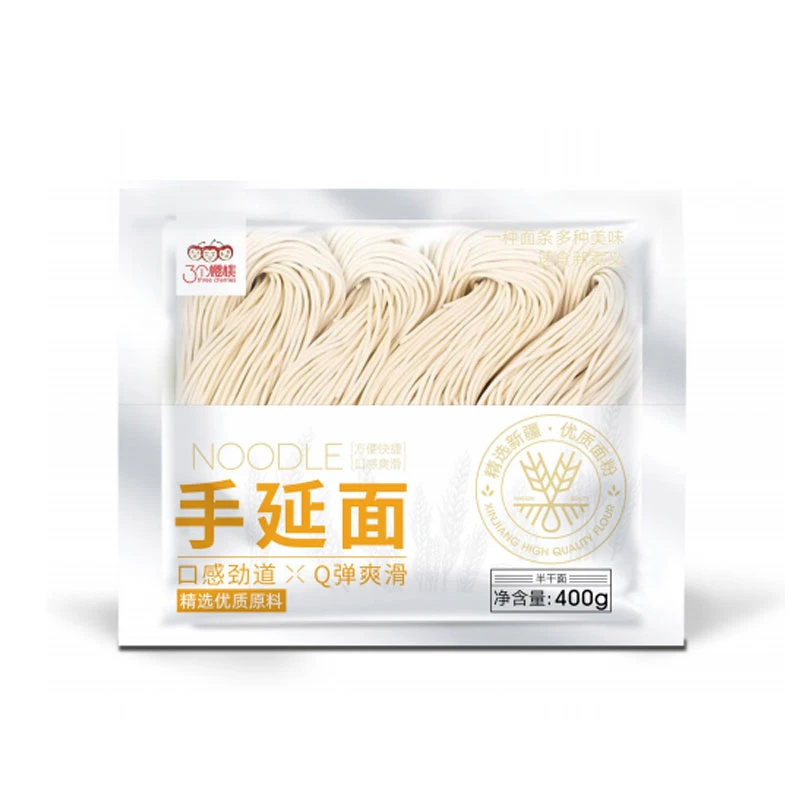

Buy Durable Semi-Dry Udon Noodles Bulk – JXSE Middry Noodles
Udon Noodles is a key solution in the industry, specifically within the food manufacturing and restaurant supply sectors. This article explores how https://www.jxsemidrynoodles.com supports professionals with durable, high-performance products, and explains why this product is an ideal choice for businesses in these sectors.
Table of Contents
- Udon Noodles Overview
- Benefits & Use Cases of Udon Noodles
- Cost, Maintenance & User Experience
- Sustainability & Market Trends
Udon Noodles Overview
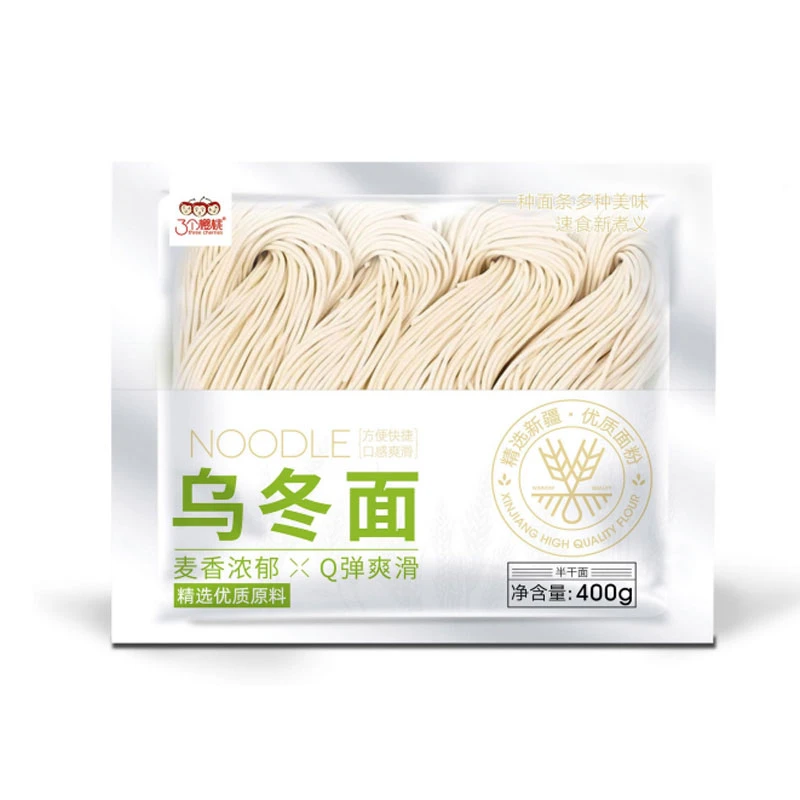
At first glance, Udon Noodles may seem like just another type of noodle, but for many B2B decision makers in food production and hospitality, they’re much more. These are thick, chewy wheat noodles, popular in Japanese cuisine, but their appeal stretches well beyond traditional uses. The secret sauce? Their versatility as a semi-dry product that marries shelf stability with easy preparation — a real blessing when it comes to scaling food supply chains.
Technically speaking, these noodles are produced with specially processed wheat flour and water, kneaded thoroughly and rolled thicker than other varieties like ramen or soba. What’s nice here is the semi-dry formulation that balances moisture content around 30-35%, ensuring durability without sacrificing texture once cooked. A notable case study from a leading Japanese fast-casual chain showed a 25% reduction in prep time and storage losses after switching exclusively to these semi-dry udon varieties.
| Specification | Details |
|---|---|
| Noodle Type | Semi-Dry Udon |
| Thickness | 4–5 mm |
| Moisture Content | 30-35% |
| Shelf Life | 6 months (refrigerated) |
| Packaging | Vacuum-sealed packs (1kg, 5kg options) |
Benefits & Use Cases of Udon Noodles
In practical terms, businesses appreciate Udon Noodles for their consistent quality and multifunctionality. For large-scale foodservice providers, these noodles offer a dependable base for soups, stir-fries, and cold dishes, minimizing waste and variability. Frankly, that kind of flexibility in a thick wheat noodle is not so common.
Moreover, the semi-dry nature means less refrigeration dependency than fresh noodles, which can ease logistical costs immensely. Compared to dried noodles, you get a fresher mouthfeel without the fragility. Competitive advantages include the noodles’ ability to hold sauces well, maintain integrity under prolonged cooking, and a texture profile that many chefs find superior in a fast-paced environment.
| Feature | Udon Noodles | Traditional Dried Noodles | Fresh Noodles |
|---|---|---|---|
| Shelf Life | 6 months refrigerated | 12 months dry storage | 3-5 days refrigerated |
| Texture Quality | Chewy & firm | Firm but brittle | Soft & delicate |
| Preparation Time | 3-5 mins | 7-10 mins | 1-3 mins |
Cost, Maintenance & User Experience
When it comes to total cost of ownership, Udon Noodles stand out by reducing waste and streamlining kitchen workflows. While the per-kilogram price might not always beat dried noodles, the reduced breakage and simplified handling can swing the ROI noticeably in a business's favor. Many operators find that the lowered refrigeration needs save on energy costs, offsetting a slight premium on purchase.
Speaking to users — chefs and line managers alike — the feedback is often about texture consistency and convenience. This is especially critical in high-volume kitchens where a dependable noodle cuts down on service delays. One mid-sized restaurant group shared that moving to JXS semi-dry udon reduced customer complaints related to noodle mushiness by over 40%. So yeah, from a user-experience perspective, it’s worth considering carefully.
Sustainability & Market Trends
Sustainability increasingly guides procurement decisions, and oddly enough, udon noodles aren’t exempt. The semi-dry process implies less energy use than freeze-drying or extensive packaging, and JXS sources wheat from certified sustainable farms, aiming to reduce water and chemical inputs. Regulations in key markets push for transparency and environmental impact reporting — areas where vendors like JXS are ahead by offering detailed sourcing data.
Market trends reveal growing demand for convenient, ready-to-cook, and plant-based food options, with udon noodles fitting into this niche nicely. In fact, the global noodle market is projected to grow between 3-5% annually over the next few years, primarily driven by Asia-Pacific but with rising interest in Europe and North America. So, investing in a supplier with innovation and sustainability credentials could pay off long-term.
Frequently Asked Questions about Udon Noodles
- What is Udon Noodles and how does it work?
- Udon noodles are thick wheat noodles, traditionally used in Japanese cooking. The semi-dry type retains some moisture, which allows easier storage and shorter cooking times compared to dried noodles, making them ideal for industrial food use.
- What are the main benefits of using Udon Noodles in industrial applications?
- Key benefits include consistent texture, extended shelf life with refrigerated storage, and reduced preparation time—helping businesses improve kitchen efficiency and reduce waste.
- How does Udon Noodles compare to traditional alternatives?
- Unlike dried noodles, udon is less brittle and cooks faster. Compared to fresh noodles, they have a longer shelf life and require less cold storage, which can ease supply chain complexities.
- What industries can benefit most from Udon Noodles implementation?
- Food service, restaurant chains, catering, and packaged meal producers find udon noodles especially valuable because of their easy handling, texture, and adaptability to diverse recipes.
Conclusion on Udon Noodles from china
To wrap up, Udon Noodles bring a compelling combination of quality, convenience, and sustainability that few noodle products can match — which truly matters in B2B supply chains. Whether you’re looking to optimize prep times, reduce food waste, or meet growing sustainability criteria, these noodles stand out. Curious? Visit our website: https://www.jxsemidrynoodles.com and see how they might fit into your operation.
Oddly enough, sometimes the simplest ingredient can become a cornerstone for smarter business decisions.
- Industry Report: Global Noodle Market Outlook, 2023–2028.
- Case Study: Operational Efficiency Improvements with Semi-Dry Udon Noodles, Japan Food Service Group, 2022.
- Sustainability in Food Production: Best Practices 2024, Sustainable Agriculture Network.
-
Discover the Authentic Taste of Korean Buckwheat NoodlesNewsApr.16,2026
-
Discover the Refreshing Taste of Authentic Korean Cold SobaNewsApr.09,2026
-
Discover the Refreshing Taste of Korean Cold Buckwheat Noodles NaengmyeonNewsApr.07,2026
-
Discover the Cool and Refreshing World of Korean Buckwheat Noodles ColdNewsApr.04,2026
-
Discover the Refreshing Taste of Japanese Cold Buckwheat Noodles and Zaru SobaNewsMar.31,2026
-
Exploring the Delicious World of Chinese Style Cold NoodlesNewsMar.28,2026
-
Discover the Cool and Refreshing World of Korean Cold Soba NoodlesNewsMar.26,2026
Browse qua the following product new the we