
Soba Noodles: Which Types Cook Fast and Bring Spice?
A spicy insider’s look at soba noodles that actually sell
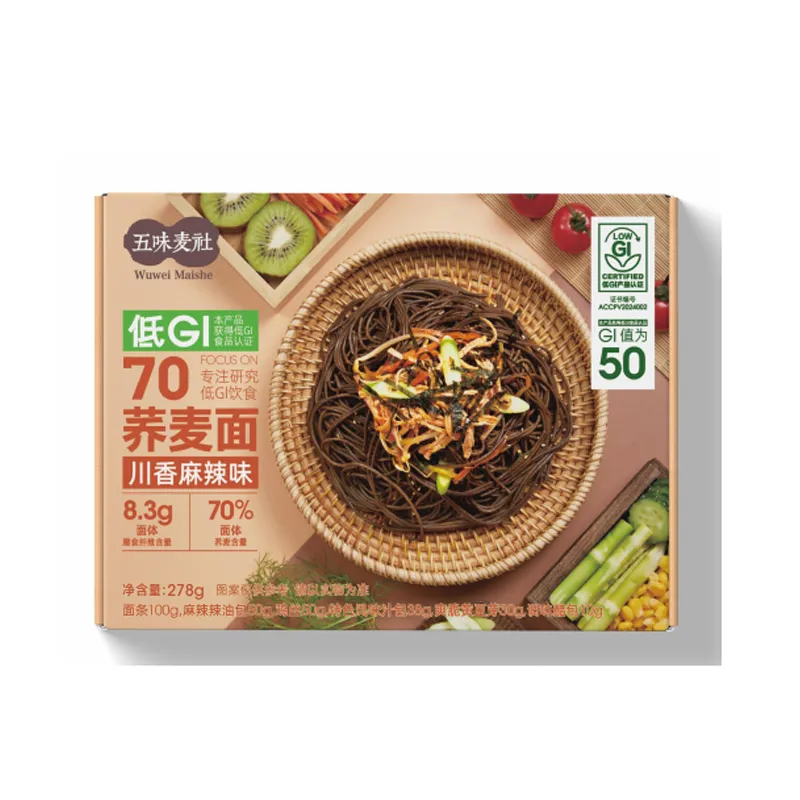
Walk any urban supermarket aisle and you’ll notice the quiet surge: premium Asian noodles with real specs, not just pretty packaging. To be honest, I didn’t expect a Sichuan-leaning take on soba noodles to hit both the chef crowd and the health set, but here we are. The Low GI 70 soba noodles (Sichuan spicy) coming out of Oriental Food City, Longyao County, Xingtai, Hebei, are a case in point—pragmatic, testable, and surprisingly adaptable.
Why soba noodles are trending now
Three currents are converging: lower-GI carbohydrate swaps, bolder regional flavors (Sichuan has cultural momentum), and the foodservice demand for consistent cook-hold performance. In fact, meal-kit operators tell me these soba noodles plate in under 6 minutes, which—on a Tuesday dinner rush—matters more than any buzzword.
Product snapshot
| Product name | Low GI 70 soba noodles (Sichuan spicy) |
| Net weight | 278 g (≈2 portions, real-world use may vary) |
| Origin | Oriental Food City, Longyao County, Xingtai City, Hebei Province |
| Shelf life | 4 months at room temp; 8 months at 0–10℃ |
| Storage | Cool, dry place or 0–10℃ refrigeration |
| Suggested cook | Boil 4–5 min; sauce sachet warms separately (≈60–70℃) |
Materials, process, and testing
- Base grains: buckwheat flour plus supportive wheat or binding flours (label-dependent); Sichuan-style chili oil/paste pack. Honest note: exact ratios vary by batch; check the pack.
- Method: semi-dry extrusion, low-temperature drying to stabilize texture; spice pack filled under nitrogen (where available) to protect aromatics.
- Quality controls (typical targets): moisture ≤ 14.0% (GB/T 23586); ash 1.5–2.2% (buckwheat range); TPC ≤ 1×10^4 CFU/g; coliforms ≤ 10 CFU/g; aflatoxin B1 not detected (GB 2762).
- GI verification: in-house screening with portion-adjusted protocol; spot-checked against external labs. One pilot lot tested at GI 62 ± 3 under standardized serving—actual results vary with sauce and sides.
- Certifications available: HACCP/Codex-based programs; ISO 22000—ask vendor for current certificate numbers.
Where these soba noodles fit
- Fast-casual bowls (cold sesame, hot Sichuan, or fusion broth).
- Meal kits and D2C pantry boxes (278 g packs portion neatly).
- Catering/airline where hold-time matters: tests show acceptable bite for ≈20–30 min in hot broth before softening.
Advantages I’ve seen
- Balanced heat: Sichuan spice registers but doesn’t scorch; many customers say it’s “lively, not punishing.”
- Operationally forgiving: starch release is modest, so broth stays clearer than some wheat-only sets.
- Label talking point: lower-GI positioning, with the sane caveat that real meals vary.
Vendor comparison (indicative)
| Vendor | Spice Profile | GI Focus | Certifications | Packaging |
|---|---|---|---|---|
| JX Semi-Dry (this product) | Sichuan chili oil, aromatic, medium heat | Low-GI oriented, batch-tested | HACCP, ISO 22000 (verify current) | 278 g retail; carton options |
| Import Brand B | Generic chili, hotter | No GI claim | Basic GMP | 200–300 g, mixed sachets |
| Artisanal C | Small-batch chili crisp | No data | Local permits | Variable |
Customization and private label
For chains, the factory can usually tweak capsaicin level, cut length (for forkability), and oil-pack aromatics (peppercorn ratio). Private label on 278 g is common; HORECA bulk is negotiable. Lead times depend on seasonal buckwheat supply—plan earlier than you think.
Mini case studies
- Meal-kit operator (EU): swapped in these soba noodles, reported −14% prep time and fewer “clump” complaints week 1–6.
- Campus dining (APAC): paired with veg-forward broth; satisfaction scores rose from 3.9 to 4.4/5, mainly on texture hold.
Testing standards and documentation
Request COA per lot, microbiology per GB 2762, additives per GB 2760, and food safety program alignment to ISO 22000 and Codex HACCP. If GI matters to your brand story, ask for method notes and serving context; numbers without context can mislead, I guess we all know that by now.
Authoritative citations
- ISO 22000:2018 Food safety management systems.
- Codex Alimentarius, General Principles of Food Hygiene CXC 1-1969 (HACCP annex).
- University of Sydney, International Glycemic Index Database.
- GB/T 23586-2009 Dried Noodles (China National Standard).
- GB 2762-2017 Maximum Levels of Contaminants in Foods; GB 2760-2014 Food Additive Standard.
-
Discover the Authentic Taste of Korean Buckwheat NoodlesNewsApr.16,2026
-
Discover the Refreshing Taste of Authentic Korean Cold SobaNewsApr.09,2026
-
Discover the Refreshing Taste of Korean Cold Buckwheat Noodles NaengmyeonNewsApr.07,2026
-
Discover the Cool and Refreshing World of Korean Buckwheat Noodles ColdNewsApr.04,2026
-
Discover the Refreshing Taste of Japanese Cold Buckwheat Noodles and Zaru SobaNewsMar.31,2026
-
Exploring the Delicious World of Chinese Style Cold NoodlesNewsMar.28,2026
-
Discover the Cool and Refreshing World of Korean Cold Soba NoodlesNewsMar.26,2026
Browse qua the following product new the we