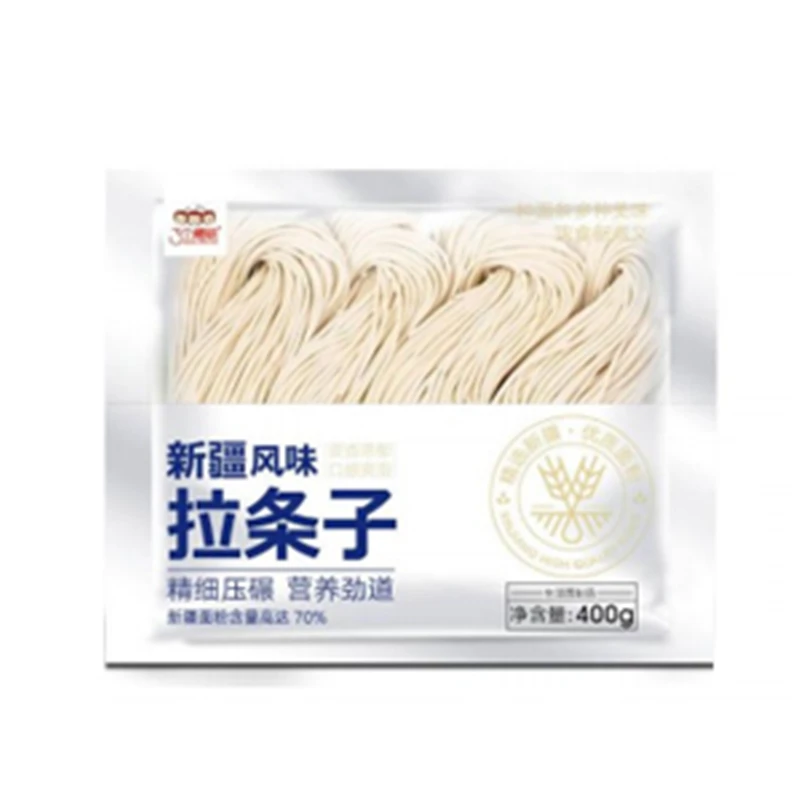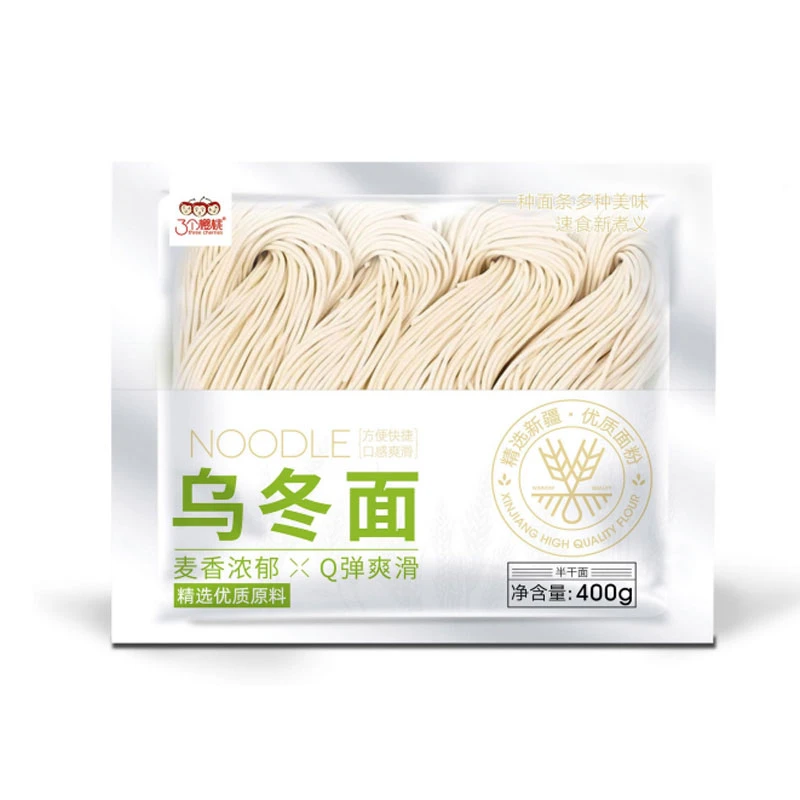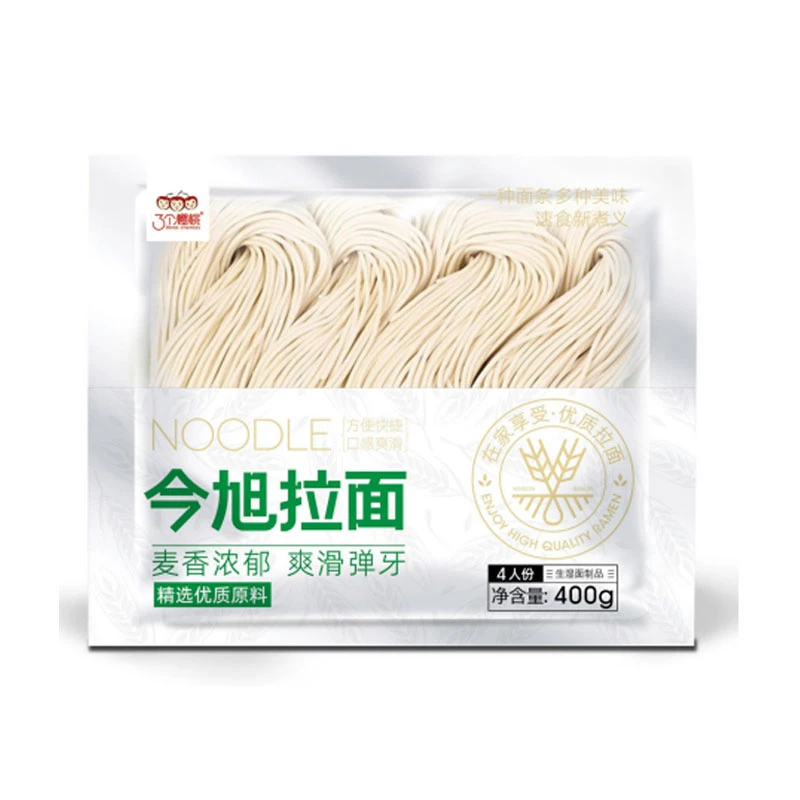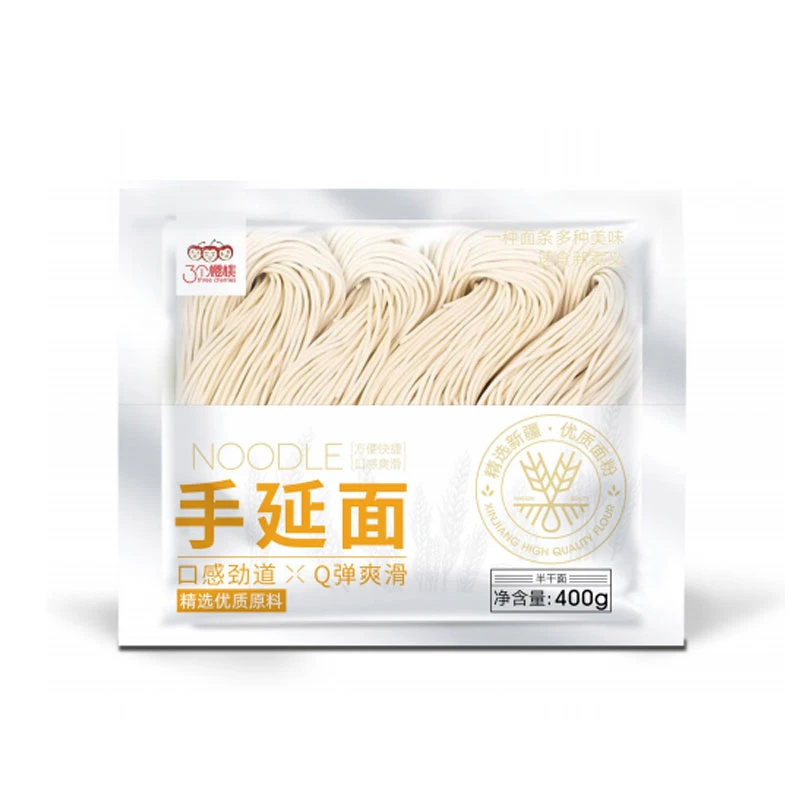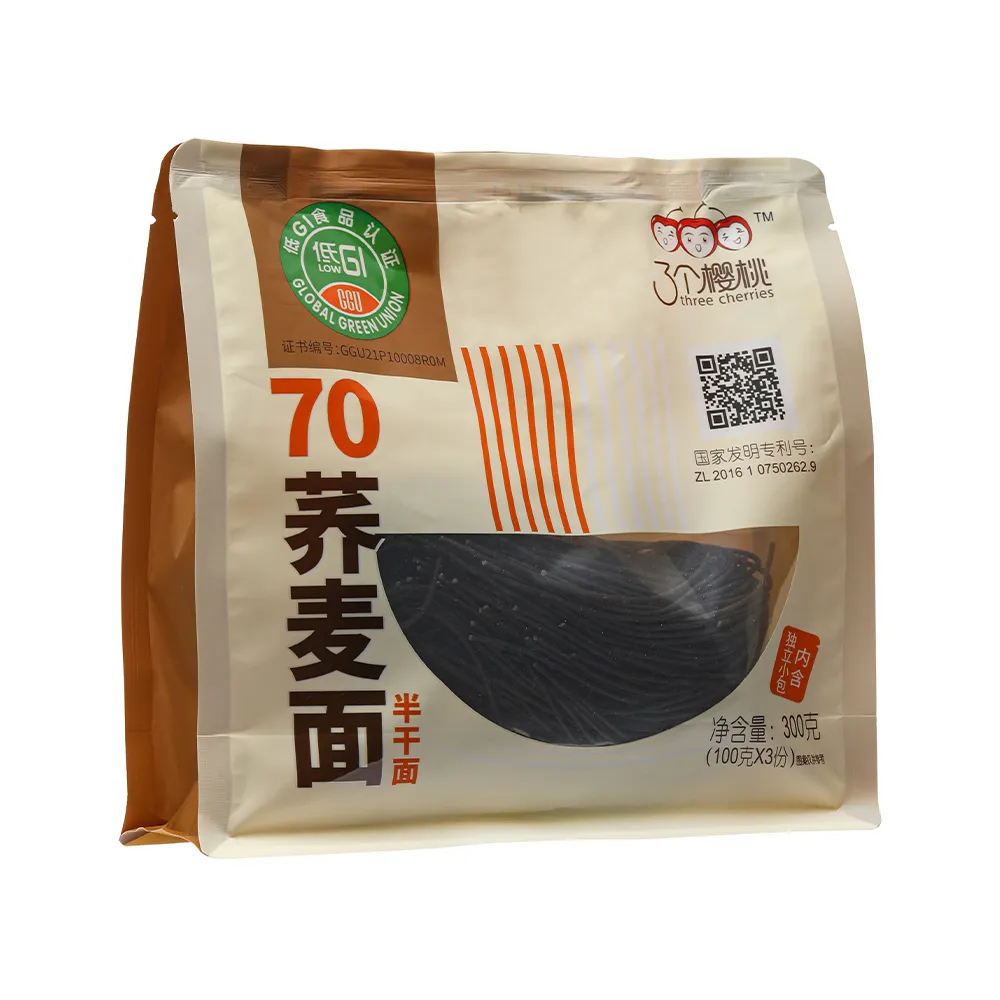

Diabetes Whole Wheat Pasta: A Low-Glycemic Choice for Health and Taste
Understanding Diabetes Whole Wheat Pasta: A Nutritious Choice for Modern Health
Diabetes whole wheat pasta might sound like a niche food item, but it’s really more of a global phenomenon in the making. At its heart, it’s about addressing a modern health challenge—increasing diabetes rates worldwide—and offering a practical, enjoyable dietary option for those affected. Why is this so important? The World Health Organization (WHO) reports that diabetes affects over 422 million people globally, and diet plays an outsized role in managing or even preventing this chronic condition. Choosing foods like diabetes whole wheat pasta can make a big difference in blood sugar control, which in turn reduces complications and improves quality of life.
Understanding the benefits and practicalities of this product is more than just a food trend—it’s about empowering millions with delicious options that support long-term health. Let’s dig into why this matters globally, plus how manufacturers and consumers are navigating this evolving market.
Global Context: Why Diabetes Whole Wheat Pasta Matters Worldwide
Diabetes rates have been climbing steadily, partly due to lifestyle changes that include diet shifts and reduced physical activity. The International Diabetes Federation predicts that by 2045, nearly 700 million people will have diabetes if current trends continue. This paints a concerning picture for public health systems everywhere, especially in low- and middle-income countries.
Amid this challenge, food products like whole wheat pasta formulated specifically with diabetes-friendly aspects gain relevance. These noodles often have a lower glycemic index, higher fiber content, and richer nutrient profiles compared to traditional pasta, making them better suited for blood sugar management. Thanks to organizations promoting nutritional standards and product labeling (ISO guidelines, for example), consumers are gaining clearer insight into what they’re eating, which is a decisive lever in diabetes care.
What is Diabetes Whole Wheat Pasta?
Simply put, diabetes whole wheat pasta is a type of pasta made primarily from whole wheat flour, designed for people managing diabetes. Its key trait? It usually has a lower glycemic index (GI), meaning it releases glucose into the bloodstream more slowly than regular pasta does. This helps avoid spikes in blood sugar, which are detrimental to people with diabetes.
Beyond just whole wheat, manufacturers sometimes blend in legumes or fiber-enriching ingredients to boost nutritional benefits. The goal is to maintain the familiar, comforting texture and flavor of pasta—because frankly, dietary restrictions shouldn’t mean sacrificing good taste or mealtime satisfaction.
Core Components of Diabetes Whole Wheat Pasta
1. Whole Grain Content
The backbone of these pastas is whole wheat flour containing all parts of the grain kernel, including fiber-rich bran and nutrient-dense germ. This improves fiber intake crucial for slowing glucose absorption.
2. Glycemic Index (GI)
Lower GI ratings (typically under 55) mean the pasta won’t trigger rapid blood sugar surges. Achieving this involves careful grain selection and some processing techniques that keep starches intact.
3. Fiber and Protein Enrichment
Sometimes, manufacturers add extra fiber or protein (like chickpea flour or oat bran) to increase satiety and further blunt blood sugar spikes.
4. Taste and Texture
There’s a balancing act between nutrition and palatability. Good diabetes whole wheat pasta has a firm, pleasant bite—not mushy or overly dense, which ensures people keep eating it gladly.
5. Packaging and Labeling
Clear nutritional info and diabetes-friendly claims help buyers trust the product. Compliance with health standards and certifications is a plus.
Product Specifications Snapshot
| Specification | Typical Value | Notes |
|---|---|---|
| Whole Wheat Content | 100% | 100% whole grain flour |
| Glycemic Index (GI) | 45-50 | Low GI range |
| Dietary Fiber | 7g / 100g | Higher than regular pasta |
| Protein | 12g / 100g | Supports satiety |
| Cooking Time | 8-10 minutes | Similar to standard pasta |
Mini takeaway: Diabetes whole wheat pasta combines a low glycemic index with higher fiber and protein content, creating a nutritious, diabetes-friendly meal base.
Global Applications & Use Cases
This kind of pasta is increasingly popular in regions with high diabetes prevalence, such as North America, the Mediterranean, and parts of Asia. Hospitals and care centers often recommend it for patients looking to maintain steady blood sugar. NGOs focusing on health in developing regions have started incorporating diabetes whole wheat pasta into nutritional aid kits, especially where processed carbohydrates dominate diets.
For example, in Italy—the birthplace of pasta—several artisanal manufacturers have pivoted toward diabetes-compatible products, blending tradition with health science. Meanwhile, in the United States, diabetic-friendly packaged foods, including whole wheat pastas, are hitting mainstream retail shelves as consumers become more label-conscious.
Vendor Comparison Table
| Vendor | Whole Wheat % | GI Range | Price per Kg | Extra Nutrients |
|---|---|---|---|---|
| PastaPure | 100% | 45-48 | $4.50 | Added fiber |
| GrainHealth | 85% | 50-52 | $3.80 | Protein enrichment |
| WholeFit Foods | 100% | 44-47 | $5.10 | Chickpea flour blend |
Mini takeaway: Vendors differ slightly in whole grain content, glycemic index, and pricing, allowing consumers to choose based on dietary needs and budget.
Advantages and Long-Term Value
Choosing diabetes whole wheat pasta isn’t just about one meal — it’s a small but meaningful step toward sustainable health management. Lower glycemic foods help reduce insulin spikes, thereby lowering risks of complications like neuropathy and heart disease. From a social perspective, improved dietary options can boost mental wellbeing because people don’t feel deprived or isolated from cultural foods.
Economically, manufacturers are beginning to see that providing diabetes-oriented products taps into a growing, loyal customer base. And from a sustainability angle, whole wheat sourcing generally promotes more environmentally friendly agriculture compared to heavily refined grains.
Emerging Trends and Innovations
Oddly enough, the future of diabetes whole wheat pasta might involve some high-tech tweaks. Scientists are experimenting with ancient grains, fermentation techniques, and biofortification to enhance nutritional profiles even more. We’re also seeing packaging innovations that improve shelf life while minimizing plastics, all aligned with growing consumer eco-awareness.
Digitally, personalized nutrition apps might soon suggest optimal pasta types based on individual glucose responses, making “diabetes-friendly” even more precisely tailored than today.
Challenges & Solutions
Of course, challenges remain. Whole wheat pasta can sometimes have a denser texture that not everyone loves. Also, price points tend to be higher than regular pasta, limiting accessibility for some demographics. Supply chain issues—especially with specialty flours—can cause shortages.
Innovative responses include blending whole wheat with lighter grains for better texture, harnessing economies of scale to lower costs, and developing local supply chains in high-need areas. Education efforts are also critical, ensuring consumers understand why these foods matter for diabetes management.
FAQ: Common Questions About Diabetes Whole Wheat Pasta
-
Q: How does diabetes whole wheat pasta compare to regular pasta in blood sugar control?
A: It generally has a lower glycemic index and higher fiber content, which slows glucose absorption and reduces blood sugar spikes—important for diabetes management. -
Q: Can I use diabetes whole wheat pasta in any recipe?
A: Yes, it works well as a direct substitute in most pasta dishes. Just monitor cooking times, as it may differ slightly from traditional pasta. -
Q: Is diabetes whole wheat pasta more expensive?
A: Typically yes, due to production costs and specialty ingredients, but the long-term health savings often outweigh upfront costs. -
Q: Where can I buy diabetes whole wheat pasta?
A: Many health food stores and online retailers carry it. Visit diabetes whole wheat pasta for trusted sources. -
Q: Is it suitable for all types of diabetes?
A: Generally yes, but individuals should consult with healthcare providers to tailor diet choices appropriately.
Conclusion
Diabetes whole wheat pasta embodies much more than a simple food choice—it’s a step toward healthier living, better diabetes management, and sustainable dietary habits that honor tradition without compromising well-being. For anyone managing diabetes or simply aiming for a balanced diet, it offers a satisfying, nutritionally sound option worth exploring.
Curious to learn more or try it yourself? Visit our website: https://www.jxsemidrynoodles.com for authentic diabetes whole wheat pasta and expert guides.
In real terms, embracing such foods is about valuing life’s simple pleasures—taste, health, and the joy of sharing meals without worry.
References:
1. World Health Organization. Diabetes fact sheet. (https://www.who.int/news-room/fact-sheets/detail/diabetes)
2. International Diabetes Federation. IDF Diabetes Atlas. (https://diabetesatlas.org/)
3. ISO 22000: Food safety management standards (https://www.iso.org/iso-22000-food-safety-management.html)
-
Discover the Authentic Taste of Korean Buckwheat NoodlesNewsApr.16,2026
-
Discover the Refreshing Taste of Authentic Korean Cold SobaNewsApr.09,2026
-
Discover the Refreshing Taste of Korean Cold Buckwheat Noodles NaengmyeonNewsApr.07,2026
-
Discover the Cool and Refreshing World of Korean Buckwheat Noodles ColdNewsApr.04,2026
-
Discover the Refreshing Taste of Japanese Cold Buckwheat Noodles and Zaru SobaNewsMar.31,2026
-
Exploring the Delicious World of Chinese Style Cold NoodlesNewsMar.28,2026
-
Discover the Cool and Refreshing World of Korean Cold Soba NoodlesNewsMar.26,2026
Browse qua the following product new the we