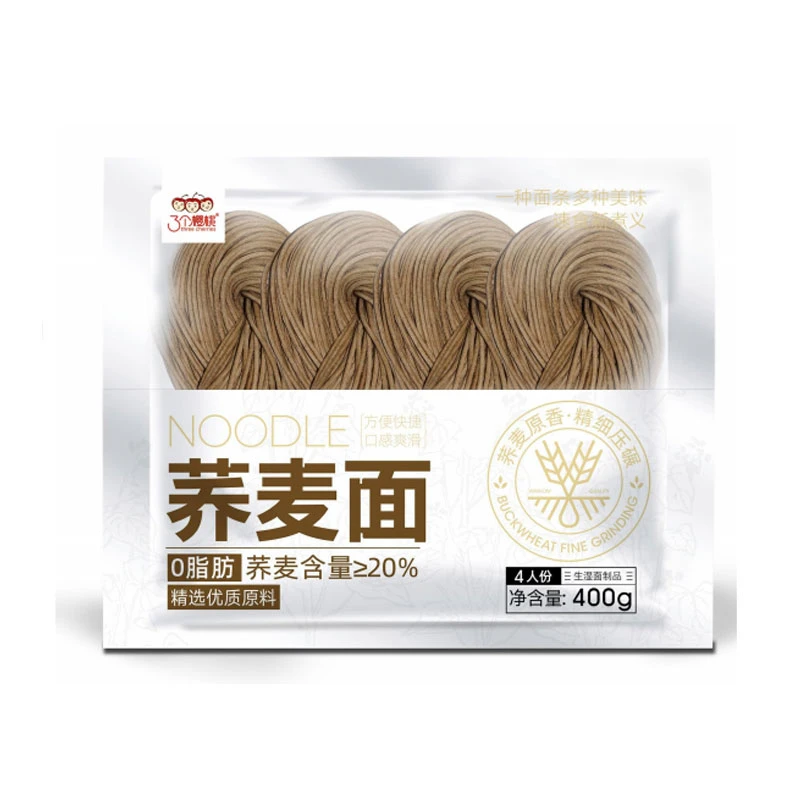

Buckwheat Soba Noodles Healthy: Nutritional Powerhouse with Global Impact
What’s So Special About Buckwheat Soba Noodles Healthy?
If you’ve ever wandered the aisles of an Asian grocery or scrolled through health blogs, chances are you’ve bumped into buckwheat soba noodles. But why are they suddenly the darling of health enthusiasts worldwide? Well, these slender, nutty noodles might just hold the answers to some of today’s biggest dietary challenges — especially for those seeking gluten alternatives, sustainable nutrition, or just a delicious twist on traditional pasta.
Globally, malnutrition and diet-related diseases affect millions. With rising interest in functional foods, buckwheat soba noodles offer a smart, tasty option that combines plant-based protein, fiber, and antioxidants in one humble bowl. It sounds almost too good to be true, but understanding why these noodles are a growing staple might reshape how we view everyday health foods.
Global Perspective: Why Buckwheat Soba Noodles Healthy Matter Today
Taking a global snapshot, diet-related conditions like diabetes and heart disease now rank among the top causes of death worldwide (WHO, 2023). The United Nations Food and Agriculture Organization (FAO) also flags food diversity and nutrition as core to sustainable development goals (SDGs). So, how do buckwheat soba noodles fit in?
Two things: one, they’re gluten-free and loaded with quality protein, which is critical for people with celiac disease or gluten intolerance—estimated to affect up to 1% of the global population. Two, buckwheat is a resilient crop thriving without heavy fertilizers or pesticides, making it a relatively eco-friendly addition to diets—something FAO and ISO standards celebrate when defining sustainable food sources.
However, despite these benefits, buckwheat soba noodles are still underrecognized outside certain Asian cuisines. That’s partly a problem of awareness but also supply chain and processing constraints.
Defining Buckwheat Soba Noodles Healthy
At its core, buckwheat soba noodles are Japanese-style noodles made primarily from buckwheat flour, often blended with wheat flour for texture. “Healthy” in this context usually refers to their nutritional benefits:
- Gluten-free or low gluten: Buckwheat is actually a seed, not a wheat variant, so it avoids gluten-related issues.
- Rich in nutrients: High-quality proteins, essential amino acids, rutin (an antioxidant), fiber, and minerals.
- Low glycemic index: Meaning slower blood sugar spikes.
This makes them popular in current dietary trends — whether paleo, keto, or just clean eating. Of course, the “healthy” label can vary depending on the manufacturing process and ingredient blends, but quality buckwheat soba noodles tend to deliver consistently on these points.
Key Nutritional Components of Buckwheat Soba Noodles
1. Protein Content and Amino Acid Profile
Buckwheat contains all nine essential amino acids, including lysine, often lacking in many grains. It offers roughly 5–10 grams of protein per serving, making soba noodles a modest yet meaningful protein source in plant-based diets.
2. Antioxidants and Flavonoids
Rutin and quercetin are powerful antioxidants prevalent in buckwheat, linked with cardiovascular benefits and anti-inflammatory effects. This gives soba noodles an edge over regular pasta which lacks such compounds.
3. Fiber and Digestive Health
Dietary fiber is well known for supporting gut health and maintaining satiety. Buckwheat soba noodles typically contain around 2–3 grams of fiber per serving—a decent addition for those watching blood sugar or digestion.
4. Low Glycemic Index (GI)
One of the reasons for their rising popularity is their low GI, which helps manage energy levels and is especially useful for diabetics or anyone seeking long-lasting energy.
Where Are Buckwheat Soba Noodles Making a Difference?
While Japan remains the cultural and culinary heart of soba, the health boom has sparked wider interest across Europe, North America, and parts of Asia.
- Healthcare & Nutrition Programs: NGOs in Southeast Asia promote buckwheat cultivation and soba noodles as affordable nutrition to improve childhood diets.
- Diabetes Management: Clinics in the US and Europe recommend soba noodles as alternatives to wheat pasta for blood sugar control.
- Eco-conscious Food Markets: Organic and gluten-free product lines in supermarkets are increasingly adding buckwheat soba noodles to their shelves.
- Sport and Fitness Communities: Athletes are drawn to the sustained energy release that buckwheat provides.
Oddly enough, some remote mountainous regions growing buckwheat for centuries are only now seeing their local soba enter international health food markets. That's a turnaround many food experts find fascinating.
Advantages & Long-Term Benefits of Buckwheat Soba Noodles
On one hand, the tangible health benefits: improved blood sugar regulation, higher-quality protein intake, and intake of antioxidants. On the other, an environmental benefit: buckwheat farming uses less water and is less chemical-intensive than wheat.
Plus, there’s a social angle — supporting buckwheat farmers helps preserve agricultural diversity and traditional practices. This mix of health, ecology, and cultural preservation offers a compelling, multi-layered value proposition.
Emotionally, eating buckwheat soba often feels like a small act of self-care, of being part of a bigger story about mindful, sustainable eating. It’s food with a conscience.
Specification Table: Typical Buckwheat Soba Noodles Nutritional Profile
| Nutrient | Amount (per 100g) | Daily Value (%) |
|---|---|---|
| Calories | 99 kcal | 5% |
| Protein | 5.6 g | 11% |
| Total Fat | 0.1 g | 0% |
| Dietary Fiber | 2.7 g | 11% |
| Carbohydrates | 21.1 g | 7% |
| Rutin (Antioxidant) | ~20 mg | – |
Popular Vendors: How They Stack Up
| Brand | Gluten Content | Organic Certification | Price (per 400g) | Availability |
|---|---|---|---|---|
| SobaFarm | 100% gluten-free | Yes | $6.99 | Online, specialty stores |
| NakedNoodles | Contains wheat | No | $4.99 | Supermarkets |
| EcoSoba | 90% buckwheat, low gluten | Yes | $7.50 | Online subscription |
Emerging Trends & Future Directions in Buckwheat Soba Noodles Healthy
What caught my eye recently is the rising innovation around buckwheat itself — beyond traditional noodles.
- Gluten-Free Production Technology: New milling and blending approaches seek to deliver 100% gluten-free soba noodles with better elasticity.
- Organic & Fair Trade Certifications: Responding to consumer demand, vendors are expanding organic acreages and improving farmworker conditions.
- Functional Fortifications: Some companies experiment with adding protein isolates or probiotics to push soba noodles from “healthy” to “superfood” status.
- Environmental Sustainability: Buckwheat’s short growth cycle ties into regenerative agriculture, which is increasingly valued.
Digital tools such as traceability apps now let customers track noodles from field to shelf — a neat sign of the food tech age merging with tradition.
Challenges & How To Overcome Them
Even with all these positives, buckwheat soba noodles face a few hurdles:
- Brittleness & Cooking Difficulty: Pure buckwheat noodles tend to break easily when cooking. Manufacturers blend wheat or modify kneading processes to fix that.
- Price Point: Buckwheat noodles often cost more than standard noodles due to raw material costs and processing.
- Awareness and Consumer Education: Many people still don’t know the health benefits, limiting wider adoption.
But innovators and marketers are tackling these through education campaigns, product innovation, and improved supply chains. The trend, frankly, looks promising.
FAQ: Frequently Asked Questions About Buckwheat Soba Noodles Healthy
- Are buckwheat soba noodles completely gluten-free?
- Not always. Some brands mix buckwheat with wheat flour to improve texture, so always check the label if you’re gluten-sensitive. There are 100% gluten-free options available certified for safety.
- How do buckwheat soba noodles compare to regular pasta?
- They generally have more protein, fiber, and antioxidants, along with a lower glycemic index. Their nutty flavor and softer texture also differentiate them from standard wheat pasta.
- Can I use buckwheat soba noodles in cold dishes?
- Absolutely! In fact, cold soba salads or chilled dashi broths are classic in Japanese cuisine and refreshing for warmer days.
- Are there any sustainable farming benefits?
- Yes. Buckwheat is low maintenance, requires fewer agrochemicals, enriches soil by suppressing weeds, and fits well into crop rotations promoting environmental health.
Final Thoughts
Frankly, the buzz around buckwheat soba noodles healthy isn’t just a fad. Their mix of nutrition, sustainability, and culinary tradition creates something both meaningful and delicious — a simple food with global ripple effects. From sustainable farming to diabetic-friendly dinners, they demonstrate how rethinking old foods can lead to fresh solutions.
If you want to dive deeper or taste the difference, visit our website today and join the movement toward healthier, more sustainable eating.
References:
-
Discover the Authentic Taste of Korean Buckwheat NoodlesNewsApr.16,2026
-
Discover the Refreshing Taste of Authentic Korean Cold SobaNewsApr.09,2026
-
Discover the Refreshing Taste of Korean Cold Buckwheat Noodles NaengmyeonNewsApr.07,2026
-
Discover the Cool and Refreshing World of Korean Buckwheat Noodles ColdNewsApr.04,2026
-
Discover the Refreshing Taste of Japanese Cold Buckwheat Noodles and Zaru SobaNewsMar.31,2026
-
Exploring the Delicious World of Chinese Style Cold NoodlesNewsMar.28,2026
-
Discover the Cool and Refreshing World of Korean Cold Soba NoodlesNewsMar.26,2026
Browse qua the following product new the we